

Trip overview
Overviews: Langtang Valley Tserko-Ri and Langsisa Trek – 9 Days
Introduction
Among the most celebrated Himalayan adventures, the Langtang Valley Tserko-Ri and Langsisa Trek stands as one of the most popular trekking routes in Nepal. Travelers seeking an authentic highland journey without venturing into the more crowded trails of the Everest region or the bustling Annapurna circuit often turn to the pristine landscapes of Langtang. Nestled north of Kathmandu, this 9-day trek unfolds a spectacle of towering mountains, serene valleys, and traditional Tamang settlements. The trail captures the very essence of Himalayan charm—snow-capped summits, forested ridges, glacial rivers, and sacred monasteries. Tserko-Ri, rising at 4,984 meters, becomes the crown jewel of the experience, rewarding trekkers with panoramic views of Langtang Lirung, Dorje Lakpa, Yala Peak, and even glimpses into the Tibetan plateau. Alongside, Langsisa adds another layer of mystique with remote alpine landscapes and the feeling of stepping into a different world.
Unlike the Everest or Annapurna trails, Langtang offers a calmer atmosphere where cultural immersion and natural wonders blend seamlessly. It is this balance that makes the journey one of the most recommended treks in Nepal, attracting adventurers who seek both beauty and authenticity.
About Langtang Valley and Tserko-Ri
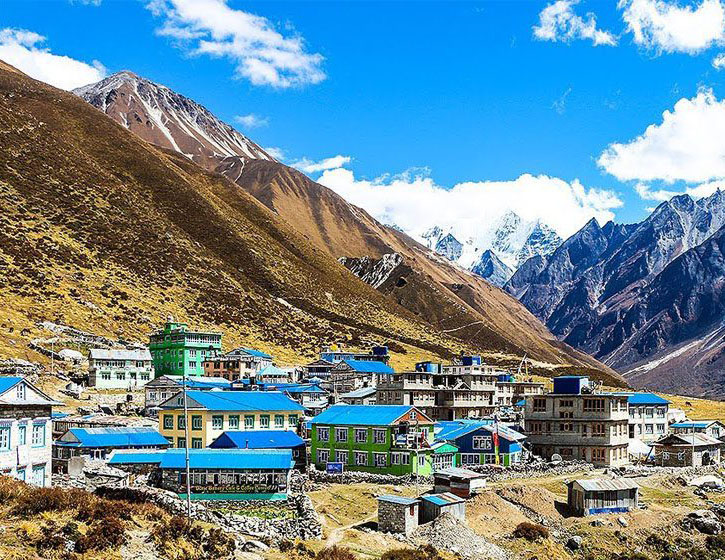
Langtang Valley is famously known as the “Valley of Glaciers” due to its close proximity to several icy rivers and towering peaks. Stretching through the Langtang National Park, the valley lies only about 60 kilometers north of Kathmandu, yet feels worlds away in atmosphere. The trail weaves through rhododendron and oak forests, alpine meadows, yak pastures, and eventually barren high-altitude landscapes.
Tserko-Ri, often the main highlight of the trek, is a challenging yet rewarding ascent from Kyanjin Gompa, the spiritual heart of the valley. The climb offers 360-degree Himalayan panoramas unmatched by many other trekking viewpoints in Nepal. Beyond Tserko-Ri lies the route to Langsisa, a lesser-trodden section of the region, where trekkers encounter glaciers, rocky ridges, and raw alpine scenery. This combination of cultural villages, religious monuments, and breathtaking mountains makes the trek stand among the most scenic Himalayan adventures.
Location of Langtang Valley
Geographically, Langtang Valley is situated in the central Himalayan belt, inside Langtang National Park, which borders Tibet. It is part of Bagmati Province, only a short distance from the Kathmandu Valley. Despite its proximity to the capital, the landscape feels untouched, preserving its wild beauty. To the east lies the Everest region, to the west spreads the Annapurna Himalaya, while Langtang sits gracefully in between, creating its own distinct trekking identity among Nepal’s most visited trekking areas.
How to Go
Reaching the starting point of the Langtang Valley and Tserko-Ri trek is relatively straightforward compared to other famous Himalayan journeys. The adventure usually begins with a scenic drive from Kathmandu to Syabrubesi, a bustling village located about 7–8 hours away by road. This drive follows winding mountain roads, offering glimpses of terraced fields, rivers, and rural life. From Syabrubesi, trekkers set out on foot, gradually entering the national park and following trails that lead deep into the valley. Unlike the Everest Base Camp trek, which requires a flight to Lukla, or the Annapurna region, where multiple trailheads exist, Langtang’s access by road makes it one of the most convenient trekking routes in Nepal.
People of the Langtang Region
The inhabitants of the Langtang Valley are primarily Tamang and Tibetan-origin communities. Their culture, language, and traditions reflect centuries of connection with Tibet across the border. Hospitality is a defining feature of the people here. Visitors are often greeted with warm smiles, traditional meals, and the ever-present sense of community spirit. Their daily life revolves around agriculture, yak herding, and tourism, yet they maintain deep ties to Buddhist spiritual practices. The resilience of the locals, especially after the devastating 2015 earthquake, highlights their strength and devotion to preserving their culture. Meeting these communities is often considered as memorable as the mountain views, cementing Langtang as one of the most culturally immersive treks in Nepal.
Accommodation in Langtang Valley
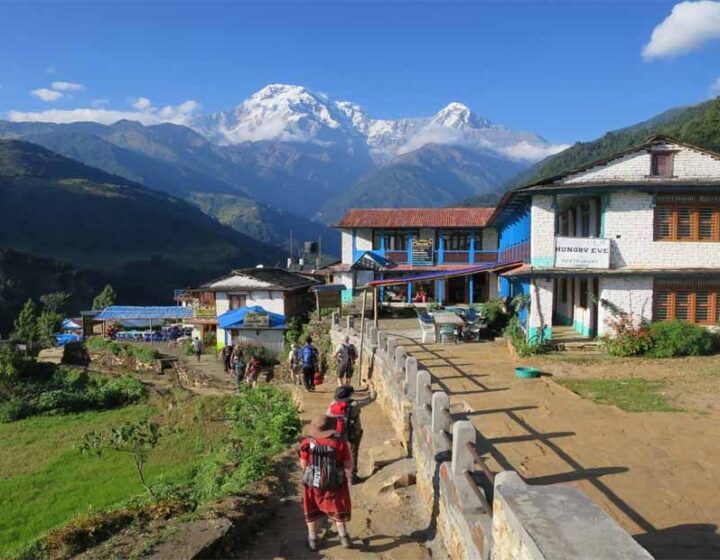
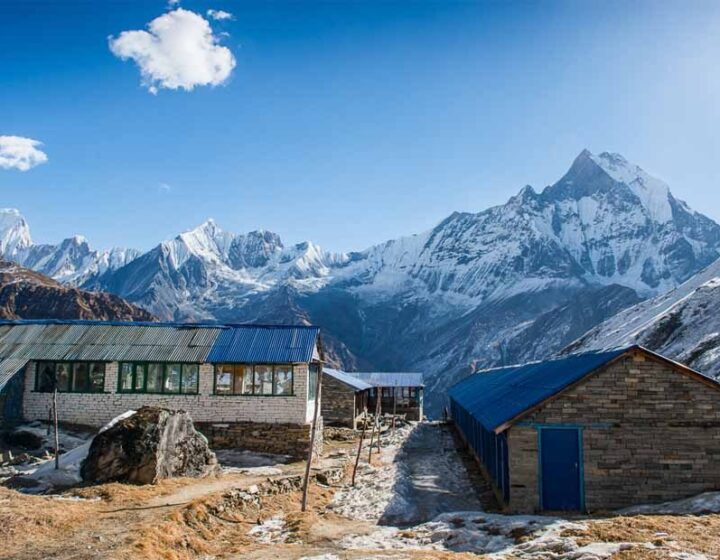
The Langtang Valley Tserko-Ri trek provides classic teahouse accommodation, offering comfort without disturbing the wilderness charm. Villages along the route—such as Lama Hotel, Langtang Village, and Kyanjin Gompa—have family-run lodges where trekkers enjoy warm meals, cozy rooms, and local hospitality. Rooms are typically simple but clean, with wooden beds and shared facilities. At higher elevations, amenities become basic, yet the warmth of the hosts makes the stay feel like home. Compared to the Everest region, where lodges can be luxurious, or Annapurna, where tea houses are more developed, Langtang offers an authentic balance—basic but deeply cultural, making it one of the most traditional trekking accommodations in Nepal.
Religion in Langtang
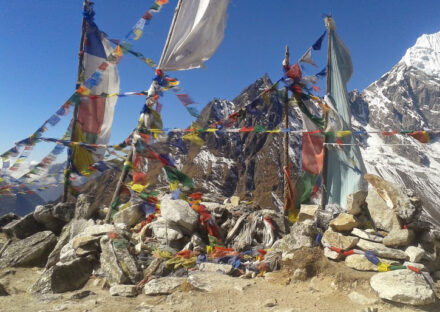
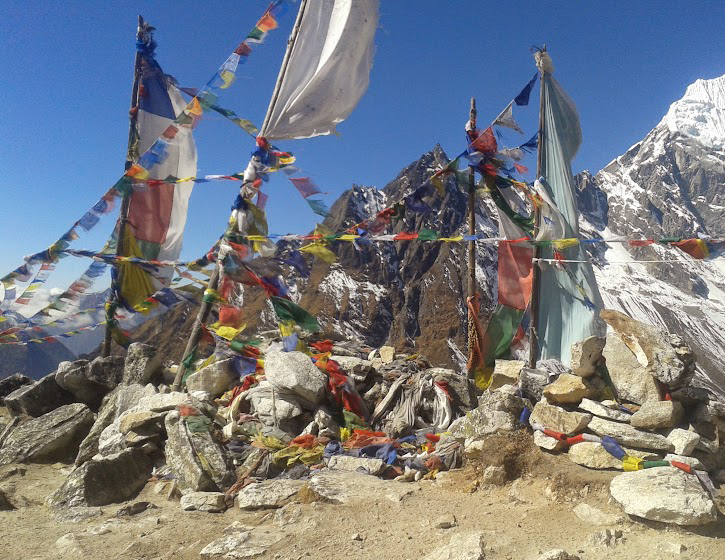
Buddhism dominates the spiritual landscape of Langtang. Monasteries, chortens, prayer wheels, and colorful prayer flags line the trekking trail, reminding visitors of the region’s sacred atmosphere. The highlight is Kyanjin Gompa, a centuries-old monastery where trekkers often witness chanting monks and ceremonies. The religious devotion here is profound, blending seamlessly with the natural beauty. Every mountain, river, and valley holds symbolic significance, making the trek not just a physical journey but also a spiritual pilgrimage. Compared to the Everest region’s Sherpa Buddhist traditions or the Hindu-Buddhist blend of Annapurna, Langtang’s spiritual ambiance feels uniquely Tibetan, offering one of the most sacred trekking experiences in Nepal.
Lifestyle of the People
The lifestyle in Langtang revolves around simplicity, community, and harmony with nature. Families cultivate barley, potatoes, and buckwheat in terraced fields, while yak herding remains central for milk, butter, and cheese production. Handicrafts, weaving, and small-scale trade add to the economic fabric. The daily rhythm of life here is dictated by the seasons—planting, harvesting, and caring for livestock. While tourism has brought modern influences, the people still live in close connection with ancient customs and spiritual practices. Trekkers often find themselves inspired by the peaceful, resilient way of life, making the journey one of the most authentic cultural trekking routes in Nepal.
Flora and Fauna
The Langtang National Park shelters a remarkable diversity of flora and fauna. As trekkers ascend, they pass through sub-tropical forests with oak, maple, and chir pine before entering temperate zones filled with rhododendron and bamboo. Higher up, alpine shrubs and meadows dominate, eventually giving way to rocky moraines. Springtime paints the forests red and pink with rhododendron blossoms, creating one of the most colorful trekking routes in Nepal.
Wildlife is equally fascinating—red pandas, Himalayan black bears, langurs, and musk deer roam the forests, while the skies may reveal Himalayan monals, pheasants, and lammergeiers. This biodiversity makes Langtang as ecologically rich as Everest and Annapurna, ensuring the trek is not only scenic but also a living classroom of Himalayan wildlife.
Vegetation of the Trekking Trail
The vegetation changes dramatically with altitude. At lower sections, terraced farmlands and lush bamboo groves dominate. As the trek rises, dense rhododendron and oak forests give way to open alpine pastures. Higher still, near Kyanjin Gompa and Tserko-Ri, trekkers encounter sparse shrubs and hardy grasses clinging to the rocky landscape. This natural gradient of vegetation mirrors the transitions seen in the Annapurna Base Camp trek or the Everest Base Camp trail, making Langtang one of the most diverse trekking ecosystems in Nepal.
Atmosphere of Langtang Valley
The atmosphere of Langtang Valley is a blend of serenity and awe. Unlike the busier Everest trails or the crowded Annapurna circuits, Langtang exudes tranquility. The crisp mountain air, the sound of rushing rivers, the fluttering of prayer flags, and the chanting of monks create a sense of calm rarely found in modern life. At dawn from Tserko-Ri, when golden rays strike the snowy summits, trekkers often describe a feeling of spiritual renewal. This atmosphere—peaceful yet powerful—makes Langtang one of the most rejuvenating trekking experiences in Nepal.
Why Choose Langtang Valley and Tserko-Ri Trek?
Choosing the Langtang Valley Tserko-Ri and Langsisa trek means choosing a journey that combines accessibility, cultural depth, and natural grandeur. Unlike Everest, which demands longer itineraries and flights, or Annapurna, which can feel commercialized, Langtang is reachable in less than a day and offers raw Himalayan authenticity. The trek balances moderate difficulty with rewarding views, making it ideal for both seasoned adventurers and first-time trekkers.
Moreover, the Langtang route supports local communities who rely heavily on tourism. By trekking here, visitors contribute directly to rebuilding lives after past hardships. Add to this the spiritual richness of Kyanjin Gompa. Combine it with the adventure of summiting Tserko-Ri and the untouched landscapes of Langsisa. Together, these experiences show why Langtang is one of Nepal’s most meaningful trekking routes.
Company – The Himalayan Realms Treks and Expedition Nepal Pvt. Ltd. When starting the Langtang Valley and Tserko-Ri trek, picking the right company is very important. The Himalayan Realms Treks and Expedition Nepal Pvt. Ltd., run by skilled guides with many years of experience, gives trekkers both strong support and real cultural insight. The company has trusted networks in the Everest, Annapurna, and Langtang regions, ensuring safety, fair practices, and personal care. Their team blends professionalism with warm hospitality, turning every trek into a truly enjoyable and responsible journey. From arranging places to stay to offering local guides and promoting eco-friendly travel, the company remains a dependable choice for anyone looking for a genuine and safe trekking experience in Nepal.
Conclusion
The Langtang Valley Tserko-Ri and Langsisa trek is more than a 9-day Himalayan adventure. It is a journey into culture, spirituality, and natural wonder. This route stands proudly beside the Everest and Annapurna trails as one of Nepal’s most popular treks. It offers a rare mix of accessibility, diversity, and authenticity. You will meet the warm Tamang people and experience their deep-rooted traditions. The sunrise from Tserko-Ri paints the mountains in golden light, leaving unforgettable memories. Sacred chants from Kyanjin Gompa echo through the valley, adding a spiritual rhythm to the journey. Further ahead, the wild landscapes of Langsisa reveal raw Himalayan beauty. Every step along the trail carries a story of nature, faith, and resilience.
In a world where many treks are defined by crowds and commercialization, Langtang continues to preserve its raw essence. Choosing this trek means experiencing not only the grandeur of the Himalayas but also the heartbeat of local culture.
Itinerary
Your adventure begins with a scenic drive from Kathmandu to Syabrubesi, the gateway to Langtang Valley. The journey, taking around 7–8 hours, winds along the Trishuli River and passes through terraced fields, small towns, and lush green hills. On clear days, glimpses of Ganesh Himal and the peaks of Langtang Himalaya can be seen. The road is a mixture of paved and rough sections, giving a true sense of Himalayan travel. Syabrubesi is a small town with basic lodges, teahouses, and local shops, where you can experience the warmth of Tamang hospitality. It’s an important trade point near the Tibetan border, and the cultural blend is evident. Upon arrival, you’ll check into your lodge, enjoy a hearty meal, and prepare for the trek ahead. The evening offers time to rest, explore the town, or relax by the riverside, gathering energy for the trek that starts tomorrow.
The trek begins with a gradual walk across the Bhote Koshi River and Langtang Khola, entering a lush forest filled with rhododendrons, oaks, and bamboo. The trail steadily ascends, with the soothing sound of the river always nearby. Keep an eye out for langur monkeys, red pandas, and colorful birds as this area is part of Langtang National Park. The path passes through villages like Bamboo and Rimche, which provide teahouse rest stops along the way. The route includes both gentle ascents and steep sections, giving trekkers their first real taste of Himalayan trekking. Lama Hotel, your destination for the night, is a settlement surrounded by dense forest with several comfortable teahouses. The peaceful environment here, with the backdrop of rushing rivers and towering cliffs, creates a perfect resting place. As night falls, enjoy a warm meal by the fire and listen to stories from fellow trekkers and local hosts.
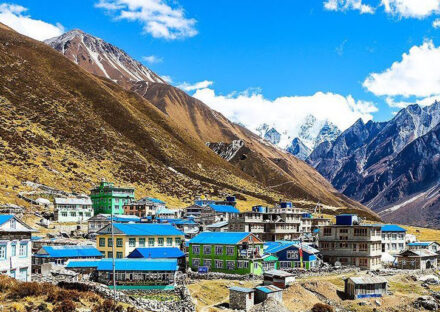
Leaving Lama Hotel, the trail climbs steadily through pine and rhododendron forests. The valley gradually opens, offering wider views of the snow-capped peaks. Passing through Ghoda Tabela, trekkers often take a short rest while admiring glimpses of Langtang Lirung rising majestically above. The trail then leads through yak pastures and scattered Tamang villages. You’ll notice the lifestyle here is deeply influenced by Tibetan culture, with stone-built houses, prayer walls, and chortens along the way. After hours of walking, you’ll reach Langtang Village, which was rebuilt after the 2015 earthquake. The village is culturally rich, and you may encounter locals wearing traditional dress or spinning prayer wheels as part of their daily rituals. Langtang offers stunning mountain scenery, particularly at sunset, when the peaks glow golden. Spend the evening exploring the village, learning about local traditions, and preparing for the next day’s higher climb toward Kyanjin Gompa
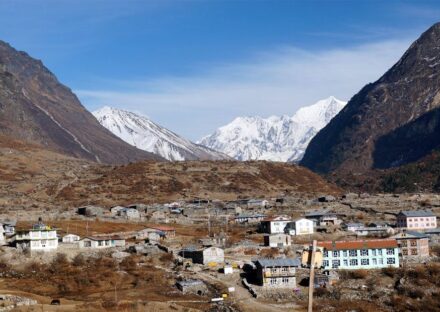
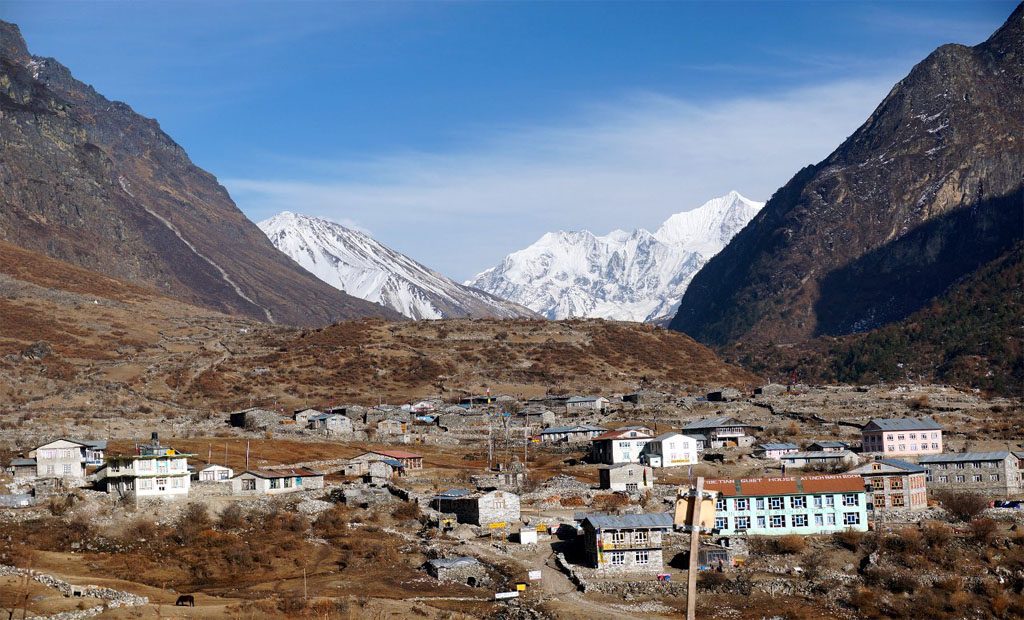
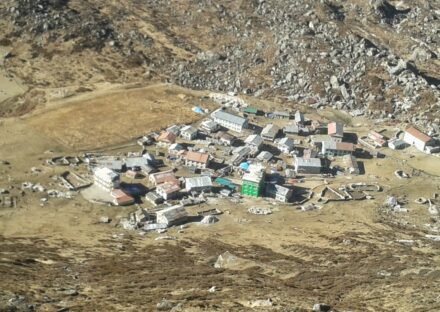
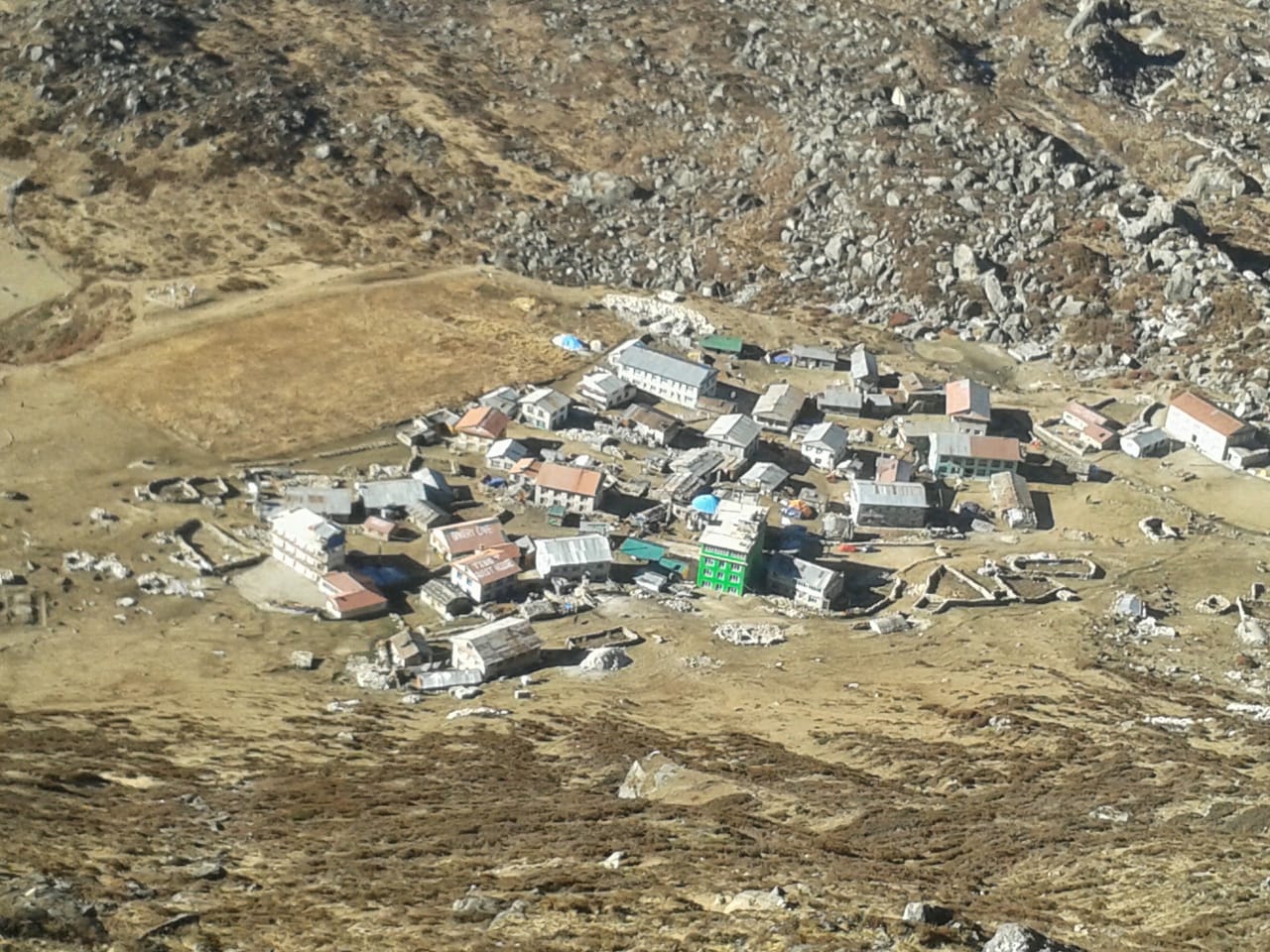
Today’s trek is shorter but rewarding, as you ascend higher into the heart of Langtang Valley. The path is relatively gradual, passing through small villages and pasturelands where yaks graze. Prayer flags flutter in the breeze, and mani walls line the trail, reminding trekkers of the region’s strong Buddhist presence. The surrounding peaks, including Langtang Lirung and Dorje Lakpa, dominate the skyline, creating a dramatic backdrop. After 3–4 hours, you’ll arrive at Kyanjin Gompa, a spiritual and cultural hub of the region. The village is home to an ancient monastery and a famous cheese factory established with Swiss help. Kyanjin Gompa sits in a wide valley surrounded by glaciers, offering breathtaking panoramic views. After settling into your lodge, you can explore the monastery or simply relax while enjoying the peaceful mountain environment. Evening here feels magical, with the sound of prayer chants and the sight of stars over the Himalayas.
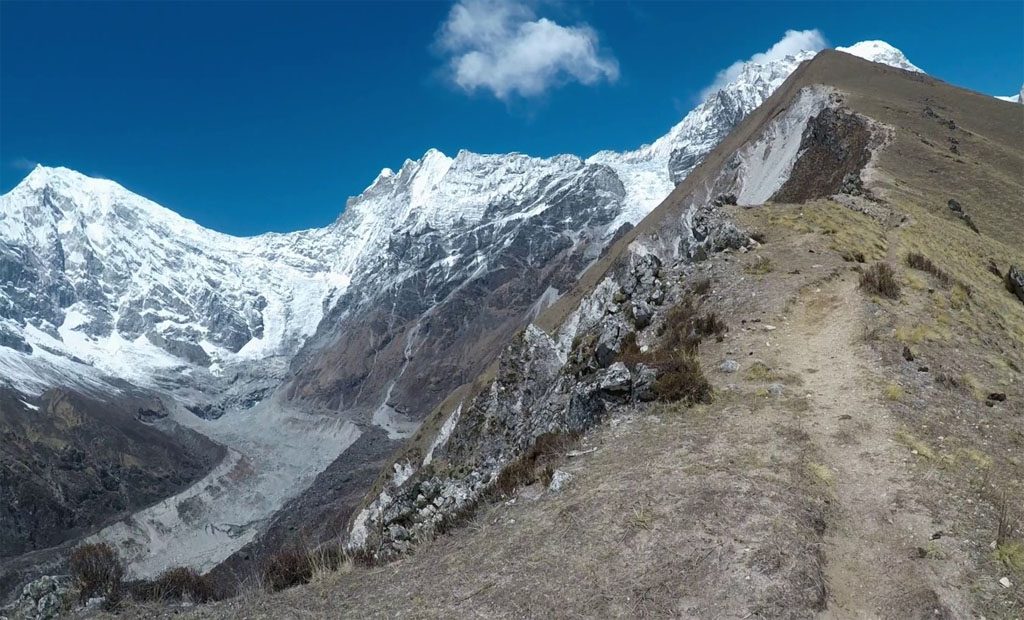
This is a challenging yet unforgettable day as you climb Tserko-Ri, the highest point of the trek. Starting early, the steep ascent takes several hours, passing through yak pastures and rocky terrain. The higher you climb, the thinner the air becomes, demanding steady pacing. At the summit, you are rewarded with one of the most spectacular Himalayan panoramas—Langtang Lirung, Yala Peak, Dorje Lakpa, Shishapangma, and even distant peaks of Tibet can be seen. The sunrise here is especially magical, casting golden light over the snowy summits. The sense of achievement is immense as you stand at nearly 5,000 meters. After soaking in the views, you descend carefully back to Kyanjin Gompa. The return feels easier, and the afternoon is free for rest, exploration of the village, or interaction with locals. Tonight, enjoy a hearty meal, reflecting on the day’s adventure and the beauty of Langtang Himalaya.
The journey continues deeper into the valley, toward Langsisa Kharka, a remote pastureland surrounded by towering peaks. The trail is less traveled, giving a sense of wilderness and solitude. You’ll pass yak herders’ huts and meadows dotted with grazing animals. The dramatic scenery includes glaciers, cliffs, and soaring mountains, offering excellent opportunities for photography. Langsisa is also significant culturally, with stories tied to its name meaning “ox died place.” This adds a layer of myth and local folklore to the trekking experience. The high-altitude atmosphere feels raw and untouched, far from busy trails. Upon arrival at Langsisa Kharka, you’ll find a simple campsite or herders’ shelter for rest. The evening is quiet and peaceful, with stars filling the sky and the sound of mountain winds around you. This day offers a true Himalayan wilderness experience, connecting trekkers with the raw power and beauty of nature.
After a night in the wild highlands of Langsisa, you retrace your steps back to Kyanjin Gompa. The return journey allows you to notice details you might have missed on the way up—small waterfalls, unique rock formations, and the way clouds play over the mountains. The trek feels easier as you descend gradually, with more oxygen in the air and the comfort of approaching familiar villages. Arriving back at Kyanjin Gompa feels almost like returning home after an expedition. You can spend the afternoon enjoying local yak cheese, visiting the monastery again, or simply relaxing with hot tea while gazing at the glaciers. This day provides a balance between wilderness adventure and cultural immersion, giving trekkers time to process the journey so far. The peaceful evening here is perfect for reflection and conversation with fellow travelers, surrounded by the serene atmosphere of the high Himalayas.
Today begins the descent down the valley, retracing the path through Langtang Village and Ghoda Tabela. Walking downhill is easier, though it requires careful footing on rocky sections. Along the way, you’ll once again pass mani walls, chortens, and fluttering prayer flags, which feel more familiar now after days of immersion in the culture. The valley narrows as you re-enter lush forests filled with rhododendrons and pines. You might spot wildlife again, such as monkeys and Himalayan birds. The climate grows warmer as you lose altitude, and breathing feels noticeably easier. Lama Hotel awaits with cozy teahouses surrounded by forest, offering a comfortable stop after a long day. Here you can enjoy good food, rest, and share experiences with other trekkers who are either ascending or descending the Langtang trail. The return to Lama Hotel marks the transition back toward lower valleys and prepares you for the final trek day.
The final trekking day takes you from Lama Hotel down to Syabrubesi. The trail mostly descends through lush forests of oak, rhododendron, and bamboo, with the sound of the Langtang Khola accompanying your steps. As you walk, you’ll pass small settlements like Rimche and Bamboo, where you can take short rests. The downhill path is easier on the lungs but requires careful footing, especially on rocky and uneven sections. Along the way, keep an eye out for playful langur monkeys and a variety of birds that inhabit this rich ecosystem. The air grows warmer and thicker as you lose altitude, and the landscape shifts back to terraced fields and riverside villages. Arriving in Syabrubesi feels refreshing, as the town has better facilities, hot showers, and a lively atmosphere. You’ll check into a local lodge, enjoy hearty food, and celebrate the completion of your Langtang trekking adventure before returning to Kathmandu the next day.
The journey from Syabrubesi back to Kathmandu marks the final stage of your trek. After breakfast, you board a local or tourist bus for the 7–8 hour drive along winding mountain roads. The ride follows the Bhote Koshi and Trishuli Rivers, offering scenic views of terraced farmland, cascading waterfalls, and traditional villages perched on hillsides. On clear days, distant Himalayan peaks can still be glimpsed, creating a beautiful farewell to the mountains. The road alternates between paved sections and rough, bumpy tracks, adding to the sense of adventure. Along the way, the bus stops at roadside teahouses for meals and short breaks, giving you time to stretch and refresh. As you approach the Kathmandu Valley, the landscape changes into busy towns and bustling traffic, a stark contrast to the peaceful Langtang trails. By late afternoon or evening, you arrive in Kathmandu, where modern comforts await and your trekking journey concludes.
On your final day in Nepal, after enjoying breakfast at your hotel, it’s time to prepare for departure. Depending on your flight schedule, you may have a few free hours to relax, pack, or stroll around nearby streets for last-minute souvenirs. At the designated time, our representative will transfer you from the hotel to Tribhuvan International Airport. The drive usually takes about 30–45 minutes, depending on traffic, and offers one last glimpse of Kathmandu’s lively streets, colorful markets, and cultural charm. As you arrive at TIA, our team will assist with luggage and ensure a smooth check-in process. With warm farewells, you’ll carry home not just photographs but also memories of Himalayan landscapes, rich culture, and the warmth of Nepali hospitality. This marks the conclusion of your Langtang Valley, Tserko-Ri, and Langsisa trekking adventure, leaving you with experiences to cherish for a lifetime.
Included
- 2 Night accommodation in Kathmandu with a B/B basis plan.
- Kathmandu to Syabrubeshi transfer by bus.
- All airport and hotel transfers
- National permit & TIMS permit ( Trekking Information Management System)
- Accommodation, food and tea/coffee during the trek
- Guide:- including salary, insurance, equipment, flight, food, and lodging
- Porter:- including salary, insurance, equipment, food, and lodging.
- Transfer from Syabrubeshi to Kathmandu by bus or private Jeep.
- For guest:-Down jacket, Good sleeping bag (down jacket and sleeping bag are to be returned after trip completion)
- All government and local taxes
- Sightseeing sport fees. tours guide cost and vechicle cost
- Sightseeing guide and vehicle
Not Included
- Food in Kathmandu Lunch & Dinner)
- Bakery food during the trek. When you eat in the bakery that you need to pay by yourself
- Nepal Visa fee
- International airfare from your country to Kathmandu and from Kathmandu
- Extra night accommodation in Kathmandu
- Travel and rescue insurance if the guest gets mountain sickness and needs to rescue helicopter.
- Personal expenses example (phone calls, laundry service, bar bills, battery recharge, extra porters, bottle or boiled water, shower etc)
- Tips for guide and porters
Useful Info
Useful Information for Langtang, Tserko-Ri, and Langsisa Trek
Location:
The Langtang Valley lies north of Kathmandu, near the border with Tibet. Tserko-Ri rises to 4,984 meters, while Langsisa offers dramatic highland scenery beyond Kyanjin Gompa.
Duration:
The trek usually takes 9 days, though it can be extended with side trips or rest days.
Access:
The journey starts with a drive from Kathmandu to Syabrubesi, the gateway to Langtang Valley. From there, the trail gradually climbs through forests, villages, and alpine meadows.
People and Culture:
The valley is home to the Tamang people, whose traditions blend Tibetan Buddhism with unique local customs. Monasteries, prayer wheels, and colorful flags enrich the cultural atmosphere.
Accommodation:
Teahouses and lodges line the route, providing basic rooms and hearty meals. Staying with locals gives trekkers both comfort and cultural connection.
Religion and Spiritual Sites:
Kyanjin Gompa is the spiritual heart of the trek, where sacred chants and rituals create a deep sense of peace.
Lifestyle:
Locals live a pastoral life, herding yaks, farming barley, and practicing traditional crafts.
Flora and Fauna:
The lower valley is rich in rhododendron and oak forests. Higher up, alpine meadows and rocky landscapes appear. Wildlife includes red pandas, Himalayan thar, and diverse bird species.
Vegetation:
From lush subtropical forests at the start to sparse alpine terrain near Tserko-Ri, the vegetation changes with altitude.
Atmosphere:
The trek combines tranquility with adventure. Sunrise from Tserko-Ri and the wilderness of Langsisa create an atmosphere of awe and serenity.
Why Choose This Trek?
Langtang Valley with Tserko-Ri and Langsisa is one of Nepal’s most meaningful and rewarding routes. It balances culture, scenery, and spirituality. Compared to Everest or Annapurna, it is quieter yet equally stunning.
With The Himalayan Realms Treks and Expedition:
Our company ensures expert guidance, safe logistics, and immersive cultural experiences. Trekking with us means enjoying comfort, authenticity, and responsible travel.