

Trip overview
Karnali River Rafting—12 Days
Introduction
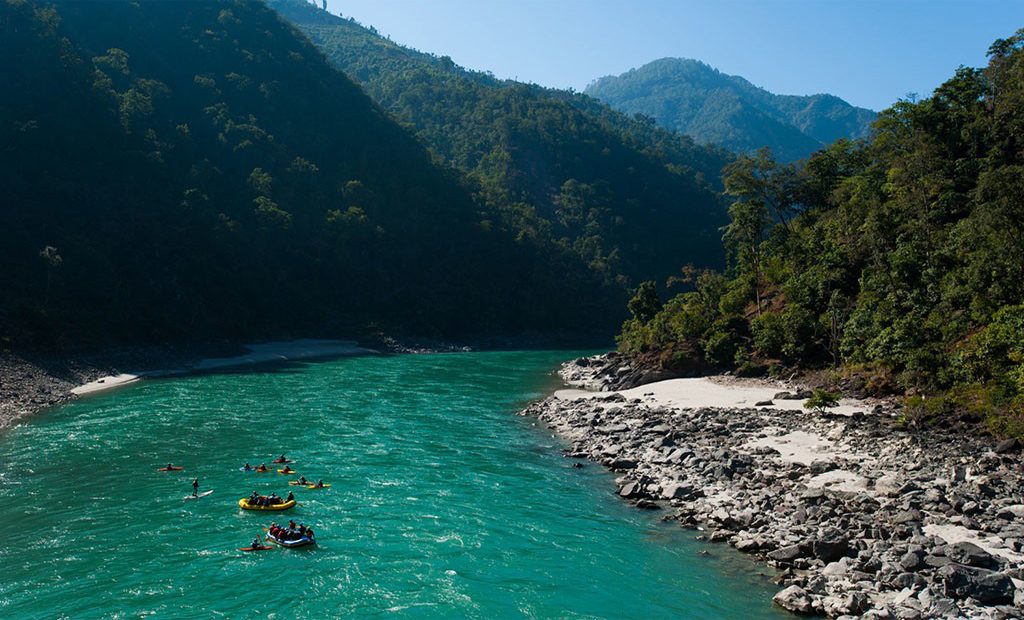
The Karnali River, Nepal’s longest and most pristine waterway, flows through the remote western region of the country, offering one of the finest multi-day whitewater rafting adventures in Asia. This 12-day rafting expedition is not only a thrilling descent through Class III to V rapids but also a profound journey through untouched natural beauty, remote villages, tropical forests, and vibrant wildlife habitats. Perfect for adventure seekers, nature lovers, and cultural explorers alike, Karnali River Rafting combines the adrenaline of river sports with the serenity of wilderness travel.
The river originates from the sacred Mount Kailash in Tibet and cuts through the rugged Mahabharat Range, carving deep gorges and lush valleys. It’s a lifeline for the far-western region of Nepal and an ecological treasure trove teeming with biodiversity. A rafting trip on Karnali promises a genuine off-the-beaten-path adventure where you’ll experience the raw beauty of Nepal far from the tourist crowds.
Overview of the Karnali River Rafting
Remote Adventure in Western Nepal
The Karnali River rafting trip is considered Nepal’s wildest and most rewarding rafting expedition. This is due to the isolation of the Karnali region and the river’s untamed nature. Unlike the Trishuli or Seti, which are easily accessible and frequented by day-trippers, the Karnali demands time, preparation, and a spirit of exploration. The journey begins with an overland trip or flight to Surkhet, followed by an off-road drive to the river put-in point at Sauli.
Over the course of the expedition, rafters tackle a series of challenging rapids with evocative names like “Jailhouse Rock,” “God’s House,” and “Flip and Strip.” Between the action-packed whitewater, there are plenty of serene stretches perfect for swimming, wildlife spotting, and simply soaking in the breathtaking landscapes.
Scenic and Cultural Richness
Rafting the Karnali isn’t just about the river itself—it’s also about discovering a region largely untouched by modernization. Along the way, you’ll pass through isolated villages, where ethnic Tharu and Magar communities still live traditionally. This allows for authentic cultural encounters that reflect Nepal’s rural charm. You’ll camp on beautiful riverbanks beneath the stars, dine on fresh-cooked meals, and share stories by the fire with your guides and fellow adventurers.
The river corridor is also rich in flora and fauna. The expedition concludes near the boundary of Bardia National Park, one of Nepal’s best-preserved wildlife reserves, where you might spot elephants, rhinoceroses, deer, crocodiles, and even elusive Bengal tigers if you choose to extend your trip with a jungle safari.
What to Expect on the Karnali Rafting Trip
Challenging Rapids and Safety Standards
The Karnali River features a range of rapids from moderate to advanced. The most intense rapids occur during the middle section of the journey, usually on Days 3 to 6. They range from Class III to Class V and demand precise maneuvering, teamwork, and expert guiding. Fortunately, experienced river guides ensure high safety standards with modern gear, rescue kayaks, and detailed safety briefings.
No previous rafting experience is required, but participants should be physically fit, comfortable in water, and prepared for active days of paddling and river camping. The itinerary is designed to balance action with recovery, giving rafters enough time to rest and enjoy the surroundings.
Daily Life on the River
Each day begins early with a hearty breakfast before packing up camp and preparing the rafts. Paddling sessions are interspersed with floating breaks, lunch stops, and occasional hikes to explore nearby villages or jungle trails. Campsites are typically located on sandy beaches or grassy riverbanks where you’ll pitch tents, enjoy sundowners, and savor freshly prepared meals under the stars.
The support team takes care of logistics, cooking, and equipment handling, allowing you to immerse yourself fully in the river experience. Nights are peaceful and quiet, accompanied by the sounds of flowing water and jungle wildlife.
Best Season and Travel Logistics
Ideal Season for Karnali River Rafting
The best time to raft the Karnali is from October to November and April to early June, when water levels are optimal, skies are clear, and temperatures are warm. Post-monsoon (autumn) trips offer higher water flow for adrenaline-pumping rapids, while pre-monsoon (spring) journeys present slightly lower water but lusher landscapes and more wildlife activity.
Access and Transportation
The expedition usually starts with a flight or drive to Nepalgunj, followed by a 4WD transfer to Surkhet or Sauli, depending on road conditions and river accessibility. The return journey after rafting can be arranged by driving to Chisapani and continuing back to Kathmandu via road or flight.
Travel logistics in this part of Nepal can be unpredictable due to road conditions, so some flexibility in the itinerary is essential. The isolation that makes Karnali so magical also makes it an expedition rather than a simple trip.
Jungle Safari in Bardia National Park
As a perfect extension to your rafting journey, Bardia National Park offers world-class wildlife safaris. Home to tigers, wild elephants, swamp deer, and gharials, this park is an excellent place to experience Nepal’s natural heritage up close. Jeep safaris, guided jungle walks, and river canoe rides can be added as optional excursions.
Cultural Interaction
On the way, you’ll pass through traditional Tharu villages where you can witness local farming life, dance performances, and artisan crafts. These interactions are respectful and enriching, allowing you to learn about Nepal’s diverse ethnic makeup.
Photography and Nature Exploration
The Karnali corridor is stunning for photography—from dramatic whitewater shots to serene sunsets and candid portraits of village life. Binoculars and field guides enhance wildlife spotting for nature lovers and bird watchers.
Company Services by The Himalayan Realms Treks and Expedition Nepal Pvt. Ltd.
We at The Himalayan Realms Treks and Expedition Nepal Pvt. Ltd. specialize in immersive, professionally guided adventure journeys across Nepal’s remote landscapes. For the 12-Day Karnali River Rafting Expedition, we offer:
Certified and experienced river guides with swift-water rescue training. Top-quality rafting gear, including rafts, paddles, helmets, dry bags, and life jackets. Support team, including safety kayakers and a chef. Comfortable camping gear (tents, mattresses, sleeping bags). All transportation and permits. Emergency evacuation assistance coordination. Full meals during the expedition, including fresh vegetables, meat, and vegetarian options. Cultural interpretation and eco-awareness guidance
Our commitment to sustainability and safety ensures that your Karnali experience is thrilling, culturally respectful, and environmentally sound. We support local communities and promote responsible adventure tourism across all our expeditions.
1. Trishuli River
Location: Near Kathmandu and Pokhara
Grade: III–IV, Duration: 1 to 3 days
Highlights: Ideal for beginners; easy access; scenic gorges and moderate rapids. Best For: First-time rafters and short adventure trips
2. Bhote Koshi River Rafting
Location: Close to the Tibetan border, about 3 hours from Kathmandu
Grade: IV–V. Duration: 1 to 2 days. Highlights: Steep and challenging rapids; continuous whitewater; beautiful mountain scenery. Best For: Thrill-seekers and experienced rafters
3. Seti River
Location: Near Pokhara
Grade: II–III. Duration: 2 days
Highlights: Warm water; gentle rapids; lush scenery; great for wildlife spotting. Best For: Families, beginners, and nature lovers
4. Kali Gandaki River
Location: Between Pokhara and the Mustang region
Grade: III–IV. Duration: 3 days
Highlights: Deep gorges, waterfalls, sacred Hindu sites, and exciting rapids. Best For: Those seeking a balance of culture, scenery, and adventure
5. Sun Koshi River (“River of Gold”)
Location: East of Kathmandu
Grade: III–V. Duration: 7 to 9 days
Highlights: Long expedition; changing landscapes from mountains to plains; big volume rapids. Best For: Multi-day adventure lovers and serious rafting enthusiasts
6. Karnali River
Location: Far western Nepal
Grade: IV–V, Duration: 10 to 12 days
Highlights: Remote wilderness; powerful rapids; wildlife; cultural encounters. Best For: Adventurous rafters looking for an off-the-beaten-path expedition
7. Tamur River
Location: Eastern Nepal
Grade: IV–V. Duration: 11 to 12 days (including trek-in)
Highlights: Trekking and rafting combo; mountain views; intense whitewater. Best For: Adventure seekers who love both trekking and rafting
8. Marshyangdi River Rafting
Location: Annapurna region, west of Kathmandu
Grade: IV–V. Duration: 4 to 5 days
Highlights: Continuous technical rapids; stunning mountain views; steep gradient; ideal for adrenaline seekers; remote and wild canyon scenery.
Conclusion
Karnali River Rafting is more than an adrenaline-filled adventure. It’s a transformational journey through one of Nepal’s most untouched and beautiful regions. Over 12 exhilarating days, you’ll challenge roaring rapids, sleep beneath starlit skies, and reconnect with nature. Along the way, discover ancient cultures and a deep sense of peace.
Whether you’re a seasoned rafter or a first-time adventurer, the Karnali River offers a once-in-a-lifetime experience. It will test your spirit and reward your soul. This journey is perfect for those who value remoteness, authenticity, and raw natural beauty.
Let The Himalayan Realms Treks and Expedition Nepal Pvt. Ltd. be your trusted guide. On the Karnali, every bend brings a new thrill. Each rapid carries the sound of adventure. And every evening by the riverbank feels like a step back in time. Join us and create memories that will last a lifetime.
Useful Info
Before You Go
1. Visa Requirements
Most travelers can get a visa on arrival at Tribhuvan International Airport or border entry points.
Bring passport-sized photos and USD for visa fees (15, 30, or 90 days).
Alternatively, apply online via Nepal’s Department of Immigration e-visa portal.
2. Best Time to Visit
October–November: Clear skies, best trekking season.
March–May: Warmer weather and blooming rhododendrons.
June–September: Monsoon season (great for cultural tours, less ideal for treks).
December–February: Cold in mountains, but fewer tourists.
3. Vaccinations & Health
Recommended: Hepatitis A/B, Typhoid, Tetanus, Rabies (if trekking or visiting rural areas).
Carry a basic medical kit and altitude sickness tablets for high-altitude treks.
Packing Essentials
Lightweight clothing for Kathmandu and the lowlands.
Warm layers for higher altitudes.
A down jacket, thermal wear, gloves, and a hat are essential for treks.
Sturdy trekking boots and a daypack.
Water purification tablets or a filtration bottle.
Headlamp, sunscreen, lip balm with SPF, and insect repellent.
Power bank and universal plug adapter.
While in Nepal
1. Respect Local Customs
Dress modestly—especially in villages and temples.
Remove shoes before entering homes or sacred spaces.
Avoid public displays of affection.
Use your right hand for giving and receiving items.
2. Greetings
A polite “Namaste” with palms together is the standard and respectful greeting.
3. Photography Etiquette
Ask permission before taking photos of people, especially monks, elders, or inside temples.
Pay attention to “no photo” signs in sacred places.
4. Food & Water
Try dal bhat, momos, and Newari cuisine.
Drink only bottled or filtered water.
Avoid raw vegetables and street food unless it looks clean and popular.
Money & Budgeting
Currency: Nepalese Rupee (NPR).
ATMs are widely available in cities but may charge fees.
Carry cash for rural areas and small purchases.
Tipping is appreciated in the tourism industry (10% is common in restaurants).
Trekking & Adventure Tips
1. Permits
Trekkers need permits like TIMS cards, ACAP, MCAP, or restricted area permits, depending on the route.
Use a registered trekking agency to handle logistics and permits.
2. Altitude Awareness
Ascend gradually, stay hydrated, and allow for acclimatization days.
Know the signs of Acute Mountain Sickness (AMS): headache, nausea, and dizziness.
Don't ignore symptoms—descend if needed.
3. Local Guides & Porters
Hiring local guides supports the economy and enhances safety.
Use ethical companies that follow fair wage and porter welfare practices.
Connectivity
Buy a local SIM card (Ncell or NTC) for cheap data and calls.
Wi-Fi is available in most hotels and cafes in Kathmandu, Pokhara, and other tourist hubs.
Top Places to Visit
Kathmandu Valley: Temples, palaces, and living heritage sites like Bhaktapur and Patan.
Pokhara: Lakeside town, paragliding, Annapurna base treks.
Chitwan National Park: Jungle safaris, wildlife spotting.
Lumbini: Birthplace of Buddha.
Trekking: Everest Base Camp, Annapurna Circuit, Langtang Valley, and offbeat routes like Kanchenjunga and Makalu.
Safety Tips
Avoid solo trekking in remote regions.
Register your itinerary with your embassy if traveling alone.
Be aware of local bandhs (strikes), which can affect transport.
Earthquakes are possible—know basic emergency protocols.
Responsible Tourism
Respect local culture and religion.
Avoid plastic where possible—Nepal struggles with waste management.
Support local businesses, homestays, and cooperatives.
Choose ethical tour operators with good environmental and labor practices.