

Trip overview
Overview: Kori Danda 7-day Trek
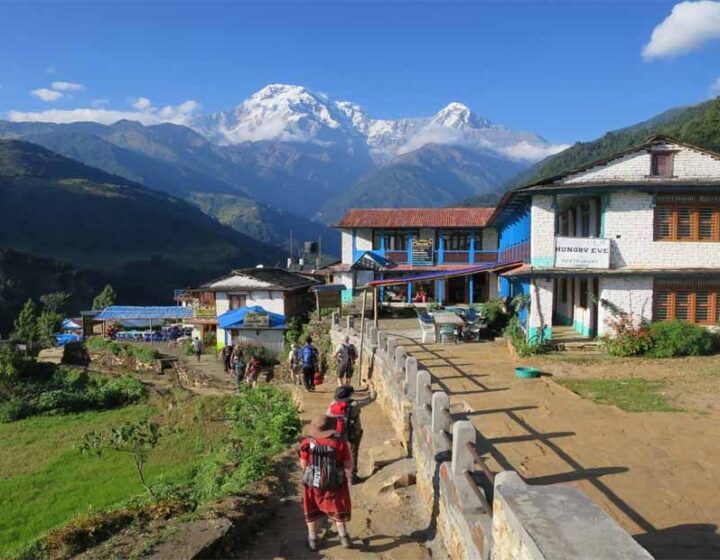
The Kori Danda Trek is a quiet Himalayan journey that takes trekkers into the peaceful heart of the Annapurna region, far from busy trails and crowded trekking routes. Rising above traditional Gurung villages and green forested hills, Kori Danda offers a special mix of open mountain views, local culture, and calm natural surroundings. This trek suits travelers who want a less-visited route where nature feels untouched and village life follows its daily pace. The trail slowly climbs from fertile hills to wide high-altitude grazing lands, rewarding trekkers with broad Himalayan views and a strong feeling of wilderness.
Introduction to the Kori Danda Trek
Unlike well-known treks such as Annapurna Base Camp or Ghorepani, the Kori Danda Trek is still less visited, which helps keep its natural beauty intact. This trek is not only about reaching one point but about enjoying the slow change in scenery, culture, and climate along the way. The trail passes stone-built villages, terraced fields, rhododendron forests, and open alpine meadows. Kori Danda itself is a natural viewpoint with wide views of Annapurna II, Lamjung Himal, and nearby snow-covered peaks. The quiet setting and remote feel make this trek very attractive to nature lovers and experienced trekkers.
Location of Kori Danda
Kori Danda is located in the northeastern part of the Annapurna region, above the traditional Gurung village of Sikles in Kaski District. The ridge sits at an altitude of about 3,800 meters and lies between the Lamjung Himal range and the main Annapurna mountains. This area is part of a large highland grazing land that local herders use during certain seasons. Since it is far from popular trekking routes, Kori Danda remains open and untouched, with rolling hills, wide pastures, and clear mountain views in every direction.
How to Reach Kori Danda and Transportation
The journey to Kori Danda begins in Kathmandu with a scenic overland drive to Pokhara by deluxe tourist bus. From Pokhara, a mountain road leads toward Sikles village, the main trailhead of the trek. This drive passes through rural countryside, river valleys, and hill settlements, gradually gaining altitude. From Sikles, trekking begins on foot, following traditional footpaths once used by villagers and herders. The absence of motorable roads beyond Sikles ensures that the trekking experience remains authentic and environmentally preserved. Return transportation follows the same route, bringing trekkers back to Pokhara and onward to Kathmandu.
Main Attractions and What We See
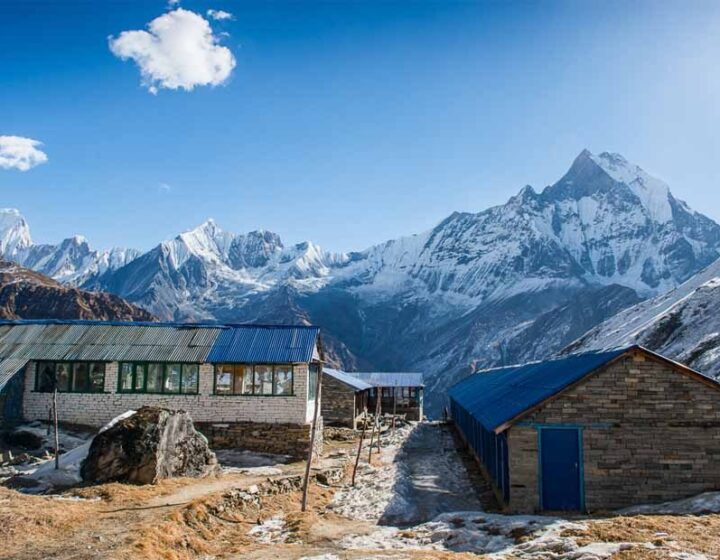
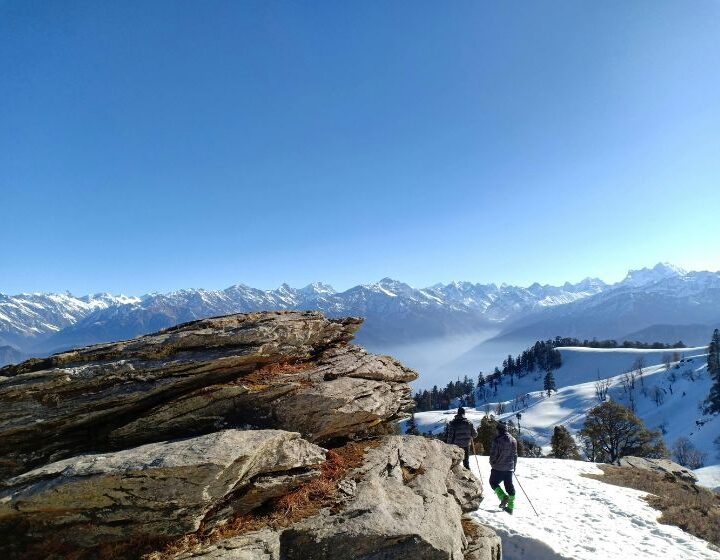
One of the strongest highlights of the Kori Danda Trek is its constantly changing scenery. The lower sections showcase fertile farmland, stone houses, and village life deeply rooted in tradition. As the trail climbs, dense forests of rhododendron, oak, and bamboo dominate the landscape. In spring, these forests burst into vibrant color as rhododendrons bloom in shades of red, pink, and white. Higher up, the terrain opens into wide alpine grasslands where yaks and sheep graze freely. From Kori Danda, trekkers enjoy sweeping views of Annapurna II, Lamjung Himal, Manaslu, and distant Himalayan ridgelines, especially stunning at sunrise and sunset.
Trek Difficulty and Physical Challenge
The Kori Danda Trek is considered a moderate trek, suitable for trekkers with reasonable fitness and some prior walking experience. While the trail does not involve technical climbing, it includes steady ascents and descents, particularly on the approach to Kori Danda. The altitude gain is gradual, allowing for proper acclimatization. Walking hours range from five to seven hours per day, depending on pace and trail conditions. The remoteness of the area means basic facilities, so trekkers should be comfortable with simple accommodation and mountain conditions. Overall, the trek balances physical challenge with rewarding scenery.
People and Local Communities
The trek passes primarily through Gurung settlements, especially Sikles, which is one of the largest Gurung villages in Nepal. The local people are known for their warm hospitality, strong community bonds, and proud cultural identity. Many families rely on agriculture, animal husbandry, and seasonal tourism for their livelihoods. Encounters with villagers often include friendly greetings, shared smiles, and opportunities to observe daily life. Unlike busier trekking routes, interactions here feel personal and genuine, giving trekkers insight into rural Himalayan living.
Culture, Lifestyle, and Religious Practices
Gurung culture is deeply woven into the Kori Danda trekking experience. Traditional stone houses, prayer flags, chortens, and small monasteries reflect a blend of Tibetan Buddhism and ancient animist beliefs. Daily life revolves around farming cycles, livestock care, and seasonal migration to higher pastures. Religious festivals, communal rituals, and respect for nature remain central to the community’s identity. Trekkers may witness prayer ceremonies, spinning prayer wheels, or hear monks chanting in village monasteries, offering a spiritual dimension to the journey.
Crowding and Trekking Traffic
One of the most appealing aspects of the Kori Danda Trek is its low level of crowding. Unlike popular Annapurna routes, this trail sees very few trekkers, even during peak seasons. The peaceful environment allows for quiet walking, uninterrupted photography, and a deeper connection with nature. Camps and lodges are rarely busy, making the experience feel exclusive and personal. For travelers seeking solitude and escape from mass tourism, Kori Danda is an excellent choice.
Flora and Fauna
The biodiversity along the Kori Danda trail is impressive due to its varied elevation range. Lower forests are rich with oak, pine, and bamboo, while higher elevations feature alpine shrubs and hardy grasses. Wildlife sightings may include Himalayan langurs, barking deer, and a variety of bird species such as pheasants and eagles. During spring, wildflowers carpet the meadows, adding color and fragrance to the landscape. The relatively undisturbed environment supports healthy ecosystems, making the trek appealing to nature enthusiasts.
Vegetation and Landscape Changes
Vegetation changes dramatically as the trail gains altitude. Subtropical greenery near Sikles gradually transitions into temperate forests, followed by subalpine zones and open highland pastures. Near Kori Danda, trees disappear almost entirely, replaced by wide grasslands and rocky terrain. These transitions highlight Nepal’s extraordinary ecological diversity within a short vertical distance. Each zone brings new textures, colors, and sensations, keeping the trekking experience visually engaging throughout.
Atmosphere and Overall Experience
The atmosphere of the Kori Danda Trek is calm, expansive, and deeply refreshing. The absence of crowds, traffic noise, and commercial infrastructure allows trekkers to fully immerse themselves in the natural surroundings. Mornings are crisp and quiet, evenings are peaceful under star-filled skies, and days are filled with wide views and fresh mountain air. The trek encourages slow travel, reflection, and appreciation of simple moments, making it as mentally rewarding as it is physically engaging.
Best Time to Do the Kori Danda Trek
The best seasons for the Kori Danda Trek are spring (March to May) and autumn (September to November). Spring offers blooming rhododendrons, mild temperatures, and clear views, while autumn provides stable weather, crisp air, and excellent mountain visibility. Winter trekking is possible but colder at higher elevations, while the monsoon season brings lush greenery but increased rainfall and leeches in lower areas. Choosing the right season enhances both safety and enjoyment.
Connection to Other Trekking Routes
Kori Danda is not an isolated trail; it connects naturally with other trekking routes in the Annapurna region. The area can be linked with Sikles–Kapuche Lake routes, extended Lamjung Himal treks, or even longer exploratory circuits for experienced trekkers. This connectivity allows for flexible itinerary design and multi-route adventures, making Kori Danda an excellent addition to customized trekking programs.
Why Join the Himalayan Realms Treks for Kori Danda Trek
Choosing The Himalayan Realms Treks and Expedition Nepal Pvt. Ltd. ensures a professionally guided, culturally respectful, and safety-focused trekking experience. With decades of trekking expertise, local knowledge, and responsible tourism values, the company provides experienced guides, ethical porter support, and carefully planned itineraries. Their strong relationships with local communities enhance cultural interaction while ensuring benefits reach the villages. Personalized service, flexible planning, and deep regional insight make Himalayan Realms an ideal partner for exploring lesser-known routes like Kori Danda.
Conclusion
The Kori Danda Trek is a journey into Nepal’s quieter Himalayan landscapes, where nature, culture, and solitude blend harmoniously. From traditional Gurung villages to high alpine ridges, the trek offers a rewarding balance of scenery, challenge, and authenticity. Its uncrowded trails, rich biodiversity, and panoramic mountain views make it a standout choice for trekkers seeking something beyond mainstream routes. When explored with The Himalayan Realms Treks, Kori Danda becomes more than a trek—it becomes a meaningful Himalayan experience rooted in respect, discovery, and lasting memories.
Itinerary
Altitude: 1,400 m / 4,593 ft
The journey begins early in the morning, usually around 7:00 AM, with a comfortable deluxe tourist bus drive from Kathmandu to Pokhara. The road follows the Trishuli and Marsyangdi rivers, offering scenic views of green hills, terraced farmland, and rural villages. Along the way, short stops are made for meals and refreshments. As the road gradually descends, the air becomes warmer and more relaxed. By late afternoon, you arrive in Pokhara, surrounded by lakes and Himalayan foothills. Evening time is free to explore Lakeside and prepare for the trek.
Altitude: 1,980 m / 6,496 ft
After breakfast, the drive starts around 8:00 AM from Pokhara toward Sikles village. The road winds through scenic countryside, crossing rivers and climbing steadily into the mid-hills of the Annapurna region. As you gain altitude, traditional Gurung settlements, terraced fields, and forested slopes appear. The drive takes several hours and ends at Sikles, one of the largest Gurung villages in Nepal. From here, views of Annapurna II, Lamjung Himal, and surrounding ridges dominate the horizon. The evening is spent walking through the village and experiencing local culture.
Altitude: 2,600 m / 8,530 ft
The trek begins around 8:30 AM after breakfast. The trail ascends gradually through stone-paved paths, terraced farmland, and dense rhododendron and oak forests. As you move higher, village sounds fade, replaced by birdsong and mountain silence. Occasional clearings offer views back toward Sikles and the surrounding valleys. The walk is steady but manageable, making it a good acclimatization day. By afternoon, you reach Tasha, a peaceful grazing area surrounded by forests and open hillsides. The cool mountain air and quiet atmosphere make the overnight stay relaxing and refreshing.
Altitude: 3,800 m / 12,467 ft
Today is the most rewarding day of the trek, starting around 8:00 AM. The trail climbs steadily above the tree line, opening into wide alpine meadows and rolling ridges. As altitude increases, the landscape becomes more rugged and dramatic. Snow-capped peaks begin to dominate the skyline, including Annapurna II, Lamjung Himal, and Manaslu on clear days. Yaks and sheep are often seen grazing along the trail. By afternoon, you reach Kori Danda, a high viewpoint with breathtaking 360-degree mountain panoramas and a strong sense of wilderness.
Altitude: 2,600 m / 8,530 ft
The day starts early, around 6:00 AM, to enjoy sunrise views from Kori Danda. As the first light touches the Himalayan peaks, the scenery becomes unforgettable. After breakfast, the descent begins, retracing the trail back toward Tasha. Walking downhill is easier, allowing more time to enjoy the changing perspectives of the mountains and valleys. Alpine meadows slowly give way to forests as you lose altitude. The air becomes warmer, and breathing feels easier. By mid-afternoon, you arrive back at Tasha for a restful overnight stay.
Altitude: 1,980 m / 6,496 ft
After breakfast, the trek begins around 8:30 AM, descending gradually toward Sikles village. The trail passes through familiar forests of rhododendron and oak, with occasional viewpoints overlooking deep valleys. As you approach lower elevations, signs of village life return, including farmland and grazing areas. The sound of running streams and distant village activity becomes noticeable again. By early afternoon, you reach Sikles, where traditional stone houses and friendly locals welcome you back. The rest of the day is free to relax, explore the village, and reflect on the high-mountain experience.
Altitude: 1,400 m / 4,593 ft
The return drive begins around 8:00 AM after breakfast. The road descends steadily from Sikles toward Pokhara, offering final views of terraced hills, rivers, and rural settlements. The drive feels relaxing after several trekking days, and the warmer climate becomes noticeable as altitude decreases. By early afternoon, you arrive in Pokhara. The rest of the day is free for rest, sightseeing, or enjoying Lakeside cafés. Many trekkers choose to visit Phewa Lake or simply relax, enjoying the comfort of the city after days in the mountains.
Altitude: 1,400 m / 4,593 ft
The journey back to Kathmandu starts around 7:00 AM by deluxe tourist bus. The road follows river valleys and rolling hills, offering scenic countryside views throughout the day. Short stops are made for meals and refreshments. Compared to trekking days, this is a restful travel day, allowing time to reflect on the journey. By late afternoon or early evening, you arrive in Kathmandu. After checking into your hotel, the evening is free for shopping, dining, or relaxing before departure.
Altitude: 1,400 m / 4,593 ft
Depending on your flight schedule, airport transfer is arranged, usually 3 hours before departure. As you drive through Kathmandu, memories of the Kori Danda Trek come together—quiet forests, high ridges, mountain views, and warm village hospitality. The journey concludes with a sense of achievement and connection to Nepal’s lesser-known Himalayan landscapes. This marks the end of your trek and services, with hopes of welcoming you again for another adventure in the Himalayas.
Included
- All airport, hotel airport transfers.
- 2-night hotel in Kathmandu
- 2-night hotel in Pokhara
- Tourist deluxe Bus fare from Kathmandu to Pokhara
- Pokhara to Siklish Jeep Transfare
- Conservatiom and TIMS permit
- Accommodation in the tea house
- Food, Tea/coffee during trek.
- Guide: – including salary, insurance, equipment, flight, food and lodging.
- Porter: – including salary, insurance, equipment, food and lodging.
- For guest: -Down jacket, Good sleeping bag (down jacket and sleeping bag are to be returned after trip completion).
- Transfer from Siklish to Pokhara
- Transfer from Pokhara to Kathmandu by deluxe tourist bus
- Transfer from Nayapul to Pokhara
- Final departure from hotel to international airport transfer.
Not Included
- Food in Kathmandu ( Lunch & Dinner). Kathmanmdu and Pokhara.
- Bakery food during the trek.
- Nepal Visa fee.
- International airfare.
- Extra night accommodation in Kathmandu.
- Travel and rescue insurance if guest get mountain sickness and need to rescue helicopter.
- Personal expenses example (phone calls, laundry service , bar bills, battery recharge, WIFI charge, extra porters, bottle water or boiled water, shower etc.)
- Tips for guide and porters
Join Us Upcoming Trips
Book this trip with us. Here are the upcoming dates. Feel free to share this trip with your friends and family. For custom trips or general inquiries contact us.
| Departure Date | Trip Duration | Price | Status | |
|---|---|---|---|---|
| 22 March, 0026 | 7 days | USD $1240 | Fixed departure | |
| 09 March, 2026 | 7 days | USD $1240 | Fixed departure | |
| 15 March, 2026 | 7 days | USD $1240 | Fixed departure | |
| 24 March, 2026 | 7 days | USD $1240 | Fixed departure | |
| 05 April, 2025 | 7 days | USD $1240 | Fixed departure | |
| 08 April, 2026 | 7 days | USD $1240 | Fixed departure | |
| 14 April, 2026 | 7 days | USD $1240 | Fixed departure | |
| 21 March, 2026 | 7 days | USD $1240 | Fixed departure | |
| 28 April, 2026 | 7 days | USD $1240 | Fixed departure | |
| 03 May, 2026 | 7 days | USD $1240 | Fixed departure | |
| 10 May, 2026 | 7 days | USD $1240 | Fixed departure | |
| 05 February, 2026 | 7 days | USD $1240 | Fixed departure |
Useful Info
Location
Kori Danda is located in the northeastern part of the Annapurna region, above the traditional Gurung village of Sikles in Kaski District. The ridge lies between the Lamjung Himal range and the greater Annapurna massif, at the edge of high-altitude grazing land. Because the area sits away from mainstream trekking routes, it remains quiet, open, and largely untouched by mass tourism.
How High We Reach
The highest point of the Kori Danda Trek is approximately 3,800 meters (12,470 feet). At this elevation, trekkers experience cooler temperatures and thinner air, but altitude-related risks remain manageable with a steady pace and proper acclimatization. The ridge offers wide panoramic views without the extreme altitude of high Himalayan passes.
How Difficult Is the Trek
The Kori Danda Trek is considered moderate in difficulty. The trail includes gradual forest walks as well as steeper uphill sections near the ridge. Daily walking time usually ranges from five to seven hours. No technical skills are required, but good physical fitness and previous hiking experience are helpful due to the remote terrain and limited infrastructure.
What We Pack
Trekkers should pack layered clothing suitable for changing mountain weather, including warm jackets for higher elevations. Good trekking boots, a rain jacket, gloves, a hat, and sun protection are essential. Because facilities are basic, personal items such as a headlamp, water purification tablets, basic first aid, and toiletries are important. A sleeping bag is recommended, especially for colder nights at higher camps.
What We See
The trek rewards walkers with dramatic mountain scenery, including views of Lamjung Himal, Annapurna II, Annapurna IV, Machhapuchhre, and Hiunchuli. Forest trails pass through rhododendron and oak woods, while upper sections open into alpine meadows and grazing pastures. Traditional Gurung villages, prayer flags, and seasonal herder shelters add strong cultural character to the journey.
Best Time to Do the Trek
The best seasons for the Kori Danda Trek are spring (March to May) and autumn (September to November). Spring brings blooming rhododendron forests and mild temperatures, while autumn offers stable weather and clear mountain visibility. Winter trekking is possible but colder, and monsoon months are less suitable due to rain and slippery trails.
Short Briefing: What to Expect
The Kori Danda Trek is a peaceful Himalayan journey through forests, high pastures, and Gurung settlements, leading to a scenic ridge at nearly 3,800 meters. It offers sweeping mountain views, cultural encounters, and a quiet atmosphere away from crowded trails. This trek is ideal for trekkers seeking natural beauty, moderate challenge, and authentic village life in the Annapurna region.
FAQs
-
Where is Kori Danda located?
Kori Danda is located in the northeastern part of the Annapurna region, above the Gurung village of Sikles in Kaski District. The trek starts from Pokhara and leads into a quiet highland area between the Lamjung Himal range and the Annapurna massif.
-
How high is Kori Danda?
The maximum elevation of Kori Danda is approximately 3,800 meters (12,470 feet). This height offers excellent mountain views without extreme altitude risk.
-
How difficult is the Kori Danda Trek?
The trek is moderate in difficulty. It involves daily walks of five to seven hours with some steep uphill sections. No technical climbing skills are required, but a good level of fitness is recommended.
-
How many days are needed for the trek?
The Kori Danda Trek usually takes 5 to 7 days, depending on the route, walking pace, and starting point.
-
What type of accommodation is available?
Accommodation is basic. In lower villages, trekkers stay in local homestays. In higher areas, simple lodges or herder shelters are used. Facilities are limited but clean and welcoming.
-
What kind of food is available during the trek?
Meals are simple and mostly local, including dal bhat, rice, potatoes, vegetables, noodles, and tea. Food options become more limited at higher elevations.
-
What permits are required?
Trekkers need the Annapurna Conservation Area Permit (ACAP) and a TIMS card, as required for trekking in the Annapurna region.
-
What should I pack for the trek?
Essential items include warm layered clothing, trekking boots, rain gear, a sleeping bag, headlamp, water purification, sun protection, and basic first aid supplies.
-
Can this trek be combined with other routes?
Yes. The Kori Danda Trek can be combined with Sikles village treks or extended toward Kapuche Lake or other nearby Annapurna routes.
-
Who is this trek best suited for?
This trek is ideal for nature lovers, photographers, and trekkers seeking a peaceful Himalayan experience away from busy tourist trails.