

Trip overview
Langtang Gosainkunda Helambu 15-Day Trek
Introduction
Via Melamche, Gaun, Tarkeghayn, and Sermathang
The Langtang, Gosainkunda, and Helambu trekking route is in the Langtang region; this trek via Tarke Ghyan and Sermathang offers an unparalleled expedition through one of Nepal’s most cherished Himalayan territories. This integrated journey weaves together natural majesty, cultural depth, spiritual richness, and ecological diversity into a single trekking experience. Travelers embarking on this path traverse serene valleys, glacial lakes, alpine meadows, sacred monasteries, and vibrant villages nestled among the towering peaks of the central Himalayas. The area is famed for its hospitable locals, sacred sites, and captivating panoramas, making it one of the most frequented and admired trekking belts in the country.
Overview of the Region
The combined Langtang-Gosainkunda-Helambu trail connects three prominent trekking circuits into one cohesive adventure. Langtang Valley, sometimes referred to as the “Valley of Glaciers,” boasts remarkable scenery, hospitable communities, and Tibetan-influenced traditions. Gosainkunda, a cluster of alpine lakes revered by both Hindus and Buddhists, offers a spiritually profound experience amid high-altitude wilderness. Helambu, famous for its scenic ridges and gentle trails, is culturally rich with Sherpa and Tamang settlements.
This trek is ideal for those seeking a balance of nature, culture, and devotion. The route is moderately demanding and can be completed in roughly 14–17 days, depending on pace and itinerary variations.
Geographical Location
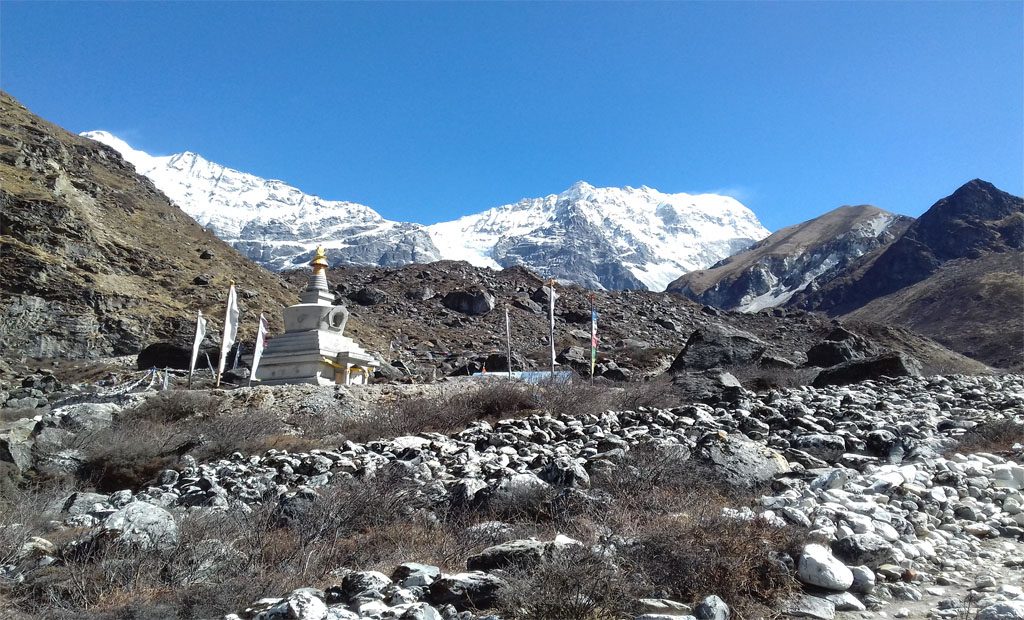
The region lies to the north of Kathmandu, in Nepal’s Bagmati Province. It falls under the jurisdiction of Langtang National Park, the first Himalayan national park of Nepal, established in 1976. Stretching close to the Tibetan border, this protected area encompasses dramatic landscapes ranging from lush forests and river valleys to snow-covered passes and glacial basins. The trek typically begins from Syabrubesi, a small settlement reachable by road, and follows a looping route through the Langtang Valley, Kyanjin Gompa, Gosainkunda Lake, and finally to the Helambu region, ending near Sundarijal or Melamchi.
Access and Transportation
Reaching the trailhead is straightforward. From Kathmandu, travelers embark on a 6–8 hour overland drive north to Syabrubesi. This journey winds through terraced hillsides, riverside settlements, and rugged mountain roads, giving a taste of rural Nepalese life. Private jeeps, public buses, and tourist coaches operate regularly between Kathmandu and Syabrubesi. The return trip usually concludes in Sundarijal or Melamchi Pul Bazaar, both connected by road to the capital.
Local Communities and Ethnicities
The region is primarily inhabited by Tamang, Sherpa, and Hyolmo ethnic groups, each possessing their own language, customs, attire, and architectural styles. Their cultural practices are steeped in Tibetan Buddhism, with a strong presence of chortens, mani walls, prayer flags, and monasteries (known locally as gumbas). In addition to their religious devotion, the local populations are known for their welcoming nature, resilience, and deep connection to the land.
Hospitality is an inherent part of the community ethos. Visitors often receive warm greetings, homemade butter tea, and traditional meals such as dhindo, gundruk, and tsampa. Folk dances, festivals, and Buddhist rituals provide insight into their time-honored traditions.
Accommodation and Lodging Options
Trekkers will find a variety of lodging facilities ranging from rustic homestays to comfortable guesthouses and well-equipped lodges. In larger settlements like Syabrubesi, Lama Hotel, Langtang Village, Kyanjin Gompa, Thulo Syabru, and Chisapani, trekkers can enjoy rooms with attached bathrooms, solar-heated showers, and Wi-Fi services (though limited). In higher or more remote areas such as Laurebina and Gosainkunda, lodgings are simpler, offering basic rooms, communal dining halls, and traditional wood-fired stoves.
All accommodations serve hearty meals, including rice dishes, noodle soups, Tibetan bread, porridge, eggs, and seasonal vegetables. Tea houses are family-run and often double as cultural centers, where travelers and hosts share stories over a warm fire.
Religious and Sacred Aspects
Spirituality pervades the landscape. Gosainkunda Lake is the most sacred landmark along the route, believed to have been created by Lord Shiva with his trident to quench his thirst after consuming poison. Every August, during the festival of Janai Purnima, thousands of Hindu pilgrims ascend to the lake to perform ritual ablutions and offer prayers. The area is also venerated in Buddhist traditions, associated with Guru Rinpoche (Padmasambhava), who meditated here.
Monasteries such as Kyanjin Gompa and Sing Gompa serve as places of spiritual practice and community gathering. Prayer wheels, stupas, and monasteries dot the trail, infusing the journey with a deep sense of devotion and introspection.
Cultural Lifestyle
Life in the Langtang-Gosainkunda-Helambu corridor revolves around agriculture, animal husbandry, trade, and tourism. People grow crops like barley, millet, potatoes, and buckwheat on terraced fields. Yaks and mules are common and used for transport and dairy production. Despite the influence of modern trekking, many communities have preserved their indigenous ways of life.
Daily activities include farming, weaving, prayer rituals, and communal gatherings. Colorful attire, particularly during festivals like Losar (Tibetan New Year), adds vibrancy to village life. Storytelling, oral traditions, and woodcraft remain important aspects of cultural expression.
Flora and Fauna
The trail cuts through diverse ecological zones, each home to a rich variety of plant and animal species. In the lower belt, dense forests of oak, maple, pine, and rhododendron dominate the landscape. As the path ascends, flora transitions to juniper shrubs, alpine mosses, and hardy grasses that thrive in high-altitude environments.
Wildlife sightings are possible throughout the trek. Trekkers may spot red pandas, Himalayan black bears, musk deer, langurs, and an array of pheasants, including the colorful danphe, Nepal’s national bird. Langtang National Park is a recognized biodiversity hotspot, drawing ecologists and nature lovers alike.
Vegetation Patterns
Vegetation changes with elevation. The journey begins in subtropical forests and ascends through temperate woodlands to alpine meadows and tundra landscapes. In spring, rhododendron blooms turn the hillsides into a canvas of red, pink, and white. Medicinal herbs like yarshagumba, kutki, and jatamansi are found in the higher altitudes and are harvested with great care by locals.
This gradient in plant life reflects not just elevation but also climatic variation, rainfall patterns, and soil types—offering trekkers a live showcase of Himalayan botany.
Atmosphere and Climatic Conditions
The region experiences four distinct seasons. Spring (March to May) and autumn (September to November) are ideal for trekking, offering crystal-clear skies, pleasant daytime temperatures, and magnificent views of peaks such as Langtang Lirung, Dorje Lakpa, Ganesh Himal, and Manaslu. During monsoon season (June to August), trails become slippery and prone to landslides, though the valleys become lush and vibrant. Winter brings cold but clear weather, with snow at higher elevations.
Despite the challenges, the atmosphere is peaceful and rejuvenating. Morning sunrises bathe the mountains in gold, while twilight brings silence broken only by distant chants, rustling leaves, or yak bells.
One of Nepal’s Most Beloved Trekking Destinations
The Langtang-Gosainkunda-Helambu route has gained popularity due to its accessibility, cultural depth, and environmental richness. Unlike the Everest and Annapurna regions, this trail sees fewer crowds, offering a quieter, more intimate experience. The trail offers impressive elevation gains, diverse ecosystems, and authentic village life, all without the need for domestic flights.
Its recognition as a premier trekking zone is further bolstered by its resilience—following the 2015 earthquake, local communities have rebuilt their lodges and restored trails, demonstrating strength and unity. Today, it welcomes trekkers from around the globe seeking both adventure and connection.
Trekking with Tour Operators and Independent Guides
Whether joining a registered company like The Himalayan Realms Treks and Expedition Nepal Pvt. Ltd. or hiring an experienced local guide, trekkers can expect professionalism, safety, and deep local knowledge. Licensed companies manage logistics, permits, porters, transportation, meals, and emergency services. Their staff often includes multilingual guides with first-aid training and years of field experience.
For those preferring a more flexible and immersive option, Nepal’s freelance trekking guides provide personalized service. Many of these guides hail from Langtang and Helambu themselves, offering firsthand insights into regional folklore, trail shortcuts, and cultural etiquette. They also contribute directly to the local economy, fostering sustainable travel.
Combining organized support with the cultural fluency of freelance guides results in a well-rounded experience—both safe and spiritually enriching.
conclusion
The Langtang, Gosainkunda, and Helambu trek is more than just a physical journey. It’s a passage through the heart of Nepal’s Himalayan heritage. Snow-dusted ridgelines, sacred lakes, stone-carved villages, and forested trails create a vivid and spiritual landscape. This region offers a soul-stirring mix of natural beauty and cultural depth. It’s a sanctuary for travelers seeking peace, wisdom, and transformation.
You might find solace in the stillness of Gosainkunda or feel the thrill of crossing high mountain passes. You may discover warmth around a Tamang hearth or joy in the rhythm of village life. The trek offers a deeply personal and unforgettable experience. For those drawn to less commercialized paths, this journey into Langtang’s soul is a story waiting to unfold.
Itinerary
The journey from Kathmandu to Syabrubeshi by local bus begins early in the morning, usually around 6:30 AM, from the Machhapokhari Bus Park in Balaju. This scenic eight-hour drive covers approximately 117 kilometers, gradually transitioning from the bustling cityscape of Kathmandu to the quiet foothills of the Himalayas.
As the bus weaves out of the Kathmandu Valley, travelers are treated to panoramic views of terraced hills, pine-covered ridges, and distant Himalayan peaks. The road climbs and descends along winding mountain passes, offering a dramatic visual shift from urban life to rural tranquility. The ride follows the Trishuli River for much of the way, with its gushing waters flanked by dense forests, rocky cliffs, and occasional suspension bridges.
A major highlight of the journey is the lunch stop at Trishuli Bazaar, a lively riverside town nestled beside the Trishuli River. Here, travelers can enjoy a simple but satisfying Nepali meal—typically dal bhat, vegetables, and pickles—while stretching their legs and soaking in the riverside scenery. Local vendors often sell seasonal fruits and snacks, adding color and flavor to the break.
As the bus continues its climb, the road becomes narrower and more rugged, surrounded by terraced fields and small Tamang and Gurung settlements. Occasionally, you may spot monkeys in the trees or yaks grazing on the slopes. By late afternoon, the vehicle finally reaches Syabrubeshi (1,460 meters), the gateway to the Langtang Valley, where cooler mountain air and serene village life await.
After an early breakfast at Syabrubesi (elevation: 1,460 meters / 4,790 feet), the trek begins around 7:00 AM. The journey to Lama Hotel is a scenic and adventurous day, covering approximately 7 hours through lush river valleys, cascading waterfalls, and traditional Tamang settlements.
The trail initially descends and crosses a suspension bridge over the Bhote Koshi River. It then follows the Langtang Khola upstream, winding through dense subtropical forests filled with rhododendrons, oak, and bamboo. Early in the trek, you’ll pass the small settlement of Domen, where locals sometimes sell fruits and drinks to trekkers. As the trail ascends gently, you’ll encounter Pairo Thapla (around 1,790 meters / 5,873 feet), an ideal spot for a brief rest or lunch. Some trekkers prefer to have lunch a little ahead at Bamboo (1,970 meters / 6,463 feet), a shaded riverside area with teahouses nestled in a bamboo forest.
The journey continues through serene woodland where you might spot langurs, red pandas, and Himalayan birds. The trail is often moist and shaded, with the sound of the Langtang River constantly accompanying your steps. Occasional landslide areas require careful footing.
By late afternoon, you arrive at Lama Hotel, situated at an elevation of 2,470 meters / 8,103 feet. Surrounded by forested hills, this peaceful village offers warm hospitality in simple lodges. The day's trek is both refreshing and moderately challenging, providing a perfect introduction to the beauty of the Langtang Valley.
The trek from Lama Hotel to Mundu begins around 7:00 AM after breakfast. This segment of the Langtang, Gosainkunda & Helambu trek takes about 6 to 7 hours, gradually ascending through serene alpine forests and into high mountain terrain. As you follow the Langtang Khola upstream, the trail winds through pine, maple, and rhododendron forests, rich in birdlife and offering occasional glimpses of the Langtang range.
Midway, you’ll reach Ghodatabela—a wide, grassy opening where you can rest and enjoy lunch. From here, the landscape shifts. The trees thin out, revealing panoramic views of towering snow peaks like Langtang Lirung (7,227m). Villages along the way, such as Thangshyap and Chyamki, showcase traditional Tamang culture with stone houses, mani walls, and prayer flags fluttering in the mountain breeze.
The spiritual essence of the Langtang, Gosainkunda & Helambu trek is felt deeply in this section, with small stupas and prayer wheels marking your passage. In the afternoon, you’ll reach Mundu (3,430m), a peaceful village that lies beyond the site of the old Langtang Village, destroyed in the 2015 earthquake.
Mundu offers several teahouse accommodations, simple yet warm and welcoming. Rooms are basic with twin beds, blankets, and shared toilets. Communal dining halls serve hot meals and provide a cozy setting to relax. As dusk falls, the surrounding peaks glow with golden light—an unforgettable moment in the heart of the Himalayas.
The trek from Mundu to Kyanjin Gompa is one of the most scenic and rewarding sections of the Langtang Valley trek. Most trekkers begin the journey after an early breakfast around 7:00 AM. The distance from Mundu to Kyanjin Gompa is approximately 5.5 kilometers (3.4 miles) and takes about 3 to 4 hours, depending on your pace and acclimatization level.
The trail gradually ascends, offering mesmerizing views of snow-capped peaks such as Langtang Lirung, Yubra Himal, and Tsergo Ri. Along the way, you pass through yak pastures, small stone-built settlements, and Buddhist chortens. Mani walls and fluttering prayer flags add a spiritual ambiance to the landscape. If the weather is clear, you’ll enjoy excellent panoramic Himalayan vistas throughout the hike.
The trail is moderately difficult, mainly due to the increasing altitude, as Kyanjin Gompa lies at 3,870 meters (12,697 feet). While the path itself is not technically challenging, some trekkers may feel shortness of breath or mild fatigue due to the thinner air. It's advisable to walk slowly and stay well-hydrated.
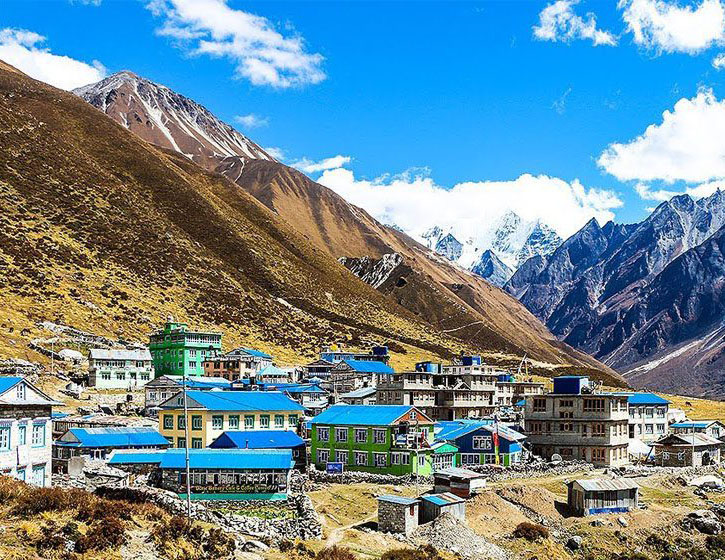
Kyanjin Gompa is a picturesque village nestled in a wide glacial valley, surrounded by towering peaks. It is home to an ancient Buddhist monastery and a popular yak cheese factory. Accommodation in Kyanjin Gompa ranges from basic teahouses to slightly more comfortable lodges, offering clean rooms, warm blankets, and hearty meals. This village serves as the perfect base for day hikes to Tsergo Ri or Langshisha Kharka
Early in the morning, adventurers in Kyanjin Gompa often rise before dawn to hike up Either Kyanjin Ri (4,773m) or Tserko Ri (also spelled Cherko Ri, 5,033m). These viewpoints offer breathtaking panoramic views of the Langtang range, including Langtang Lirung, Yala Peak, Dorje Lakpa, and Shishapangma on a clear day. The hike to Kyanjin Ri takes around 2 to 3 hours round-trip, while Tserko Ri is more demanding and can take 5 to 6 hours. Both summits reward trekkers with a stunning Himalayan sunrise and a quiet moment of reflection above the valley.
After descending to Kyanjin Gompa, a hearty breakfast awaits at the guesthouse. Following the meal, the return trek to Lama Hotel begins. This descent retraces the trail through Langtang Village, Ghodatabela, and dense forests rich with rhododendrons, pine, and oak trees. Along the way, one might spot langurs, Himalayan monals, or even musk deer. The trail passes traditional Tamang settlements, prayer wheels, chortens, and mani walls, offering cultural glimpses along with natural beauty.
The downhill walk takes about 6 to 7 hours, depending on pace. Although it's easier physically than the ascent, the constant descent can be tough on the knees, so trekking poles are useful. The overnight stay at Lama Hotel offers warm hospitality, a hot meal, and a peaceful rest near the Langtang River—marking the end of an unforgettable high-mountain experience.
After an early breakfast at Lama Hotel (2,470m), the trek to Thulo-Syabru Gaun (2,200m) begins with a gentle descent through thick forests of oak, rhododendron, and bamboo. The trail is filled with the sound of the Langtang Khola (river) and the chirping of Himalayan birds. As you walk downhill, you may encounter grey langurs, red pandas, or various birds like Danphe and Himalayan monal, especially in the quieter stretches of forest.
After about 2 to 3 hours, you reach Pairo (1,700m) or Bamboo, a popular stop for tea or a short rest. From here, instead of continuing directly toward Syabrubesi, you take a steep uphill trail that branches off toward Syabru Gaun. This section is more challenging, with continuous ascents through terraced hillsides and pine forests. The climb offers spectacular views of the Ganesh Himal and Langtang ranges as you ascend.
After another 3 to 4 hours of climbing, you finally reach the charming village of Syabru Gaun, known for its well-preserved Tamang culture, traditional houses, and panoramic mountain scenery. The village sits perched on a ridge, providing sweeping views of deep valleys and high peaks. You’ll find several comfortable lodges offering basic yet cozy accommodation and home-cooked meals.
In total, the trek takes around 6 to 7 hours, depending on fitness and rest stops. Syabru Gaun is not only a beautiful resting place but also a cultural highlight, offering insight into the daily life and traditions of the Tamang community.
The trek from Thulo Syabru to Cholangpati via Mukharka typically begins around 7:00 AM after an early breakfast. This section of the journey is moderately challenging, involving a steady uphill climb through lush forests and alpine terrain. Trekkers should be prepared for a continuous ascent, especially after passing the village of Mukharka, where the trail becomes steeper and more rugged.
The route winds through dense rhododendron and pine forests, home to langurs, Himalayan monals (Danphe), and other bird species. In spring, the blooming rhododendrons add vibrant colors to the landscape. As you ascend, the tree line starts to thin, offering wider mountain views. On a clear day, you can enjoy stunning glimpses of Langtang Lirung and Ganesh Himal ranges. Mukharka serves as a peaceful mid-point, ideal for short rest and photography.
After a few more hours of ascent, you reach Cholangpati, a high-altitude settlement perched above the forest line. Located at approximately 3,650 meters (11,975 feet), Cholangpati is a small seasonal stopover with basic teahouse accommodation. These lodges offer simple twin-sharing rooms, warm meals, and hot drinks to help acclimatize in the cold, thin air. The atmosphere is tranquil, surrounded by Himalayan silence and pine-scented breeze.
This day's trek usually takes 6 to 7 hours, depending on pace and rest breaks. Due to the increasing elevation, it's important to walk steadily, stay hydrated, and avoid overexertion. Cholangpati is also a good place for acclimatization before heading toward Gosainkunda.
The trek from Cholang Pati to Gosainkunda is a breathtaking journey that starts early in the morning, typically around 6:30 to 7:00 AM, after a light breakfast. The trail ascends gradually at first and becomes steeper as you move past Lauribina Yak (3,920 m), one of the most scenic points on the route. From here, the path winds through alpine terrain and rocky ridges, offering dramatic mountain vistas.
This section is moderately challenging due to the altitude and steady climb. As you ascend, you may feel the effects of thinner air, so a slow, steady pace with plenty of hydration is essential. However, the well-marked trail and open views make it a manageable and rewarding hike for fit trekkers.
Along the way, trekkers are treated to panoramic views of the Langtang Himal, Ganesh Himal, and distant peaks of the Tibetan plateau. You’ll pass through high alpine meadows scattered with prayer flags and possibly encounter Himalayan wildlife like yaks or mountain goats. The spiritual atmosphere intensifies as you approach the sacred lakes.
Gosainkunda (4,380 m) is home to a cluster of pristine glacial lakes, with the main lake believed to have been created by Lord Shiva. The serene blue waters surrounded by rugged peaks create a mystical setting. Accommodation at Gosainkunda consists of simple teahouses offering basic rooms with shared facilities. Though rustic, they provide hearty meals, warm drinks, and cozy blankets for the chilly high-altitude nights, ensuring trekkers get much-needed rest.
The trek from Gosainkunda (4,380 m) to Ghopte (3,430 m) is a long, challenging, and rewarding journey that typically begins early in the morning around 6:30 to 7:00 AM after a light breakfast. This segment of the Langtang-Gosainkunda-Helambu trail takes 7 to 8 hours, crossing high alpine terrain, steep ascents and descents, and eventually entering dense forests as the altitude decreases.
The most demanding part of the day is the Lauribina La Pass (4,610 m), the highest point on this route. The trail to the pass is steep and can be snow-covered or icy depending on the season, requiring cautious footing and strong physical endurance. After conquering the pass, the trail descends sharply along rocky ridgelines and exposed slopes before gradually entering rhododendron and pine forests.
Along the way, trekkers are treated to breathtaking views of the Langtang Himal, Ganesh Himal, and Manaslu ranges, as well as stunning panoramas of the lake basin below. As you descend further, the landscape transforms from alpine wilderness to subalpine forest. The area is rich in birdlife, and with luck, you may spot Himalayan tahr or musk deer.
Ghopte is a small settlement nestled in a quiet forested area. Accommodation is basic, with a few simple teahouses offering dorm-style rooms, warm meals, and hot drinks. It's a peaceful, rustic place ideal for resting after the physically intense day. This stage is considered difficult due to the pass and the long trekking hours, but it is also one of the most scenic and memorable sections of the trail.
The journey from Ghopte (3,430 m) to Melamche Gaun (2,560 m) via Thadepati (3,600 m) begins early in the morning, around 7:00 AM, after breakfast. The trail takes about 6 to 7 hours in total, depending on pace and weather conditions, and is of moderate difficulty with some short steep ascents and long forested descents.
From Ghopte, the trail climbs steadily through dense rhododendron and pine forests to reach the ridge-top viewpoint of Thadepati, which offers some of the best panoramic views of the Dorje Lakpa, Gauri Shankar, and Langtang ranges. The lunch stop is at Thadepati, where a few teahouses offer hot meals and warm drinks. It’s an excellent place to rest and take in the stunning mountain scenery.
After lunch, the trail descends steeply through lush forests, with occasional glimpses of Helambu village terraces and rolling hills. The walk continues through tranquil woodlands filled with birdsong and sometimes monkeys or Himalayan pheasants. You’ll also pass several mani walls and chortens, marking the strong spiritual presence in the region.
Melamche Gaun is a beautiful and culturally rich Tamang village, perched on a hillside and surrounded by terraced farms. The village offers simple teahouse accommodations, with basic but comfortable rooms, home-cooked food, and warm hospitality. The atmosphere is peaceful and authentic, giving a close look at Tamang lifestyle, traditional architecture, and Buddhist heritage. The trek offers a wonderful blend of mountain scenery, forest landscapes, and cultural immersion.
The trek from Melamche Gaun to Tarke Ghyang is a delightful journey through the serene and culturally rich Helambu region. Trekkers usually begin the day early around 7:00 AM after breakfast, descending slightly from Melamche Gaun and crossing a suspension bridge over the Melamchi Khola. The trail then ascends steadily through thick forests of rhododendron, oak, and pine. This segment offers a moderately challenging walk due to its uphill gradient, but the well-defined trail and fresh mountain air make it pleasant and manageable for most trekkers.
Along the way, trekkers are rewarded with stunning views of terraced farmlands, Buddhist chortens, and traditional prayer flags fluttering in the breeze. Small Sherpa and Hyolmo settlements along the route reflect the spiritual and cultural heritage of the region. The peaceful landscape, marked by quiet monasteries and vibrant prayer walls, adds a meditative quality to the journey.
The walk to Tarke Ghyang usually takes 5 to 6 hours, depending on pace and rest stops. Tarke Ghyang itself is one of the largest and most charming villages in Helambu. It is known for its ancient monastery, traditional stone houses, and warm hospitality. The village sits at around 2,600 meters, offering cool mountain weather and expansive views.
Accommodation in Tarke Ghyang includes comfortable teahouses and homestays, providing basic yet cozy lodging and delicious local meals. This village is an excellent place to rest, explore local Buddhist traditions, and enjoy the tranquility of the Himalayas.
The trek from Tarke Ghyang to Sermathang is a scenic and relatively easy day, offering a blend of cultural exploration and natural beauty. Trekkers usually start around 7:30 AM after breakfast. The trail gently ascends and descends through lush forests of pine and rhododendron, with occasional views of distant snow-capped peaks and charming villages tucked into the hillsides.
This section of the trail is not steep, making it ideal for a relaxing walk. Along the way, trekkers pass through traditional Hyolmo villages like Gangyul, where stone houses and carved wooden windows reflect the region’s rich cultural heritage. The path is dotted with mani walls, chortens, and prayer flags, reinforcing the spiritual essence of the Helambu area.
As you approach Sermathang, the trail opens up to broader landscapes, with views of terraced fields and distant valleys. The walk takes approximately 4 to 5 hours, making it one of the more leisurely days on the trek. Sermathang sits at an altitude of about 2,590 meters and is known for its large monastery, friendly locals, and panoramic views of the Langtang Himal, Ganesh Himal, and even glimpses of the Everest range on clear days.
Accommodation in Sermathang consists of teahouses and homestays offering basic yet comfortable lodging with warm meals. The village is peaceful and inviting, providing a perfect setting to unwind and reflect on the journey. It’s also a center for Buddhist culture, where travelers can learn more about local rituals and monastic life.
The final day of the trek begins with an early morning departure from Sermathang around 7:00 AM. The trail from Sermathang to Kakani is a gentle descent through dense forests, terraced fields, and scattered settlements. The walk is easy and pleasant, taking about 3 to 4 hours. Along the way, trekkers can enjoy the serene beauty of the Helambu region, with glimpses of traditional lifestyle, small chortens, and the distant shimmer of the Himalayas gradually giving way to lower hill landscapes.
Kakani, located at around 2,030 meters, is a peaceful hill village and serves as a scenic endpoint to the trek. Upon arrival, trekkers are treated to a warm lunch at a local teahouse or restaurant, where they can relax and reflect on the journey. The lunch includes freshly prepared Nepali dishes such as dal bhat, vegetables, and local pickles, often served with stunning views of the surrounding hills.
After lunch, the group boards a private vehicle for the drive back to Kathmandu. The drive takes approximately 4 to 5 hours, passing through picturesque countryside, small towns, and forested hills. The road is winding but offers lovely scenery throughout the descent.
Reaching Kathmandu marks the end of the Langtang–Gosainkunda–Helambu trek. The transition from the tranquil mountain trails to the bustling capital city is both nostalgic and rewarding, bringing the trekking adventure to a comfortable and memorable close.
On your final day in Nepal, depending on your flight schedule, our representative will escort you from your hotel in Kathmandu to Tribhuvan International Airport (TIA). We recommend preparing at least three hours before your departure time to ensure a smooth and timely check-in process. The drive from central Kathmandu to the airport typically takes 20 to 30 minutes, depending on traffic conditions.
As you leave your hotel, there’s often a feeling of nostalgia. The vibrant chaos of Kathmandu—its bustling streets, colorful prayer flags, and ever-present mountain backdrop—lingers in your memory. During the drive, you may pass familiar sights like the Boudhanath Stupa, Pashupatinath Temple, or the historic old quarters of the city one last time.
Upon arrival at the airport, our staff will assist you with luggage and ensure you find your terminal. Tribhuvan International Airport has dedicated counters for international departures, where you'll go through security screening, immigration, and boarding procedures. While you wait, there are small duty-free shops, coffee counters, and lounges where you can relax before your flight.
This marks the conclusion of your adventure with The Himalayan Realms Treks and Expedition Nepal Pvt. Ltd. We sincerely thank you for trekking with us and exploring the beauty, culture, and spirituality of Nepal. We hope you carry home unforgettable memories and stories to share. Our team looks forward to welcoming you again for another incredible journey through the majestic Himalayas. Safe travels and goodbye—for now!
Included
- 2 Night accommodation in Kathmandu with a B/B basis plan
- Kathmandu to Syabrubeshi transfer by bus.
- All airport and hotel transfers
- National permit & TIMS permit ( Trekking Information Management System)
- Accommodation, food and tea/coffee during the trek
- Guide:- including salary, insurance, equipment, flight, food, and lodging
- Porter:- including salary, insurance, equipment, food, and lodging
- Sundari Jal to Kathmandu transportation by private vehicle
- All government and local taxes
- For guest:-Down jacket, Good sleeping bag (down jacket and sleeping bag are to be returned after trip completion)
Not Included
- Food in Kathmandu Lunch & Dinner)
- Bakery food during the trek. When you eat in the bakery that you need to pay by yourself
- Nepal Visa fee
- International airfare from your country to Kathmandu and from Kathmandu
- Extra night accommodation in Kathmandu
- Travel and rescue insurance if the guest gets mountain sickness and needs to rescue helicopter.
- Personal expenses example (phone calls, laundry service, bar bills, battery recharge, extra porters, bottle or boiled water, shower etc)
- Tips for guide and porters
Join Us Upcoming Trips
Book this trip with us. Here are the upcoming dates. Feel free to share this trip with your friends and family. For custom trips or general inquiries contact us.
| Departure Date | Trip Duration | Price | Status | |
|---|---|---|---|---|
| 25 September, 2025 | 15 days | USD $1485 | Fixed departure | |
| 12 October, 2025 | 15 days | USD $1485 | Fixed departure | |
| 15 November, 2025 | 15 days | USD $1485 | Fixed departure | |
| 05 December, 2025 | 15 days | USD $1485 | Fixed departure | |
| 15 March, 2026 | 15 days | USD $1485 | Fixed departure | |
| 12 April, 0206 | 15 days | USD $1485 | Fixed departure | |
| 25 April, 2026 | 15 days | USD $1485 | Fixed departure | |
| 10 May, 2026 | 15 days | USD $1485 | Fixed departure |
Useful Info
The Langtang–Gosainkunda–Helambu trek is a classic
Himalayan route that merges natural grandeur, sacred
pilgrimage sites, and rich mountain culture. It begins north of Kathmandu and traverses through Langtang National Park, the sacred Gosainkunda Lakes, and the beautiful Helambu region, finally descending towards Sundarijal or Melamchi.
Trek Duration
Minimum: 12 days
Ideal: 15–17 days for a full circuit
Add-ons: Tserko Ri hike from Kyanjin (4,984m), Side trip to Ama Yangri viewpoint (3,800m) in Helambu
Maximum Altitude
Laurebina Pass: 4,610 meters (15,125 feet)—highest point of the trek
Kyanjin Ri or Tserko Ri side hikes: Up to ~5,000 meters
Trek Difficulty
Grade: Moderate to Challenging
Challenges: Altitude gain, Laurebina La crossing, Long descents to Helambu
Recommended for: Fit trekkers with prior experience at altitude
Required Permits
Langtang National Park Entry Permit – NPR 3,000 (foreigners), NPR 1,500 (SAARC)
TIMS Card – NPR 2,000 (individual trekkers), NPR 1,000 (through agency)
Local Area Permit (Helambu area) – ~NPR 1,000
Note: Carry passport-sized photos and a copy of your passport.
Accommodation
[caption id="attachment_3879" align="alignnone" width="720"] Syabrubeshi[/caption]
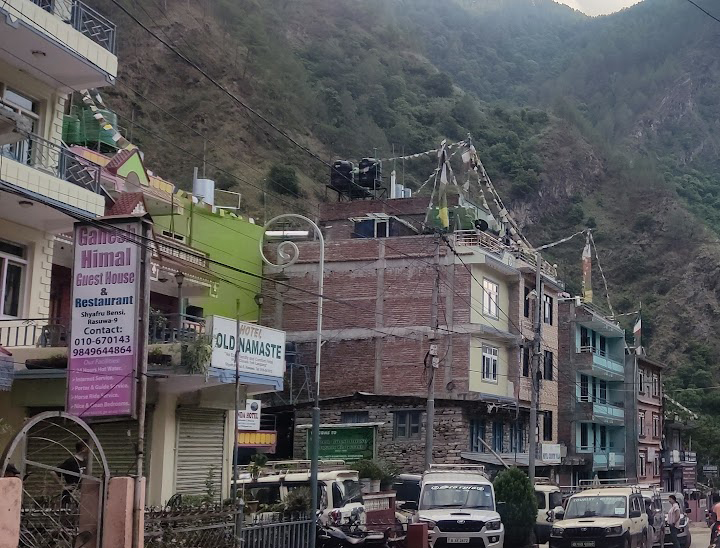
1. Syabrubeshi: Syabrubesi, the gateway to the Langtang Valley, offers a range of accommodation options catering to the needs of trekkers and travelers. Whether you’re starting your journey into the Himalayas or winding down after a trek, Syabrubesi provides a comfortable and welcoming stay. accommodations now feature attached toilets and hot showers, a much-appreciated luxury after a long day on the trail. This makes it especially convenient for trekkers who seek both comfort and privacy.
In terms of food, Syabrubesi is well-equipped. Most lodges provide a hearty menu with both local and international options. Dal Bhat, fried rice, noodles, soups, pancakes, eggs, and Tibetan bread are commonly available. Freshly prepared meals with hygienic cooking practices are the norm in the better lodges. Vegetarian meals are widely available, and special dietary needs can often be met upon request.
Overall, Syabrubesi offers comfortable and practical lodging to suit various traveler needs.
2. Lama Hotel, nestled in the forested Langtang Valley, offers basic yet comfortable lodging for trekkers. The rooms are clean and well-maintained, providing a good night’s rest after a day’s hike. While the facilities are modest, most lodges have normal shared toilets and provide hot showers, which are a welcome relief in the chilly mountain air. The peaceful setting, surrounded by rhododendron and oak forests, adds to the experience. Though amenities are simple, the warmth of the local hospitality and the serene atmosphere make Lama Hotel a pleasant stop on the way to Langtang Valley.
3. Munduk Accommodation
In Munduk, you’ll find charming guesthouses and eco-lodges offering good rooms with allthe essentials for a comfortable stay. Most rooms come with an attached private toilet and a reliable hot shower, perfect for refreshing after a day of exploring the nearby waterfalls, rice terraces, and spice plantations. The atmosphere is quiet and peaceful, surrounded by lush greenery and cool mountain air. Many lodges are family-run, providing warm hospitality and delicious home-cooked Balinese meals. With clean bedding, spacious interiors, and lovely views of the hills, the accommodation in Munduk ensures a restful retreat in nature’s embrace.
Kyanjin Gompa
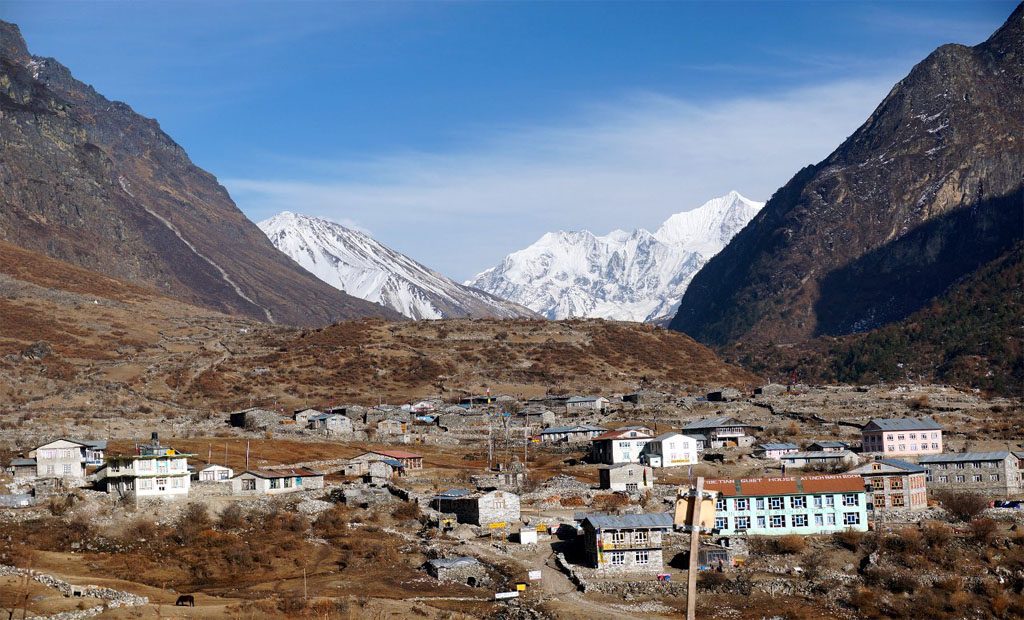
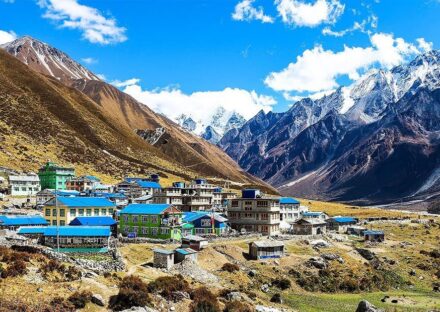
[caption id="attachment_1363" align="alignnone" width="1024"]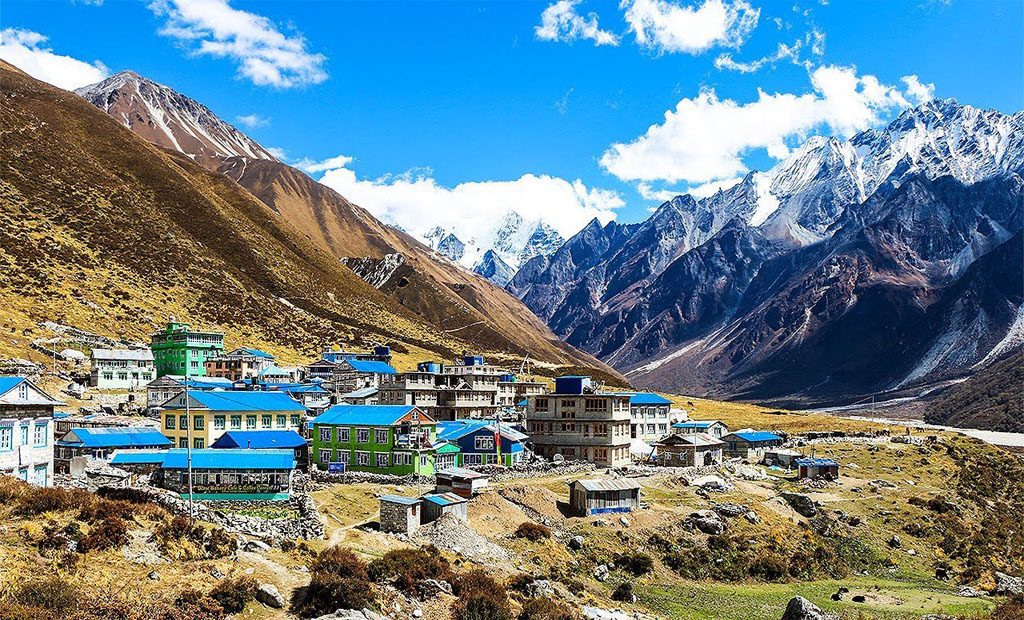 kyanjin Gumpa[/caption]
Accommodation:
Kyanjin Gompa offers good rooms with attached toilets and hot showers, making it one of the more comfortable stops in the Langtang Valley. Most teahouses and lodges in the village provide clean and cozy rooms with basic furnishings, warm blankets, and stunning mountain views. While amenities are simple, the availability of a private bathroom and a reliable hot shower is a welcome luxury at this altitude. After long trekking days, travelers appreciate the comfort, peaceful environment, and hospitality of the local Tamang hosts. Surrounded by snow-capped peaks, Kyanjin Gompa is a serene place to rest and acclimatize.
Thulo Syabru Accommodation:
Thulo Syabru offers comfortable accommodation options with good rooms that often include attached toilets and hot showers. The village has several teahouses and lodges run by friendly locals, providing trekkers with clean bedding, warm blankets, and a cozy atmosphere. Having a private bathroom and access to hot water is a welcome feature after a long day on the trail. The lodges are typically built in traditional style with wooden interiors, adding a homely charm. Set on a hillside, Thulo Syabru also rewards guests with sweeping views of the surrounding forested hills and distant snow-covered peaks.
Cholang Pati Accommodation
Cholang Pati provides basic but adequate accommodation for trekkers on the way to Gosainkunda. Rooms are generally simple and clean, offering essential comfort with warm blankets and sturdy bedding. While the rooms are normal and modest in size, the hospitality of the lodge owners ensures a welcoming atmosphere. Toilets are shared and basic but maintained with care. One of the appreciated features here is the availability of a good hot shower, which is especially refreshing in the cool mountain climate. Surrounded by forests and open landscapes, Cholang Pati offers a peaceful overnight stop in the heart of nature.
Gopsainkunda accommodates
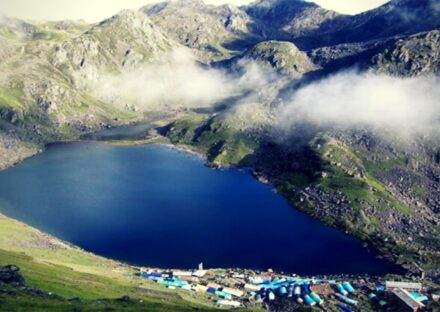
[caption id="attachment_1365" align="alignnone" width="1024"]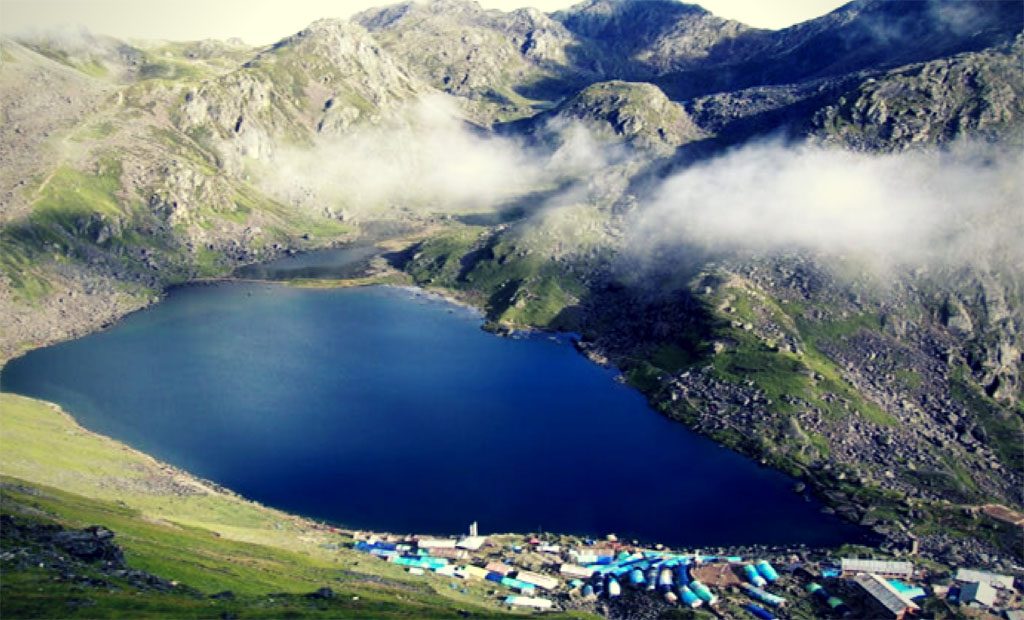 Gosainkunda holy lake[/caption]
At Gosainkunda, trekkers will find basic teahouse lodges offering normal rooms with essential facilities. Rooms are simple but clean, usually furnished with wooden beds, mattresses, and warm blankets. Toilets are mostly shared and basic but functional. Despite the high altitude and remote location, some lodges offer good hot showers, which are highly appreciated after a cold day’s trek. The atmosphere is peaceful and spiritual, with views of the sacred lakes and surrounding peaks. While facilities are modest, the natural beauty and serene setting of Gosainkunda make it a memorable place to rest and experience mountain hospitality.
Ghopte: The hotel offers a basic and budget-friendly stay ideal for trekkers or travelers seeking simple accommodation. The rooms are normal in size and provide essential furniture such as a bed, table, and blanket. While the hotel does not provide hot showers, cold water is available for washing. The toilet facilities are shared and of a standard type, kept reasonably clean for daily use. Though modest, the atmosphere is welcoming and quiet, making it suitable for those who prioritize affordability over luxury. Meals are available on request, and the staff are friendly and helpful, ensuring a pleasant stay despite the limited amenities.
Malamche Goun: Melamche Gaon offers a good hotel with comfortable accommodation for trekkers and visitors. The rooms are clean and well-maintained, featuring attached toilets for added privacy and convenience. Guests can enjoy the comfort of a hot shower, which is especially refreshing after a long day of trekking. The hotel provides a warm and welcoming atmosphere, with friendly staff ready to assist with meals and other needs. Basic amenities are available to ensure a pleasant stay, and the serene mountain surroundings add to the overall experience. This is an ideal place to rest while exploring the Helambu or Langtang region.
Tarke Ghayang: Tarke Ghyang offers a good hotel that provides comfortable and clean rooms with attached toilets and hot showers, making it a convenient stop for trekkers exploring the Helambu region. The rooms are well-kept, offering basic furnishings and cozy bedding to ensure a restful night's sleep. Hot showers are available, providing much-needed relief after a long day on the trail. The hotel is known for its warm hospitality, peaceful setting, and delicious home-cooked meals. Surrounded by traditional Sherpa culture and stunning mountain views, it’s a great place to relax and enjoy the charm of this beautiful village.
Sermathang: Sermathang features a good hotel offering clean and comfortable rooms with attached toilets and hot showers, ideal for trekkers seeking a restful stay. The rooms are modest yet cozy, equipped with basic furniture and warm bedding. After a day of walking, the hot shower provides welcome comfort. The hotel staff are friendly and attentive, ensuring a pleasant experience for all guests. Situated in a scenic location, the hotel also offers beautiful views of the surrounding hills and villages. With good food, peaceful surroundings, and essential amenities, it’s a perfect place to unwind in the Helambu region.
Type: Teahouses and guesthouses, Facilities: Basic rooms (2 beds), shared toilets, solar hot showers (extra charge), food (Dal Bhat, noodles, pancakes, Tibetan bread, tea, coffee). Availability: Good in all villages including Syabrubesi, Lama Hotel, Langtang Village, Kyanjin, Laurebina, Thulo Syabru, Melamchi Gaon, and Tarkeghyang
What to Pack
Warm layered clothing (for cold mornings and high passes)
Waterproof gear (for sudden weather shifts)
Sleeping bag (up to -10°C comfort)
Headlamp, water purifier/tablets, trekking poles, and basic first aid
Snacks and cash (no ATMs on the trail)
Highlights
Spectacular views of Langtang Lirung, Dorje Lakpa, Ganesh Himal, and Manaslu
Sacred Gosainkunda lakes – a pilgrimage site during Janai Purnima
Quiet trails through yak pastures and forests
Interaction with Tamang and Sherpa communities
Scenic descent through Helambu’s terraced hills and Buddhist villages
Trekking with Agency or Guide
Local agencies like The Himalayan Realms Treks and Expedition Nepal Pvt. Ltd. offer fully guided packages with transportation, permits, guides, porters, and accommodation arranged. Hiring local guides supports the economy and ensures safety in high passes.
Download pdf brochure
FAQs
-
What is the Langtang, Gosainkunda, and Helambu Trek via Melamchi Gaon, Tarkeghyang, and Kakani?
This trek combines three popular trekking regions in central Nepal—Langtang Valley, the sacred lakes of Gosainkunda, and the culturally rich Helambu region. The route descends through Melamchi Gaon and Tarkeghyang before ending near Kakani, offering diverse terrain, local culture, and panoramic Himalayan views.
-
How long does this trek take?
The full trek usually takes 15 to 18 days, depending on the pace, side trips, and acclimatization needs.
-
What is the highest elevation reached on this trek?
The highest point is Laurebina Pass (Lauribina La) at an altitude of 4,610 meters (15,125 feet).
-
What level of fitness is required?
A moderate to high level of fitness is required. The trail includes steep ascents, high-altitude passes, and long trekking days. Prior trekking experience is recommended but not mandatory.
-
When is the best time to do this trek?
Spring (March to May) and Autumn (September to November) are ideal due to clear skies and stable weather. Winter is possible but cold at higher altitudes. Monsoon (June to August) is not recommended due to heavy rain and slippery trails.
-
What kind of accommodations are available?
Teahouses and lodges are available along the entire route. They offer basic but comfortable rooms, hot meals, and charging options (sometimes at a cost).
-
Do I need permits for this trek?
Yes, you’ll need the following: TIMS Card (Trekkers’ Information Management System) Langtang National Park Entry Permit These can be obtained in Kathmandu or through your trekking agency.
-
What kind of wildlife and flora can be seen?
You may encounter: Red pandas, langurs, Himalayan tahr, and various bird species. Forests of rhododendron, pine, fir, and oak dominate lower altitudes. Alpine meadows and rocky terrain appear at higher elevations.
-
How do I start and end this trek?
How do I start and end this trek?
-
Can I charge my electronics during the trek?
Yes, most teahouses offer charging facilities for a small fee. Bring a power bank and multi-pin adapter as electricity can be limited or solar-powered.
-
What is the mobile or Wi-Fi coverage like?
Mobile coverage is intermittent, especially in high passes and remote villages. Some teahouses offer Wi-Fi, but it may be slow or costly.
-
Are there ATMs along the route?
No. ATMs are only available in Kathmandu or Dhunche/Syabrubesi. Carry enough cash (Nepali rupees) for the entire trek.
-
Why choose this trek over others?
This route offers: A combination of natural beauty, spirituality, and ethnic culture Less commercialized trails compared to Annapurna or Everest regions High-altitude lakes, sacred sites, and scenic alpine villages