

Trip overview
Overview: Gosainkunda-Helambu 10 –day Trek
Introduction
The Gosaikunda–Helambu Trek is one of Nepal’s most spiritually enriching and scenically diverse trekking routes. Winding through the heart of Langtang National Park, this journey brings trekkers close to sacred alpine lakes, traditional Tamang and Sherpa villages, and vibrant rhododendron forests. It combines the cultural richness of the Helambu region with the natural splendor of the Gosaikunda high-altitude lakes. TRekkers not only witness Nepal’s high Himalayan beauty but also, moreover, immerse themselves in centuries-old rituals, village life, and biodiverse forest trails. Therefore, the Gosaikunda–Helambu trek is ideal for those who seek both nature and inner tranquility
About the Gosaikunda–Helambu Trek
The trek usually spans 10 to 14 days and is a moderately challenging route. Whether starting from Dhunche or Sundarijal near Kathmandu, the trek gradually ascends through lush oak and rhododendron forests; eventually, it leads toward the sacred Gosaikunda Lakes, situated at an altitude of 4,380 meters. After exploring the lakes, the trail leads to the Helambu region, a cultural hotspot inhabited by the Hyolmo (Helambu Sherpa) people.
This journey offers a unique combination of alpine lake pilgrimage, remote Himalayan villages, Buddhist monasteries, terraced fields, and panoramic views of peaks like Langtang Lirung, Ganesh Himal, and Dorje Lakpa, and even glimpses of Manaslu and Annapurna on clear days. Ancient stone paths, suspension bridges, yak pastures, and forested ridges are dotted along the trail.
Location
The Gosaikunda–Helambu trail lies within Langtang National Park in central Nepal, north of Kathmandu. Gosaikunda itself is a high-altitude alpine lake located in Rasuwa District, while Helambu lies across Sindhupalchowk and Nuwakot Districts. The trailhead is accessible by road from Kathmandu, typically through Dhunche or Sundarijal, both within a day’s drive. The entire region is protected within the national park, ensuring a well-preserved natural and cultural environment.
The trek traverses elevations ranging from 1,400 meters (Sundarijal) up to 4,610 meters (15,125 feet) (Lauribina Pass), allowing trekkers to experience multiple climate zones and ecosystems in a single journey.
The People
The Gosaikunda–Helambu trail is home to several ethnic groups, including Tamangs, Sherpas (specifically Helambu Sherpas or Hyolmo), and Brahmin-Chhetris at the lower elevations. Each community brings its own language, dress, customs, and lifestyle. The Tamangs, with their Tibetan-influenced culture, dominate areas around Dhunche and Chandanbari. Their architecture, dialects, and Buddhist traditions are evident in daily life.
As trekkers descend into the Helambu region, they meet the Hyolmo people. Though Buddhist, the Hyolmo have a distinct identity from other Sherpa groups. They are known for their hospitality and strong spiritual devotion. The Helambu Sherpas live in well-organized villages, surrounded by apple orchards and stone homes. They speak a unique dialect and preserve ancient rituals rooted in Tibetan Buddhism.
Religious and Spiritual Significance
Gosaikunda holds immense religious importance for both Hindus and Buddhists. According to Hindu mythology, the lake is said to have been created by Lord Shiva to cool his burning throat after poison was consumed by him. As a result, many people consider Gosaikunda sacred, especially during the Janai Purnima festival in August. Thousands of Hindu devotees travel here to bathe in its icy waters, believing that the ritual will purify their sins and grant blessings.
For Buddhists, Guru Rinpoche (Padmasambhava) meditated in the region, linking the area to his spiritual legacy. Along the trail, several Buddhist monasteries and chortens stand proudly, and local Sherpas and Tamangs actively revere the lake as a spiritual site.
In Helambu, Tibetan Buddhism shapes the religious atmosphere, with monks maintaining active monasteries, prayer flags fluttering in the breeze, and mani walls guiding trekkers through each settlement. Lamas perform daily rituals, and locals celebrate festivals such as Losar (Tibetan New Year) with grandeur.
Lifestyle and Culture
Daily life in the Gosaikunda–Helambu region revolves around farming, herding, religious practice, and increasingly, tourism. Locals grow crops like maize, potatoes, barley, and millet, depending on the altitude. Yak and sheep herding are common in higher areas, especially near Laurebina and Ghopte.
Life here is simple. Most villages rely on wood fires and solar energy. Communities are close-knit. Seasonal festivals, religious rituals, and social harmony play a central role. Homes are traditionally made from stone and wood. They are often decorated with prayer flags and Buddhist symbols.
Traditional songs, dances, and stories are passed down through generations. Visitors are warmly welcomed into homes or teahouses. There, local foods like dhindo, gundruk soup, and Tibetan bread are served.
Flora and Fauna
Langtang National Park, through which the Gosaikunda–Helambu Trek winds its way, is one of Nepal’s most diverse ecological treasures. Spanning varied altitudes, it shelters over 1,000 species of plants, more than 160 species of birds, and around 30 species of mammals
Langtang National Park, through which the Gosaikunda–Helambu Trek winds its way, is one of Nepal’s most diverse ecological treasures. Spanning varied altitudes, it shelters over 1,000 species of plants, more than 160 species of birds, and around 30 species of mammals.
The journey begins in lush subtropical forests, where towering oak, pine, and maple mingle with vibrant rhododendron trees that burst into color each spring. As the trail climbs higher, these dense woodlands gradually give way to windswept alpine shrubs and golden grasslands, perfect grazing grounds for yaks.
Wildlife sightings add to the adventure. Trekkers may encounter playful langurs leaping through the trees, sure-footed Himalayan tahr navigating rocky slopes, or the rare red panda foraging quietly in the undergrowth. Musk deer often appear in the early morning light, and, for the truly fortunate, the mysterious snow leopard might reveal itself in the distance.
Additionally, birdwatchers will find the park equally enchanting, as vivid Himalayan monals—the national bird of Nepal—share the skies with rosefinches, tragopans, and other highland species, all of which fill the air with color and song.
Vegetation and Biodiversity:
The range of altitudes along this trek supports varying vegetation belts:
Lower Hills (1,400–2,500m): Dense forests of oak, chir pine, and ferns. Mid-Range (2,500–3,800m): Rhododendron, fir, and hemlock dominate. High Altitude (Above 4,000m): Alpine scrub, moss, and lichen-covered rocks near Gosaikunda and the Laurebina Pass.
In spring (March–May), the trail becomes a corridor of color due to blooming rhododendrons and wildflowers, attracting butterflies and birds. In autumn, the skies are clear and the mountains crisp against a blue sky, ideal for photography and trekking.
Atmosphere and Trekking Experience
What makes the Gosaikunda–Helambu trek so unique is its peaceful yet dramatic environment. From the moment you step onto the trail, the atmosphere shifts from the noise of the city to the serene whisper of forests and the soft prayers echoing from distant monasteries.
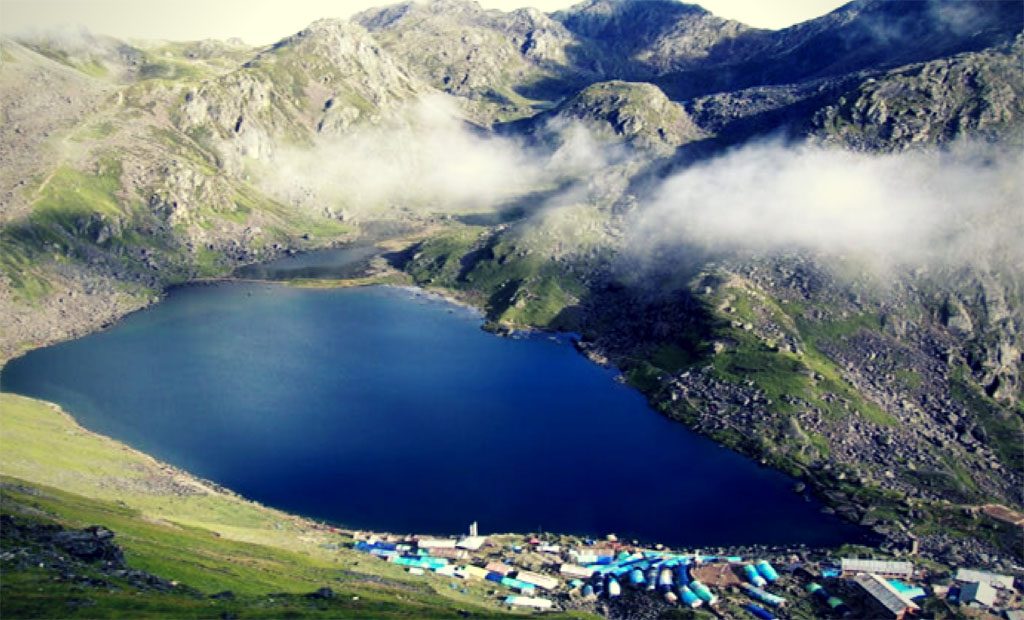
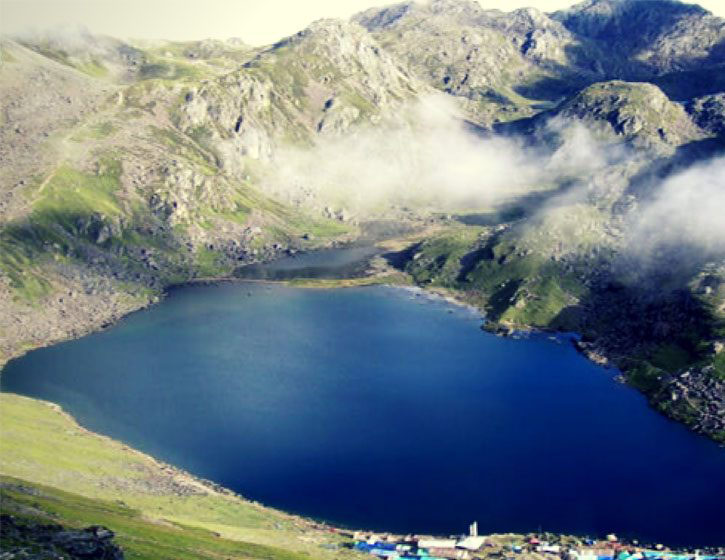
As you ascend, the air gets thinner but cleaner. The views of snow-covered peaks begin to open up. Gosaikunda Lake appears like a blue gem tucked among stone ridges, reflecting the sky and snow-capped peaks. Only the wind, birdsong, and the spinning prayer wheels break the surrounding silence.
Descending into Helambu, the atmosphere becomes more lively and fertile. Terraced farms, flowing rivers, and colorful houses mark a stark contrast to the barren alpine zones. It’s this transition—from spiritual lake to living culture—that makes the trek truly atmospheric.
Company and Freelance Guide Services
The Himalayan Realms Treks and Expedition Nepal Pvt. Ltd. offers well-planned Gosainkunda–Helambu trek packages with experienced guides, porters, and full logistic support. Our guides are fluent in English and trained in high-altitude first aid. We prioritize safety, local engagement, and environmental sustainability. We ensure our treks respect the sacred nature of the land and directly benefit the communities we walk through.
For travelers seeking a more personalized or budget-friendly option on the Gosaikunda–Helambu Trek, we support Nepal freelance guide services. Many independent guides—especially from Langtang and Helambu—offer more than language skills and route knowledge. They bring valuable local insights, deep cultural understanding, and a flexible approach. Choosing a freelance guide can truly enrich your trekking experience on the Gosaikunda–Helambu route. You’ll enjoy a more authentic and tailored journey, whether exploring sacred lakes, alpine trails, or traditional Tamang villages. These guides share cultural stories and local legends and create flexible itineraries that align with your pace. Many were born and raised along the Gosaikunda and Helambu trails. This gives them an intimate connection to the landscapes and communities you encounter.
The Government of Nepal licenses all our freelance guides. They have years of field experience and provide an authentic journey with cultural depth and personalized care.
Conclusion
The Gosaikunda–Helambu trek is more than just a journey through Nepal’s mountains; rather, it unfolds as a spiritual walk through time, myth, and tradition. Along the route, sacred lakes shimmer in solitude, while village bells carry the echo of prayers from an enduring culture. Moreover, trekkers weave their way through lush forests, rugged ridges, and warm, welcoming villages. In the process, they absorb not only the beauty of nature but also the deep richness of human connection. Ultimately, whether you come for the challenge, the pilgrimage, or the peace, this trek leaves you changed. By choosing The Himalayan Realms Treks and Expedition Nepal Pvt. Ltd., you ensure a well-guided, respectful, and fulfilling experience. Walk with our company or a trusted Nepal freelance guide—the Gosaikunda–Helambu trek will stay with you. It is a sacred journey through the heart of the Himalayas.
Itinerary
The Gosainkunda trek begins with an early morning bus ride from Kathmandu to Dhunche, the gateway to the Langtang region. The journey offers stunning views of terraced fields, traditional villages, and the rolling hills of the Himalayan foothills. Upon reaching Dhunche, the trek starts through lush rhododendron forests filled with vibrant wildflowers and the songs of native birds. As you ascend towards Deurali, the trail passes several small settlements where friendly locals welcome trekkers with warm hospitality. Along the way, you encounter clear mountain streams, prayer flags fluttering in the breeze, and glimpses of snowy peaks on the horizon. The fresh mountain air and peaceful surroundings prepare you for the higher elevations ahead. Deurali itself is a serene spot nestled among pine and fir trees, offering spectacular views of Langtang Lirung and the surrounding peaks, making it an ideal first stop on this beautiful journey.
From Deurali (3,200 meters / 10,500 feet), the trek to Cholang Pati takes about 4 to 5 hours. The trail gradually ascends through dense forests of pine, fir, and rhododendron, with colorful prayer flags marking the path. Along the way, you’ll pass several small villages and traditional stone houses, where local Tamang and Sherpa communities live. The trail offers breathtaking views of the Langtang mountain range, including Langtang Lirung’s towering peaks. You’ll also encounter small streams and serene meadows filled with alpine flowers during warmer months. The air is crisp and fresh, perfect for photography and nature appreciation. Cholang Pati, situated at around 3,450 meters (11,320 feet), is a peaceful campsite surrounded by pine forests and panoramic mountain vistas. This stop provides a tranquil atmosphere to rest and prepare for the higher elevations ahead on the Gosainkunda trek.
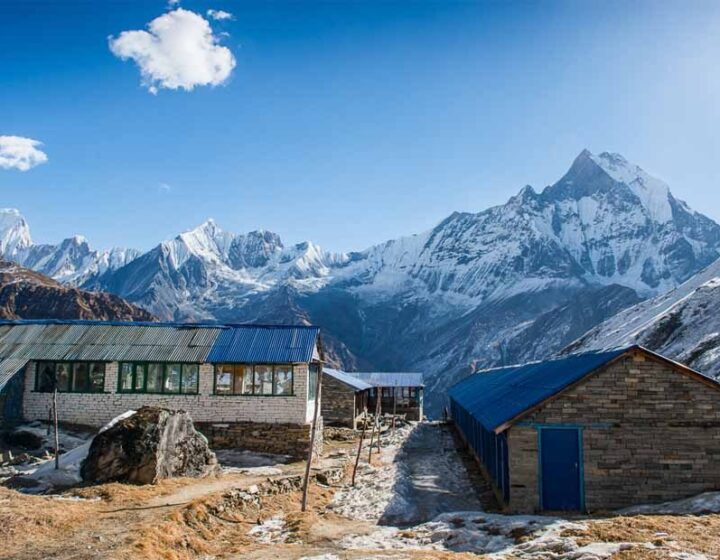
The trek from Cholang Pati (3,654 meters / 11,988 feet) to Gosainkunda (4,380 meters / 14,370 feet) takes approximately 5 to 6 hours. This segment is more challenging due to the steep ascent and thinning air at higher elevations. The trail climbs steadily above the treeline, offering wide, open views of the surrounding Himalayas, including Langtang Lirung, Ganesh Himal, and distant Manaslu peaks. As you ascend, you'll pass through Lauribina, a scenic viewpoint, where the panorama is especially breathtaking. The terrain becomes rocky and barren, with alpine vegetation replacing forest. Prayer flags and small chortens mark the sacred atmosphere as you approach the holy lakes. Upon reaching Gosainkunda, you are rewarded with stunning views of the pristine glacial lake surrounded by rugged peaks. The emerald-blue water is especially captivating in the clear mountain light. While physically demanding, this stretch is one of the most scenic and spiritually enriching parts of the trek.
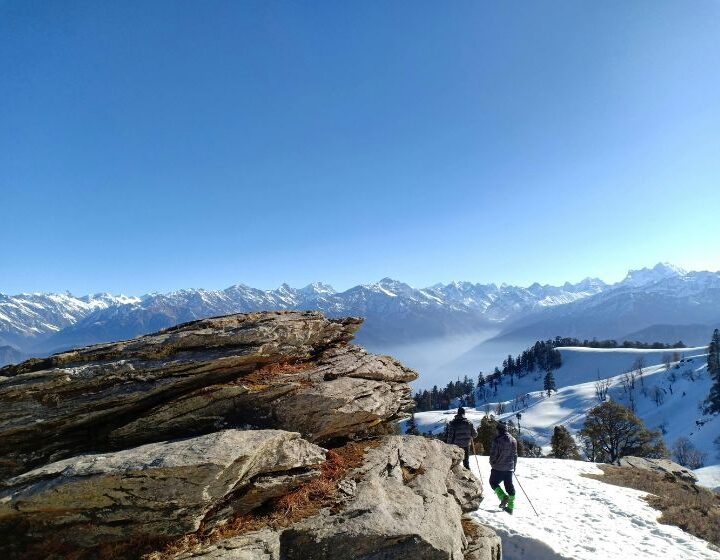
The trail from Gosaikunda to Ghopte is a scenic and spiritually rich segment of the Gosaikunda Helambu Trek, offering a blend of high-altitude lake views, rugged terrain, and dense forested valleys. The journey begins from the sacred Gosaikunda Lake (4,380 meters), a shimmering alpine waterbody revered by both Hindus and Buddhists. From here, the trail gradually ascends to Laurebina La Pass (4,610 meters), the highest point of this section and the most challenging part of the day.
The trek from Gosaikunda to Ghopte is considered moderately difficult to strenuous, mainly due to the steep and rocky ascent to the pass and a long descent through rough, narrow trails. Altitude, unpredictable weather, and slippery stone paths add to the physical demands, so prior trekking experience and good fitness are recommended.
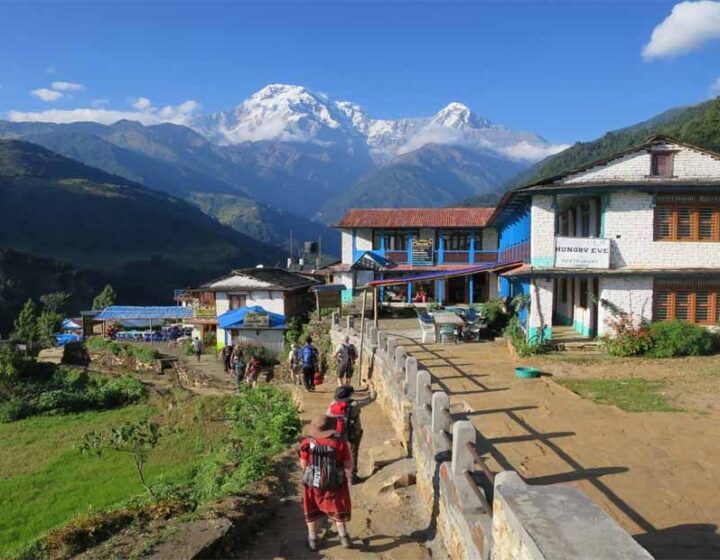
As you descend from the pass, the terrain shifts from arid, alpine landscapes to lush rhododendron and pine forests. The trail is often peaceful and less crowded, enhancing its wilderness appeal. Along the way, trekkers are treated to panoramic views of Langtang Lirung, Ganesh Himal, and even glimpses of the Annapurna range on clear days.
Accommodation in Ghopte is basic but adequate, typically comprising small teahouses offering dormitory-style rooms or simple twin sharing. Meals are basic but warm and nourishing, such as dal bhat, noodles, or soups. While facilities are minimal, the hospitality of the locals makes the stay pleasant and restful after a demanding day’s trek.
The trek from Ghopte (3,430 meters) to Mangangoth (3,285 meters) is a scenic and moderately challenging section of the Gosaikunda–Helambu Trail. This part of the route takes around 5 to 6 hours including a lunch break, and passes through tranquil rhododendron forests, high ridges, and culturally rich settlements.
Leaving Ghopte, the trail ascends through dense woodlands filled with fir, oak, and rhododendron trees. During spring, these forests bloom vibrantly, adding color and fragrance to the trek. Trekkers may encounter wildlife such as Himalayan monals, langurs, or musk deer along the way. After a steady climb, you reach Thadepati (3,690 meters)—a panoramic ridge with sweeping views of the Langtang range and access to both Gosaikunda and Helambu regions. It’s a popular stop for tea and light meals.
From Thadepati, the trail descends gradually along a scenic ridgeline towards Mangangoth. The descent is comfortable, but some sections may be slippery after rain or snow. The forested path occasionally opens to clearings with views of distant villages and valleys.
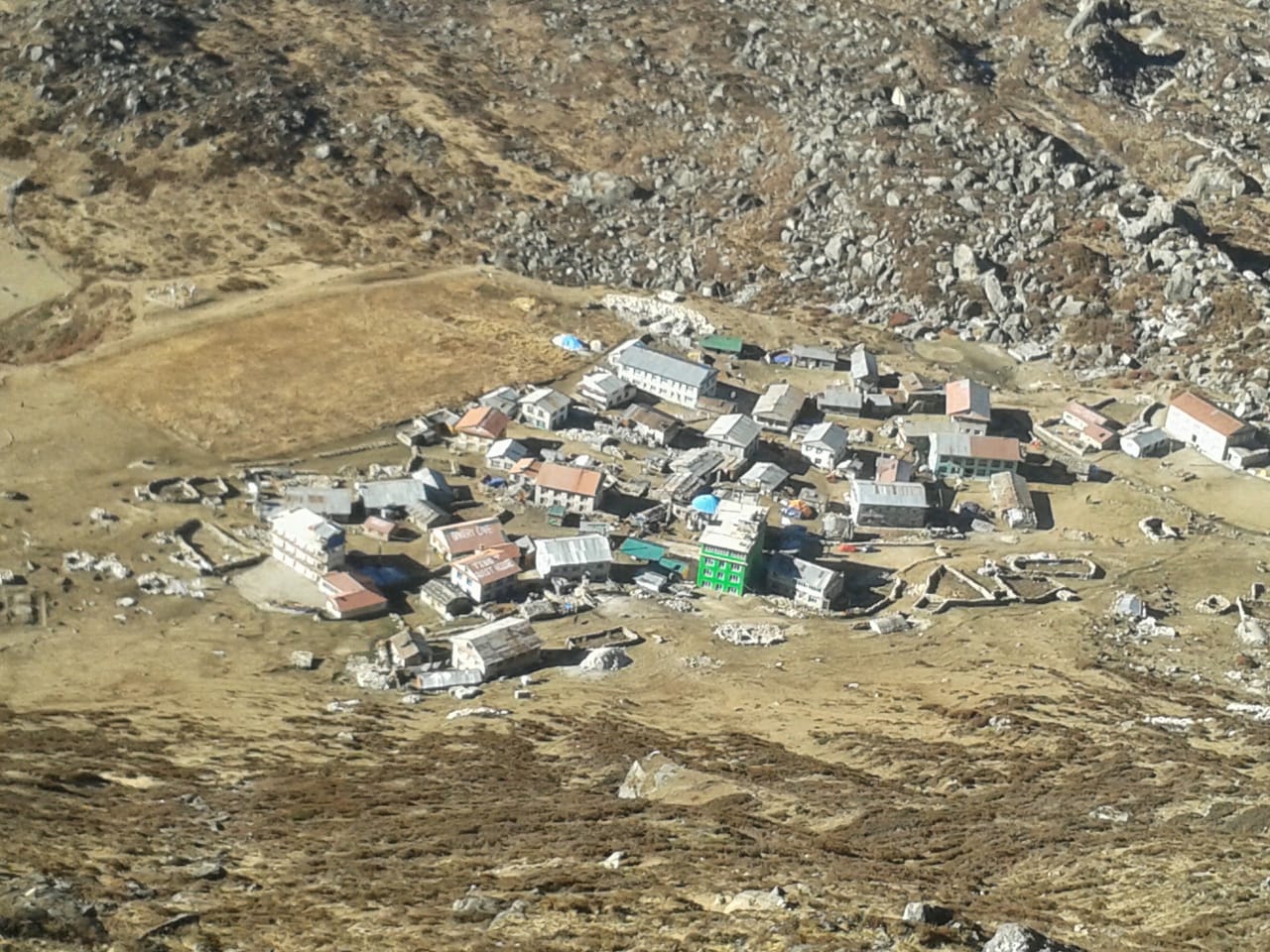
Mangangoth is a peaceful rest stop with a few basic teahouses offering simple meals and shared lodging. The name “Mangangoth” means “cattle shelter,” reflecting its traditional use by herders. Today, it’s a welcoming spot for trekkers heading towards Kutumsang or Tarkeghyang.
Though not overly difficult, this segment requires caution in colder months due to snow and fog. It’s ideal for trekkers seeking solitude, natural beauty, and cultural immersion along the quieter trails of the Helambu region.
The trek from Mangangoth (3,285 meters / 10,777 feet) to Kutumsang (2,470 meters / 8,103 feet) is a beautiful downhill journey that typically takes 5 to 6 hours, including breaks. This section offers a mix of alpine forest, terraced hillsides, and glimpses of local Tamang and Helambu culture.
The trail begins with a gradual descent through dense forests of oak, pine, and rhododendron. During spring, the rhododendron blooms create a stunning natural canopy. As you descend further, the landscape opens up, offering panoramic views of rolling green hills, deep valleys, and distant Himalayan peaks on clear days. You’ll pass through small settlements and occasional grazing pastures, adding to the rural charm of the trail.
Along the way, you may spot Himalayan birds, langurs, and occasionally deer in the forested areas. The route is well-marked and generally not too steep, making it a comfortable walk for most trekkers.
Arriving in Kutumsang, you’ll find a modest village with several basic to standard teahouses offering clean rooms, warm blankets, and communal dining areas. Accommodation is simple but welcoming, run by friendly locals. Typical meals include Dal Bhat (rice and lentils), noodles, fried rice, soup, eggs, and tea or coffee. In the evening, the peaceful ambiance and starry skies create a perfect setting for rest and reflection.
This section is ideal for those who enjoy forest trails, cultural encounters, and serene mountain surroundings away from the busier trekking routes.
Kutumsang (2,470 m / 8,103 ft) to Thankune Bhanjyang (2,620 m / 8,595 ft): The trek from Kutumsang (2,470 meters / 8,103 feet) to Thankune Bhanjyang (2,620 meters / 8,595 feet) is short but steadily downhill and usually takes around 6 to 7 hours, depending on pace and rest breaks. Though not very long in distance, the ascent involves some steep and rocky sections, making it moderately challenging, especially under the midday sun or during monsoon conditions.
The trail descends gently at first and then descends through a mix of rhododendron, oak, and pine forests, opening up occasionally to stunning views of rolling green hills, terraced farmland, and distant Himalayan peaks—including glimpses of Langtang and Ganesh Himal on clear days. Small chortens and Buddhist prayer flags mark spiritual spots along the route, adding a cultural touch to the natural scenery.
As you approach Thankune Bhanjyang, the trail passes by traditional Tamang and Helambu village outposts, offering insights into rural mountain life. The village itself is small, with basic teahouse-style accommodation—simple rooms, shared toilets, and a dining area with traditional meals such as dal bhat, noodles, potato curry, and Tibetan bread. While facilities are limited, the hospitality is warm and genuine.
Thankune Bhanjyang is a quiet place to rest, with cool air and peaceful surroundings. It's a perfect overnight stop for trekkers moving toward Chisapani or Sundarijal, offering a calm, scenic break in the Helambu region.
The trail from Thankune Bhanjyang to Pati Bhanjyang is mostly gentle and flat, making for a pleasant and relatively easy walk. As you move along this section, the path winds through terraced fields and traditional Tamang and Brahmin villages, offering beautiful views of the mid-hill landscapes. The peaceful countryside setting, chirping birds, and refreshing mountain air make this portion of the trek enjoyable and relaxing. Local farmers can often be seen tending to their fields, and small teahouses along the way provide opportunities to rest and soak in the surroundings.
From Pati Bhanjyang, the trail begins to ascend steadily towards Chisapani. This uphill climb is moderately challenging and passes through dense forests filled with pine, oak, and rhododendron trees. The path occasionally opens up to scenic viewpoints, where trekkers are rewarded with sweeping views of the Himalayan ranges, including Ganesh Himal, Langtang, and Dorje Lakpa on clear days. The sound of rustling leaves and distant bird calls adds a natural rhythm to the climb.
The trail from Thankune Bhanjyang to Pati Bhanjyang is mostly gentle and flat, making for a pleasant and relatively easy walk. As you move along this section, the path winds through terraced fields and traditional Tamang and Brahmin villages, offering beautiful views of the mid-hill landscapes. The peaceful countryside setting, chirping birds, and refreshing mountain air make this portion of the trek enjoyable and relaxing. Local farmers can often be seen tending to their fields, and small teahouses along the way provide opportunities to rest and soak in the surroundings.
From Pati Bhanjyang, the trail begins to ascend steadily towards Chisapani. This uphill climb is moderately challenging and passes through dense forests filled with pine, oak, and rhododendron trees. The path occasionally opens up to scenic viewpoints, where trekkers are rewarded with sweeping views of the Himalayan ranges, including Ganesh Himal, Langtang, and Dorje Lakpa on clear days. The sound of rustling leaves and distant bird calls adds a natural rhythm to the climb.
As you approach Chisapani, the cool mountain breeze grows stronger, signaling the transition to a higher altitude. Chisapani, situated at around 2,215 meters, is a peaceful hill station known for its panoramic Himalayan sunrise and sunset views. The village offers basic to moderate teahouse accommodations, with warm hospitality, hearty meals, and cozy lodging—ideal for a night’s rest. The blend of tranquil environment, forested paths, and mountain vistas makes this section of the trek a memorable part of the journey.
The trek from Chisapani (2,215 meters / 7,267 feet) to Sundarijal (1,350 meters / 4,429 feet) is a scenic journey through the Shivapuri Nagarjun National Park, rich in natural beauty, birdlife, and cultural charm. The trail begins with an uphill climb to Borlang Bhanjyang, which sits at around 2,430 meters / 7,972 feet. This section can be moderately challenging due to the elevation gain, but it's shaded by dense forest and offers glimpses of the surrounding hills, Himalayan views on clear days, and encounters with local wildlife such as langurs, deer, and various birds.
From Borlang Bhanjyang, the trail descends gradually through mixed woodlands of oak, rhododendron, and pine. The path winds past small water streams and rest spots, eventually leading to the village area of Mulkharka, where you can stop for tea and observe Tamang culture and rural life. This downhill section, though easier on the lungs, can be a bit hard on the knees and slippery during the monsoon, so trekking poles are useful.
The final stretch leads you into Sundarijal, a lush area known for waterfalls, water supply dams, and picnic spots. Once at Sundarijal (approx. 1,350 m), a private vehicle can take you back to Kathmandu, which is just one hour away by road.
Overall, the trek takes about 4–5 hours, depending on pace. It is moderately difficult but very rewarding, offering a perfect mix of mountain scenery, forests, and a return to city comfort by day's end.
On your final day in Nepal, after a memorable trekking adventure, our team will assist with your departure transfer from the hotel to Tribhuvan International Airport. Depending on your flight schedule, you’ll have time to enjoy a relaxed breakfast and do any last-minute packing. Our representative will arrive at your hotel to ensure a smooth check-out process and help with your luggage. As you drive through the bustling streets of Kathmandu one last time, you’ll pass familiar sights—the temples, busy markets, and smiling faces that made your journey unforgettable. At the airport, we’ll help you with check-in procedures and bid you a warm farewell. Though your trip comes to an end, the memories of the Himalayas, cultural encounters, and breathtaking landscapes will stay with you forever. We thank you for choosing us and wish you a safe flight back to your home country, with hopes of welcoming you again to Nepal.
Included
- 2 Night accommodation in Kathmandu with a B/B basis plan
- Kathmandu to Syabrubeshi transfer by bus.
- All airport and hotel transfers
- National permit & TIMS permit ( Trekking Information Management System)
- Accommodation, food and tea/coffee during the trek
- Guide:- including salary, insurance, equipment, flight, food, and lodging
- Porter:- including salary, insurance, equipment, food, and lodging
- Transfer from Malemche Bazar to Kathmandu to Kathmandu by private Car
- For guest:-Down jacket, Good sleeping bag (down jacket and sleeping bag are to be returned after trip completion)
- All government and local taxes
Not Included
- Food in Kathmandu Lunch & Dinner)
- Bakery food during the trek. When you eat in the bakery that you need to pay by yourself
- Nepal Visa fee
- International airfare from your country to Kathmandu and from Kathmandu
- Extra night accommodation in Kathmandu
- Travel and rescue insurance if the guest gets mountain sickness and needs to rescue helicopter.
- Personal expenses example (phone calls, laundry service, bar bills, battery recharge, extra porters, bottle or boiled water, shower etc)
- Tips for guide and porters
Join Us Upcoming Trips
Book this trip with us. Here are the upcoming dates. Feel free to share this trip with your friends and family. For custom trips or general inquiries contact us.
| Departure Date | Trip Duration | Price | Status | |
|---|---|---|---|---|
| 05 February, 2026 | 10 days | USD $1270 | Fixed departure | |
| 10 May, 2026 | 10 days | USD $1270 | Fixed departure | |
| 05 February, 0026 | 10 days | USD $1270 | Fixed departure | |
| 25 February, 2026 | 10 days | USD $1270 | Fixed departure | |
| 01 March, 2026 | 10 days | USD $1270 | Fixed departure | |
| 10 March, 2026 | 10 days | USD $1270 | Fixed departure | |
| 25 February, 2026 | 10 days | USD $1270 | Fixed departure | |
| 05 April, 0026 | 10 days | USD $1270 | Fixed departure | |
| 15 April, 2026 | 10 days | USD $1270 | Fixed departure |
Useful Info
Trek Overview
The Gosainkunda Helambu Trek combines the sacred alpine lakes of Gosainkunda with the culturally rich Helambu region, offering trekkers an ideal blend of natural beauty, religious significance, and ethnic diversity. This moderate trek navigates through the Langtang National Park and reaches altitudes above 4,300 meters.
Starting & Ending Points
Start: Dhunche or Syabrubesi (can also start from Sundarijal). End: Sundarijal or Melamchi Pul Bazaar. Alternative Route: Begin at Sundarijal and trek via Chisapani, Kutumsang, and Laurebina Pass to Dhunche
Duration
Typical Duration: 9 to 12 days. Flexible Itineraries available based on pace and acclimatization
Major Highlights
Sacred Gosainkunda Lake (4,380m) – revered by Hindus and Buddhists. Laurebina La Pass (4,610m) – the highest point of the trek. Ethnic Tamang, Hyolmo, and Sherpa villages. Lush rhododendron forests, alpine pastures, waterfalls. Stunning views of Langtang Lirung, Ganesh Himal, and Dorje Lakpa
Trek Difficulty
Grade: Moderate to Challenging. Demands good physical fitness. Involves steep ascents/descents and high-altitude passes
Accommodation
Teahouses/Lodges: Available in all villages along the route. Basic yet comfortable with shared rooms, common toilets, and traditional meals. Limited electricity and charging points in higher altitudes
Meals
Traditional Dal Bhat, Tibetan bread, noodles, soups, and momos. Simple vegetarian fare is mostly available. Pack snacks for longer trail sections (especially Laurebina La pass day)
Permits Required
Langtang National Park Entry Permit. TIMS Card (Trekkers’ Information Management System)
Best Seasons to Trek
Spring (March to May): Clear skies, rhododendron bloom. Autumn (September to November): Stable weather and mountain views. Monsoon (June to August): Wet, landslide-prone—not recommended. Winter (December to February): Snow and icy trails—more challenging
Weather Conditions
Day temperatures: 10°C–20°C in lower regions. Night temperatures: Can drop below -5°C at higher elevations. Weather is unpredictable above 3,000m – be prepared for snow and cold
Physical Preparation
Cardiovascular training (hiking, cycling). Altitude conditioning is recommended. Carry lightweight gear and layers
Packing Essentials
Warm clothing (thermal layers, down jacket). Waterproof gear (jacket, pants, backpack cover). Trekking boots, poles, sunglasses, and sunscreen. Reusable water bottles, purification tablets. Sleeping bag (rated for -10°C or colder). Basic first aid kit and medications
Drinking Water
Bottled water is available but expensive in higher altitudes. Recommend carrying water purification tablets or filters
Connectivity
Mobile network available in lower villages. Wi-Fi is available in some teahouses (charges apply). Satellite phone service may be required for emergencies
Health & Safety
Altitude sickness is a risk—acclimatize slowly. Carry Diamox or other AMS-prevention medication. Trek with a guide or in a group for safety. Travel insurance that covers high-altitude trekking is essential
Cultural Etiquette
Respect local traditions, monasteries, and prayer flags. Dress modestly in villages. Ask permission before photographing people or religious items
Transport
Kathmandu to Dhunche/Syabrubesi: By private jeep or local bus (6–8 hours). Sundarijal to Kathmandu: 1-hour drive by private vehicle or public transport
Guides and Porters
Licensed guides enhance safety and cultural insight. Porters help with luggage, allowing you to trek light. Recommended ratio: 1 porter for every 2 trekkers
Luggage Limits
Keep duffel bag weight under 12–15 kg per person. Daypack (5–7 kg) for water, snacks, layers, camera
Religious Importance
Gosainkunda Lake is sacred to both Hindus and Buddhists. Annual Janai Purnima Festival in August attracts thousands of pilgrims. Believed to be created by Lord Shiva
Environmental Care
Carry reusable water bottles. Avoid plastic waste. Follow Leave No Trace principles. Support local teahouses and eco-friendly businesses
Download pdf brochure