

Trip overview
Overview: Gosainkunda 6-day trek
Introduction
The Gosainkunda Trek is a mesmerizing 6-day journey that winds through the majestic hills and sacred alpine lakes of Nepal’s Langtang National Park. This moderate-grade hike offers a unique blend of natural beauty, cultural immersion, and spiritual significance. Traversing ancient trails through dense rhododendron forests and remote high-altitude settlements, travelers encounter both ecological wonders and rich cultural heritage. Each step reveals sweeping views of snow-capped peaks, serene mountain lakes, and the vibrant rhythm of village life. Whether you’re a pilgrim in search of spiritual connection or a traveler drawn to scenic serenity, this trek offers a deeply rewarding journey.
About the Gosainkunda Trek
The six-day expedition to Gosainkunda unfolds an unforgettable narrative of highland landscapes, devout heritage, and breathtaking scenery. Starting typically from Dhunche, the trail climbs steadily through subtropical forests and Tamang villages before reaching the revered lake of Gosainkunda at over 4,300 meters. This alpine odyssey is ideal for trekkers looking for a concise yet immersive Himalayan experience. The itinerary is thoughtfully designed to balance altitude acclimatization with cultural exploration, making it suitable for both seasoned trekkers and enthusiastic novices.
The trek is not only about conquering heights but also about experiencing the serenity of sacred waters, meeting the warm-hearted locals, and witnessing the intermingling of Hindu and Buddhist traditions. Its manageable duration and spiritual aura make the Gosainkunda trek a sought-after choice for travelers with limited time but immense curiosity.
Location of Gosainkunda Lake
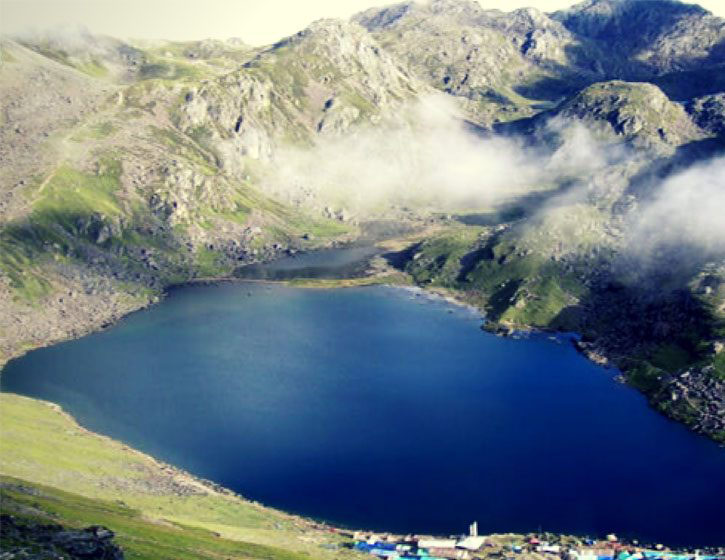
Gosainkunda Lake rests within the Langtang region of Rasuwa District, nestled in the northern reaches of Bagmati Province. This sacred water body lies within Langtang National Park, approximately 130 kilometers northeast of Kathmandu. The route predominantly follows the ridgeline separating the Langtang and Helambu regions.
Starting Point: Dhunche
The journey begins in Dhunche (1,950 meters), the headquarters of Rasuwa, which is easily accessible by road from Kathmandu. Dhunche serves as the primary gateway for trekkers making their way toward Gosainkunda and other Langtang destinations.
Trail Highlights and Elevation
As the trail advances, it passes through serene locations such as Sing Gompa and Lauribina. These areas not only offer rest stops but also immerse travelers in alpine vegetation and scenic tranquility. The trek culminates at the pristine lake of Gosainkunda, perched at an elevation of approximately 4,380 meters (14,370 feet).
Panoramic Himalayan Views
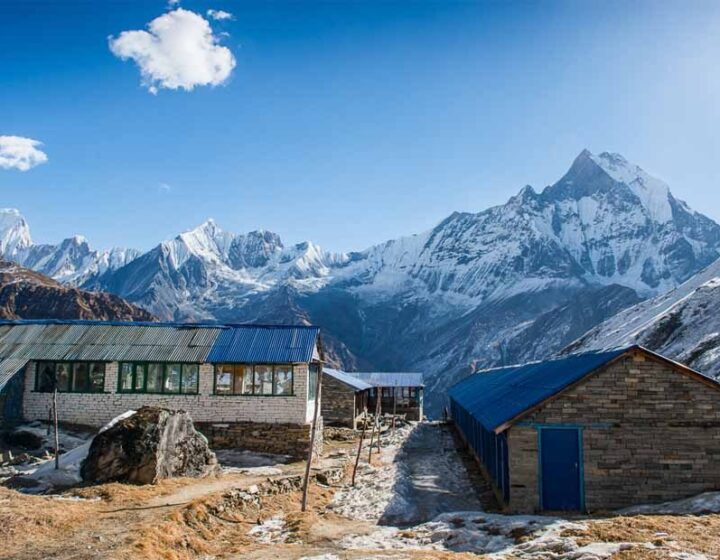
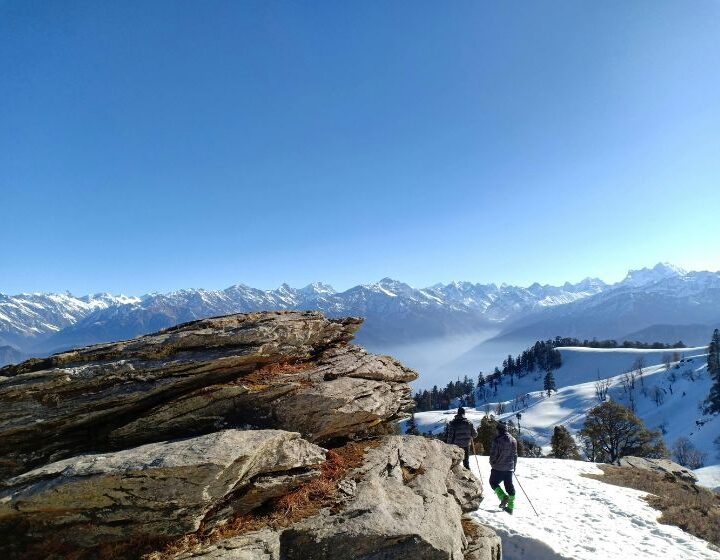
On a clear day, this sacred alpine lake offers sweeping panoramic glimpses of the Langtang Himal, Ganesh Himal, and distant views of the Manaslu and Annapurna ranges. The breathtaking scenery, combined with the lake’s mythological and religious significance, makes this trek a deeply rewarding experience.
Local Inhabitants
The region is primarily inhabited by the Tamang ethnic community, known for their deep-rooted traditions, Tibetan-influenced lifestyle, and distinctive architecture. These highland dwellers are descendants of Tibetan migrants and continue to preserve their ancestral culture through language, dress, and customs.
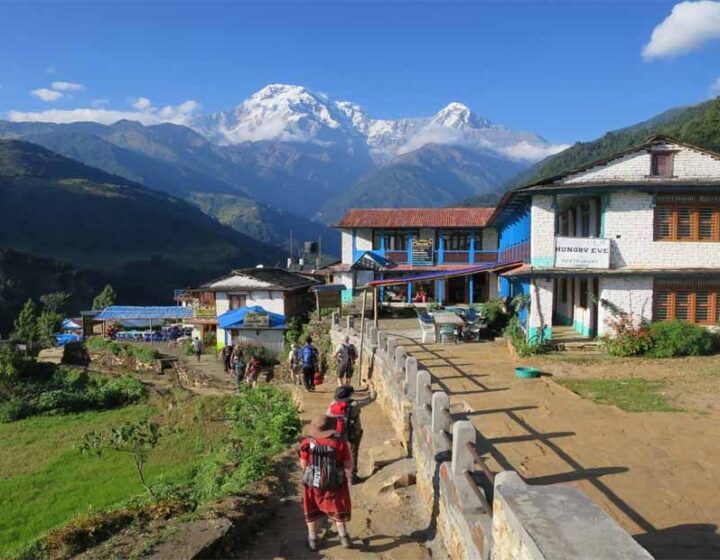
Hospitality is an integral part of Tamang society. As you traverse through their hamlets, you’ll be greeted with welcoming smiles and warm hearts. Their lifestyle revolves around subsistence farming, animal herding, and increasingly, tourism. Despite the challenges posed by remoteness, the people retain a sense of contentment, often found sharing stories, crafting traditional music, or preparing local delicacies like dhindo and Tibetan bread.
Their vernacular houses, usually constructed from stone and timber, are adorned with prayer flags and decorative carvings. The vibrant culture of the Tamang people adds a unique layer to the trek, offering not just a scenic but also a soulful adventure.
Religious Significance
Gosainkunda is a lake of profound religious reverence, cherished equally by Hindus and Buddhists. For Hindu devotees, the lake is linked to Lord Shiva, who is believed to have created Gosainkunda by thrusting his trident into the mountain to obtain water to quench his burning throat after consuming poison. Pilgrims gather here during the Janai Purnima festival in August, performing ritualistic bathing with the belief that the waters absolve sins and bestow blessings.
From a Buddhist perspective, the area is associated with Guru Rinpoche (Padmasambhava), who meditated in the surrounding caves. Tibetan Buddhist traditions are prevalent along the trail, evident through monasteries, chortens, and prayer wheels.
The spiritual aura is palpable. The prayer chants, fluttering prayer flags, and sacred cairns found along the trail evoke a sense of peace and sacredness. Whether religious or not, many trekkers experience a spiritual awakening amidst this divine landscape.
Lifestyle and Culture
Life in the Gosainkunda region is a harmonious blend of ancient practices and adaptive resilience. Villagers depend largely on terraced farming, cultivating crops like barley, potatoes, maize, and millet. Animal husbandry, particularly yak and sheep herding, is widespread in higher elevations. Seasonal migration patterns dictate the rhythm of life, with families shifting between lower and higher settlements.
People celebrate festivals with great zeal, blending ritual worship with music, dance, and communal feasts. Among the most prominent are Tamang Losar, Buddha Jayanti, and Janai Purnima. During these celebrations and rituals, locals proudly wear traditional attire, including the Tamang cap (topi) and vibrant, colorful dresses. Furthermore, communities place great importance on social harmony, strong family bonds, and cooperative living. Despite limited infrastructure, however, the sense of connectedness and spiritual fulfillment in these remote mountain settlements remains deeply inspiring.
Flora and Fauna
The route is a treasure trove for biodiversity enthusiasts. Owing to its location within Langtang National Park, the Gosainkunda trail features a remarkable array of plant and animal species across various altitudinal zones. In lower sections, forests of pine, oak, and maple dominate, gradually transitioning to rhododendron thickets and juniper shrubs at higher elevations. During spring, rhododendrons bloom in a riot of colors, painting the trail with crimson, pink, and white hues.
Wildlife in the region includes the Himalayan tahr, red panda, musk deer, and langurs. Birdwatchers can spot colorful pheasants, laughing thrushes, and Himalayan monals—the national bird of Nepal. Though elusive, snow leopards are known to inhabit the upper regions. This vibrant ecosystem is a result of careful conservation efforts and traditional beliefs that encourage respect for all living beings.
Vegetation
The vegetation along the trail varies dramatically with altitude. At the lower levels near Dhunche and Sing Gompa, the landscape is rich in temperate woodland with trees like blue pine, silver fir, and hemlock. Ascending further, one encounters dense rhododendron and bamboo groves, which provide shelter to numerous wildlife species.
Near Lauribina and above, the vegetation thins, giving way to alpine meadows dotted with mosses, lichens, and high-altitude flowers like edelweiss and gentians. These sparse yet resilient plant species contribute to the rugged beauty of the upper trails. The transition from lush green forests to barren rocky terrain near Gosainkunda is both dramatic and awe-inspiring.
Atmosphere and Ambience
The ambiance of the Gosainkunda trail is a tranquil interplay of solitude, natural splendor, and spiritual energy. The crisp mountain air, the soothing murmur of forest streams, and the rustling of prayer flags in the wind create a meditative environment. Each dawn paints the Himalayan skyline with golden light, while silence and starlight embrace the evenings.
Even at higher elevations, yak bells and occasional chants from nearby monasteries break the quiet. Even at higher elevations, the quiet is punctuated only by the sounds of yak bells or the occasional chant from a nearby monastery. For many trekkers, this serene atmosphere offers an escape from the chaos of urban life. The high-altitude setting instills a sense of humility and introspection that lingers long after the journey ends.
Company and Nepal Freelance Guide Services
For travelers seeking a more personal and flexible trekking experience, The Himalayan Realms Treks and Expedition Nepal Pvt. Ltd. also supports Nepal freelance guide services. These guides are often locals from the Langtang and Helambu regions. They bring deep knowledge of the terrain, culture, and spiritual traditions surrounding Gosainkunda.
With their regional insight and warm hospitality, freelance guides offer a uniquely tailored journey. They allow trekkers to fully engage with local lifestyles and explore sacred landscapes at their own pace.
Whether arranged through our company or hired independently, freelance guides prioritize safety. They share authentic stories and help you navigate the trails with confidence.
Many speak multiple languages and are certified in first aid and high-altitude trekking. We proudly promote their services as part of our commitment to empowering local professionals and enriching your trekking experience. By combining our organized support with their local insight, your journey to Gosainkunda becomes more than a trek. It turns into a cultural bridge and a personal pilgrimage of discovery.
Conclusion
The 6-day Gosainkunda Trek is more than just a hike; rather, it’s a transformative journey through sacred landscapes, age-old villages, and awe-inspiring nature. Along the way, this route offers a rare chance to explore Nepal’s spiritual heartland. Meanwhile, the untouched charm of the Himalayas constantly surrounds you, enhancing every step of the journey. Moreover, by blending religious heritage, ecological diversity, and warm hospitality, the trek truly stands out. As a result, it becomes a rewarding choice for adventurers, pilgrims, and nature lovers alike.
You can choose to travel with a trekking company like The Himalayan Realms Treks. Or you may hire a Nepal freelance guide for a more personal experience. In either case, the Gosainkunda trail will ultimately leave you with cherished memories and, moreover, a deeper connection to both nature and spiri
Itinerary
The Gosainkunda trek begins with an early morning bus ride from Kathmandu to Dhunche, the gateway to the Langtang region. The journey offers stunning views of terraced fields, traditional villages, and the rolling hills of the Himalayan foothills. Upon reaching Dhunche, the trek starts through lush rhododendron forests filled with vibrant wildflowers and the songs of native birds. As you ascend towards Deurali, the trail passes several small settlements where friendly locals welcome trekkers with warm hospitality. Along the way, you encounter clear mountain streams, prayer flags fluttering in the breeze, and glimpses of snowy peaks on the horizon. The fresh mountain air and peaceful surroundings prepare you for the higher elevations ahead. Deurali itself is a serene spot nestled among pine and fir trees, offering spectacular views of Langtang Lirung and the surrounding peaks, making it an ideal first stop on this beautiful journey.
From Deurali (3,200 meters / 10,500 feet), the trek to Cholang Pati takes about 4 to 5 hours. The trail gradually ascends through dense forests of pine, fir, and rhododendron, with colorful prayer flags marking the path. Along the way, you’ll pass several small villages and traditional stone houses, where local Tamang and Sherpa communities live. The trail offers breathtaking views of the Langtang mountain range, including Langtang Lirung’s towering peaks. You’ll also encounter small streams and serene meadows filled with alpine flowers during warmer months. The air is crisp and fresh, perfect for photography and nature appreciation. Cholang Pati, situated at around 3,450 meters (11,320 feet), is a peaceful campsite surrounded by pine forests and panoramic mountain vistas. This stop provides a tranquil atmosphere to rest and prepare for the higher elevations ahead on the Gosainkunda trek.
The trek from Gosaikunda (4,380 meters / 14,370 feet) to Chandanbari, also known as Sing Gompa (3,330 meters / 10,925 feet) takes approximately 5 to 6 hours, descending through steep, rocky paths and alpine meadows. The trail begins with a gradual climb up to the Lauribina Pass (4,610 meters / 15,125 feet) — the highest point of the trek — offering magnificent panoramic views of the Langtang Himal, Ganesh Himal, and even glimpses of the Annapurna range on clear days. After crossing the pass, the descent becomes more noticeable as the trail winds through yak pastures, alpine ridges, and eventually re-enters dense forests of pine, fir, and rhododendron. Along the way, you may encounter grazing animals, chirping birds, and sweeping views of the valleys below. Reaching Chandanbari feels welcoming, with its peaceful monastery (Sing Gompa) and local cheese factory adding cultural charm to the natural beauty. It's an ideal place to rest and acclimatize.
The trek from Chandanbari (Sing Gumba) at 3,330 meters (10,925 feet) to Dhunche at 2,030 meters (6,660 feet) takes approximately 4 to 5 hours of steady descent. The trail passes through lush forests of rhododendron, oak, and pine, offering a refreshing contrast to the high alpine landscape above. Along the way, trekkers are treated to beautiful views of terraced fields, cascading waterfalls, and distant snowcapped peaks of the Langtang and Ganesh Himal ranges. You may spot Himalayan wildlife such as langurs, mountain goats, and colorful bird species. Traditional Tamang villages dot the path, giving insights into local lifestyle and culture. As the trail continues downward, the air becomes warmer, and the vegetation thickens, creating a peaceful forested environment. Upon reaching Dhunche, the bustling district headquarters of Rasuwa, you’ll find basic amenities and transport options to Kathmandu, completing the scenic and culturally rich Gosaikunda trekking journey.
The journey from Dhunche (2,030 meters / 6,660 feet) to Kathmandu (1,400 meters / 4,593 feet) by tourist bus takes approximately 7 to 8 hours, depending on road and traffic conditions. The scenic drive descends through winding mountain roads, terraced hillsides, and traditional Tamang and Newar villages. As the bus navigates the narrow, sometimes bumpy roads of the Trishuli Valley, you'll pass lush forests, roaring rivers, and waterfalls cascading from steep cliffs. Along the way, there are occasional stops for tea, meals, and restrooms. On clear days, you can enjoy distant views of Ganesh Himal and surrounding ranges fading into the background. The route eventually joins the main highway at Trishuli Bazaar, continuing south toward the Kathmandu Valley. As you approach the city, rural scenery gives way to urban bustle, signaling the end of your Himalayan adventure. This bus ride offers a final glimpse into Nepal’s diverse landscape and cultural richness.
On your final day in Nepal, after a memorable trekking adventure, our team will assist with your departure transfer from the hotel to Tribhuvan International Airport. Depending on your flight schedule, you’ll have time to enjoy a relaxed breakfast and do any last-minute packing. Our representative will arrive at your hotel to ensure a smooth check-out process and help with your luggage. As you drive through the bustling streets of Kathmandu one last time, you’ll pass familiar sights—the temples, busy markets, and smiling faces that made your journey unforgettable. At the airport, we’ll help you with check-in procedures and bid you a warm farewell. Though your trip comes to an end, the memories of the Himalayas, cultural encounters, and breathtaking landscapes will stay with you forever. We thank you for choosing us and wish you a safe flight back to your home country, with hopes of welcoming you again to Nepal.
Included
- 2 Night accommodation in Kathmandu with a B/B basis plan
- Kathmandu to Syabrubeshi transfer by bus.
- All airport and hotel transfers
- National permit & TIMS permit ( Trekking Information Management System)
- Accommodation, food and tea/coffee during the trek
- Guide:- including salary, insurance, equipment, flight, food, and lodging
- Porter:- including salary, insurance, equipment, food, and lodging
- Transfer from Sundarijal to Kathmandu to Kathmandu by private Car
- For guest:-Down jacket, Good sleeping bag (down jacket and sleeping bag are to be returned after trip completion)
- All government and local taxes
Not Included
- Food in Kathmandu Lunch & Dinner)
- Bakery food during the trek. When you eat in the bakery that you need to pay by yourself
- Nepal Visa fee
- International airfare from your country to Kathmandu and from Kathmandu
- Extra night accommodation in Kathmandu
- Travel and rescue insurance if the guest gets mountain sickness and needs to rescue helicopter.
- Personal expenses example (phone calls, laundry service, bar bills, battery recharge, extra porters, bottle or boiled water, shower etc)
- Tips for guide and porters
Useful Info
Trek Overview
The Gosainkunda Trek combines the sacred alpine lakes of Gosainkunda with the culturally rich Langtang region, offering trekkers an ideal blend of natural beauty, religious significance, and ethnic diversity. This moderate trek navigates through the Langtang National Park and reaches altitudes above 4,300 meters.
Starting & Ending Points
Start: Dhunche or Syabrubesi (can also start from Sundarijal). End: Sundarijal or Melamchi Pul Bazaar. Alternative Route: Begin at Sundarijal and trek via Chisapani, Kutumsang, and Laurebina Pass to Dhunche
Duration
Typical Duration: 9 to 12 days. Flexible Itineraries available based on pace and acclimatization
Major Highlights
Sacred Gosainkunda Lake (4,380m) – revered by Hindus. Ethnic Tamang, Hyolmo, and Sherpa villages. Lush rhododendron forests, alpine pastures, waterfalls. Stunning views of Langtang Lirung, Ganesh Himal, and Dorje Lakpa
Trek Difficulty
Grade: Moderate to Challenging. Demands good physical fitness. Involves steep ascents/descents and high-altitude passes
Accommodation
Teahouses/Lodges: Available in all villages along the route. Basic yet comfortable with shared rooms, common toilets, and traditional meals. Limited electricity and charging points in higher altitudes
Meals
Traditional Dal Bhat, Tibetan bread, noodles, soups, and momos. Simple vegetarian fare mostly available. Pack snacks for longer trail sections (especially Laurebina La pass day)
Permits Required
Langtang National Park Entry Permit. TIMS Card (Trekkers’ Information Management System)
Best Seasons to Trek
Spring (March to May): Clear skies, rhododendron bloom. Autumn (September to November): Stable weather and mountain views. Monsoon (June to August): Wet, landslide-prone—not recommended. Winter (December to February): Snow and icy trails—more challenging
Weather Conditions
Day temperatures: 10°C–20°C in lower regions. Night temperatures: Can drop below -5°C at higher elevations. Weather is unpredictable above 3,000m – be prepared for snow and cold
Physical Preparation
Cardiovascular training (hiking, cycling). Altitude conditioning is recommended. Carry lightweight gear and layers
Packing Essentials
Warm clothing (thermal layers, down jacket). Waterproof gear (jacket, pants, backpack cover). Trekking boots, poles, sunglasses, and sunscreen. Reusable water bottles, purification tablets. Sleeping bag (rated for -10°C or colder). Basic first aid kit and medications
Drinking Water
Bottled water is available but expensive in higher altitudes. Recommend carrying water purification tablets or filters
Connectivity
Mobile network available in lower villages. Wi-Fi is available in some teahouses (charges apply). Satellite phone service may be required for emergencies
Health & Safety
Altitude sickness is a risk—acclimatize slowly. Carry Diamox or other AMS-prevention medication. Trek with a guide or in a group for safety. Travel insurance that covers high-altitude trekking is essential
Cultural Etiquette
Respect local traditions, monasteries, and prayer flags. Dress modestly in villages. Ask permission before photographing people or religious items
Transport
Kathmandu to Dhunche/Syabrubesi: By private jeep or local bus (6–8 hours). Sundarijal to Kathmandu: 1-hour drive by private vehicle or public transport
Guides and Porters
Licensed guides enhance safety and cultural insight. Porters help with luggage, allowing you to trek light. Recommended ratio: 1 porter for every 2 trekkers
Luggage Limits
Keep duffel bag weight under 12–15 kg per person. Daypack (5–7 kg) for water, snacks, layers, camera
Religious Importance
Gosainkunda Lake is sacred to both Hindus and Buddhists. Annual Janai Purnima Festival in August attracts thousands of pilgrims. Believed to be created by Lord Shiva
Environmental Care
Carry reusable water bottles. Avoid plastic waste. Follow Leave No Trace principles. Support local teahouses and eco-friendly businesses