

Trip overview
overview: Chukung Ri & Everest Base Camp (EBC), 13-day Trek
The Chukung Ri and Everest Base Camp (EBC) Trek is one of the most iconic Himalayan journeys. It offers trekkers breathtaking views of the world’s tallest peaks and a unique mix of natural beauty, cultural richness, and adventure. Spanning 13 days, the trek provides a complete experience in the Khumbu region. It combines the thrill of high-altitude summits with opportunities to immerse oneself in Sherpa culture. Chukung Ri, a less crowded peak, serves as an excellent acclimatization point. From its summit, trekkers enjoy panoramic views of Everest, Lhotse, Nuptse, and Ama Dablam. The EBC portion allows hikers to stand at the foot of Everest itself, witnessing glaciers, icefalls, and surrounding Himalayan giants. This trek suits moderately experienced hikers with good fitness, offering both challenging ascents and moderate trekking days.
Introduction
Unlike many other treks in Nepal, the Chukung Ri and EBC trek combines the adventure of climbing a subsidiary peak with the iconic Everest Base Camp experience. While EBC treks alone can be crowded and heavily commercialized, including Chukung Ri allows trekkers to experience solitude, pristine landscapes, and a deeper connection with the high-altitude environment. The trek is structured to provide gradual acclimatization, enhancing safety and enjoyment. Every day presents new scenery, from lush forests and traditional Sherpa villages to glacial valleys and rugged Himalayan terrains.
Location
The Chukung Ri & EBC Trek is situated in the northeastern part of Nepal, within the Sagarmatha National Park, a UNESCO World Heritage Site. The trek traverses the Khumbu region, home to Sherpa communities and some of the most famous peaks in the world, including Mount Everest (8,848 m), Lhotse (8,516 m), Nuptse (7,861 m), and Ama Dablam (6,812 m). Chukung Ri itself is located near the village of Chukung, a popular base for trekkers and climbers seeking to explore the surrounding high-altitude terrain.
How to Reach / Transportation
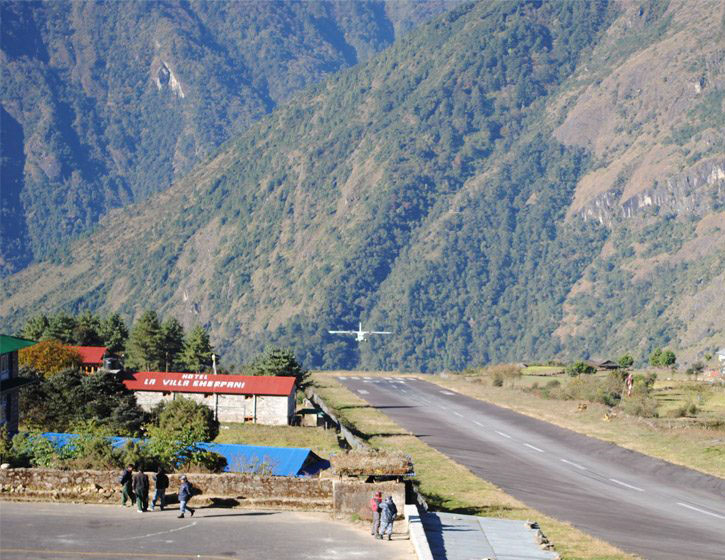
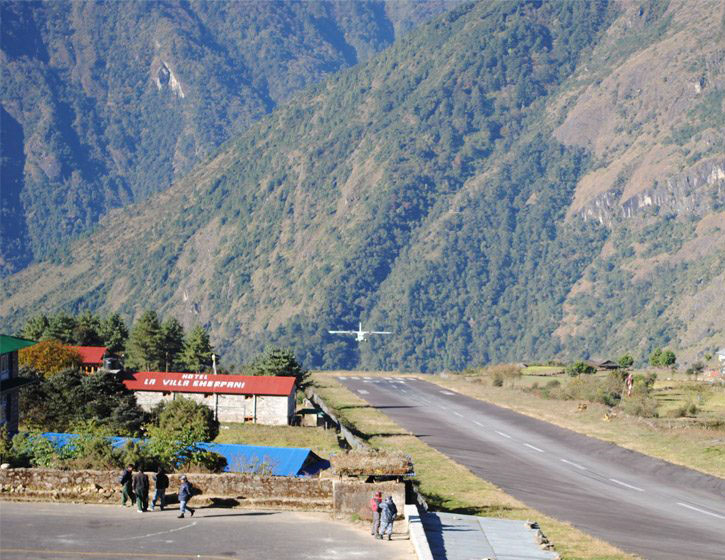
The trek typically begins with a flight from Kathmandu to Lukla, the gateway to the Everest region. Lukla Airport is known for its dramatic approach, perched on a cliff with a short, sloped runway, offering stunning views of the Himalayan foothills. From Lukla, trekkers follow well-established trails through Namche Bazaar, Tengboche, Dingboche, and eventually Chukung. Return transportation usually retraces the trekking route to Lukla for the flight back to Kathmandu. For those seeking alternative routes, helicopter transfers are available for faster access or in cases of limited time or emergencies.
Main Attractions / What We See Chukung Ri Summit
From this vantage point, trekkers enjoy panoramic views of some of the Himalayas’ most iconic peaks, including Everest, Lhotse, Nuptse, Island Peak, and Ama Dablam. Sunrise and sunset transform the landscape into a spectacular display of colors, highlighting the rugged beauty of the mountains. These moments provide unforgettable photo opportunities and a profound sense of connection to the high Himalayas, making the experience truly memorable
Everest Base Camp
The Everest Base Camp (EBC) region offers a close-up view of the dramatic Khumbu Glacier and the world-famous Everest Icefall, showcasing nature’s raw power. Steeped in mountaineering history, this area has witnessed countless legendary climbs and daring expeditions. As the launching point for ascents of Everest and surrounding peaks, EBC provides a unique chance to observe the preparation, challenges, and spirit of high-altitude mountaineering. It is a must-visit destination for adventure enthusiasts
Khumbu Villages
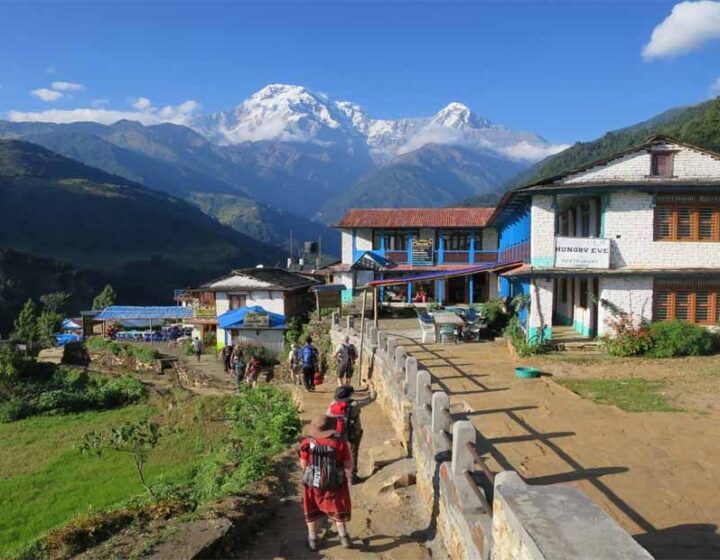
Key stops like Namche Bazaar, Tengboche, Dingboche, and Lobuche offer rich insights into Sherpa culture. Visitors can explore traditional stone and timber architecture, bustling local markets, and sacred monasteries. Each village reflects the resilience and lifestyle of high-altitude communities, with monasteries serving as spiritual centers and cultural hubs. Trekkers witness daily Sherpa life—from farming and yak herding to religious rituals—providing an authentic Himalayan experience that blends culture with breathtaking scenery.
Himalayan Landscape
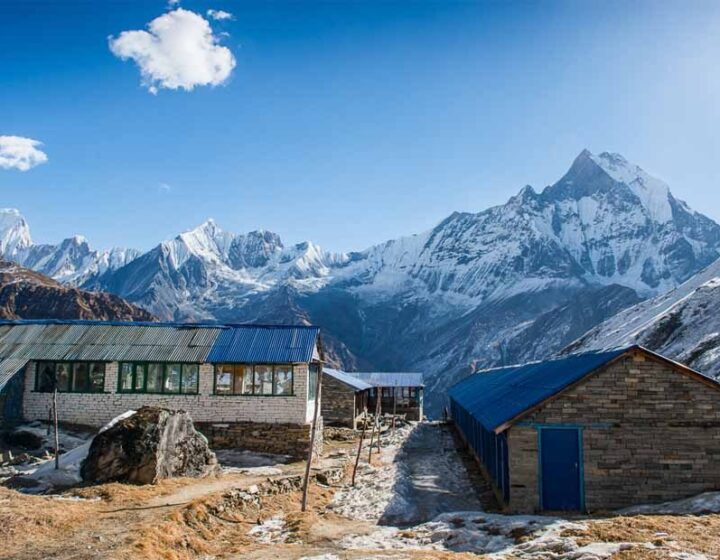
Snow-capped peaks, glacial valleys, and moraines dominate the scenery, complemented by rhododendron and juniper forests in lower sections. The landscapes along the trek change constantly—from dense forests to alpine meadows—creating a dynamic and visually stunning journey that keeps trekkers captivated at every step.
Tengboche Monastery
Perched at 3,867 meters, Tengboche Monastery is the largest and most important monastery in the Khumbu region. Surrounded by peaks like Ama Dablam and Everest, it offers serene panoramic views that inspire reflection and peace. The monastery is a spiritual hub for the Sherpa community, hosting daily prayers and annual festivals such as Mani Rimdu. Visitors can experience Buddhist rituals, hear monks’ chanting, and admire intricate architecture and sacred murals that reflect Himalayan culture and devotion.
Difficulty Level (Active Voice Version)
The trek challenges trekkers with moderate to steep sections, particularly the ascent to Chukung Ri (5,550 m) and Everest Base Camp (5,364 m). Trekkers must tackle long days of walking over uneven and rocky terrain. To avoid altitude sickness, the itinerary includes rest days in Namche Bazaar and Dingboche for proper acclimatization. Although the trek does not require technical climbing, its physical demands and high-altitude conditions suit fit, adventurous travelers
People, Culture, Lifestyle, and Religion (Active Voice Version)
Sherpa communities predominantly inhabit the Khumbu region and earn global recognition for their mountaineering expertise and hospitality. Residents base daily life on agriculture, livestock, and tourism. Villages feature vibrant mani walls, prayer flags, and stone houses with flat roofs. Monasteries function as centers of religious practice and festivals, where locals perform masked dances and rituals. Sherpas warmly welcome trekkers, often inviting them to participate in cultural activities and providing deeper insight into Himalayan life
Crowds/Trek Popularity (Active Voice Version)
Everest Base Camp attracts large numbers of trekkers during peak seasons (spring: March–May, autumn: September–November), while Chukung Ri retains a tranquil atmosphere. This combination allows trekkers to experience both social interaction and isolated exploration. Off-season visits offer solitude, although weather conditions can challenge hikers. The trek balances exposure to popular sites with quieter high-altitude trails.
Flora and Fauna (Active Voice Version)
The Khumbu region boasts a rich variety of flora and fauna. Lower elevations feature rhododendron, pine, fir, and birch forests, which bloom spectacularly in spring. As trekkers ascend, subalpine shrubs and alpine meadows replace dense forests. Wildlife includes Himalayan thar, musk deer, red panda (rare), Himalayan monal pheasant, and various high-altitude birds. This biodiversity enhances the trek’s scenic and ecological appeal.
As elevation increases, vegetation thins, giving way to alpine meadows, mosses, and lichens. Wildlife includes Himalayan thar, musk deer, red panda (rare), Himalayan monal pheasant, and a variety of birds adapted to high-altitude environments. The region’s biodiversity adds to the trek’s scenic and ecological appeal.
Vegetation
Lower elevations (2,800–3,500 m): Mixed forests of pine, oak, and rhododendron. Middle elevations (3,500–4,500 m): Subalpine shrubs, juniper bushes, and alpine meadows. Higher elevations (4,500–5,500 m): Sparse alpine vegetation, moss, and lichen, with glacial moraines dominating the landscape.
Atmosphere
The trek offers a dramatic change of atmosphere as altitude increases. Lower sections are lively, with bustling markets, tea houses, and social interactions. As trekkers ascend to Chukung Ri and EBC, the environment becomes serene, with crisp mountain air, sweeping vistas, and a sense of remoteness. Sunrises and sunsets over Everest create unforgettable moments, while nights are quiet and star-filled, highlighting the isolation and beauty of the high Himalayas.
Best Time to Do the Trek
The most favorable periods for the Chukung Ri and EBC trek are:
Spring (March–May): Clear skies, rhododendron blooms, moderate temperatures, and optimal mountain visibility.
Autumn (September–November): Stable weather, clear skies, and excellent trekking conditions after the monsoon.
Winter treks are possible for experienced trekkers but involve extreme cold and a higher risk of snowfall. Summer (monsoon) brings heavy rains, slippery trails, and clouded mountain views, making it less ideal.
Why Join the Himalayan Realms Treks for Chukung Ri and EBC Trek?
The Himalayan Realms Treks and Expedition Nepal Pvt. Ltd. provides a safe, well-organized, and culturally immersive trekking experience. Highlights include: Expert Local Guides: Knowledgeable about Sherpa culture, Himalayan ecology, and high-altitude safety. Safety and Acclimatization: Trek routes are carefully planned with rest days to minimize altitude sickness risks. Cultural Insights: Visits to monasteries, local homestays, and village interactions. Customized Support: Flexible itineraries, porter services, and personal assistance. Adventure with Comfort: Well-selected teahouses and lodging options ensure a comfortable journey even at high altitudes.
Most popular trekking route in the Everest region
6. Gokyo lake with Renjo-la pass trek
7. Gokyo valley fifth lake trekking
Conclusion
The Chukung Ri & EBC trek with Gokyo, Renjo La, and Mera Peak extensions offers one of the most complete Khumbu experiences. Trekkers pass through culturally rich Sherpa villages, high mountain passes, glacial lakes, and pristine alpine landscapes. Along the way, they witness the world’s highest peaks from multiple perspectives. This journey blends adventure, physical challenge, and cultural immersion for a true Himalayan experience. Himalayan Realms Treks ensures safety, expert guidance, and deep cultural insights. It is perfect for travelers seeking more than a standard EBC trek. Whether summiting Chukung Ri or Mera Peak, crossing Renjo La, or visiting the serene Gokyo Lakes, trekkers will experience unforgettable moments. This journey leaves a lasting impression on anyone passionate about mountains, culture, and adventure.
Short Itinerary
day 01: Arrival Kathmandu
Day 02: Fly to Lukla, then Phakding
Day 03: Phakding to Namche Bazar
Day 04: rest day for acclimatization.
Day 06, Dingboche—rest day for acclimatization
Day 07: Dingboche to Chukung
Day 08, Chukung to Labuche
Day 09, Labuche to Gorekshep</span>
<span style="color: #000000;">Day 10, Gorakshep to pheriche
Day 11: Pheriche to
Namche&amp;lt;/p>
tyle="color: #000000;">Day 12: Namche to Phakding
Day 13: Phakding to Lukla
tyle="color: #000000;">D
ay 14: Lukla to Kathmandu by flight.
Itinerary
Fly from Kathmandu Airport to Lukla Aiport for about 30 minutes. Then, meet all the trekking assistance in Lukla have tea, coffee in the hotel and make all the backpacking and continue trek to Phakding about 3 hrs. The trekking route is a small ridge from where one goes to the Surke and pass below to Chaurikharka. We pass to the field and keep continue to the Thodokoshi about 2 hrs. When we reach Thadokoshi and have lunch. After lunch keep continues the phakding about 1:30 minutes. Stay overnight in Phakding at the teahouse lodge.
After breakfast start walking, today we are walking so beautiful area through marvelous Rhododendron, Magnolia and Fir forest and several Sherpa villages offer welcome teashops and increase of snow peak of Mountain views and finally, we reach Namche Bazar. Namche Bazar is the main touristic area in the Khumbu region and also main shopping center so after lunch surrounding the market area and stay overnight at Namche Bazar in the lodge.
Rest day for acclimatization. After breakfast climb up to Sherpa museum and see the Mountain Everest, Lhotse, Lhotse Shahar, Ama Dablam surrounded Syangboche, Khumjung and to Namche stay overnight at same hotel.
After breakfast start continues trekking lead to Fungi Thenga about 3 hrs lunch at Phungithenga. After lunch climbing up another 2:30 minutes and reaches to Tengboche. From Tengboche, if the good weather we are able to see Mountain Everest, Lhotse, Lhotse Shahar, Ama dablam, Thamserku and many show peaks. Visit Tengboche Buddhist monastery with your guide and descend about 25 minutes to reaches Debuche. Stay Overnight at Debuche in the teahouse.
After breakfast, we continue our trekking we following the Dudhkoshi river about 1 hrs and cross the suspensive bridge and start to up about 1 hrs and reach Pangboche. Pangboche village where what is we can see the Yeti head in the monastery rest couple of minutes and with tea, coffee and continue toward Somare (4100m) lunch at Somare. After Lunch, it is not easy to walk route because after 1200 this area is windy to continue to Dingboche about 2 hrs. Stay overnight at Dingboche in the teahouse.
After breakfast climb to the Thatcher peak about 2-3 hrs. to make acclimatization
Trek from Dingboche to Chhukung (4,730m). The trek is about 3-4 hours long and is relatively easy.Chhukung is a small village located at the foot of Chhukung Ri. Stay overnight at a guesthouse in Chhukung.
Wake up early and climb Chhukung Ri (5,550m). The climb is challenging but offers stunning panoramic views of the Himalayas.
After reaching the summit, descend back to Chhukung.Abter Breakfast trek to Labuche (94900M) Stay overnight at a guesthouse in Labuche .
After breakfast, the trail goes to the Labuche pass its take about 2 hrs. After Labuche pass the trail is gradual up then we following glacier to Gorakshep about 2 hrs. This part is providing for all the tourist marvelous views of Everest, Pumori, Lola, Kalpather, and Everest Base Camp. After reaching Gorakshep and check in the hotel and lunch. After Lunch goes to Everest Base Camp and back to the Gorakshep. Stay overnight at Gorekshep in the teahouse.
Everest Base Camp is the main camp for the Mountaineers situated at the elevation of 5,364 meters. The Trekkers feel very happy to reach there as it makes them a lifetime memory for their adventurous fulfillment.After breakfast back to Pheriche.
descending till Pangboche and cross the Dudkoshi river and lunch in the Devuche after lunch ascending about 45 minutes till to the Tengboche after down to phungithanga about 1:45 and cross the again Dudkoshi river and start to climbing 1 hrs reach to the Kyanjungma after Kyanjumna to Namche is gradually flat about 2 hrs. Stay overnight at the Lodge in Namche.
After breakfast start to descending about 1 hrs to a dhud Koshi river and cross the suspense bridge. Dudhkoshi River to Jorselle is about 1 hrs follow the riverside of Dudh Koshi and reach Jorselle before Jonelle also we need to cross again the suspensive Dhud Dhudh Koshi bridge and reach to Jonelle there has tea, coffee and continue to the Namche Bazaar. After tea, coffee accents a few minutes and cross the bridge of Dhudkoshi and start to up till national park office at Monju village than all the up and down about 2:30 reach to Phakding. Stay overnight phakding in the teahouse.
Phakding to Lukla about 3 hrs.: - slowly walking distance.
From Lukla to Kathmandu by flight approximately 30 minutes about the flight. From Kathmandu, domestic airport transfer to the hotel and day time is rest and visit Thamel area for a souvenir to your family.
today is free or last minute you have few hrs. special shopping for your relatives. If you have more time you can do some shopping or sightseeing then we will drop you to the International airport to catch your flight back to your home and wish for your Safe journey.
Included
- All airport and hotel transfers
- 2-night hotel in Kathmandu with B/B plan.
- National Park permit & Pasang Lhambu village entry permit.
- Flight fare from Kathmandu-Lukla-Kathmandu.
- Accommodation in the tea house, During the trek.
- Food:- Breakfast, Lunch, Dinner and Tea/coffee during trek.
- Guide: – including salary, insurance, equipment, flight, food and lodging.
- Porter: – including salary, insurance, equipment, food and lodging.
- For guest: -Down jacket, Good sleeping bag (down jacket and sleeping bag are to be returned after trip completion).
- Transfer from airport to hotel in Kathmandu
- All government and local taxes.
- Final departure from hotel to international airport transfer.
Not Included
- Food in Kathmandu ( Lunch & Dinner).
- Bakery food during the trek.
- Nepal Visa fee.
- International airfare.
- Extra night accommodation in Kathmandu
- Travel and rescue insurance if guest get mountain sickness and need to rescue helicopter.
- Personal expenses example (phone calls, laundry service , bar bills, battery recharge, WIFI charge, extra porters, bottle water or boiled water, shower etc.)
- Tips for guide and porters
Join Us Upcoming Trips
Book this trip with us. Here are the upcoming dates. Feel free to share this trip with your friends and family. For custom trips or general inquiries contact us.
| Departure Date | Trip Duration | Price | Status | |
|---|---|---|---|---|
| 10 April, 2025 | 13 days | USD $2200 | Fixec departure | |
| 10 April, 2025 | 13 days | USD $05-10-2025 | Fixed departure | |
| 10 November, 2025 | 13 days | USD $2200 | Fixed departure | |
| 15 October, 2025 | 13 days | USD $2200 | Fixed departure | |
| 05 October, 2025 | 13 days | USD $2200 | Fixed departure | |
| 15 December, 2025 | 13 days | USD $2200 | Fixed departure |
Useful Info
Two major trekking sites in Nepal's Everest region are Chukung Ri and Everest Base Camp (EBC). Here's some relevant information regarding both:
Chukung Ri (5,546 m/18,195 ft
Overview
Chukung Ri is a high trekking mountain in the Khumbu region, above the hamlet of Chukung (4,730 m) and close to the Imja Valley. It provides breathtaking panoramic views of some of the world's tallest mountains, including Lhotse (8,516 m), Makalu (8,485m), Ama Dablam (6,812m), and Nuptse (7,861m).
Key Highlights:
Best Alternative to High-Pass Trekking</strong>: Ideal for hikers looking for a hard climb that does not require technical climbing skills.
Incredible Views</strong>: One of the best viewing sites in the Everest region, with close-up views of Island Peak, Ama Dablam, and Baruntse.
Acclimatization Peak is frequently used by climbers training for Island Peak or other Peaks of over 6,000 meters.
To get there, travel from Lukla to Namche Bazaar, Tengboche, Dingboche, Chukung (4,730 m), and Chukung Ri.
"Can be paired with the Everest Base Camp or Three Passes Trek
The finest seasons for trekking are spring (March-May) and autumn (September-November), when the weather is clear and stable.
Everest Base Camp (5,364 metres / 17,598 feet)
Everest Base Camp (EBC) is Nepal's most famous hiking destination, attracting thousands of trekkers each year. It is the starting point for climbers tackling Mount Everest (8,849 meters). </span>
Key Highlights
Kala Patthar (5,545 m) is the greatest viewpoint for Everest because the base camp does not provide spectacular summit views.
Sherpa Culture: Explore Namche Bazaar, Tengboche Monastery, and traditional Sherpa villages.
Glaciers and Icefalls: Close views of the Khumbu Glacier and Icefall are significant. for Everest climbers.</span>
Best Time to Trek: Spring (March–May) and Autumn (September–November) for the best visibility and conditions. Winter (December–February) is possible but extremely cold. Combining Chukung Ri & Everest Base Camp: If you want to trek both Chukung Ri and EBC, the best route is Lukla → Namche Bazaar → Tengboche → Dingboche → Chukung Ri Return to Dingboche → Lobuche → Gorakshep → EBC / Kala Patthar. Descend via Pheriche → Namche Bazaar → Lukla
Difficulty: Moderate to strenuous, with high altitude being the biggest challenge This combination adds an extra acclimatization day in Chukung and helps in better altitude adaptation before reaching EBC
appropriate gear: warm layers, windproof jackets, and proper trekking boots are essential.<br data-start="3272" data-end="3275" />S</strong&gt;tay hydrated & eat we</strong>ll: helps with altitude sickness prevention.
"3350" />Consider a guide or porter:
Gallery
FAQs
-
How difficulty Chuhung-Ri Everest Base Camp trek ?
This trek is categorized as difficult due to high altitude, long duration, and technical sections. However, with proper acclimatization, preparation, and guidance from experienced guides, it is achievable for fit trekkers.
-
How to go Chukung-Ri Everest Base Camp trek?
Kathmandu to Lukla by flight then trek to Phakding. we continues to the Chukung-Ri and Everest Base Camp then back to Lukla by same route.
-
How long does it take to climb Chukung Ri?
The ascent and descent can typically be completed in a day, taking roughly 4-6 hours to ascend and 2-3 hours to descend.
-
What are the risks?
Altitude sickness is a significant risk. Proper acclimatization is crucial. Weather conditions can change rapidly. The trail can be challenging to navigate
-
What kind of gear is needed?
Essential gear includes: Warm, layered clothing. Sturdy trekking boots. Trekking poles. A good-quality backpack. A first-aid kit. Sun protection.