

Trip overview
Overview: Helambu 9-Day Trek
Introduction
The Helambu Trek is a fascinating adventure in the northern part of central Nepal. Known for its breathtaking mountain panoramas, charming villages, and rich culture, this trail offers an authentic Himalayan experience. The trek is relatively moderate, making it ideal for both novice and experienced hikers. Trekkers are rewarded with scenic landscapes, colorful rhododendron forests, and a glimpse into the daily life of local communities. With an 8-day itinerary, the Helambu Trek provides a perfect balance of nature, culture, and adventure.
About Helambu Trek
The Helambu Trek is a classic mid-hill trek, offering a mixture of natural beauty and cultural immersion. The region is known for its clean air, peaceful surroundings, and less crowded trails compared to other popular treks in Nepal. Unlike high-altitude expeditions, Helambu allows visitors to enjoy the Himalayan scenery without extreme physical strain. Trekkers traverse through dense forests, terraced fields, and traditional Sherpa and Tamang villages. This journey also showcases historical monasteries and local temples, providing a spiritual dimension to the adventure.
Location of Helambu Trek
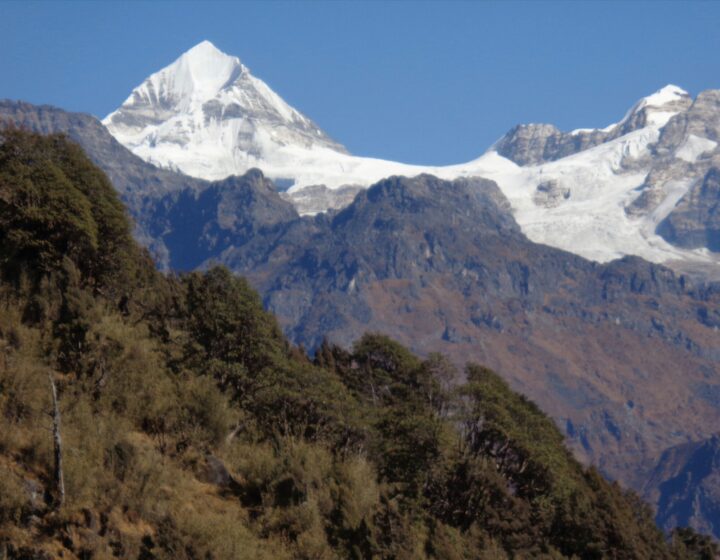
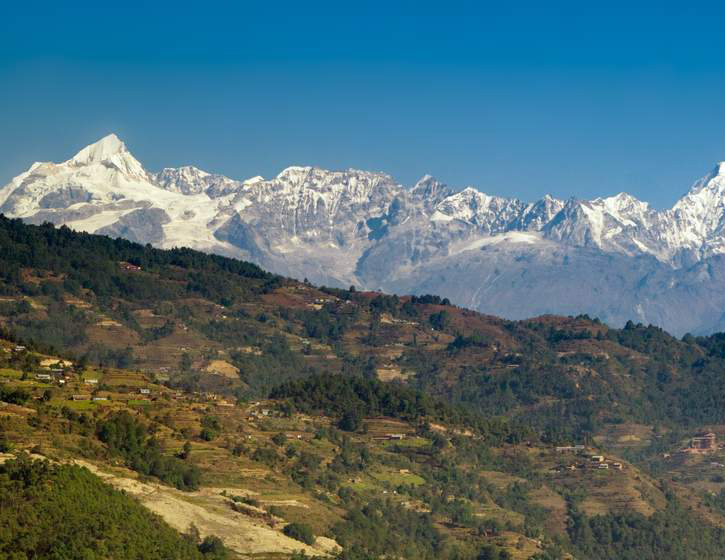
The Helambu Trek is located north of Kathmandu in the Sindhupalchok and Rasuwa districts. The trail starts just a few hours from the capital city, making it one of the most accessible treks in Nepal. The region lies in the lower Himalayan range, with elevations ranging between 1,500 and 3,000 meters (4,900 and 9,800 feet). The route winds along rivers, pastures, and high hills, offering panoramic vistas of mountains like Langtang Lirung and Ganesh Himal.
How to Reach Helambu Trek
Travelers typically begin the trek from Sundarijal, approximately 25 kilometers northeast of Kathmandu. From Sundarijal, you can take a local jeep or bus to the starting point at Chisapani. The route is well-connected by roads and footpaths, and trekking agencies often provide transportation services. Another approach is via Melamchi, which adds variety to the itinerary. The nearest airport is Tribhuvan International Airport in Kathmandu, which is well-connected to international destinations.
People of Helambu
The inhabitants of Helambu are mainly Tamang and Sherpa communities. These ethnic groups are known for their warm hospitality, simple lifestyle, and strong cultural traditions. Villagers live in stone and mud houses with wooden windows, reflecting traditional architecture. Families engage in subsistence farming, animal husbandry, and small-scale trade. Locals speak Tamang and Nepali, and English is commonly used in trekking areas. The communities are peaceful and approachable, offering trekkers a chance to learn about Himalayan culture firsthand.
Accommodation in Helambu
Accommodation along the Helambu Trek is mostly in teahouses and lodges. These are small, family-run establishments that provide basic amenities such as rooms with beds, blankets, and attached or shared bathrooms. Some lodges also serve homemade meals, including traditional Nepali dishes. While simple, these accommodations are comfortable and allow trekkers to immerse themselves in the local lifestyle. In some remote areas, camping may also be available for those seeking a more adventurous experience.
Religious Aspects
Helambu is dotted with ancient monasteries, stupas, and temples. Buddhism is the primary religion, with local monasteries serving as centers of worship and meditation. Visitors can witness monks performing rituals, chanting prayers, and celebrating religious festivals. These spiritual sites add a sacred dimension to the trek, offering moments of reflection and peace amid the mountains. Pilgrims and tourists alike are drawn to Helambu for both its natural beauty and spiritual significance.
Lifestyle of Helambu People
The lifestyle of the people in Helambu is closely tied to agriculture and livestock rearing. Villagers grow crops such as maize, millet, potatoes, and vegetables on terraced fields. Animal husbandry, including cows, goats, and chickens, supplements the economy and daily food supply. Life in Helambu is simple, with an emphasis on community cooperation, traditional crafts, and seasonal celebrations. Festivals such as Lhosar (Tamang New Year) and Buddha Jayanti are observed with music, dance, and cultural rituals. The locals’ lifestyle reflects a harmonious balance with nature and tradition.
Flora and Fauna
The Helambu Trek offers rich biodiversity. The forests are dense with rhododendron, oak, pine, and maple trees. During spring, rhododendrons bloom in vivid colors, creating a spectacular natural display. Wildlife in the region includes Himalayan birds, monkeys, langurs, and occasional sightings of leopards or wild boars. Butterflies and colorful insects also enhance the scenic trails. This natural diversity makes the trek appealing not only for adventure seekers but also for nature enthusiasts and photographers.
Vegetation
Vegetation along the Helambu route varies with altitude. Lower regions feature subtropical forests with bamboo, ferns, and wildflowers. As the trail ascends, temperate forests dominated by oak, rhododendron, and pine appear. Higher elevations have sparse vegetation, with hardy shrubs and grasses adapted to cooler temperatures. The variation in flora provides trekkers with changing landscapes and photo opportunities throughout the journey.
Atmosphere
The atmosphere in Helambu is serene and refreshing. The crisp mountain air, chirping birds, and flowing rivers create a peaceful environment. Villages are tranquil, with minimal noise pollution, allowing trekkers to experience true Himalayan calmness. Mornings are often filled with mist, while afternoons offer clear skies and panoramic views of distant peaks. The combination of nature, culture, and spirituality makes Helambu a rejuvenating destination for body and mind.
Popularity of Helambu Trek
Although not as famous as the Everest or Annapurna treks, Helambu is gaining popularity among domestic and international trekkers. Its accessibility, moderate difficulty, and cultural richness make it a preferred choice for those seeking an authentic Himalayan experience without extreme altitude challenges. The trek is suitable for families, groups, and solo travelers. Moreover, Helambu offers an off-the-beaten-path experience, allowing visitors to explore traditional villages and untouched natural landscapes.
Helambu is connected with another trekking route
The Helambu Trek is well connected with several other trekking routes, making it flexible and ideal for itinerary extension or combination. Below is a clear and simple explanation, suitable for trekking information or website content.
Helambu Trek:
The Helambu Trek, starting from Chisapani and ending at Sermathang or Melamchi, links naturally with other popular and lesser-known trekking trails north of Kathmandu.
Langtang Valley Trek
The Helambu route connects to the Langtang Valley Trek via Tharipati–Gosaikunda. From Tharipati, trekkers can continue towards Laurebina Pass and Gosaikunda Lake, then descend to Dhunche or Syabrubesi. This combination creates a longer trek with higher altitude and dramatic mountain scenery.
Gosaikunda Lake Trek
Helambu is directly linked to the Gosaikunda Trek. After reaching Tharipati (3,690 m / 12,106 ft), trekkers can head north to the sacred alpine lakes of Gosaikunda. This route is popular during the Janai Purnima festival and adds spiritual value to the trek.
Tamang Heritage Trail
From the Langtang side, Helambu can be connected to the Tamang Heritage Trail. This route passes through traditional Tamang villages such as Gatlang and Tatopani, offering hot springs and deep cultural experiences. Combining these routes creates a rich cultural trek with varied landscapes.
Panch Pokhari Trek
From Melamchi or Sermathang, trekkers can extend the journey eastward toward the Panch Pokhari Trek. This is a more remote route, ideal for trekkers seeking quiet trails, high alpine lakes, and fewer crowds.
Shivapuri–Nagarjun National Park
The Helambu Trek begins through Shivapuri–Nagarjun National Park, which connects it with short hikes and trekking routes around Sundarijal, Nagarkot, and Dhap Dam. This makes Helambu one of the closest Himalayan treks to Kathmandu.
Helambu Trek with The Himalayan Realms Treks
The Himalayan Realms Treks and Expedition Nepal Pvt. Ltd. provides professional services for the Helambu Trek. With years of experience, the company ensures safe, enjoyable, and well-organized trekking experiences. Their packages include experienced guides, porters, comfortable accommodations, nutritious meals, and logistical support. The Himalayan Realms Treks emphasizes personalized service, cultural engagement, and responsible tourism practices. Trekkers can rely on the company for a seamless adventure from Kathmandu to Helambu and back.
Conclusion
The 8-day Helambu Trek is an ideal Himalayan adventure combining natural beauty, cultural richness, and a moderate trekking challenge. From dense forests and terraced fields to ancient monasteries and warm local communities, the trek provides an authentic experience of Nepal’s mid-hill region. The journey is accessible, comfortable, and rewarding, offering a chance to connect with nature, culture, and spirituality. With professional support from The Himalayan Realms Treks and Expedition Nepal Pvt. Ltd., visitors can enjoy a memorable and hassle-free expedition. The Helambu Trek is truly a hidden gem, perfect for anyone seeking peace, adventure, and cultural immersion in the heart of the Himalayas.
Itinerary
Your first day of the Helambu Trek begins with a short and scenic drive from Kathmandu to Sundarijal, a popular gateway to the Shivapuri National Park. After entering the park, the trail immediately climbs through dense forest, stone steps, and a series of small water channels that supply drinking water to Kathmandu. You continue walking uphill, passing through Tamang settlements and terraced fields that offer glimpses of rural village life. As you gain altitude, the air becomes cooler and the forest grows thicker with oak, rhododendron, and pine trees. After reaching Mulkharka, the trail rises steadily to the ridge of Deurali. From here, you follow a gentle path toward Chisapani, where the landscape opens to wide Himalayan views. Chisapani is a peaceful hilltop village known for its sunrise and sunset scenery. You settle into a cozy lodge, enjoy warm food, and prepare for the next day’s journey.
These two stops on the Helambu route highlight contrasting altitudes: Chisapani perches on a ridge with sweeping Himalayan views and thin, crisp air, giving trekkers an early taste of high-mountain landscapes. By contrast, Thankune Bhanjyang lies in gentler terrain, nestled among terraced fields and forested slopes, offering a more mellow and sheltered environment. The drop of roughly 385 meters (or about 1,263 feet) between the two points means a shift in both vegetation and climate—trees are denser, and the air feels warmer at Thankune Bhanjyang. This variation in altitude makes the trek more interesting: you gradually acclimatize while moving through very different ecological zones, from ridge-top panoramas to cozy mid-hill communities.
At this stretch of the Helambu Trek, you gain around 650 meters (or 2,130 feet) in elevation from Thankune Bhanjyang to Kutumsang. The trail climbs gradually through ridges and forested terrain, offering a mix of serene Sherpa-farmland scenery, rhododendron woods, and occasional sweeping views of the high Himalaya. This gain in altitude also means a shift in climate — it gets cooler, the air is crisper, and you’re more exposed to higher ridgelines. Trekkers often appreciate this section for its gentle yet rewarding ascent, which builds momentum for the more strenuous climbs that follow.
That means on the trek between Kutumsang and Magengoth, you gain around 1,044 meters, or roughly 3,426 feet in altitude. This segment involves a steady climb up through thick fir and rhododendron forests, gradually rising toward the ridge of Yurin Danda, a high viewpoint. Trekkers may feel the air getting cooler and thinner as they ascend, and the vegetation shifts too — forests become more alpine. By the time you reach Magengoth, you’re in a more remote and tranquil area with “goths” (pastures or seasonal animal sheds) and possibly fewer permanent settlements, giving a real sense of high mountain serenity.
The trek from Magengoth to Thadepati is one of the most scenic sections of the Helambu route. As you leave Magengoth, the trail climbs steadily through dense rhododendron, pine, and fir forests. During spring, these forests glow with bright red and pink blossoms, creating a colorful and refreshing path. As you gain height, the trees become shorter and the landscape opens wider, giving you your first clear views of the Langtang Himalayan range. Snow-covered peaks like Langtang Lirung and Dorje Lakpa begin to appear above the ridgelines, creating a dramatic mountain panorama. The trail follows long, peaceful ridges where you can enjoy silence, cool mountain air, and open views of deep valleys on both sides. Approaching Thadepati, the scenery becomes even broader, with rolling hills, alpine meadows, and clouds drifting below you. Thadepati itself sits on a high, windy saddle and offers a spectacular Himalayan sunset and sunrise.
The walk from Thadepati to Melamchi Gaon is beautiful and peaceful, offering a rich mix of mountain views, forest scenery, and traditional village life. The trail begins with a gentle descent from the wide, windy ridge of Thadepati. As you go down, the landscape changes from open alpine meadows to thick forests filled with rhododendron, pine, fir, and bamboo. Along the way, you can see distant peaks like Dorje Lakpa and the rolling green hills of the Helambu region. The forest is quiet, with the sound of birds and small streams adding to the calm atmosphere. After a few hours, the trail opens to terraced fields and stone houses as you approach Melamchi Gaon. This village is one of the main cultural centers of the Hyolmo (Yolmo) people. You see traditional wooden homes, old monasteries, prayer walls, and spinning prayer wheels. The village sits on a hillside and offers stunning views of valleys and forests below.
The trek from Melamchi Gaon to Tarkeghyang is an enjoyable and culturally rich section of the Helambu region. Leaving Melamchi Gaon, the trail descends gently through terraced fields, small streams, and patches of forest filled with pine, oak, and rhododendron trees. As you walk, you can enjoy views of rolling green hills, quiet valleys, and distant snowcapped peaks. After crossing a small bridge over the Melamchi River, the trail climbs steadily toward Tarkeghyang. This part of the walk passes through peaceful forest and scattered homes, giving you a close look at rural mountain life.
When you arrive at Tarkeghyang, you enter one of the oldest and most important Sherpa and Hyolmo villages in the region. The village is known for its traditional wooden houses, wide stone-paved paths, and the historic Tarkeghyang Monastery. Surrounded by forests and hills, the village offers a calm and welcoming atmosphere, perfect for resting and exploring local culture.
The trek from Tarkeghyang to Sermathang is one of the easiest and most relaxing days in the Helambu region. The trail follows a gentle, almost level path that winds through beautiful forests of pine, rhododendron, and bamboo. As you walk, you can enjoy wide views of rolling hills, quiet valleys, and distant snow peaks such as Dorje Lakpa and the Jugal Himal range. Small Sherpa and Hyolmo villages appear along the way, each with traditional wooden houses, prayer flags, and small chortens that add color to the landscape.
The route also passes through open meadows and farmland, giving you a chance to see local people working in their fields and tending animals. The air feels fresh and calm, making the walk very enjoyable. When you reach Sermathang, you find a large and friendly village known for its monasteries, cultural heritage, and warm hospitality. The area offers wide mountain views and a peaceful atmosphere to rest and explore.
The final day of the Helambu Trek begins with a gentle 4-hour walk from Sermathang to Kakani. The trail passes through lush pine and rhododendron forests, open ridges, and small farmland patches. Along the way, trekkers enjoy expansive views of the surrounding Helambu hills, terraced fields, and distant Himalayan peaks. The walk is relatively easy, offering a relaxed pace to take in the serene atmosphere, listen to birdsong, and appreciate the local villages scattered along the route.
Upon reaching Kakani, you can enjoy lunch at one of the local lodges or resorts, often accompanied by stunning panoramic views of the Kathmandu Valley and the snowcapped mountains beyond. After lunch, a scenic 7-hour drive takes you back to Kathmandu. The drive winds through hills and valleys, passing traditional villages, terraced fields, and occasional rivers. Arriving in Kathmandu, trekkers can relax and celebrate the completion of an 8-day journey through the beautiful Helambu region, carrying memories of forests, mountains, and rich local culture.
On the last day of your Nepal journey, you will be assisted with a smooth transfer from your hotel in Kathmandu to Tribhuvan International Airport (TIA) for your onward flight. After breakfast, check out from the hotel, ensuring all your belongings are packed. Our representative will help with luggage handling, confirm your flight details, and guide you to the vehicle for the airport drive.
The transfer usually takes 30–60 minutes, depending on traffic, and offers a last glimpse of Kathmandu’s bustling streets, local markets, and traditional architecture. During the drive, you may reflect on the highlights of your trek and tour, from the majestic Himalayan views to the warm hospitality of local people. Upon arrival at TIA, you will receive assistance with airport check-in, security procedures, and boarding formalities. Our staff ensures your departure is comfortable, stress-free, and punctual, leaving you with lasting memories of Nepal’s culture, landscapes, and adventures.
Included
- 2 Night accommodation in Kathmandu with a B/B basis plan
- Kathmandu to Sundarijal transfer by Car
- All airport and hotel transfare
- National permit & TIMS permit ( Trekking Information Management System)
- Accommodation, food and tea/coffee during the trek
- Guide:- including salary, insurance, equipment, flight, food, and lodging
- Porter:- including salary, insurance, equipment, food, and lodging
- Transfer from Malemche Bazar to Kathmandu to Kathmandu by private Car
- For guest:-Down jacket, Good sleeping bag (down jacket and sleeping bag are to be returned after trip completion)
- All government and local taxes
Not Included
- Food in Kathmandu Lunch & Dinner)
- Bakery food during the trek. When you eat in the bakery that you need to pay by yourself
- Nepal Visa fee
- International airfare from your country to Kathmandu and from Kathmandu
- Extra night accommodation in Kathmandu
- Travel and rescue insurance if the guest gets mountain sickness and needs to rescue helicopter.
- Personal expenses example (phone calls, laundry service, bar bills, battery recharge, extra porters, bottle or boiled water, shower etc)
- Tips for guide and porters
Join Us Upcoming Trips
Book this trip with us. Here are the upcoming dates. Feel free to share this trip with your friends and family. For custom trips or general inquiries contact us.
| Departure Date | Trip Duration | Price | Status | |
|---|---|---|---|---|
| 04 March, 2026 | 9 days | USD $1370 | Fixed departure | |
| 15 March, 2026 | 9 days | USD $1370 | Fixed departure | |
| 26 March, 2026 | 9 days | USD $1370 | Fixed departure | |
| 05 April, 2026 | 9 days | USD $1370 | Fixed departure | |
| 15 April, 2026 | 9 days | USD $1370 | Fixed departure | |
| 29 April, 2026 | 9 days | USD $1370 | Fixed departure | |
| 10 May, 2026 | 9 days | USD $1370 | Fixed departure | |
| 22 May, 2026 | 9 days | USD $1370 | Fixed departure | |
| 02 October, 2026 | 9 days | USD $1370 | Fixed departure | |
| 14 October, 2026 | 9 days | USD $1370 | Fixed departure | |
| 27 October, 2026 | 9 days | USD $1370 | Fixed departure | |
| 09 November, 2026 | 9 days | USD $1370 | Fixed departure | |
| 23 November, 2026 | 9 days | USD $1370 | Fixed departure | |
| 09 December, 0206 | 9 days | USD $1370 | Fixed departure | |
| 22 December, 2026 | 9 days | USD $1370 | Fixed departure |
Useful Info
Trek Overview
The Helambu Trek is a moderate, culturally rich trek in the northern part of the Kathmandu Valley. It is famous for its scenic beauty, dense forests, traditional Tamang villages, Buddhist monasteries, and views of the Langtang Himalayas. The trek typically starts from Sundarijal or Melamchi, passes through Kutums, Thadepati, Melamchi Gaon, Tarkeghyang, and Sermathang, and ends near Kakani before driving back to Kathmandu.
Duration: 9 days, Trek Type: Moderate, suitable for beginners with reasonable fitness, Best Seasons: Spring (March–May) and Autumn (September–November), Maximum Altitude: Thadepati (~3,400 m)
Trek Difficulty
The trek is moderate in difficulty. It involves gradual ascents and descents through hills, forests, and rural villages.
Paths are mostly well-marked but can be slippery during the rainy season.
Suitable for families, solo travelers, and small groups.
Accommodation
Lodging is tea-house style (basic guesthouses) along the route.
Most provide simple beds, blankets, and meals.
It is recommended to carry a sleeping bag for extra warmth, especially at higher altitudes.
Hot showers may not be available in all locations.
Food and Water
Tea houses offer local meals: dal bhat (rice & lentils), noodles, momos, soup, and vegetables.
Carry water purification tablets or a filter for trekking water.
Snacks such as energy bars, nuts, and chocolates are helpful between villages.
Flora and Fauna
The trek passes through dense forests of oak, rhododendron, pine, and bamboo.
Wildlife includes Himalayan griffons, pheasants, snow pigeons, monkeys, and occasionally langurs.
Spring blooms with rhododendrons add spectacular colors to the landscape.
Cultural Highlights
Helambu is home to Tamang and Sherpa communities.
Villages feature traditional Tibetan-style houses, mani walls, and Buddhist monasteries.
Trekkers can witness local festivals, traditional clothing, handicrafts, and lifestyle rituals.
Packing Essentials
Warm clothing (layers, fleece, jacket)
Hiking boots, trekking poles
Rain gear/poncho
Sunscreen, sunglasses, hat
First-aid kit and personal medications
Water bottle or hydration pack
Camera for photography
Trek Itinerary Highlights
Day 1: Drive from Kathmandu to Sundarijal and trek to Kutums (forest trails, streams, local villages)
Day 2: Kutums → Thadepati (panoramic mountain views, rhododendron forests)
Day 3: Thadepati → Melamchi Gaon (traditional Tamang villages, local culture)
Day 4: Melamchi Gaon → Tarkeghyang (tea gardens, monastery visits)
Day 5: Tarkeghyang → Sermathang (forest walks, panoramic viewpoints)
Day 6: Sermathang → Kakani (~4–5 hrs)
Day 7: Drive back to Kathmandu (~7 hrs), enjoy city exploration or rest
Day 8–9: Optional sightseeing around Kathmandu (temples, Durbar Squares)
Trek Tips
Acclimatization is generally easier since maximum altitude is moderate.
Start early in the morning to avoid afternoon clouds and enjoy clear views.
Respect local culture; ask before photographing villagers or monasteries.
Carry cash, as ATMs are rare along the trekking route.
Why Choose Helambu Trek
Less crowded than the Annapurna or Everest regions.
A perfect blend of culture, nature, and moderate adventure.
Suitable for first-time trekkers or those short on time.
Offers beautiful views of the Langtang Himalayas and Kathmandu Valley hills.
FAQs
-
Where is the Helambu Trek located?
The Helambu Trek lies north-east of Kathmandu, close to the Langtang region. It stretches across the lower Himalayan hills of Sindhupalchok district.
-
What is the maximum altitude on this trek?
The highest point is around 3,650 m at Tharepati Pass.
-
Is the Helambu Trek difficult?
It is a moderate trek. The trails include steady ascents and descents but no technical climbing.
-
What kind of scenery can I expect?
You will see lush forests, terraced fields, alpine meadows, and Himalayan views of Langtang, Ganesh Himal, and Dorje Lakpa.
-
Which communities live in Helambu?
The region is home to Hyolmo (Yolmo) people, along with Tamang and Sherpa communities.
-
What is the culture and religion like?
Buddhism is dominant. You will see monasteries, prayer flags, mani walls, and traditional villages.
-
What accommodation is available?
You stay in tea houses and lodges. Rooms are simple but comfortable.
-
Is food easily available on the trek?
Yes. Tea houses serve Nepali meals (dal bhat) and basic international dishes.
-
Is a permit required?
Yes. You need a Langtang National Park Permit and a TIMS card.
-
How do we reach the starting point?
The trek usually starts with a short drive from Kathmandu to Sundarijal or Melamchi area.
-
What wildlife and vegetation are found here?
You may see rhododendron forests, pine trees, birds, monkeys, and occasional wildlife.
-
Is the Helambu Trek suitable for families?
Yes, it suits active families and first-time trekkers with good preparation.
-
Why choose Himalayan Realms Treks for Helambu Trek?
With decades of trekking experience, local guides, flexible itineraries, and strong safety standards, The Himalayan Realms Treks and Expedition Nepal Pvt. Ltd. ensures a smooth and authentic Helambu experience.