

Trip overview
Overview: Annapurna Circuit 12-day Trek
Introduction
The Annapurna Circuit 12-day trek is one of Nepal’s most classic and diverse long-distance Himalayan journeys. Designed to circle the Annapurna Massif, this trek blends dramatic mountain scenery with deep cultural encounters and changing landscapes. Over twelve well-paced days, trekkers pass from subtropical valleys to high alpine deserts, crossing the famous Thorong La Pass at 5,416 meters. The route is known for its balance of adventure, comfort, and accessibility, making it suitable for fit trekkers who want a complete Himalayan experience without technical climbing.
Location
The Annapurna Circuit lies in central Nepal within the Annapurna Conservation Area, the country’s largest protected region. The trail loops around the Annapurna range, which includes Annapurna I (8,091 m), Dhaulagiri (8,167 m), Manaslu (8,163 m), and many other snow-covered peaks. The circuit stretches across the districts of Lamjung, Manang, and Mustang, connecting deep river gorges, high mountain passes, and ancient trading villages. Its geographical position allows trekkers to experience both the southern green hills and the arid Trans-Himalayan landscapes north of the main range.
How to Reach—Transportation
The trek usually begins with a drive from Kathmandu or Pokhara to the trailhead, commonly at Besisahar or Dharapani. The journey follows the Marshyangdi River and takes around 6–8 hours by private jeep or local vehicle, depending on road conditions. After completing the circuit, trekkers typically exit at Jomsom or Muktinath and continue by road to Pokhara. This flexible access makes the Annapurna Circuit easy to combine with other treks, such as Annapurna Base Camp, Ghorepani–Poon Hill, or Upper Mustang.
Main Attractions
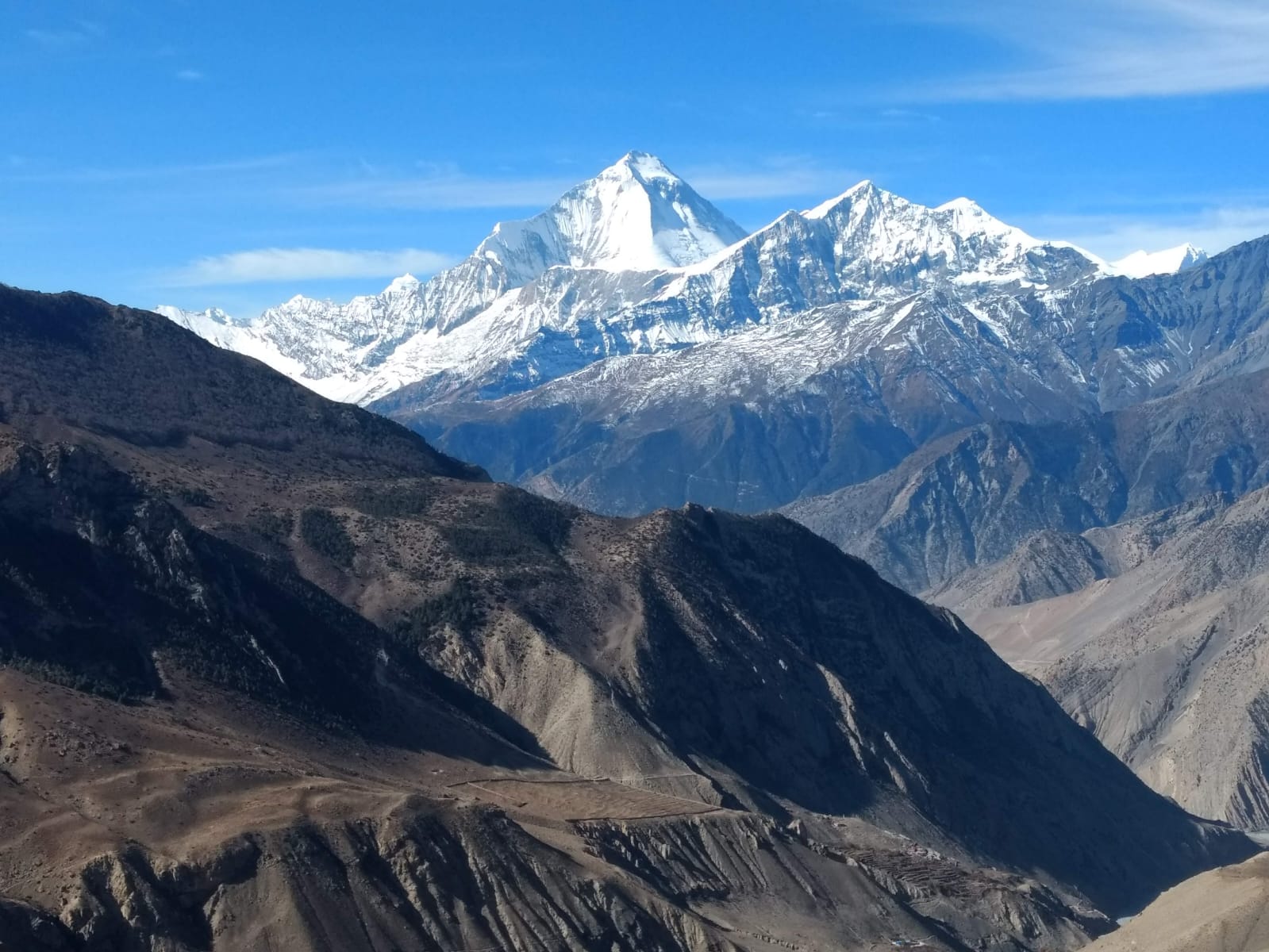
The highlight of the Annapurna Circuit is the crossing of Thorong La Pass, one of the highest trekking passes in the world. Reaching the top is a rewarding achievement, offering panoramic views of the Annapurna and Dhaulagiri ranges. Other major attractions include Manang village, known for acclimatization and mountain views; the sacred site of Muktinath; and the Kali Gandaki Gorge, the deepest gorge on Earth. Natural hot springs, ancient monasteries, and traditional stone villages add depth to the journey.
What We See on the Trail
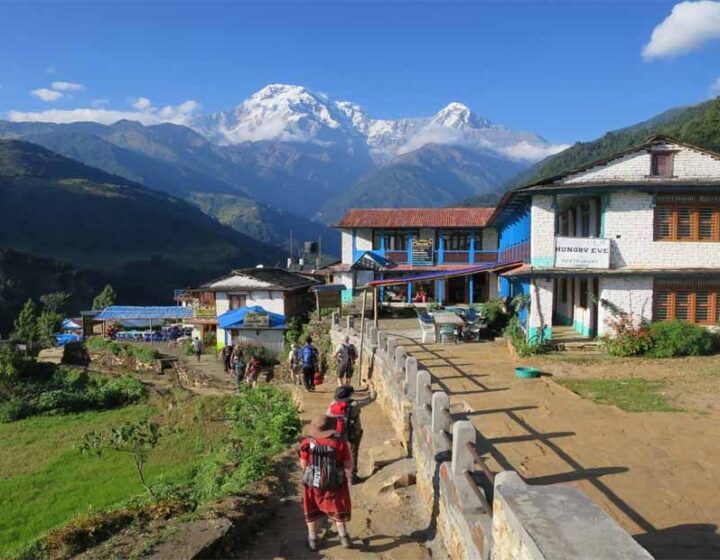
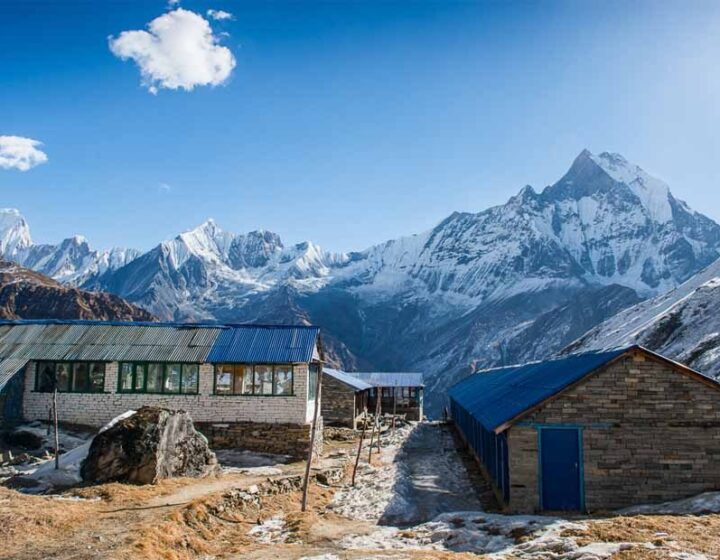
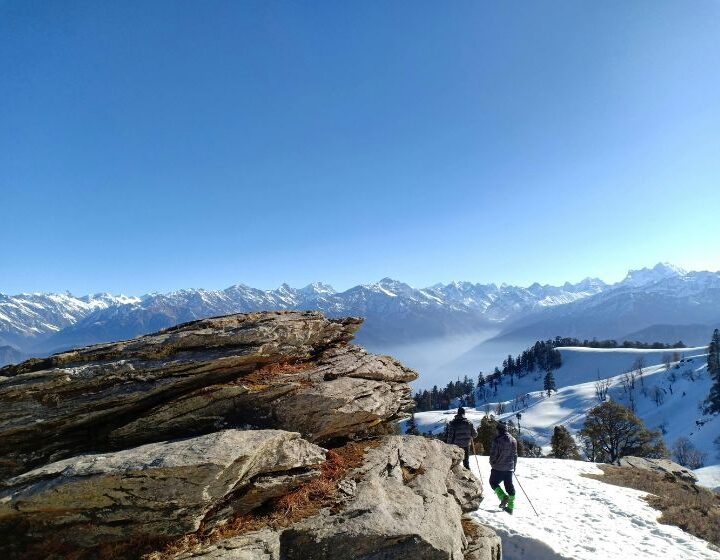
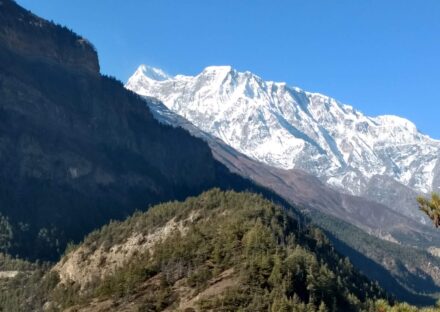
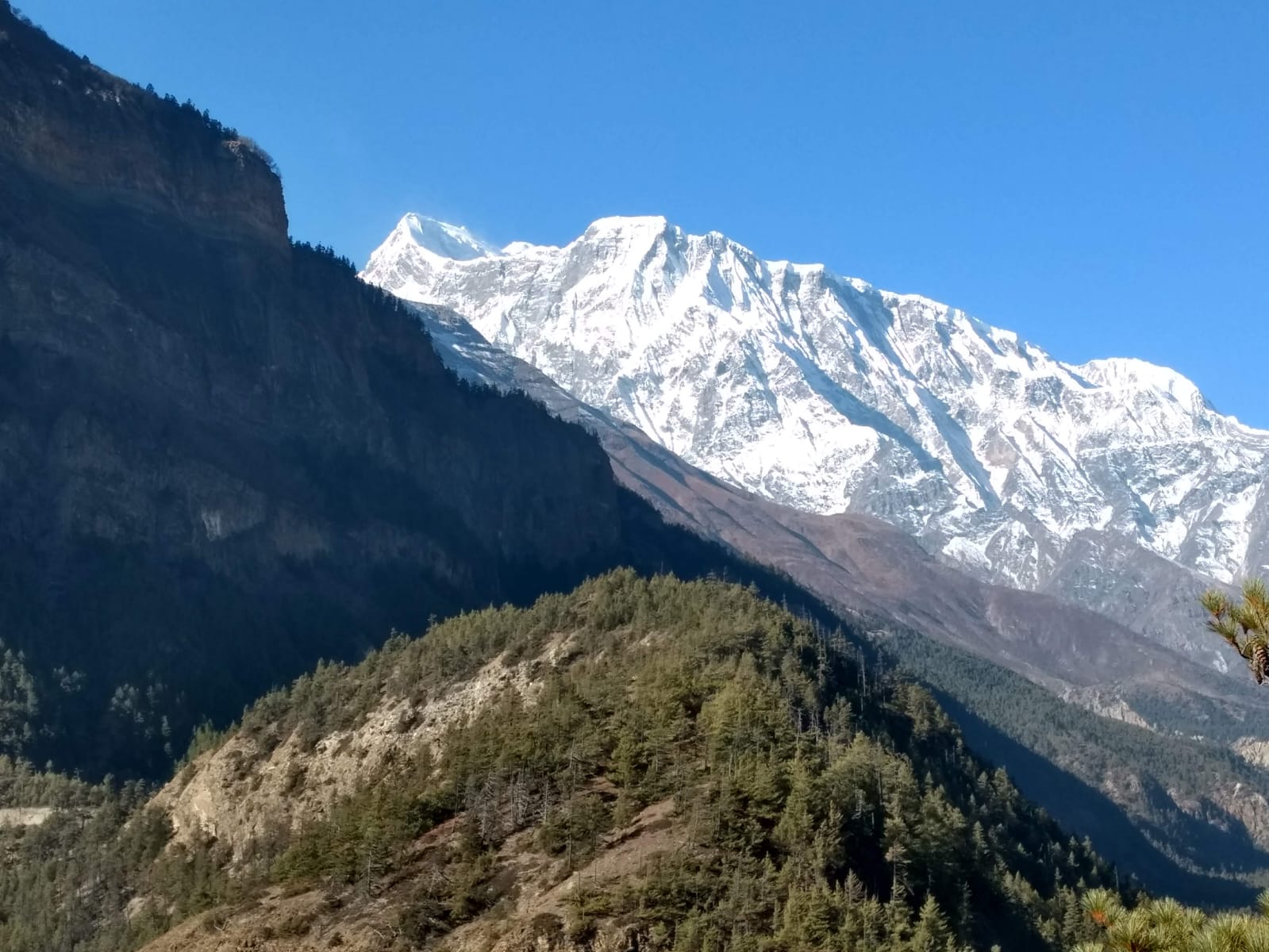
The scenery changes daily along the Annapurna Circuit. Lower sections feature terraced farmland, waterfalls, and dense forests. As altitude increases, the landscape opens into wide alpine valleys with glacial rivers and dramatic cliffs. Snow-capped peaks remain in view for much of the trek. North of Thorong La, the environment becomes dry and wind-sculpted, resembling the Tibetan plateau. Along the way, trekkers encounter prayer flags, mani walls, chortens, and suspension bridges that define the Himalayan trail experience.
How Difficult Is the Trek?
The Annapurna Circuit 12-day trek is considered moderately challenging. No technical skills are required, but good physical fitness and mental endurance are essential. Daily walking hours range from 5 to 8 hours, with gradual altitude gain. The main challenge is the high elevation at Thorong La Pass, where proper acclimatization is critical. With a well-planned itinerary, experienced guides, and steady pacing, most trekkers complete the circuit safely and comfortably.
People and Local Communities
The trek passes through villages inhabited by Gurung, Thakali, Manangi, and Tibetan-influenced communities. Each group has its own language, dress, and traditions. Locals are known for their hospitality and strong connection to the mountains. Many families run teahouses, farms, and small shops, making trekking tourism an important part of the local economy. Interacting with villagers provides insight into mountain life shaped by altitude, climate, and trade routes.
Culture, Lifestyle, and Religion
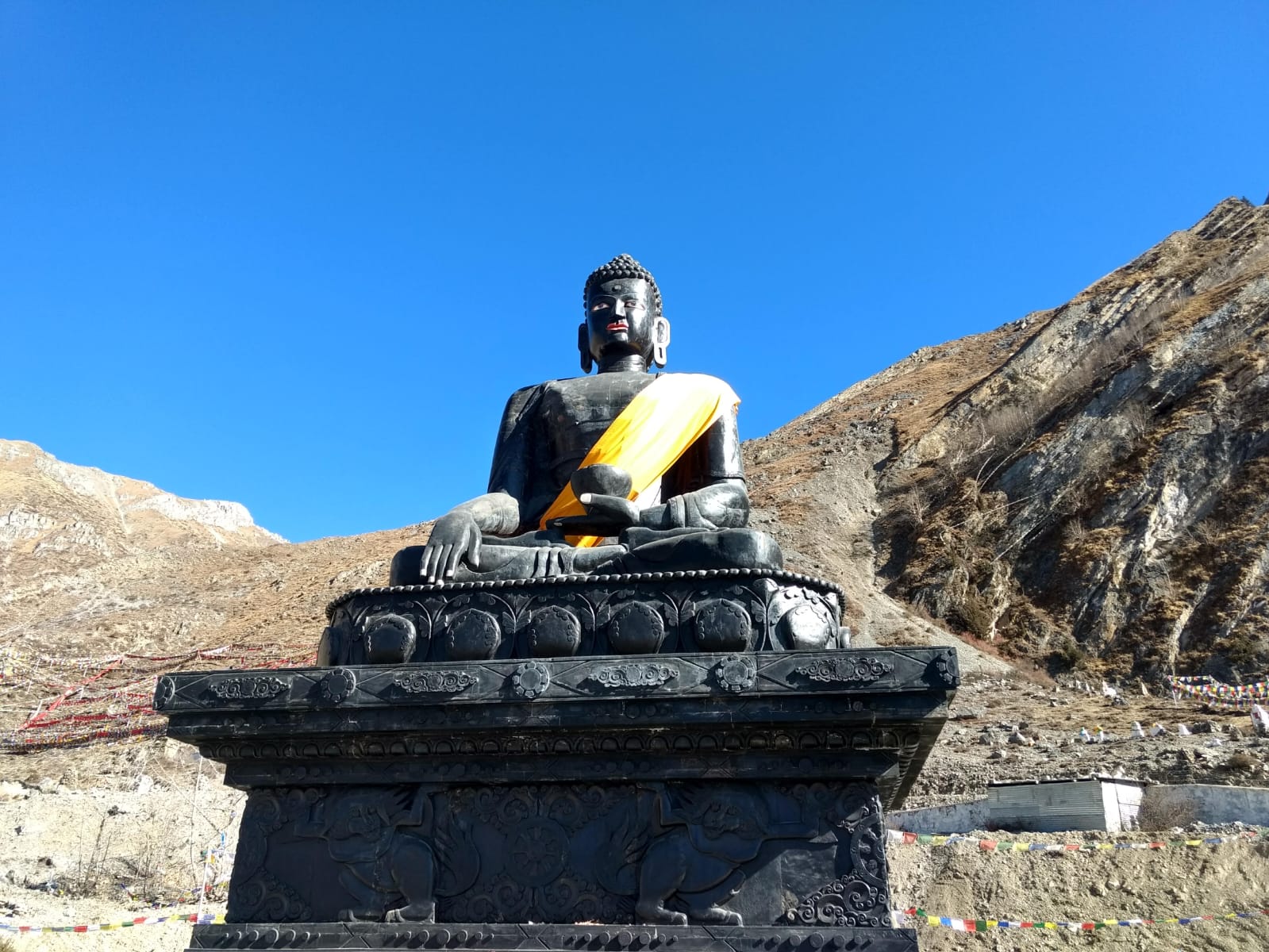
Cultural diversity is a defining feature of the Annapurna Circuit. In the lower regions, Hindu traditions dominate, with temples and festivals linked to agriculture. Higher up, Tibetan Buddhism becomes more prominent. Monasteries, prayer wheels, and chanting monks reflect a spiritual lifestyle rooted in compassion and harmony with nature. Daily life revolves around farming, animal herding, and seasonal trade. The trail is moderately busy during peak seasons but never feels overwhelmingly crowded due to its length and wide distribution of trekkers.
Flora and Fauna
The Annapurna Conservation Area is rich in biodiversity. Forests of rhododendron, pine, fir, and oak cover the lower and mid-hills. In spring, rhododendrons bloom in red, pink, and white. Higher altitudes support juniper, alpine shrubs, and grasses. Wildlife includes Himalayan tahr, musk deer, blue sheep, and, rarely, snow leopards. Birdlife is abundant, with pheasants, eagles, and vultures commonly seen.
Vegetation Zones
Vegetation changes clearly with altitude along the circuit. Subtropical zones near the trailhead feature banana trees and rice fields. Temperate forests appear as elevation rises, followed by alpine meadows above the tree line. Beyond 4,000 meters, vegetation becomes sparse, with hardy grasses and lichens surviving in cold, dry conditions. This gradual transition makes the trek an educational journey through Himalayan ecology.
Atmosphere of the Trek
The overall atmosphere of the Annapurna Circuit is adventurous yet relaxed. Long-established teahouse networks provide comfort, while remote stretches maintain a sense of wilderness. Mornings are quiet, with clear mountain views and crisp air. Evenings are social, as trekkers gather around warm dining rooms. Despite its popularity, the circuit retains a timeless feel, shaped by mountains, weather, and centuries-old paths.
Best Time to Do the Trek
The best seasons for the Annapurna Circuit are spring (March to May) and autumn (September to November). Spring offers stable weather, blooming forests, and clear views. Autumn provides dry trails, excellent visibility, and comfortable temperatures. Winter trekking is possible but cold, with snow at Thorong La. Summer brings monsoon rains, making trails slippery, though the rain-shadow areas remain drier.
Connection to Other Trekking Routes
One of the strengths of the Annapurna Circuit is its connection to other trekking routes. From Manang, trekkers can detour to Tilicho Lake. After crossing Thorong La, the route links naturally with Muktinath, Jomsom, and the Kali Gandaki valley. Many itineraries combine the circuit with Annapurna Base Camp, Ghorepani–Poon Hill, or Upper Mustang, creating longer and more varied Himalayan adventures.
Why Join Himalayan Realms Treks for the Annapurna Circuit
Choosing Himalayan Realms Treks ensures a professionally guided, well-supported Annapurna Circuit experience. With decades of trekking expertise in Nepal, the company focuses on safety, acclimatization, and cultural respect. Experienced local guides, flexible itineraries, and carefully selected teahouses enhance comfort on the trail. Personalized service allows routes to be adjusted and connected with other treks according to interest. Traveling with Himalayan Realms Treks means walking the Annapurna Circuit with confidence, insight, and authentic Himalayan hospitality.
Similarly, Himalayan Realms Treks offers a wide range of trekking routes in the Annapurna region, including both classic trails and off-the-beaten-path adventures. Moreover, these routes cater to trekkers of all skill levels, from beginners seeking a short and scenic trek to experienced hikers looking for a challenging expedition. In addition, the breathtaking landscapes, diverse cultural experiences, and well-established trekking infrastructure make the Annapurna region an ideal destination for adventurers. Below are some of them for your information.
Siklish Trek: 9 days
Kathmandu Chitwan & Pokhara Tours 7/8 Days
Springs Tour: 9 days
Australian camp Tour Nepal for 6 days
Khayar Lake Trekking: 17 days
Purchase Trekking 7 days
Kathmandu, Pokhara and Sarangkot Tour (6 days)
Dhampus, Sarangkot Trek (8 days)
Jomsom Muktinath Trek, 13 days
Mardi Trek 6 days
Conclusion
The Annapurna Circuit Trek is a life-changing journey through Nepal’s most diverse and breathtaking landscapes. From lush subtropical forests and alpine meadows to high mountain passes and arid Tibetan plateaus, this trek offers a rich tapestry of natural beauty and cultural experiences. Crossing the Thorong La Pass at 5,416 meters is both a physical and emotional triumph, rewarding trekkers with panoramic views and a deep sense of accomplishment. Along the way, encounters with warm-hearted locals, ancient monasteries, and spiritual sites enhance the journey. The Annapurna Circuit is more than a trek—it’s an unforgettable adventure into the heart of the Himalayas.
Short Itinerary
Arrival in Kathmandu Tribhuban international airport (1,300 m/4,264 ft).
Drive to Besisahar (2670 m/8677 ft. 5 hrs.)
Drive from Bashisahar to Chame (2,670 m) – 5-6 hrs
Chame to Pising (3200m/10,400ft. 6hrs)
Trek to Manang (3,540 m): 5-6 hrs
Manang: Rest day for acclimatization
Manang to Yak kharka (4060 m/13,020 ft. 4-5 hours)
Yak Kharka to Thorong High camp (4,600m/15,092ft): 3-4 hours
Thorong High camp to Thorong La (5,416m/17764ft) to Muktinath (3,800m/12,467ft): 7-8 hours
Muktinath to Jomsom (2738m/8,900 ft 6-7 hrs)
Jomsom to Pokhara by flight 20 minutes
From Pokhara to Kathmandu by flight
Itinerary
Arrival in Kathmandu Tribhuban international ariport (1,300m/4,264ft): then pick you up and take a short drive from the airport to the hotel check in the hotel and rest for few hrs then we meet again with guide and barging about the trek what we need the equipment for then trek and what time we live from Kathmandu details.
After morning berakfast we start to from Besisahar to chme by four wheel drive will follow Marsyangdhi valley and it passes through many mountain village and beautiful scenery.We stop for a lunch one way it is call Khothe thanti about 1 hrs. After Lunch we keep continue our 4WD drive. It will go through unpaved road so you have to prepare yourself for possible bumpy road. Stay overnight at Chame in Tea house.
After breakfast early in the morning you'll leave for Chame. You will drive on the Kathmandu - Pokhara highway. You will have a panoramic tour of almost 8 hours to get there. You will cross the road from Dumre. Its path deviates from there to the headquarters of Lamjung (Besisahar stay over nithg at Hotel.
continuously cross the river all day, Palling through the narrow and steep sided gorge, Nearing the village of Passing top a ride to get first views of the Manang valley, a wide U-shaped valley hanging between two lions of snow peaks. It also takes approximately 6hrs. Stay overnight at Pisang in Tea house.
After breakfast we trek on the lower trail through lower pisang. We choose this trail as it offers outstanding views of north face Annapurna II, III, IV, Gangapurna, Tilicho and Pisang Peak .as we ascend well feel the air turn cold, dry and harsher.The trail goes through Tibetan settlement and and we get a chance to explore Buddhist culture in a short visit to Barge Monastery, largest in Manang. Stay overnight at Manang in tea house.
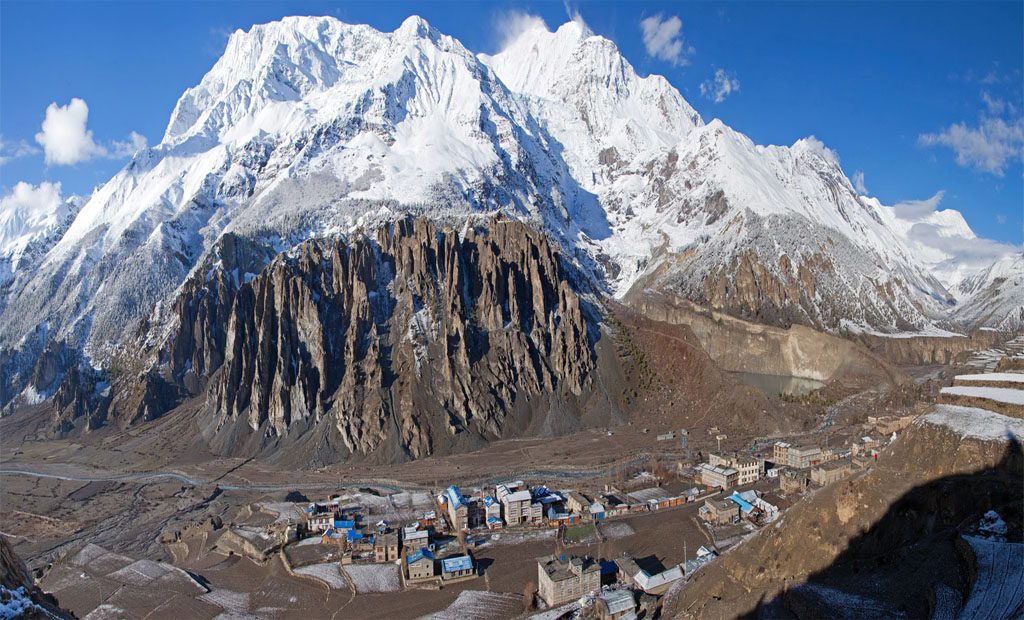
Rest day for acclimatization: A necessary day to rest and acclimatize and explore Manang. The village, of about 500 flat roofed houses, is picturesquely set amounts spectacular scenery; Annapurna II, Annapurna III (24,787ft), Gangapurna (24,457ft) and Chulu East (19,880ft) to the north.
We descend to the uninhabited Khangsar village, pass Tare gumba,a thousand year old monastery then follow a rock wall out of Khangsar to descend a bridge in the Thorong Khola valley.We go across a river ,hike up to a plateau to reach yak kharka .from her you can see Annapurna mountains range, other peaks, blue sheep (bharal) and if you are lucky you might spot a snow leopard.
Stay overnight at Tea house lodge.
After breakfast we are continue our way to the foot of the pass, Throng high camp today. Thorong high camp is a only one teahouse and alwaays busy catering to the needs of tired trekkers and climbers. Trekkers like us use this point as a base camp. Some visitors stay only low camp but a hike to the High Camp today so that the next day can be easier for us. Stay overnight at tea house.
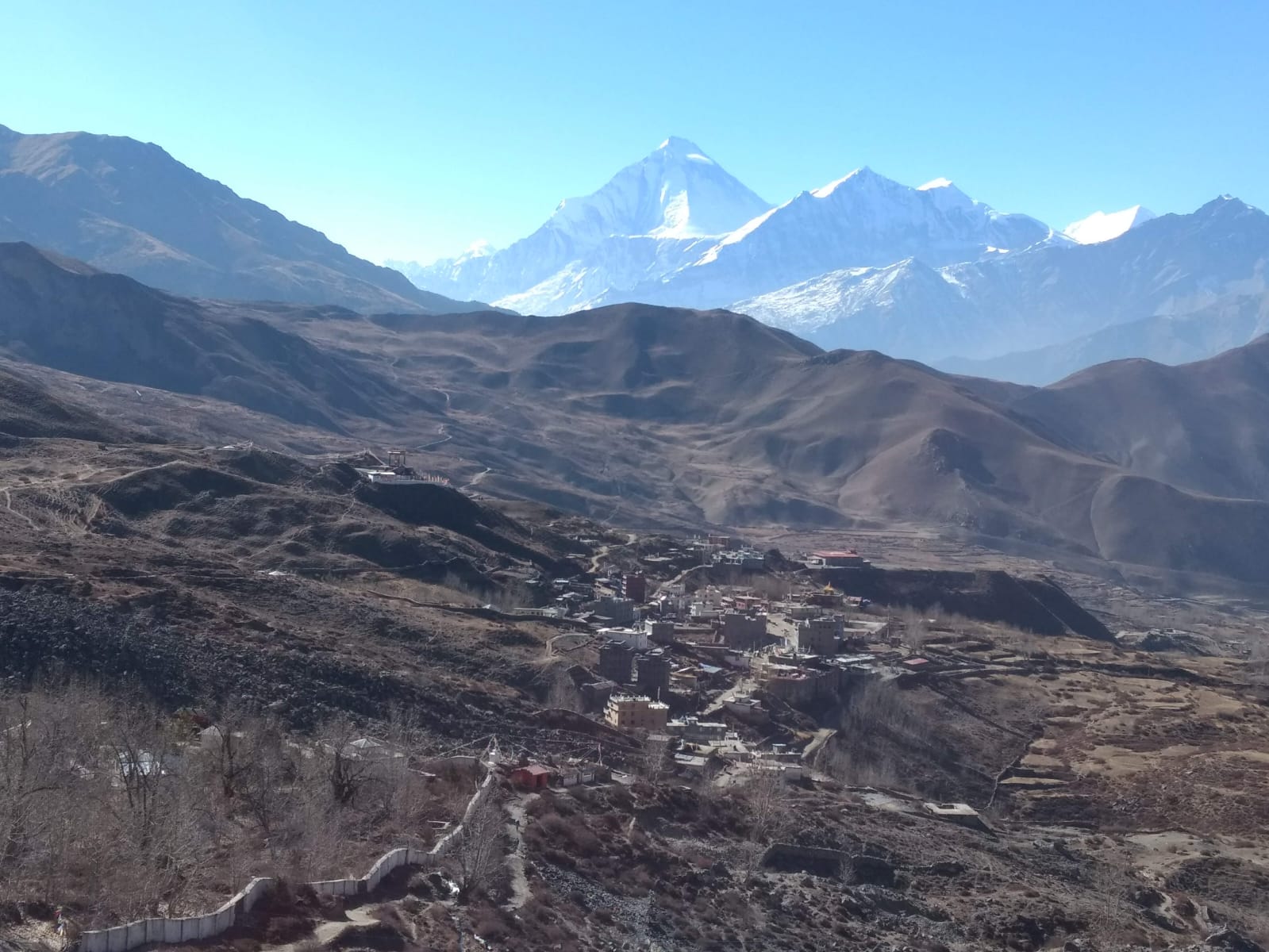
After early fast breakfast we continue our trek to crossing the difficult Thorong La Pass at a dizzying height of 5,416m/17,764ft is another highlight of this trek. An early start is important to go through the icy high-altitude trail. But the picturesque mountain vistas are more than compensates the strenuous walk through the grueling trail. We reach Muktinath by sunset which is an important pilgrimage site for both Hindus and Buddhist. We can stroll around the area which hosts a Vishnu temple and a Monastery nearby. Stay overnight in Muktinath at Tea house lodge.
The trail descends very quickly to the valley floor more than 500ft. below. The descend is through a dramatic arid landscape and continues to Jomsom . After the last few days Jomsom seems almost busy in fact it is a major village on the Kaligandaki trading route.
Early in the morning have light breakfast then go to airport then fly back to Pokhara.
The journey from Pokhara to Kathmandu covers about 210 kilometers and can be done either by road or air. Driving takes 6–7 hours along the Prithvi Highway, passing through rivers, terraced fields, and lively towns, with scenic views of hills and countryside. Though longer, the drive offers a glimpse of Nepal’s rural life. Alternatively, a short 25–30 minute flight provides a faster and more comfortable option, with breathtaking aerial views of the Himalayas and valleys. Whether by road or air, the journey reconnects travelers with Nepal’s vibrant capital, marking the end of a Himalayan adventure.
On your final day in Nepal, our representative will escort you from your hotel to Tribhuvan International Airport for your departure. After breakfast, you may have a little time to enjoy a last stroll around the neighborhood, capture a few photographs, or buy some souvenirs before checking out. Our team will ensure your transfer is smooth and timely, assisting with luggage and making sure you arrive at the airport well ahead of your scheduled flight. The drive to the airport offers one last chance to take in the sights and sounds of Kathmandu’s bustling streets, colorful shops, and vibrant local life. As you head toward the airport gates, you carry not only your belongings but also memories of Nepal’s majestic mountains, warm hospitality, and unique culture. With gratitude and good wishes, we bid you farewell, hoping to welcome you back for another journey in the Himalayas.
Included
- All airport, hotel airport transfers.
- 2-night hotel in Kathmandu
- 1-night hotel in Pokhara
- Conservation premit fee
- Jeep from Besisahar to Chame
- Accommodation in the tea house
- Food, Tea/coffee during trek.
- Guide: – including salary, insurance, equipment, flight, food and lodging.
- Porter: – including salary, insurance, equipment, food and lodging
- For guest: -Down jacket, Good sleeping bag (down jacket and sleeping bag are to be returned after trip completion).
- Flight fear from Jomsom to Pokhara for guest and guide.
- Transfer from Pokhara hotel to Airport
- Transfer from Kathmandu Airport to hotel in Kathmandu
- All government and local taxes.
- All government and local taxes.
Not Included
- Food in Kathmandu ( Lunch & Dinner). Kathmanmdu and Pokhara.
- Bakery food during the trek.
- Nepal Visa fee.
- International airfare.
- Extra night accommodation in Kathmandu.
- Travel and rescue insurance if guest get mountain sickness and need to rescue helicopter.
- Personal expenses example (phone calls, laundry service , bar bills, battery recharge, WIFI charge, extra porters, bottle water or boiled water, shower etc.)
- Tips for guide and porters
- Sightseeing sport fees. tours guide cost and vechicle cost
Join Us Upcoming Trips
Book this trip with us. Here are the upcoming dates. Feel free to share this trip with your friends and family. For custom trips or general inquiries contact us.
| Departure Date | Trip Duration | Price | Status | |
|---|---|---|---|---|
| 12 October, 0025 | 12 Days | USD $2400 | Fixed departure | |
| 13 October, 2025 | 12 Days | USD $2400 | Fixed departure | |
| 27 October, 2025 | 12 Days | USD $2400 | Fixed departure | |
| 05 November, 2025 | 12 Days | USD $2400 | Fixed departure | |
| 15 November, 2025 | 12 Days | USD $2400 | Fixed departure | |
| 28 November, 2025 | 12 Days | USD $2400 | Fixed departure | |
| 05 December, 2025 | 12 Days | USD $2400 | Fixed departure |
Useful Info
1. Best Time to Trek
Spring (March-May): clear skies, blooming rhododendrons, and moderate temperatures.
Autumn (September-November): best weather, clear views, comfortable trekking conditions.
Winter (December-February): cold, snow-covered Thorong La Pass, but fewer crowds.
Monsoon (June-August): Heavy rainfall, slippery trails, leeches, but lush landscapes.
2. Permits Required
Annapurna Conservation Area Permit (ACAP)
Trekkers’ Information Management System (TIMS) Card Permits are available in Kathmandu or Pokhara.
3. Altitude Considerations & Acclimatization
The trek crosses Thorong La Pass (5,416 m)—risk of altitude sickness.
Acclimatization days in Manang (3,540 m) and possibly in Yak Kharka.
Stay hydrated, ascend slowly, and be aware of symptoms like headaches, nausea, or dizziness.
4. Transportation Details
Kathmandu to Dharapani: Private jeep (8-9 hrs) or local bus to Besisahar, then jeep.
Muktinath to Tatopani: Jeep ride available to shorten the trek.
Pokhara to Kathmandu: Tourist bus (6-7 hrs) or flight (25 min).
5. Food & Accommodation
Lodges/teahouses are available throughout the trek but are basic in higher areas.
Dal Bhat (rice, lentils, and curry) is the staple meal, along with pasta, soup, momos, and porridge.
Hot showers and Wi-Fi are available in most places (extra cost in higher altitudes).
6. Packing List (Essential Gear)
Clothing: Layered trekking clothes, down jacket, windproof jacket, gloves, hat, and thermal wear.
Footwear: good trekking boots, warm socks, and gaiters for snow.
Gallery
FAQs
-
How long does the Annapurna Circuit Trek take?
Typically, the trek takes 15 to 20 days, depending on your chosen route, acclimatization needs, and side trips like Tilicho Lake.
-
What is the highest point on the trek?
The Thorong La Pass at 5,416 meters (17,769 ft) is the highest and most challenging point of the trek.
-
What is the best time to trek the Annapurna Circuit?
The best seasons are spring (March–May) and autumn (September–November), offering clear skies, moderate temperatures, and stunning mountain views.
-
Do I need a guide or porter?
While the trail is well-marked and often trekked independently, hiring a guide or porter enhances safety, comfort, and local engagement. Solo trekking may be restricted under new regulations.
-
What permits are required?
ou’ll need: TIMS Card (Trekkers’ Information Management System) ACAP (Annapurna Conservation Area Permit)
-
What kind of accommodation is available?
The route offers teahouse-style lodges, providing basic rooms, local meals, and a warm communal atmosphere.
-
Is altitude sickness a risk?
Yes. Proper acclimatization, hydration, and gradual ascent are key to preventing Acute Mountain Sickness (AMS), especially near Thorong La Pass.
-
Is internet or mobile network available?
Wi-Fi and mobile networks are available in some villages but can be unreliable at higher altitudes. It’s best to inform family or friends before heading into remote areas.