

Trip overview
Annapurna Circuit and Base Camp 18-day Trek
Introduction
The Annapurna Circuit and Annapurna Base Camp trails are both regarded as the most popular trekking routes in Nepal. These two journeys provide different but equally impressive experiences for mountain lovers. The Annapurna Circuit hike encircles the huge Annapurna Massif, crossing villages, rivers, forests, and one of the world’s highest passes. In contrast, the Annapurna Base Camp trek takes travelers deep into the heart of the Himalayas, leading directly to the base of Annapurna I. Both trails show the charm of Nepal’s mountains, its friendly local people, and the beauty of Himalayan landscapes. Because of this, adventurers from all over the globe choose these routes to discover the wonders of the high Himalayas.
About: Annapurna circuit and Base Camp
The Annapurna Circuit is a long trail that circles the Annapurna range, covering diverse scenery from green valleys to dry plateaus. This classic journey usually takes between 15 and 21 days, depending on the route chosen. On the other hand, the Annapurna Base Camp trek is shorter, often taking 7 to 12 days. It leads trekkers directly into the Annapurna Sanctuary, a natural amphitheater surrounded by giant peaks. Both trails are famous for their cultural diversity, traditional villages, and breathtaking mountain views. They are rightly known as the most popular trekking routes in Nepal, attracting thousands of visitors every year.
Location : Annapurna circuit and Base Camp
Both the Annapurna Circuit and Annapurna Base Camp are located in central Nepal, within the Annapurna Conservation Area. This protected region is one of the largest conservation zones in the country. The circuit extends across several districts, including Lamjung, Manang, Mustang, and Myagdi. Meanwhile, the base camp route lies mainly within the Kaski district, not far from the city of Pokhara. The area is surrounded by peaks such as Annapurna I (8,091 m), Dhaulagiri (8,167 m), Machhapuchhre (6,993 m), Annapurna South, and Hiunchuli. Their presence creates a dramatic setting that makes both routes stand out as the most popular trekking routes in Nepal.
How to Go: Annapurna circuit and Base Camp
The Annapurna Circuit trek usually begins with a drive from Kathmandu to Besisahar, a well-known gateway to the trail. Many travelers choose to stay overnight in Besisahar before continuing their journey. From there, a jeep ride to Chame shortens the road section, allowing trekkers to start walking through scenic valleys and villages. The trail then leads toward Pisang, Manang, and higher regions before reaching the dramatic Thorong La Pass, one of the highest trekking passes in the world.
In contrast, the Annapurna Base Camp trek often starts from Pokhara, a beautiful lakeside city that serves as the hub for trekkers. From Pokhara, short drives to trailheads such as Nayapul, Ghandruk, or Kande provide different options to begin the walk. The path gradually ascends through terraced fields, rhododendron forests, and traditional settlements until it reaches the natural amphitheater of Annapurna Base Camp.
Because both routes are accessible by road and offer diverse landscapes, they remain among the most popular trekking adventures in Nepal. The Circuit is celebrated for its high passes and cultural variety, while the Base Camp trek is cherished for its closer encounters with towering Himalayan peaks.
People: Annapurna circuit and Base Camp
The people living along these trails belong to different ethnic groups, each with their own culture and traditions. On the Annapurna Circuit, trekkers meet Gurung, Magar, Thakali, and Manangi communities. Each group has its own language, dress, and customs. On the Annapurna Base Camp trek, Gurung and Magar villages dominate the lower sections. These people are warm and welcoming and often offer homestays or lodges for trekkers. Their hospitality, combined with their rich heritage, makes trekking even more meaningful. Meeting these mountain people is one of the reasons why the circuit and base camp are known as the most popular trekking routes in Nepal.
What Type of Accommodation
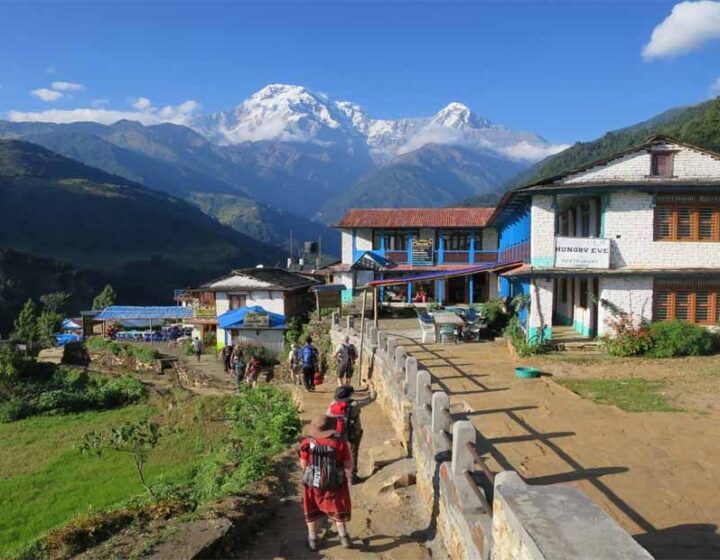
Accommodation on both treks is mainly in teahouses or lodges. Tea houses are small guesthouses run by local families. They provide simple rooms with beds, blankets, and basic facilities. Some places offer hot showers, Wi-Fi, and charging facilities for a small fee. On the Annapurna Circuit, lodges are well-developed due to the long history of trekking in the area. In the Annapurna Base Camp trek, teahouses are also widely available, even at high altitudes. These cozy lodges allow trekkers to enjoy local meals such as dal bhat (rice and lentils), noodles, soups, and bread. Because of this strong lodge network, both trails remain comfortable choices and thus remain the most popular trekking routes in Nepal.
Religious: Annapurna circuit and Base Camp
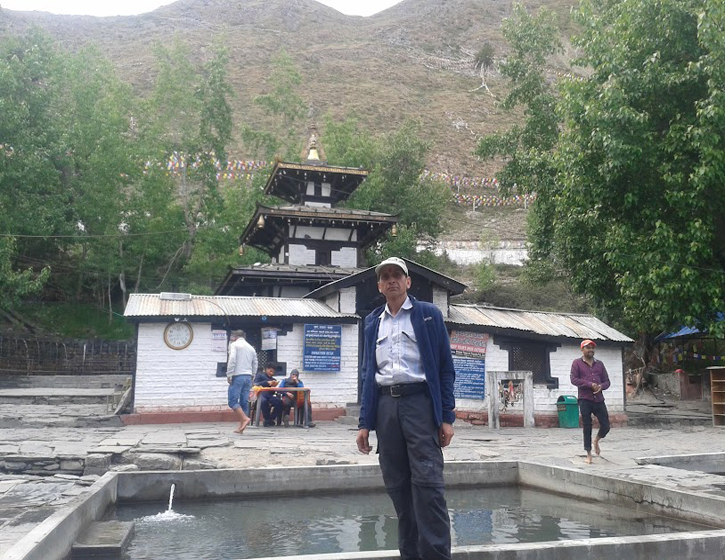
Religion plays an important role in both trekking routes. On the Annapurna Circuit, one can find Hindu temples, Buddhist monasteries, and small stupas. The trail passes through Muktinath, a holy site worshipped by both Hindus and Buddhists. Thousands of pilgrims visit this place every year. On the Annapurna Base Camp trek, Buddhist influence is stronger, with monasteries and prayer flags often seen along the trail. The presence of shrines and spiritual sites adds a sacred touch to the journey, making these trails not only adventurous but also spiritually rewarding. This mixture of adventure and faith has made them the most popular trekking routes in Nepal.
Lifestyle: Annapurna circuit and Base Camp
The lifestyle of the people along these routes is simple and closely tied to nature. Most villagers depend on farming, animal herding, and tourism. They cultivate crops like rice, maize, potatoes, and millet. In higher regions, life is more challenging, with fewer crops but strong community cooperation. Traditional dances, music, and festivals are part of their daily life. Trekkers often get the chance to see these cultural practices. This mountain lifestyle is very different from urban life and adds great value to the trekking experience, making both routes the most popular trekking routes in Nepal.
Flora and Fauna: Annapurna circuit and Base Camp
The Annapurna region is rich in biodiversity. The lower parts of the treks are filled with forests of rhododendron, oak, and pine. As trekkers go higher, vegetation becomes thinner, eventually giving way to alpine shrubs and bare rocks. Wildlife in the area includes langur monkeys, Himalayan thar, blue sheep, and sometimes even snow leopards in remote areas. Birds such as pheasants, eagles, and vultures are also common. This mix of plants and animals makes the Annapurna region one of the most beautiful natural environments and helps it stand out as the most popular trekking route in Nepal.
Vegetation: Annapurna circuit and Base Camp
The vegetation changes dramatically with altitude. At lower levels, subtropical forests thrive with ferns, bamboo, and lush greenery. Mid-altitudes have rhododendron forests that bloom beautifully in spring. Higher up, trees disappear and are replaced by alpine bushes and grasses. Finally, near the base camp or high passes, only mosses and lichens survive. This wide range of vegetation is one of the highlights of trekking in the Annapurna region and contributes to its reputation as the most popular trekking route in Nepal.
Atmosphere: Annapurna circuit and Base Camp
The atmosphere of the Annapurna Circuit and Base Camp treks is one of peace and inspiration. The clean mountain air, the sound of rivers, the chirping of birds, and the sight of snow-capped peaks create a calm yet adventurous environment. The atmosphere changes with altitude: warm and green in lower valleys, cool and refreshing in mid-regions, and cold but breathtaking in high zones. This shifting environment gives trekkers a complete Himalayan experience. Because of this, both routes are counted among the most popular trekking routes in Nepal.
Annapurna circuit and ABC cannect other route.
The Annapurna Circuit Trek and the Annapurna Base Camp (ABC) Trek are connected through several linking routes in the Annapurna region. The most well-known and commonly used connections are explained below in simple terms.
Ghorepani – Tadapani
The Ghorepani–Tadapani–Chhomrong route is the main bridge between the Annapurna Circuit and Annapurna Base Camp trek. Trekkers coming from the Annapurna Circuit usually reach Tatopani or Nayapul, then walk uphill to Ghorepani. From Ghorepani, the trail goes to Tadapani, continues to Chhomrong, and finally enters the Annapurna Base Camp Sanctuary. This route also includes the famous Poon Hill viewpoint, making it very attractive.
Jomsom – Tatopani – Ghorepani
Another classic connection starts from Jomsom or Marpha on the Annapurna Circuit. From there, trekkers walk or drive to Tatopani, famous for its natural hot springs. The trail then climbs to Ghorepani, linking smoothly with the ABC route via Tadapani and Chhomrong. This connection is ideal for trekkers who want both high Himalayan landscapes and lush forests.
Ghandruk – Chhomrong
From the Annapurna Circuit side, trekkers can reach Ghandruk (via Nayapul or Birethanti). Ghandruk directly connects to Chhomrong, which is the main gateway village to Annapurna Base Camp. This route is culturally rich and shorter than other connections.
Upper Mustang is not directly connected to the Annapurna Base Camp (ABC) trek, but it is connected to the Annapurna Circuit. Here is the clear explanation in simple terms:
Upper Mustang
Upper Mustang is an extension of the Annapurna Circuit route. The trek starts after Kagbeni, which lies on the Annapurna Circuit trail between Jomsom Muktinath . From Kagbeni, trekkers head north to Chele, Ghami, Tsarang, and Lo Manthang.
Company and The Himalayan Realms Treks
When choosing to explore these treks, having the right company is important. The Himalayan Realms Treks and Expedition Nepal Pvt. Ltd. offers expert guidance, personalized service, and deep local knowledge. The company ensures that trekkers enjoy safe journeys, comfortable accommodation, and memorable cultural experiences. With decades of experience in the Himalayan region, they help travelers discover the Annapurna Circuit and Annapurna Base Camp in the best way possible. Their dedication and care make trekking more enjoyable and stress-free. With The Himalayan Realms Treks, adventurers can fully experience the charm of the most popular trekking routes in Nepal.
Conclusion
The Annapurna Circuit and Annapurna Base Camp treks are true treasures of Nepal. They combine adventure, culture, nature, and spirituality in a way that few other routes can match. The circuit offers long, diverse journeys through valleys and high passes, while the base camp provides a direct path to the heart of the Himalayas. Both are known worldwide as the most popular trekking routes in Nepal, attracting visitors year after year. With welcoming people, rich traditions, diverse plants and animals, and breathtaking views, these treks remain unforgettable. Choosing The Himalayan Realms Treks ensures a safe, guided, and enriching experience for all who wish to walk these legendary Himalayan trails.
Itinerary
The journey from Kathmandu to Besisahar by tourist deluxe bus usually begins around 7:00 a.m. and takes about eight hours, arriving by 3:00 p.m. The drive follows the winding Prithvi Highway, where travelers can enjoy diverse scenery along the Trishuli and Marshyangdi rivers. On the way, the road passes green hills, terraced farmlands, and charming roadside villages. The bus makes a lunch stop at Malekhu, a small riverside town well known for its fresh fish and local snacks. From here, the road continues with views of rivers cutting through deep valleys, suspension bridges, and traditional settlements. On clear days, glimpses of snowcapped peaks like Ganesh Himal and Manaslu may be seen in the distance. The route also shows Nepal’s rural lifestyle, with farmers working in rice fields, children walking to school, and small tea houses lining the highway, giving travelers a first taste of Nepal’s cultural and natural beauty.
The drive from Besisahar (760 m / 2,493 ft) to Chame (2,670 m / 8,760 ft) by jeep takes about eight hours along a rugged mountain road. The journey begins in the subtropical lowlands of Besisahar, where rice terraces and lush greenery dominate the view. As the jeep climbs higher, the landscape gradually changes, with pine forests, waterfalls, and steep cliffs surrounding the route. Lunch is usually taken at Kopche Pani, a peaceful stop by the river with fresh local meals and a chance to stretch. Beyond this point, the road grows narrower and bumpier, following the Marshyangdi River and crossing suspension bridges. Travelers pass small Gurung and Tibetan-influenced villages, prayer flags, and monasteries that reflect the strong Buddhist culture of the region. As Chame nears, the air becomes crisp, and stunning views of Annapurna II, Lamjung Himal, and other peaks welcome visitors to this mountain gateway.
The trek from Chame (2,670 m / 8,760 ft) to Pisang (3,200 m / 10,498 ft) usually starts around 7:00 a.m. after breakfast. The walk takes about six hours, gradually climbing along the Marshyangdi River. The trail passes through dense pine and fir forests, apple orchards, and traditional villages, with wooden houses and Buddhist prayer walls adding cultural charm. Along the way, trekkers enjoy views of Lamjung Himal, Annapurna II, and Pisang Peak rising sharply above the valley. The air gets cooler as the path climbs, and prayer flags and small stupas mark the spiritual atmosphere of the region. Arriving in Pisang, trekkers can choose from several teahouses and lodges offering simple yet comfortable accommodation. Rooms are usually twin-sharing with warm blankets, while dining halls serve dal bhat, noodles, soups, pancakes, and hot drinks. Pisang itself provides stunning views of Annapurna II and IV, making it a memorable overnight stop.
The trek from Pisang (3,200 m / 10,498 ft) to Manang (3,540 m / 11,614 ft) usually takes about 6–7 hours, depending on which route you choose. Trekkers often start around 7:00 am to enjoy the fresh morning air and clear mountain views. There are two main routes: the lower trail through Hongde and the upper trail via Ghyaru and Ngawal. The upper route is longer but offers breathtaking views of Annapurna II, III, IV, Gangapurna, and Tilicho Peak, along with traditional villages, monasteries, and terraced fields. The lower trail is easier and passes through forests and cultivated valleys. Along the way, prayer flags, mani walls, and Buddhist shrines enrich the cultural atmosphere. On reaching Manang, trekkers find a wide range of accommodation from basic teahouses to more comfortable lodges, with attached bathrooms, dining halls, and varied menus. Manang is also ideal for acclimatization, with many side hikes available.
A rest day in Manang (3,540 m / 11,614 ft) is very important for acclimatization before heading to higher elevations. Trekkers usually spend an extra night here to let the body adjust to the thinner air. The day often starts leisurely, with time to explore the charming village and enjoy views of Annapurna III, Gangapurna, Tilicho Peak, and Chulu ranges. Popular side hikes include the short climb to Gangapurna Lake and its glacier, which offers a stunning panorama of the valley, or a hike up to the Bhojo Gompa or the Chonkar viewpoint. For those seeking a longer walk, an excursion towards Ice Lake is also an option, though more demanding. The village has cultural attractions such as ancient monasteries, mani walls, and traditional stone houses reflecting the Tibetan-influenced lifestyle. Accommodation in Manang is well-developed, offering comfortable lodges, warm dining halls, and bakeries where trekkers can relax and prepare for the higher trail.
The trek from Manang (3,540 m / 11,614 ft) to Yak Kharka (4,050 m / 13,287 ft) is a gradual but steady climb that usually takes about 4–5 hours. Most trekkers start around 7:00 am after breakfast to enjoy the cool, clear morning. The trail begins with a gentle ascent out of Manang, passing through Tenki village, and then follows the valley northward along the Jarsang Khola. As the path rises, the landscape becomes drier and more alpine, with fewer trees and more open grasslands where yaks and horses graze. Along the way, trekkers enjoy magnificent views of Annapurna II, Annapurna III, Tilicho Peak, and Gangapurna. Mani walls and small chortens mark the route, adding a cultural touch to the natural beauty. Yak Kharka itself is a small settlement with a handful of lodges and teahouses that provide simple but comfortable accommodation, warm dining halls, and hearty meals for trekkers preparing for higher altitude.
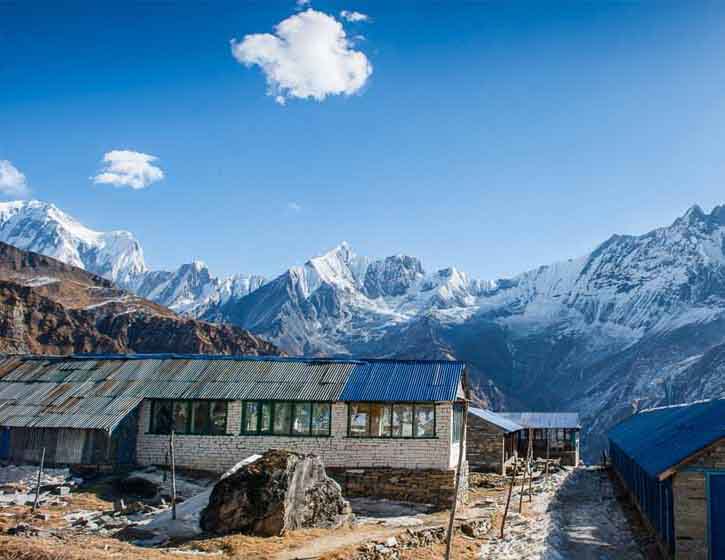
The trek from Yak Kharka (4,050 m / 13,287 ft) to Thorong High Camp (4,880 m / 16,010 ft) is a demanding but rewarding part of the Annapurna Circuit. The journey usually takes 5–6 hours, so most trekkers begin around 7:00 am. The trail first climbs gradually to Ledar village (4,200 m / 13,779 ft), where a few lodges offer tea and rest. From there, the path continues along a narrow route above the Kone Khola, crossing a small wooden bridge before a steep ascent to Thorong Phedi (4,540 m / 14,895 ft). Many trekkers stay here, but stronger hikers continue up another steep and rocky section to reach High Camp. The climb from Phedi to High Camp is short but strenuous, taking about 1–1.5 hours. Along the way, trekkers are treated to views of the Annapurna range, Chulu peaks, and barren alpine landscapes. At High Camp, accommodation is basic, with stone-built lodges offering dormitory-style rooms, warm meals, and a cozy dining hall to rest before the big pass crossing.
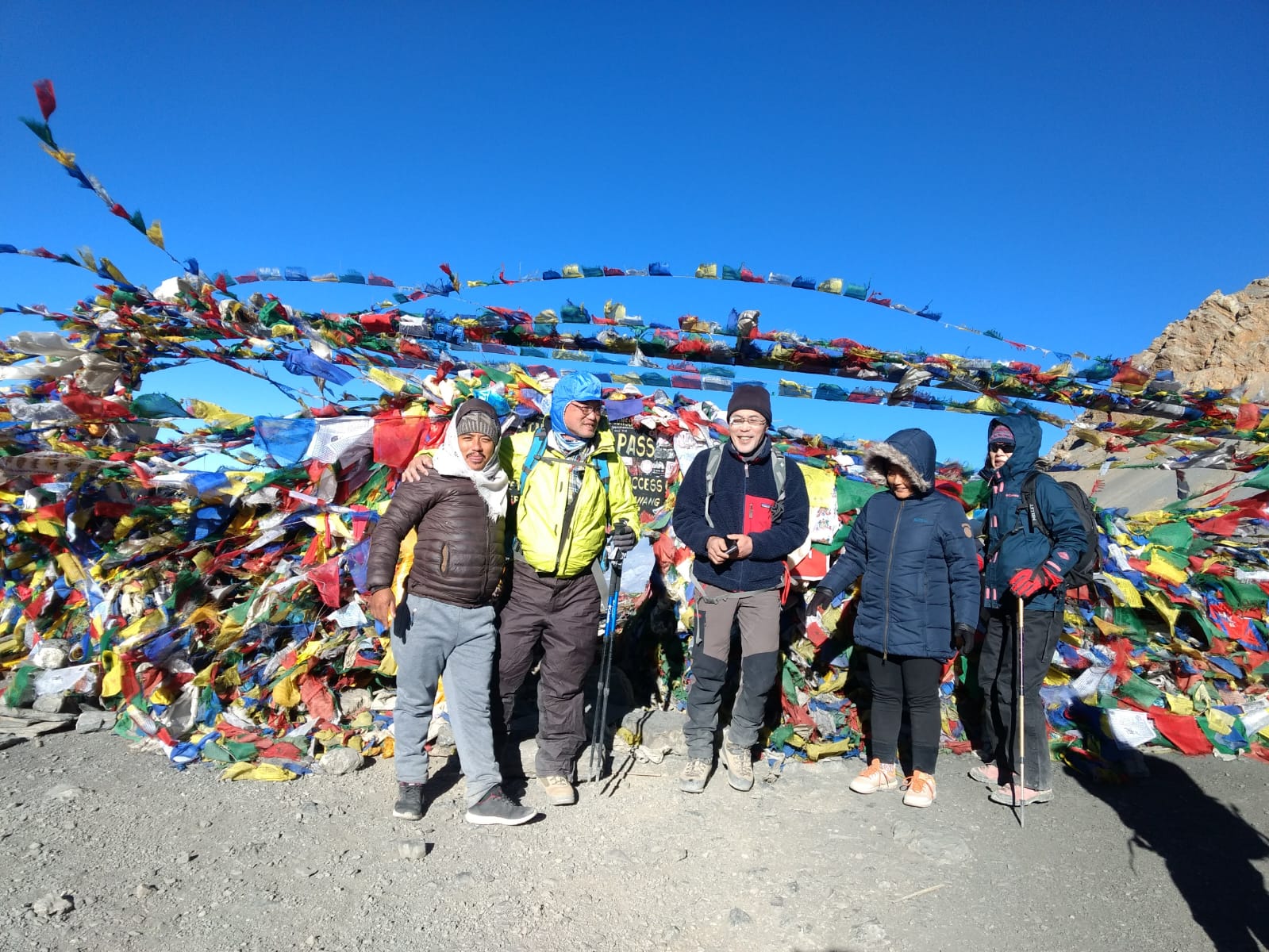
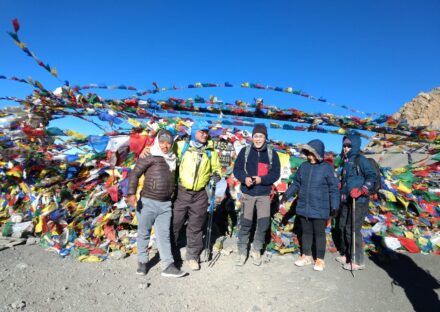
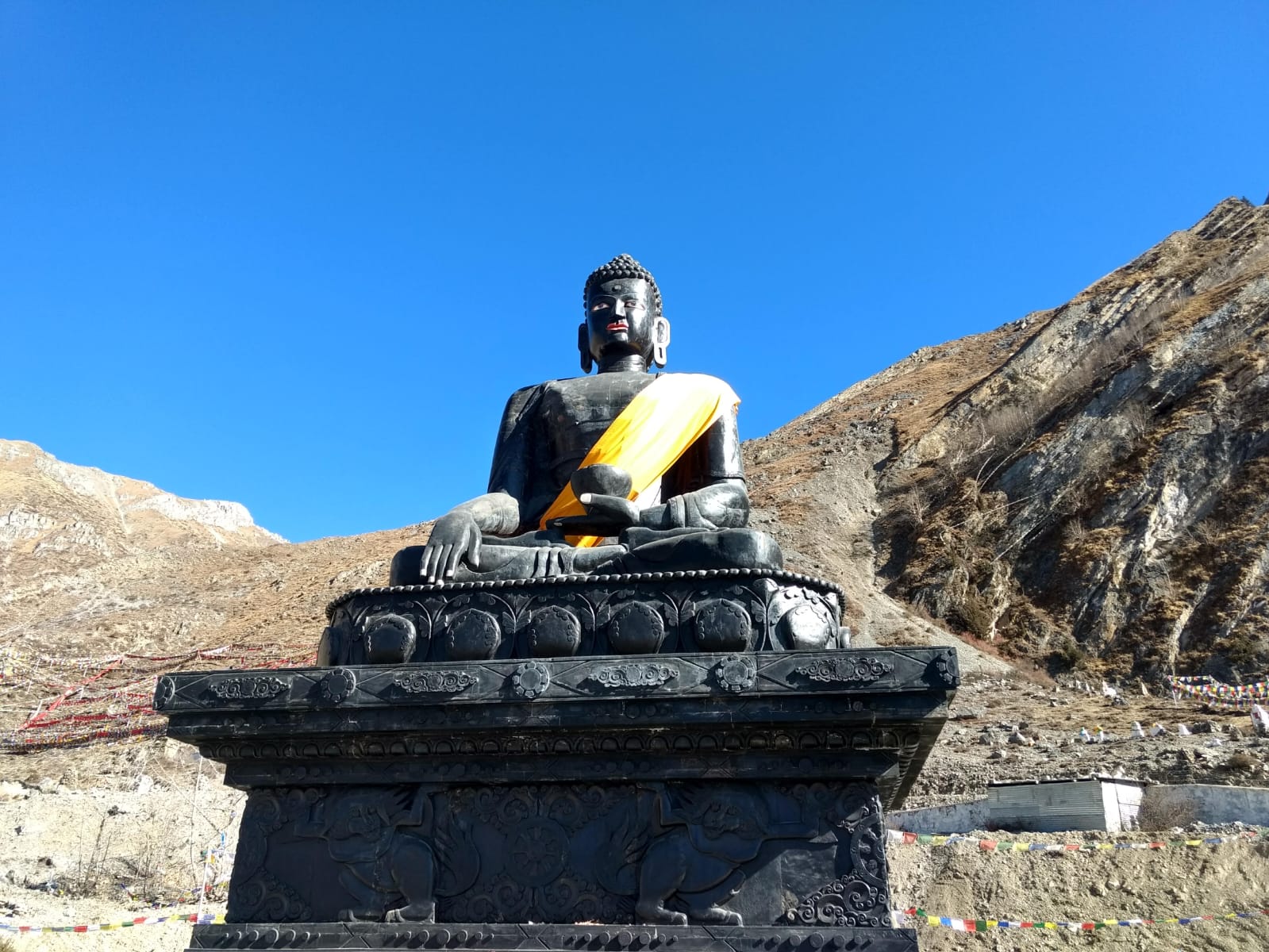
The trek from High Camp (4,880 m / 16,010 ft) over Thorong-La Pass (5,416 m / 17,769 ft) and down to Muktinath (3,760 m / 12,335 ft) is the longest and toughest day of the Annapurna Circuit, usually 8–9 hours of walking. Trekkers start very early, often around 4:00–5:00 am, to cross the pass before strong winds rise. The climb to Thorong-La is slow and steady, with the thin air making each step challenging. At the top, colorful prayer flags, a small chorten, and a signboard mark the famous pass, offering breathtaking views of Annapurna, Dhaulagiri, Manang Valley, and the Mustang region. After spending some time enjoying the scenery, the trail begins a steep, rocky descent that lasts several hours toward Muktinath. The landscape changes dramatically, from snowy high passes to the arid, desert-like terrain of Mustang. In Muktinath, trekkers find comfortable lodges, as well as the sacred Hindu and Buddhist temple complex, famous for its eternal flame and holy water spouts.
The trek from Muktinath (3,760 m / 12,335 ft) to Jomsom (2,720 m / 8,923 ft) takes about 5–6 hours, mostly downhill. Trekkers usually start around 7:00 am to enjoy a calm morning before the strong winds pick up in the Kali Gandaki Valley. The trail descends through Jharkot and Kagbeni, two beautiful villages known for their Tibetan-style houses, monasteries, and traditional culture. Jharkot offers views of the Nilgiri and Dhaulagiri ranges, while Kagbeni marks the gateway to Upper Mustang, with its medieval alleys and chortens. The walk then follows the wide, barren valley of the Kali Gandaki River, where the landscape is dry, windy, and dramatic. Fossils known as “Shaligrams” can sometimes be found along the riverbed. Jomsom, the district headquarters of Mustang, offers a mix of modern facilities and traditional charm. Accommodation here is comfortable, with lodges, bakeries, and shops, making it a relaxing stop before flying or driving onward.
From Jomsom (2,720 m / 8,923 ft), many trekkers take a local bus or jeep to Tatopani (1,200 m / 3,937 ft), a journey of about 6–7 hours. The road follows the Kali Gandaki Valley, passing through beautiful settlements like Marpha, famous for its apple orchards and brandy, and Ghasa, known for its lush greenery and waterfalls. The drive offers changing scenery, from the dry, barren landscapes of Mustang to the warmer subtropical climate of lower valleys. Roads can be rough and bumpy, but the journey is full of adventure, with dramatic views of Dhaulagiri, Annapurna, and Nilgiri peaks. Upon reaching Tatopani, trekkers often enjoy the natural hot springs, which are believed to have healing properties for sore muscles and fatigue. Accommodation in Tatopani ranges from simple teahouses to more comfortable lodges, many with gardens and cozy dining areas. Spending a night here gives both relaxation and a refreshing break before continuing the trek or drive.
The trek from Tatopani (1,200 m / 3,937 ft) to Ghorepani (2,875 m / 9,432 ft) is a challenging uphill climb that usually takes 7–8 hours. Trekkers often begin early around 7:00 am to avoid the midday heat. The trail ascends steeply through villages like Sikha and Chitre, where you can see terraced fields of rice, millet, and barley, as well as rhododendron and oak forests. Along the way, you pass through charming Gurung and Magar settlements, experiencing their traditional houses, cultural lifestyle, and warm hospitality. The route also provides changing views of the Annapurna and Dhaulagiri ranges as you gain altitude. Ghorepani itself is a lively trekking village with plenty of lodges and teahouses that offer cozy rooms, warm dining halls, and hearty meals. From here, most trekkers prepare for the early morning hike to Poon Hill, one of the most famous viewpoints for sunrise over the Himalayas.
The trek from Ghorepani (2,875 m / 9,432 ft) to Tadapani (2,630 m / 8,629 ft) with the sunrise hike to Poon Hill (3,210 m / 10,531 ft) is one of the most rewarding days of the journey. Trekkers usually wake up around 4:30 am and climb for about 45 minutes to reach Poon Hill. From the top, you can witness a breathtaking sunrise over Dhaulagiri, Annapurna, Machhapuchhre (Fishtail), and the Nilgiri ranges, with golden colors spreading across the Himalayas. After returning to Ghorepani for breakfast, the trail heads toward Tadapani. The walk takes 5–6 hours through dense rhododendron and oak forests, especially beautiful in spring when the rhododendrons bloom. You also pass streams and waterfalls and enjoy occasional clearings with mountain views. Tadapani is a small settlement with a cluster of teahouses providing basic but comfortable rooms, warm dining halls, and traditional Nepali as well as international meals, making it a cozy overnight stop.
The trek from Tadapani (2,630 m / 8,629 ft) to Chomrong (2,170 m / 7,119 ft) takes about 5–6 hours and is filled with both steep descents and climbs. The trail first drops sharply through dense rhododendron and oak forests to reach the village of Chuile, then continues down toward the Kimrong Khola river. After crossing the bridge, trekkers face a steady uphill climb through terraced farmland and scattered Gurung settlements. Along the way, there are excellent views of Annapurna South, Hiunchuli, and Machhapuchhre (Fishtail), which seem closer as you approach Chomrong. The village itself is the gateway to the Annapurna Base Camp trail and is famous for its well-organized lodges, friendly hospitality, and panoramic mountain scenery. Accommodation in Chomrong is among the best in the region, with teahouses offering comfortable rooms, attached bathrooms in some lodges, bakeries, and warm dining halls, making it a pleasant place to rest and prepare for onward trekking.
The trek from Chomrong (2,170 m / 7,119 ft) to Dovan (2,600 m / 8,530 ft) usually takes about 5–6 hours. The trail begins with a steep descent from Chomrong through rhododendron and oak forests to cross the Chomrong Khola via a suspension bridge. After crossing, the path gradually ascends through dense jungle, past small waterfalls, streams, and terraced fields, offering glimpses of Annapurna South, Hiunchuli, and Machhapuchhre (Fishtail). Trekkers may also encounter bamboo groves and occasional sightings of Himalayan birds and monkeys along the way. Dovan is a small settlement nestled in a serene forested valley, providing basic yet comfortable teahouse accommodations. Lodges here offer warm rooms, simple meals, and dining areas where trekkers can rest after the long day. This stop is a popular overnight point for those heading toward Deurali or Machhapuchhre Base Camp, giving time to recover before the next day’s climb through higher terrain.
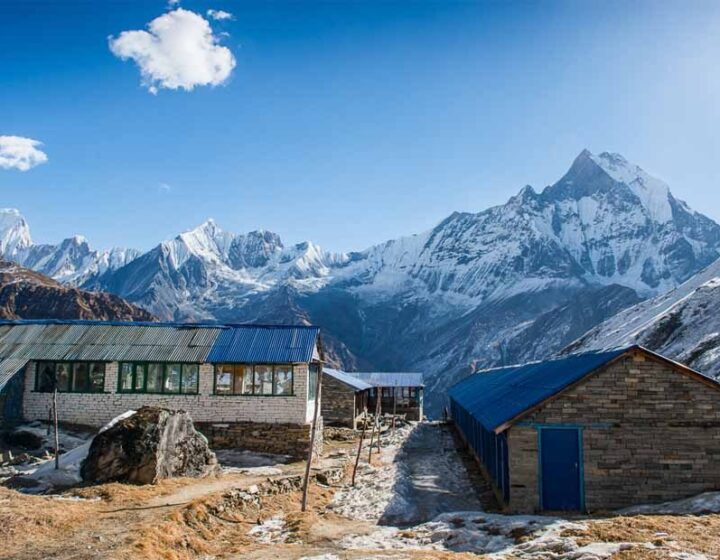
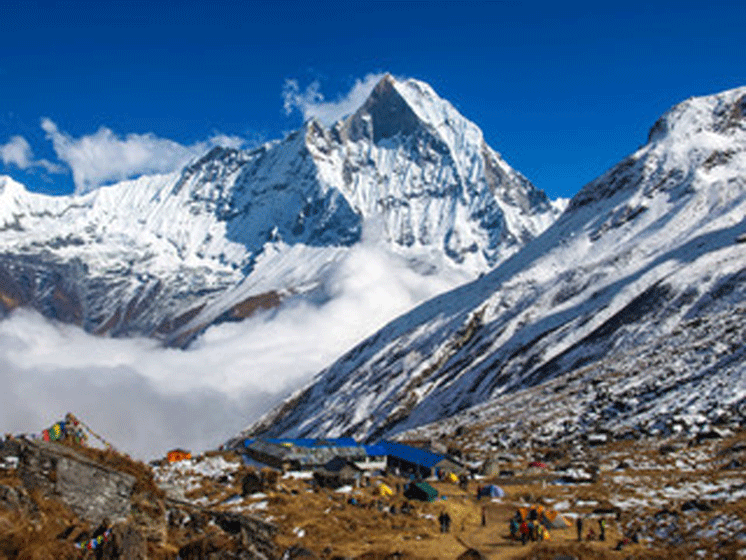
The trek from Dovan (2,600 m / 8,530 ft) to Annapurna Base Camp (ABC, 4,130 m / 13,549 ft) is a full-day adventure, usually taking 6–7 hours. The trail first ascends gradually through bamboo and rhododendron forests, passing small streams and waterfalls. After a few hours, trekkers reach Himalaya and Deurali (3,230 m / 10,597 ft), where the forest begins to thin and views of Annapurna South, Hiunchuli, Machhapuchhre (Fishtail), and Gangapurna become more dramatic. Beyond Deurali, the path continues with steeper sections, crossing moraines and glacial streams, opening into the Machhapuchhre Base Camp area. Finally, the trail leads to the wide glacial valley of Annapurna Base Camp, surrounded by towering peaks and snowy ridges. At ABC, trekkers enjoy breathtaking 360-degree views of Annapurna I, Annapurna South, Machhapuchhre, Hiunchuli, and Gangapurna. Accommodation consists of well-arranged teahouses and lodges with dormitory-style or private rooms, warm dining halls, and hearty meals, making it a memorable place to rest and take in the grandeur of the Himalayas.
The return trek from Annapurna Base Camp (ABC, 4,130 m / 13,549 ft) to Dovan (2,600 m / 8,530 ft) usually takes about 6–7 hours. The descent begins early in the morning, following the same trail used to reach ABC. Trekkers first pass the glacial valley and Moraines, enjoying last views of the surrounding peaks like Annapurna I, Machhapuchhre (Fishtail), Hiunchuli, and Gangapurna. The path gradually descends through Deurali (3,230 m / 10,597 ft) and Himalaya, where the forest starts to thicken again with bamboo, rhododendron, and oak trees. Along the way, streams, small waterfalls, and rhododendron forests provide natural beauty and occasional wildlife sightings. The steep sections are easier than the ascent, but care is needed on rocky or slippery terrain. Upon reaching Dovan, trekkers can relax in the teahouses, which offer simple but cozy accommodation, warm meals, and a comfortable dining area, providing a restful stop before continuing the trek toward Chomrong or Jhinu Danda.
The trek from Dovan (2,600 m / 8,530 ft) to Jhinu Danda (1,780 m / 5,840 ft) usually takes about 4–5 hours. The trail begins with a gentle descent through bamboo and rhododendron forests, crossing small streams and passing traditional Gurung and Magar villages. As you approach Jhinu Danda, the path follows the Modi Khola river, with occasional suspension bridges adding adventure to the journey. The main attraction here is the natural hot springs, where trekkers can soak their tired muscles in warm, mineral-rich water while enjoying views of surrounding hills and forests. Jhinu Danda has simple teahouse accommodations, offering cozy rooms, warm dining areas, and hearty meals. Many trekkers use this stop to relax and recover before continuing to Nayapul or Pokhara, making it both a restorative and scenic part of the Annapurna Circuit trek.
The trek from Jhinu Danda (1,780 m / 5,840 ft) to Kimche (sometimes spelled Kyumi, 1,100 m / 3,609 ft) is a gentle 3–4 hour descent through subtropical forests, terraced fields, and small villages. The trail follows the Modi Khola river for much of the route, offering occasional views of distant hills and rural Nepali life. Along the way, trekkers cross suspension bridges, pass local farms, and see traditional houses, giving a glimpse of the culture and lifestyle of the Annapurna region. Upon reaching Kimche, trekkers board jeeps or buses for the scenic drive to Pokhara, which takes about 1.5–2 hours. The road passes through valleys and small towns, offering beautiful views of the surrounding hills and rice terraces. Pokhara, at 822 m / 2,697 ft, provides modern accommodations, restaurants, and leisure facilities, making it an ideal place to rest and celebrate the completion of the Annapurna Circuit trek.
From Pokhara (822 m / 2,697 ft), travelers have two main options to return to Kathmandu: by road or by air.
By Flight: The quickest option is a 25–35 minute domestic flight. Early morning flights are recommended for clear views of the Himalayas, including Annapurna, Machhapuchhre, and Dhaulagiri ranges. Upon landing at Tribhuvan International Airport in Kathmandu, travelers can continue to their hotel or other destinations.
By Road: Driving takes around 6–8 hours via the Prithvi Highway. The route passes through scenic valleys, terraced hills, and rivers, including the Trishuli and Marshyangdi, and towns like Mugling and Dhading Besi. Stops along the way allow for refreshments, local snacks, and enjoying the changing landscapes from subtropical hills to the urban Kathmandu Valley. Both options provide different experiences: flying saves time and offers aerial mountain views, while driving gives a closer look at rural Nepalese life and natural scenery.
On the final day, after completing your trek or tour in Nepal, hotel staff will assist with your departure to Tribhuvan International Airport in Kathmandu. Depending on your flight schedule, you should leave the hotel 3–4 hours before your international flight. The journey from central Kathmandu hotels to the airport usually takes 30–60 minutes, depending on traffic. Airport transfer is typically arranged by your trekking company or hotel, ensuring a comfortable ride in a private car or van. Upon arrival at the airport, you will check in for your flight, complete immigration and security procedures, and proceed to the boarding gate. This final transfer marks the conclusion of your Nepal adventure, allowing you to reflect on the Himalayan trekking experience, cultural visits, and scenic memories collected during your journey.
Included
- All airport, hotel airport transfers.
- 2-night hotel in Kathmandu
- 1-night hotel in Pokhara
- Conservation premit fee
- Jeep from Besisahar to Chame
- Accommodation in the tea house
- Food, Tea/coffee during trek.
- Guide: – including salary, insurance, equipment, flight, food and lodging.
- Porter: – including salary, insurance, equipment, food and lodging
- For guest: -Down jacket, Good sleeping bag (down jacket and sleeping bag are to be returned after trip completion).
- Jomsom to Tatopani Bus fear
- kyumi to Pokhara Jeep fear
- Transfer from Kathmandu Airport to hotel in Kathmandu
- All government and local taxes.
- All government and local taxes.
Not Included
- Food in Kathmandu ( Lunch & Dinner). Kathmanmdu and Pokhara.
- Bakery food during the trek.
- Nepal Visa fee.
- International airfare.
- Extra night accommodation in Kathmandu.
- Travel and rescue insurance if guest get mountain sickness and need to rescue helicopter.
- Personal expenses example (phone calls, laundry service , bar bills, battery recharge, WIFI charge, extra porters, bottle water or boiled water, shower etc.)
- Tips for guide and porters
- Sightseeing sport fees. tours guide cost and vechicle cost
Join Us Upcoming Trips
Book this trip with us. Here are the upcoming dates. Feel free to share this trip with your friends and family. For custom trips or general inquiries contact us.
| Departure Date | Trip Duration | Price | Status | |
|---|---|---|---|---|
| 05 September, 2025 | 18 days | USD $2535 | Fixed departure | |
| 31 October, 0025 | 18 days | USD $2535 | Fixed departure | |
| 15 October, 2025 | 18 days | USD $2535 | Fixed departure | |
| 25 October, 2025 | 18 days | USD $2535 | Fixed departure | |
| 22 November, 0025 | 18 days | USD $2535 | Fixed departure | |
| 05 December, 2025 | 18 days | USD $2535 | Fixed departure |
Useful Info
Annapurna Circuit Trek
Introduction: One of the most famous long-distance treks in Nepal, often called the "classic trek of the Himalayas." It circles the Annapurna Massif and offers diverse landscapes, cultures, and high mountain passes.
Location: Central Nepal, around the Annapurna mountain range.
How to Go:
Start with a drive from Kathmandu or Pokhara to Besisahar or Chame.
Trekking usually ends in Jomsom or Pokhara after crossing Thorong La Pass.
Duration: Traditionally 18–21 days, but road access has shortened it (can be done in 12–16 days).
Maximum Elevation: Thorong La Pass—5,416 m (17,769 ft).
Highlights:
Crossing Thorong La Pass.
Muktinath Temple (sacred Hindu-Buddhist site).
Diverse landscapes: subtropical valleys, alpine meadows, and high desert.
Villages of Manang and Marpha.
Panoramic views of Annapurna, Dhaulagiri, Manaslu, and Tilicho Peak.
People & Culture: Mix of Gurung, Thakali, Manangi, and Tibetan-influenced communities.
Accommodation: Tea houses and lodges, simple but comfortable.
Best Season: March–May and September–November.
Annapurna Base Camp (ABC) Trek
Introduction: Shorter than the circuit, this trek leads directly into the heart of the Annapurna Sanctuary and up to Annapurna Base Camp, surrounded by towering peaks.
Location: Central Nepal, north of Pokhara.
How to Go:
Drive from Pokhara to Nayapul, Ghandruk, or Chhomrong, depending on the chosen starting point.
Duration: 7–12 days, depending on route and pace.
Maximum Elevation: Annapurna Base Camp – 4,130 m (13,550 ft).
Highlights:
Close-up views of Annapurna I, Machapuchare (Fishtail), and Hiunchuli. Walking through lush forests, terraced fields, and alpine meadows. Natural hot springs at Jhinu Danda. Entering the Annapurna Sanctuary—a natural amphitheater of mountains.
People & Culture: Mostly Gurung and Magar communities. Accommodation: Tea houses and guesthouses along the trail. Best Season: March–May and September–November.
Key Differences
Duration: Circuit (longer, 12–21 days) vs. Base Camp (shorter, 7–12 days). Altitude: The circuit reaches 5,416 m, and Base Camp is at 4,130 m. Difficulty: The circuit is more challenging due to the Thorong La Pass; Base Camp is moderately difficult but shorter.
Landscape: The circuit offers diverse terrain (valleys, high passes, and semi-desert); the base camp offers dramatic mountain amphitheater views. Cultural Experience: The Circuit exposes trekkers to many ethnic groups; Base Camp focuses mainly on Gurung/Magar culture.
Gallery
FAQs
-
How long does the Annapurna Circuit Trek take and What is the maximum altitude?
ormally 14–20 days, depending on the starting and ending points and Thorong La Pass at 5,416 m (17,769 ft).
-
What is the trek difficulty?
Moderate to challenging due to the high pass and long walking days.
-
Where does the trek start and end?
A: Often begins at Besisahar or Chame and ends at Jomsom or Nayapul.
-
What type of accommodation is available?
Teahouses and lodges with basic rooms and local food.
-
What can I see on the way?
Rhododendron forests, Gurung and Magar villages, waterfalls, and close-up views of Annapurna I, Machhapuchhre (Fishtail), Hiunchuli, and Gangapurna.
-
What type of accommodation is available?
Teahouses with warm dining halls, simple rooms, and meals like dal bhat, noodles, and pancakes.