

Thorong High Camp—A High Himalayan Gateway
Overview
Thorong High Camp is one of the most dramatic and strategically important camping locations in the Annapurna region of Nepal. Positioned just below the legendary Thorong La Pass, this high-altitude camp serves as a final staging point for trekkers preparing to cross one of the world’s highest trekking passes. Sitting in a stark alpine environment, Thorong High Camp offers a powerful sense of isolation, altitude, and anticipation. Unlike bustling trekking villages, this camp feels raw and elemental. Snow-dusted slopes, glacial valleys, and towering peaks dominate the landscape, creating an unforgettable Himalayan experience. For many trekkers, reaching Thorong High Camp represents both a physical milestone and a mental achievement within the Annapurna Circuit journey.
Introduction Thorong high camp
The Annapurna Circuit is renowned for its diversity, and Thorong High Camp represents its most challenging and exhilarating segment. As trekkers ascend beyond the tree line, comfort gradually gives way to simplicity and survival. Thorong High Camp embodies this transition perfectly. It is not just a place to rest but a threshold between regions, climates, and cultures. The camp prepares trekkers for the early morning crossing of Thorong La Pass, a crossing that demands respect, patience, and careful acclimatization. Staying here allows trekkers to shorten summit day, reduce altitude stress, and increase safety, especially in unpredictable weather.
Location: Thorong high camp
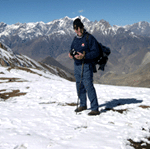
Thorong High Camp is located in the upper Manang district of the Annapurna Conservation Area, at an altitude of approximately 4,850 meters above sea level. It lies between Thorong Phedi and Thorong La Pass, nestled on a rugged slope beneath the pass itself. The camp overlooks a wide glacial basin surrounded by barren ridges and snowfields. To the west lies the Mustang region, while to the east stretch the high valleys of Manang. Its strategic location makes it a natural bridge between two distinct Himalayan landscapes.
How to Reach and Transportation
Reaching Thorong High Camp requires a gradual ascent through the Annapurna Circuit route. Most trekkers begin the journey from Besisahar or Dharapani after driving from Kathmandu or Pokhara. From there, the trail passes through Chame, Pisang, and Manang, where acclimatization is essential. After spending at least one or two nights in Manang, trekkers continue to Yak Kharka and then to Thorong Gradual Phedi. From Thorong Phedi, a steep and demanding climb of several hours leads to Thorong High Camp. No vehicles reach this point. All access is on foot, emphasizing the remoteness and purity of the experience. Porters and pack animals assist with logistics, but trekkers must rely on their own strength and steady pace.
Main Attractions—What We See
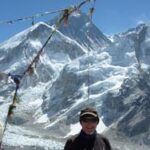
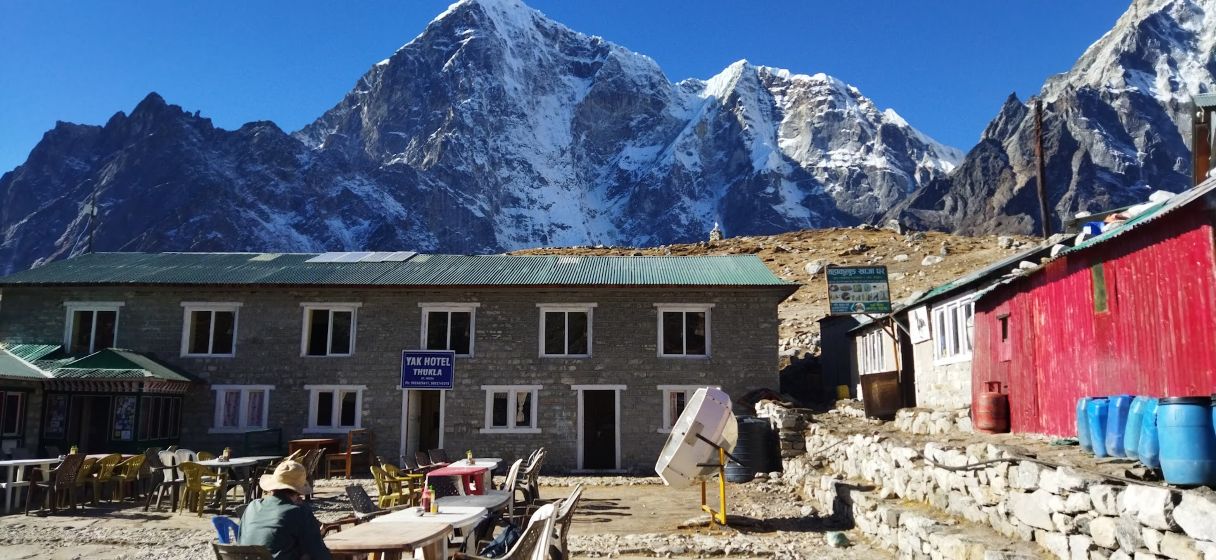
The scenery around Thorong High Camp is stark yet mesmerizing. Trekkers are surrounded by massive rock walls, ice-carved valleys, and endless sky. Peaks such as Khatung Kang, Thorong Peak, and distant views of the Annapurna and Dhaulagiri ranges dominate the horizon. At sunrise and sunset, the mountains glow in shades of gold, pink, and deep purple. The night sky is equally impressive, with sharp stars shining brightly due to minimal light pollution. From the camp, trekkers can clearly see the winding trail leading up to Thorong La Pass, a sight that inspires both excitement and humility.
How Difficult Is the Trek to Thorong High Camp
The trek to Thorong High Camp is considered challenging due to altitude rather than technical difficulty. The trail itself is well-defined but becomes steep and rocky after Thorong Phedi. Thin air makes even slow walking exhausting. Temperatures often drop below freezing, and winds can be strong. Acclimatization is critical, and trekkers must ascend slowly to reduce the risk of altitude sickness. Mental preparation is just as important as physical fitness. While no climbing skills are required, endurance, discipline, and respect for the mountain environment are essential.
People and Local Communities
Unlike lower villages on the Annapurna Circuit, Thorong High Camp is not a permanent settlement. However, the people connected to this area are primarily from the Manang and Mustang regions. These communities belong mainly to Tibetan-influenced ethnic groups such as Gurung, Manangi, and Thakali. Lodge operators, guides, and porters working at high camp are experienced mountain people who understand the challenges of altitude and weather. Their resilience and quiet professionalism add a human depth to the harsh landscape.
Culture, Lifestyle, and Religious Influence
The cultural influence around Thorong High Camp is strongly shaped by Tibetan Buddhism. Prayer flags flutter along the trail, carrying mantras across the wind-swept slopes. Mani walls and chortens appear even in these high, desolate areas, reminding trekkers of the deep spiritual connection local people have with the mountains. Life here is simple and seasonal. During trekking seasons, temporary lodges operate to serve travelers. Outside these periods, the area remains silent and untouched, reinforcing the spiritual and meditative atmosphere of the high Himalaya.
How Crowded Is Thorong High Camp
Compared to villages like Manang or Muktinath, Thorong High Camp remains relatively uncrowded. However, during peak trekking seasons in spring and autumn, it can become busy due to its limited accommodation capacity. Trekkers often arrive in the afternoon and depart before dawn, resulting in a brief but intense period of activity. Despite this, the vastness of the surrounding landscape prevents the area from feeling overwhelmed. Outside peak months, the camp can feel extremely remote, offering solitude and a deep sense of wilderness.
Flora and Fauna at Thorong high camp
At this altitude, life adapts in remarkable ways. Large mammals are rare near Thorong High Camp, but trekkers may spot blue sheep grazing on distant slopes. Snow leopards inhabit the broader region, though sightings are extremely rare. Birdlife includes Himalayan snow pigeons and high-altitude raptors. The sparse ecosystem reflects the extreme conditions, where survival depends on efficiency and resilience.
Vegetation of Thorong high camp
Vegetation around Thorong High Camp is minimal. Below Yak Kharka, alpine grasses and hardy shrubs dominate. As altitude increases, plant life thins dramatically. Mosses, lichens, and small cushion plants cling to rocks, surviving strong winds and freezing temperatures. The absence of forests emphasizes the scale of the mountains and enhances the feeling of entering a different world above the tree line.
Atmosphere of Thorong high camp
The atmosphere at Thorong High Camp is intense and unforgettable. Silence dominates, broken only by wind and distant rockfalls. The air feels sharp and pure. There is a strong sense of anticipation, as trekkers mentally prepare for the following day’s pass crossing. Despite physical fatigue, many people experience heightened awareness and reflection here. The combination of altitude, isolation, and natural beauty creates a powerful emotional experience.
Best Time to Do the Trek
The best times to trek to Thorong High Camp are spring (March to May) and autumn (September to November). During these seasons, weather conditions are more stable, skies are clear, and temperatures are manageable. Spring offers blooming alpine flowers at lower elevations, while autumn provides crisp air and excellent visibility. Winter treks are possible but demanding due to snow and extreme cold. The monsoon season is less suitable because of landslides and poor visibility on lower sections of the route.
Thorong High Camp and Connected Trekking Routes
Thorong High Camp is a key junction connecting several iconic trekking routes. It links the Manang Valley to the Mustang region via Thorong La Pass. After crossing the pass, trekkers descend to Muktinath, a major pilgrimage site for both Hindus and Buddhists. From there, routes extend toward Jomsom, Kagbeni, and Upper Mustang. Some trekkers combine this section with side trips to Tilicho Lake or Nar Phu Valley, making Thorong High Camp an essential component of longer and more adventurous itineraries.
Why Join The Himalayan Realms Treks to Thorong High Camp
Choosing The Himalayan Realms Treks and Expedition Nepal Pvt. Ltd. for your journey to Thorong High Camp ensures safety, experience, and genuine Himalayan hospitality. With decades of trekking expertise, the company prioritizes proper acclimatization, flexible itineraries, and professional mountain guidance. Experienced guides understand weather patterns, altitude risks, and pacing, which is crucial in high-altitude zones like Thorong High Camp. The team emphasizes responsible trekking, cultural respect, and personalized service. Their strong logistical support, reliable porters, and deep regional knowledge allow trekkers to focus on the experience rather than the challenges. With The Himalayan Realms Treks, Thorong High Camp becomes not just a destination but a meaningful and well-supported Himalayan journey.