

Nepal: Gateway to the Most Popular Trekking Route in Nepal
Introduction
Nepal is a land of timeless beauty, spiritual depth, and extraordinary adventure. Nestled between the towering Himalayas and the lush Terai lowlands, it serves as the gateway to the country’s most popular trekking routes. Travelers from across the world arrive eager to explore trails where snowcapped peaks, ancient villages, and vibrant cultures unfold at every turn. The charm of Nepal lies not only in its mountains but also in its soul—its people, traditions, landscapes, and the warm welcome that defines each journey.
About Nepal
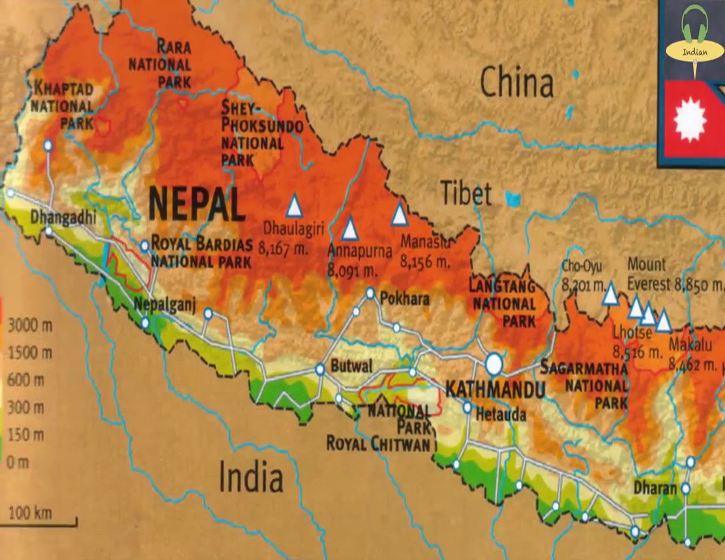
Nepal is a small yet diverse country located in South Asia, bordered by India to the south and China to the north. Despite its compact size, it harbors some of the highest mountains on Earth, including Mount Everest. These magnificent summits have shaped its identity as the homeland of the most popular trekking routes in Nepal. Beyond its geography, Nepal offers a fusion of history, spirituality, and hospitality. Kathmandu Valley, with its medieval palaces and temples, reflects an artistic heritage that blends Hinduism and Buddhism, creating an atmosphere unlike anywhere else.
Location
Geographically, Nepal lies in the lap of the Himalayas, stretching from the subtropical jungles to the icy summits above 8,000 meters. This variation in altitude has gifted the nation with an astonishing range of ecosystems, cultures, and experiences. It is precisely this diversity that gives rise to the most popular trekking regions in Nepal, where travelers can explore jungles alive with wildlife, valleys adorned with terraced fields, and alpine landscapes shimmering with glaciers. The location between two giant civilizations—India and China—has also allowed Nepal to flourish as a cultural bridge where traditions, trade, and ideas have intertwined for centuries.
How to Go
Reaching Nepal is straightforward for international travelers. Tribhuvan International Airport in Kathmandu serves as the main entry point, welcoming adventurers who wish to embark on the most popular trekking trail in Nepal. From the capital, domestic flights and road journeys connect to trekking gateways such as Lukla, Pokhara, Jomsom, and Syabrubesi. Many routes begin with scenic flights that offer jaw-dropping views of the Himalayas before the trek even begins. Those who prefer a slower pace can travel by road, experiencing rural life along the way. Regardless of the chosen path, every route leads to the heart of the mountains, where the most celebrated trekking itineraries in Nepal begin.
People of Nepal
The people of Nepal are as diverse as its landscapes. More than 120 ethnic groups and over 100 languages coexist, each contributing to the nation’s cultural mosaic. From the Sherpa of the Everest region to the Gurung and Magar communities in the Annapurna valleys, locals build their lives around the mountains that host Nepal’s most famous trekking trails. Known for their warmth and resilience, Nepali people welcome visitors not just as guests but as family. Their songs, festivals, and folklore enrich every step, making each trek about more than nature—it is also about human connection.
Types of Accommodation
Trekking in Nepal offers a wide spectrum of lodging options. In the lower regions and near cities like Kathmandu or Pokhara, travelers can stay in luxury hotels or boutique lodges. Higher up along the most popular trekking paths in Nepal, trekkers typically rest in teahouses—small, family-run guesthouses that provide warm meals, simple rooms, and authentic hospitality. In remote areas, camping treks remain essential, with professional crews carrying tents, cooking gear, and supplies. Recently, eco-lodges and community-based homestays have grown in popularity, offering a sustainable and immersive way to experience the culture of the Himalayas.
What is Popular in Nepal
The popularity of Nepal extends far beyond its mountains. Yes, the most well-known trekking routes in Nepal are the crown jewels, but the country also attracts travelers with its spiritual traditions, colorful festivals, and vibrant art. Pashupatinath Temple, Swayambhunath Stupa, and Lumbini—the birthplace of Lord Buddha—draw pilgrims and seekers from all over the world. Handicrafts, prayer flags, thangka paintings, and Nepali cuisine also add charm to the visitor’s experience. Adventure activities like paragliding in Pokhara, jungle safaris in Chitwan, and white-water rafting in Himalayan rivers enhance the appeal of Nepal as a complete destination.
Religious Life
Religion is deeply woven into the fabric of Nepali life. Hinduism and Buddhism coexist in harmony, shaping everything from architecture to daily rituals. Along the most popular trekking circuits in Nepal, shrines, mani walls, prayer wheels, and monasteries appear frequently, reminding travelers that the Himalayas are not only physical giants but also sacred realms. Festivals such as Dashain, Tihar, Buddha Jayanti, and Mani Rimdu bring communities together with music, dance, and devotion. Every trekker walking through these lands witnesses spirituality not as a ceremony but as a way of life.
Lifestyle of the People
The lifestyle in Nepal varies depending on geography. the mountains, communities live in stone houses, relying on agriculture, animal husbandry, and trade with passing trekkers. In the mid-hills, terraced farming and seasonal festivals define daily rhythms. In cities, modern conveniences blend with traditional values. What unites all regions is a sense of resilience and harmony with nature, nurtured over centuries of living amidst the mountains. Travelers walking the most beloved trekking routes in Nepal encounter people whose lives revolve around simplicity, community, and deep respect for their environment.
Flora and Fauna
Nepal’s biodiversity is as impressive as its mountains. The country’s altitudinal variation—from tropical jungles to arctic conditions—supports a stunning variety of flora and fauna.In the lower zones, rhododendrons, magnolias, and orchids bloom in vivid colors. Higher altitudes feature junipers, birch, and alpine meadows. Wildlife includes Bengal tigers, one-horned rhinoceroses, red pandas, Himalayan thar, and elusive snow leopards. Trekking along Nepal’s most ecologically rich routes lets visitors witness this living tapestry firsthand, often against stunning mountain backdrops.
Vegetation
The vegetation of Nepal shifts dramatically with elevation. Terai jungles host sal and teak forests, while the mid-hills are dominated by pine, oak, and rhododendron groves. Above 3,000 meters, alpine plants replace tall trees, and eventually only moss and lichen survive. These layers of vegetation enrich the beauty of Nepal’s most picturesque trekking routes, where each day reveals a new landscape. In spring, rhododendron forests burst into bloom, painting the hillsides red and pink—an unforgettable sight for trekkers.
Atmosphere
The atmosphere of Nepal is defined by serenity and grandeur. The air in the Himalayas feels pure, filled with temple bells, chanting monks, and fluttering prayer flags. Life moves at an unhurried pace, inviting travelers to embrace the rhythm of nature and community. Along Nepal’s most inspiring trekking trails, the atmosphere is both humbling and uplifting. Towering peaks reveal the vastness of nature, while warm local smiles reflect the depth of human connection. The sense of peace and belonging that Nepal offers is perhaps its greatest treasure.
The Most Popular Trekking Regions in Nepal
When speaking of the most popular trekking routes in Nepal, several regions stand out. The Everest region, home to the legendary Everest Base Camp trail, draws adventurers eager to face the world’s highest peak. The Annapurna region offers diverse routes such as the Annapurna Circuit, Ghorepani Poon Hill, and Annapurna Base Camp. Each trek is celebrated for stunning scenery and rich cultural encounters. The Langtang Valley, closer to Kathmandu, provides an accessible yet equally spectacular Himalayan experience.
close to Kathmandu. Upper Mustang, with its Tibetan-influenced culture, and Manaslu, with its rugged wilderness, also rank among the favorites. Each region embodies the essence of Nepal—adventure, culture, and natural beauty in perfect balance.
The Himalayan Realms Treks and Expedition Nepal Pvt. Ltd.
For anyone seeking Nepal’s most popular trekking routes, The Himalayan Realms Treks and Expedition is a trusted companion. Founded by experts with decades of experience, the company creates journeys that go far beyond simple walking trails. It is led by Dammaru Prasad Niraula, a seasoned guide with more than 35 years in the trekking industry. His team blends professional expertise with genuine passion for the mountains.
Whether guiding in Everest, Annapurna, Langtang, or remote regions, the Himalayan Realms ensures safety, authenticity, and unforgettable experiences. The company’s deep respect for culture and commitment to sustainable tourism make it an ideal choice for explorers. As a result, every adventurer experiences not only excitement and challenge but also a strong bond with Nepal’s people, traditions, and landscapes.
Conclusion
Nepal is far more than a destination; indeed, it is a living story written in mountains, rivers, temples, and smiles. Moreover, its setting between towering peaks and its vibrant communities ensures that every element contributes to Nepal’s trekking charm. As trekkers journey through the trails of Everest, Annapurna, and Langtang, they discover not only majestic mountains but also profound self-discovery.