

Kala Patthar

What is Kala Patthar?
Kala Patthar is one of the most famous viewpoints in the Everest region of Nepal. It stands at approximately 5,545 meters (18,192 feet) above sea level, near Gorak Shep and Everest Base Camp.
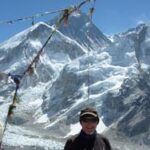
The name “Kala Patthar” means “Black Rock” in Nepali. The viewpoint is especially popular because it offers an impressive close-up panorama of Mount Everest (8,849 m), Nuptse, Pumori, Changtse, and other peaks of the Khumbu Himalayas.
For many trekkers, reaching Kala Patthar is one of the greatest highlights of the Everest Base Camp Trek. Unlike Everest Base Camp itself, Kala Patthar provides an elevated viewpoint from which trekkers can enjoy a spectacular mountain panorama.
The sunrise from Kala Patthar is particularly famous. On a clear morning, the first rays of sunlight illuminate the Himalayan peaks, creating an unforgettable experience.
Where is Kala Patthar?
Kala Patthar is located in Khumbu, Solukhumbu District, inside Sagarmatha National Park. It is situated above Gorak Shep, the last settlement on the traditional Everest Base Camp trekking route.
The usual route is
Lukla → Phakding → Namche Bazaar → Tengboche → Dingboche → Lobuche → Gorak Shep → Kala Patthar
Most trekkers climb Kala Patthar early in the morning from Gorak Shep to see the sunrise over Mount Everest.
The viewpoint is surrounded by some of the highest mountains in the world. The landscape becomes increasingly dramatic as trekkers move higher into the Khumbu Valley.
Kala Patthar Altitude
The commonly cited elevation of Kala Patthar is around 5,545 meters (18,192 feet). Because the climb reaches a very high altitude, proper acclimatization is extremely important.
The final climb from Gorak Shep is steep in places, but it is relatively short compared with many high mountain passes. The altitude makes the climb challenging even for experienced hikers.
Trekkers should not underestimate the altitude. Walking slowly, taking regular breaks, staying hydrated, and following a sensible acclimatization schedule can make the experience more comfortable.
Kala Patthar Sunrise
The Kala Patthar sunrise is one of the most memorable experiences in the Everest region.
Trekkers usually start before dawn with a headlamp and warm clothing. The trail climbs gradually above Gorak Shep. As daylight approaches, the surrounding mountains begin to change color.
The first sunlight can illuminate Mount Everest, Nuptse, Pumori, and the surrounding Himalayan peaks, creating spectacular scenery.
Because temperatures can be extremely cold before sunrise, trekkers should carry a warm down jacket, gloves, hat, headlamp, and other cold-weather gear.
Once you reach the viewpoint, take time to enjoy the scenery rather than rushing. The combination of the sunrise, mountains, glaciers, and surrounding wilderness makes Kala Patthar a special part of the Everest trekking experience.
Views from Kala Patthar
From the summit, trekkers can enjoy wide views across the Khumbu Himalayas, including the following:
- Mount Everest – 8,849 m
- Nuptse – 7,861 m
- Pumori – 7,161 m
- Changtse – 7,543 m
- Lingtren
- Khumbutse
- Ama Dablam
- Other surrounding peaks and glaciers
Kala Patthar is particularly valuable for photographers because the viewpoint provides a dramatic perspective of Everest and the surrounding mountains.
The scenery changes throughout the day. Early morning light can create excellent photographic conditions, while clear afternoon skies can provide a different perspective of the mountains.
Kala Patthar and Everest Base Camp
Kala Patthar and Everest Base Camp are often visited together, but they offer different experiences.
At Everest Base Camp, trekkers can experience the famous base camp area, Khumbu Glacier, and surrounding mountain scenery. From Kala Patthar, however, you get a much broader and more direct viewpoint toward Mount Everest.
For this reason, many trekkers consider Kala Patthar one of the best viewpoints of Mount Everest accessible on the standard Everest Base Camp trek.
A common itinerary includes an overnight stay at Gorak Shep, a visit to Everest Base Camp, and an early-morning climb to Kala Patthar the following day.
How Difficult is Kala Patthar?
The Kala Patthar climb is challenging, mainly because of the high altitude rather than the technical difficulty of the trail.
There is no technical climbing required under normal conditions. However, the trail becomes steep toward the top, and the thin air makes every step harder.
A typical ascent from Gorak Shep takes roughly 1.5–3 hours, depending on fitness, acclimatization, weather, and walking pace.
Trekkers should walk slowly, drink enough water, and listen to their guide’s advice.
The descent back to Gorak Shep is generally quicker, although the rocky terrain can still require careful footing.
Best Time to Visit Kala Patthar
The best seasons for Kala Patthar are generally the following:
Spring: March to May
Autumn: September to November
During these seasons, the weather is generally more stable, and mountain visibility is often excellent.
Winter can provide clear skies and beautiful snow-covered landscapes, but temperatures are extremely cold. The monsoon season can bring clouds, rain, and reduced mountain visibility.
For photographers and trekkers who want the best chance of clear mountain views, spring and autumn are generally the most popular periods.
What to Bring for Kala Patthar
Because the climb starts very early and reaches more than 5,500 meters, good preparation is essential.
Recommended items include:
- Warm down jacket
- Thermal base layers
- Fleece jacket
- Waterproof and windproof jacket
- Warm gloves
- Wool or fleece hat
- Sunglasses
- Headlamp
- Trekking poles
- Water bottle
- Sunscreen and lip balm
- Camera or smartphone
- Energy snacks
- Sturdy trekking boots
- Warm trekking socks
- Personal first-aid supplies
A good pair of sunglasses is especially important because strong sunlight and snow or ice can be uncomfortable at high altitude.
Kala Patthar Trekking Experience
The journey to Kala Patthar is not only about reaching the summit. The trail itself passes through the dramatic high-altitude landscape of the Everest region.
From Gorak Shep, the trail climbs over rocky terrain toward the viewpoint. As you gain elevation, the views become increasingly expansive. The Khumbu Glacier, Pumori, and surrounding Himalayan peaks create a spectacular backdrop.
The higher you climb, the thinner the air becomes. You may need to stop several times to catch your breath. This is normal at high altitude, and there is no need to rush.
After spending time at the viewpoint, trekkers normally return to Gorak Shep for breakfast before continuing toward the next destination.
Kala Patthar from Gorak Shep
Gorak Shep is the main starting point for the Kala Patthar climb.
An early morning departure is common because the mountain views are often clearer around sunrise. The exact walking time depends on the trekker’s pace and weather conditions.
The trail initially follows rocky ground before becoming steeper toward the upper section. As you approach the viewpoint, the panorama gradually opens up.
At the top, there is usually enough space for trekkers to stop, rest, take photographs, and enjoy the scenery.
The return journey to Gorak Shep is much easier for most trekkers because it is downhill.
Accommodation at Gorak Shep
Gorak Shep has basic teahouse accommodation for trekkers. Facilities at this altitude are much more basic than those found in Kathmandu or lower villages such as Namche Bazaar.
Rooms are generally simple, and several trekkers may share accommodation depending on availability.
The dining area is usually the warmest place in the teahouse. A meal and hot drink can be especially welcome after returning from Kala Patthar.
Because accommodation at Gorak Shep is limited, traveling with an experienced guide and arranging accommodation in advance can be helpful during busy trekking seasons.
Food and Drinking Water
Teahouses along the Everest Base Camp route provide a variety of meals. Common options include dal bhat, noodles, pasta, rice, potatoes, soup, eggs, bread, and Tibetan-style dishes.
At high altitude, eating enough food is important because trekking requires significant energy.
Trekkers should also drink plenty of fluids. Drinking water can generally be obtained along the route, but it should be treated or filtered according to local conditions and your trekking company’s recommendations.
Avoid relying heavily on alcohol at high altitude because it can contribute to dehydration and may interfere with proper acclimatization.
Acclimatization Before Kala Patthar
Good acclimatization is one of the most important parts of an Everest Base Camp trek.
Before reaching Gorak Shep and Kala Patthar, trekkers normally spend several days gradually gaining altitude. Popular acclimatization stops include Namche Bazaar and Dingboche.
These rest days allow trekkers to adjust to the decreasing oxygen levels.
A well-planned itinerary should avoid ascending too quickly. Your guide can monitor your condition and recommend changes to the walking schedule when necessary.
If you experience serious symptoms of altitude sickness, inform your guide immediately. Continuing higher when symptoms are worsening can be dangerous.
Kala Patthar Weather and Temperature
Weather at Kala Patthar can change quickly. Even during the trekking season, strong winds, clouds, snow, and freezing temperatures can occur.
Early mornings are particularly cold because most sunrise hikes begin before dawn.
Trekkers should dress in layers so they can adjust their clothing as temperatures change.
Always check the weather forecast and listen to local guides before starting the early-morning climb.
Photography at Kala Patthar
Kala Patthar is a fantastic destination for Himalayan photography.
The viewpoint provides opportunities to photograph the following:
- Mount Everest
- Pumori
- Nuptse
- Khumbu Glacier
- Ama Dablam
- Himalayan sunrise
- Prayer flags
- Trekkers on the mountain trail
- The high-altitude landscape around Gorak Shep
A smartphone can take excellent photographs in clear weather, but a camera with a wide-angle lens can capture the enormous scale of the Himalayas.
Remember to keep batteries warm because cold temperatures can reduce battery performance.
Is Kala Patthar Worth Visiting?
Yes. For many trekkers, Kala Patthar is one of the highlights of the entire Everest Base Camp Trek.
Although the climb is physically demanding, the reward is an extraordinary view of Mount Everest and the surrounding Himalayan peaks.
The combination of altitude, sunrise, mountain scenery, and the feeling of standing high above the Khumbu Valley makes Kala Patthar a memorable destination.
It is especially worthwhile for trekkers who want a panoramic Himalayan viewpoint rather than simply reaching Everest Base Camp.
Safety Tips for Kala Patthar
Safety should always come first when trekking at high altitude.
Follow these basic guidelines:
- Acclimatize properly before reaching high elevations.
- Walk slowly and maintain a comfortable pace.
- Drink enough water throughout the day.
- Eat regular meals to maintain energy.
- Dress warmly, especially for the sunrise climb.
- Carry a headlamp because the trek starts before sunrise.
- Use trekking poles on rocky and uneven terrain.
- Listen to your guide and follow local weather advice.
- Report altitude sickness symptoms immediately.
- Do not continue higher if your condition is getting worse.
Travel insurance that covers high-altitude trekking and emergency evacuation is strongly recommended.
Kala Patthar Trek with a Local Guide
Trekking with an experienced local guide can make the Kala Patthar experience safer and more enjoyable.
A knowledgeable guide can help with route navigation, accommodation, meal arrangements, acclimatization, weather conditions, and emergency situations.
A local guide can also explain the culture, history, Buddhist traditions, villages, monasteries, mountains, and landscapes of the Khumbu region.
For international trekkers, having a local guide can also make communication with teahouses and local communities easier.
Why Visit Kala Patthar?
Kala Patthar is a highlight of the Everest Base Camp journey because it combines the following:
- Exceptional Everest views
- Sunrise over the Himalayas
- High-altitude trekking experience
- Panoramic mountain scenery
- Views of Pumori and Nuptse
- Photography opportunities
- Khumbu Glacier scenery
- A memorable Himalayan adventure
For trekkers who want an unforgettable view of Mount Everest without technical climbing, Kala Patthar is one of the most rewarding destinations in Nepal’s Everest region.
Frequently Asked Questions About Kala Patthar
How high is Kala Patthar?
Kala Patthar is approximately 5,545 meters (18,192 feet) above sea level.
Can I visit Kala Patthar without climbing Everest?
Yes. Kala Patthar is a trekking destination and does not require technical mountaineering skills. However, the high altitude makes it physically demanding.
How long does it take to climb Kala Patthar?
The ascent from Gorak Shep commonly takes around 1.5–3 hours, depending on fitness, acclimatization, weather, and walking pace.
Is Kala Patthar higher than Everest Base Camp?
Yes. Kala Patthar is considerably higher than Everest Base Camp.
Can I see Mount Everest from Kala Patthar?
Yes. Kala Patthar is famous for its impressive views toward Mount Everest and the surrounding Himalayan peaks.
What is the best time for the Kala Patthar sunrise?
Trekkers usually begin very early in the morning so they can reach the viewpoint around sunrise. The exact departure time depends on the season, weather, and trekking itinerary.
Is Kala Patthar difficult?
The climb is challenging because of the high altitude and steep sections. Good acclimatization and a slow walking pace are important.
Do I need a guide for Kala Patthar?
Although trekking arrangements can vary, traveling with an experienced guide is highly recommended, particularly because Kala Patthar is above 5,500 meters and weather conditions can change quickly.
Final Thoughts
Kala Patthar is more than just a viewpoint. It is one of the most unforgettable experiences of the Everest Base Camp Trek. From the quiet darkness before sunrise to the first golden light touching Mount Everest, every part of the climb creates a memorable Himalayan experience.
Standing at more than 5,500 meters above sea level, surrounded by some of the world’s highest mountains, trekkers can appreciate the incredible scale and beauty of the Khumbu region.
If you are planning an Everest Base Camp trek, adding Kala Patthar to your itinerary is highly recommended. With proper acclimatization, suitable equipment, an experienced guide, and enough time, the climb can become one of the most rewarding moments of your journey through the Everest region of Nepal.