

OVerview: Muktinath A Sacred Temple
Introduction
Tucked away in the trans-Himalayan region of Mustang, Muktinath is a powerful blend of natural beauty and deep spirituality. This remote mountain sanctuary, sacred to both Hindus and Buddhists, welcomes pilgrims, trekkers, and culture lovers from around the world. Known for its peaceful setting, rich legends, and breathtaking views, Muktinath is more than just a place to visit—it is a life-changing journey into Nepal’s sacred, cultural, and natural heart.
Whether you come as a devotee, a traveler, or an explorer, Muktinath offers a unique experience where faith, nature, and human strength come together in the high Himalayas.
About Muktinath
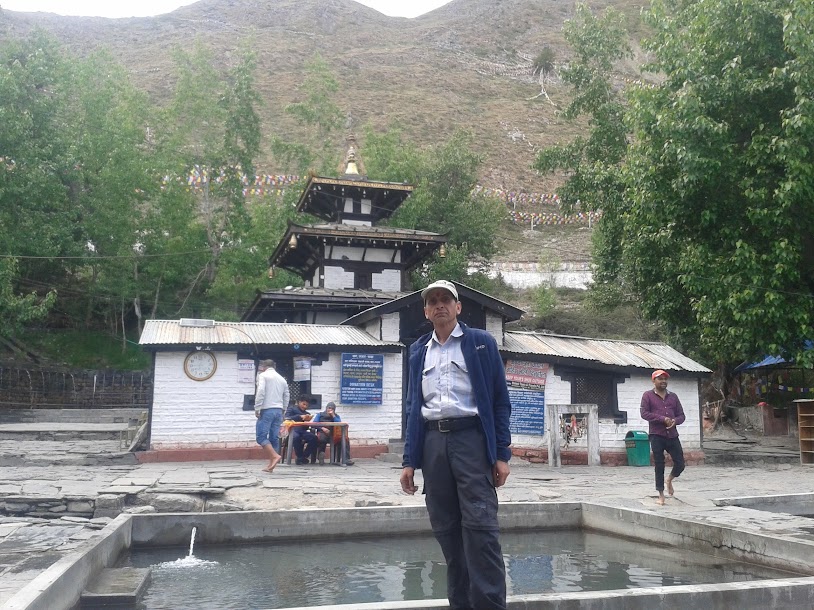
Muktinath—translated as the “Abode of Liberation”—is an ancient shrine nestled at approximately 3,800 meters above sea level in the Himalayan enclave of Lower Mustang. It is one of the holiest pilgrimage destinations for Vaishnavite Hindus, who worship Lord Vishnu, and for Tibetan Buddhists, who regard it as a place where the elements of fire and water coalesce in harmony.
Beyond its spiritual weight, Muktinath is also a gateway to Mustang’s barren beauty, where wind-eroded cliffs, arid ridges, and snow-draped summits converge in sublime contrast. The temple premises consist of 108 sacred water spouts, a natural flame eternally burning, and a statue of Lord Vishnu that is said to bless all who pay homage.
Geographic Setting
Located in Baragung Muktichhetra Rural Municipality within Mustang District, Muktinath sits in Nepal’s Dhaulagiri Zone, flanked by the Annapurna and Dhaulagiri massifs. This high-altitude locale lies just below the Thorong La Pass—a vital part of the Annapurna Circuit, making it a favorite stop for highland hikers.
From a topographical standpoint, the region represents a semi-arid plateau, characterized by wind-sculpted terrain, gravelly paths, and a cold desert ecosystem. This location places Muktinath at the intersection of Nepali heartland traditions and Tibetan highland influence, offering a unique window into cultural and environmental duality.
Journey to Muktinath
Reaching Muktinath is an adventure in itself. Multiple modes of transport accommodate varying comfort levels and time constraints:
Air: The fastest route involves a flight from Pokhara to Jomsom, followed by a jeep ride or horseback journey to Muktinath.
Road: A more immersive travel option involves a long drive from Kathmandu or Pokhara, passing through Beni, Tatopani, and Kagbeni—a route that unravels layers of landscape, from lush valleys to barren highlands.
Foot: For trekking enthusiasts, the Annapurna Circuit Trail includes Muktinath as a high point on its sacred itinerary. Crossing Thorong La Pass (5,416 m) is both a physical challenge and a spiritual accomplishment.
Regardless of the path, the voyage to Muktinath offers majestic panoramas, cultural immersions, and an elemental communion with the land.
Local Inhabitants
The people of Muktinath and the surrounding Mustang region are primarily from the Thakali, Tibetan, and Gurung communities. These ethnic groups coexist with distinct but interwoven traditions, creating a mosaic of belief systems, languages, and practices. Their hospitality, often manifested in smiles, butter tea, and folk stories, warms even the coldest Himalayan wind.
Known for their stoic resilience, locals adapt to the highland’s harsh winters and scarce vegetation through time-honored survival strategies—terraced farming, yak and goat herding, and trading along the ancient salt caravan route that once connected Nepal to Tibet.
Types of Lodging
Accommodations in Muktinath span a range of modest teahouses to comfortable guest lodges. Most provide basic yet clean amenities, such as hot showers, solar electricity, and simple Nepali meals like dal bhat, momo, and noodle soup.
For spiritual visitors, pilgrimage rest houses (dharmashalas) offer low-cost or even complimentary lodging. During peak seasons, it’s wise to book in advance, especially for those wanting rooms with mountain-facing balconies or attached restrooms.
While luxury is not the draw here, the authenticity and warmth of the hosts more than compensate for the rustic ambiance.
Spiritual and Religious Significance
Muktinath’s divine importance is monumental. For Hindus, it is one of the 108 Divya Desams, sacred abodes of Vishnu. It is believed that a pilgrimage to Muktinath cleanses sins and liberates the soul from the cycle of rebirth. The eternal flame that burns naturally from a rock fissure symbolizes Agni, the fire god, while the chilly waters of the 108 spouts represent purification.
Buddhists regard the temple as a site associated with Guru Rinpoche (Padmasambhava), who meditated here during his Himalayan sojourns. The Jwala Mai Temple, with its miraculous self-igniting flame, is seen as a manifestation of Dakinis, female energy spirits of Tibetan Buddhism.
Visitors often perform ritual baths, offerings, and meditations, feeling a profound inner shift in this Himalayan hermitage.
Cultural Ways of Life
The local lifestyle is deeply rooted in ancestral customs, ritualized seasonal practices, and self-sustained livelihoods. Agriculture, although limited by climate, includes barley, potato, and buckwheat cultivation, while animal husbandry supports transportation and trade.
Daily routines revolve around temple ceremonies, household chores, and community events. Traditional attire—hand-woven woolens, colorful aprons, and beaded jewelry—showcases regional identity. Despite the influx of tourists, locals maintain a harmonious balance between tradition and transformation.
Biodiversity – Flora and Fauna
Though Muktinath lies in a semi-desert zone, it surprises visitors with its resilient biodiversity. Hardy alpine shrubs such as juniper, rhododendron (Nepal’s national flower), and dwarf willow thrive here. In spring, the trail leading to Muktinath bursts into a subtle mosaic of mosses, lichen, and seasonal herbs used in traditional medicine.
Wildlife includes the elusive snow leopard, blue sheep (bharal), and Himalayan marmot. Bird watchers might catch a glimpse of the Lammergeier vulture, Himalayan griffon, or snow pigeon flying gracefully over the ridgelines.
Vegetation and Landscape
Muktinath’s terrain is primarily alpine and semi-arid, with sandy gullies, stone-laden trails, and wind-polished plateaus. Unlike Nepal’s verdant mid-hills, the vegetation here leans toward xerophytic species, those adapted to dry conditions. Poplar groves, apple orchards, and willow fringes near villages provide greenery amid ochre-colored hills.
The Kali Gandaki River basin, which flows near Jomsom, carves out deep gorges and hosts fossilized ammonites—known locally as Shaligrams—believed to be sacred representations of Vishnu.
Atmospheric Experience
Muktinath’s climate brings cool, crisp air, intense sunlight, and dramatic temperature fluctuations. Days offer sun-kissed breezes, while nights sink into frigid serenity, especially in autumn and spring.
Owing to its high elevation, the skyline remains cloudless, revealing brilliant constellations at night. Many describe the atmosphere as ethereal, as if time itself slows down amid the ringing of prayer bells and the whispers of wind across the stone chortens.
Popularity in Trekking Circuits
Muktinath is a jewel of the Annapurna region, often featured in both the Annapurna Circuit Trek and the Jomsom-Muktinath route. These treks merge natural allure with cultural immersion, making them among the most frequented trails in Nepal.
The diverse geography, varied elevation, and spiritual elements make Muktinath a preferred route for trekkers seeking a meaningful adventure, not just a physical conquest. From lush forests in Ghorepani to lunar-like expanses in Kagbeni, the route to Muktinath is a story told by each step.
Trekking Services – Organized Expeditions
Several licensed trekking agencies, such as The Himalayan Realms Treks and Expedition Nepal Pvt. Ltd., provide comprehensive travel arrangements to Muktinath. These services include guiding professionals, porters, permits, transportation, accommodation, and customized itineraries to suit personal needs.
Organized tours ensure safety, altitude management, and a deep connection with the region, thanks to cultural briefings, local interpreters, and planned acclimatization. With decades of experience, agencies like Himalayan Realms make the sacred journey smooth, insightful, and memorable.
Independent Travel – Freelance Nepali Guides
For travelers who prefer a more individualized experience, Nepal’s freelance guides offer excellent value. Many are government-registered, multilingual, and highly knowledgeable about the Mustang region. They help plan routes, manage logistics, and provide insider access to local festivals, monasteries, and hidden shrines.
Moreover, hiring a freelance guide also promotes community-based tourism, since the money flows directly into local households and independent professionals. Therefore, it becomes an ideal choice for travelers who wish to support the local economy while enjoying a more personalized experience. option for those seeking flexibility, affordability, and authentic connection.
Conclusion
Muktinath is more than just a place—it is a journey of the spirit, a stunning landscape, and a symbol of strength. It combines simple mountain life with deep faith, creating a space where the everyday and the sacred live side by side. From its holy flames to the snowy trails, every part of Muktinath speaks to those seeking meaning, freedom, and respect.
Whether you travel with a trekking group or hire a local freelance guide, your visit to Muktinath will leave a lasting memory. In a world that often moves too fast, Muktinath gives you a rare chance to slow down, think deeply, and reconnect. It is not only a meeting with nature but also a powerful experience with the heart of life itself.