

- Details
Itinerary
Itinerary- Tour Includes/Excludes
- Useful Info
- FAQ
Trip overview
Mohare Danda 10-Day Trek
Introduction
The Mohare Danda Trek is a relatively new but increasingly admired journey in the Annapurna region. Although it is shorter than many extended Himalayan adventures, this eight-day trek is considered by many explorers as an alternative to the most popular trekking route in Nepal. Unlike the crowded paths of Poon Hill or Annapurna Base Camp, Mohare Danda offers a serene atmosphere with authentic rural encounters, panoramic Himalayan views, and eco-friendly community lodges. Because of its blend of pristine trails, cultural immersion, and breathtaking landscapes, the Mohare Danda trail has quickly gained recognition as a synonym for a less-traveled yet equally rewarding and admired trekking path in Nepal.
This trek is perfect for travelers who want to witness grand mountain vistas without the rush of large trekking crowds. The route is designed to showcase rural Nepalese life, community-based tourism, and the stunning scenery of Dhaulagiri, Annapurna, and Machhapuchhre. Over the span of eight days, trekkers immerse themselves in both cultural richness and natural beauty, making it a fine choice among the widely loved walking routes of Nepal.
About
Travelers often describe the Mohare Danda Trek as an eco-community trail. Local villagers and conservation groups developed it to promote sustainable tourism and create alternative income sources. Unlike the classic hiking circuits in Nepal that are heavily commercialized, Mohare Danda emphasizes homestays and community lodges that the locals run. This approach gives trekkers a unique opportunity to interact directly with the villagers, learn about their traditions, and contribute to the development of the region.
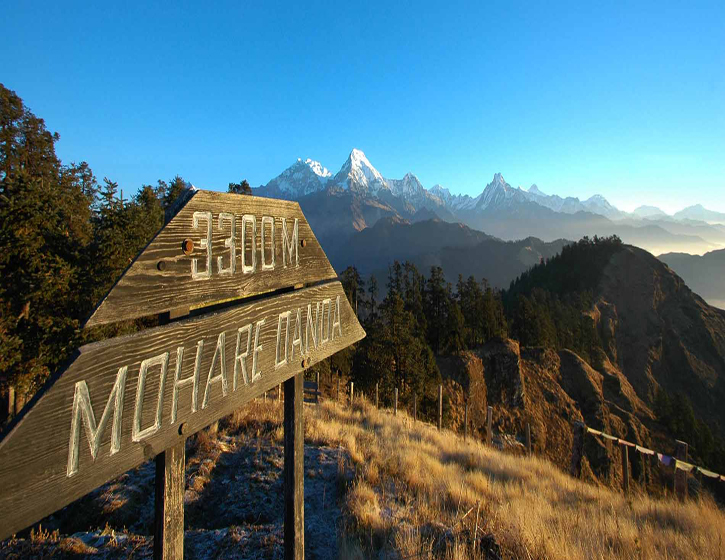
The trek typically begins from Galeshwor, near Beni, and winds through charming villages, dense forests, and ridges that provide uninterrupted views of the Annapurna and Dhaulagiri massifs. With an elevation of 3,313 meters, Mohare Danda is not extremely high, yet it offers magnificent Himalayan sunrise and sunset experiences. Trekkers often describe it as an alternative renowned trekking route of Nepal—a peaceful blend of scenery, culture, and simplicity.
Location
Mohare Danda lies in the Annapurna region, nestled between the Dhaulagiri and Annapurna mountain ranges. Geographically, it sits within the Myagdi district of western Nepal. Its position makes it a less-crowded counterpart to Poon Hill, which is one of the famous trekking trails of Nepal.
Because of its location, Mohare Danda serves as an ideal viewpoint for capturing panoramic vistas of more than ten Himalayan peaks, including Annapurna South, Machhapuchhre, Nilgiri, Dhaulagiri, and Hiunchuli. The surrounding landscapes range from terraced fields in lower altitudes to oak, rhododendron, and pine forests at higher elevations. Its strategic spot offers an authentic village atmosphere and natural diversity, distinguishing it from other celebrated trekking regions of Nepal.
How to Go
To reach the starting point of the Mohare Danda Trek, trekkers usually take a road journey from Pokhara to Beni. Pokhara itself is accessible by a short 30-minute flight or a 6–7-hour drive from Kathmandu. From Beni, the trek often starts with a drive to Galeshwor. The trail then ascends through villages such as Banskharka, Nangi, and Tikot, eventually reaching Mohare Danda.
Unlike the busy trekking networks of Nepal, this route remains peaceful and eco-friendly. The journey takes about eight days in total, making it suitable for trekkers with limited time who still want to experience a slice of the most recognized hiking routes in Nepal.
People
The people along the Mohare Danda trail primarily belong to the Magar and Gurung communities, along with some Brahmin and Chhetri settlements. These ethnic groups are known for their warm hospitality and deep-rooted traditions. Villagers welcome trekkers with traditional songs, dances, and local cuisines, giving visitors a genuine taste of rural Nepalese culture.
Their way of life reflects simplicity and harmony with nature, unlike the bustling cities. By walking through these villages, trekkers encounter the human side of the most loved trekking regions of Nepal, where culture and landscape blend seamlessly.
What Type of Accommodation
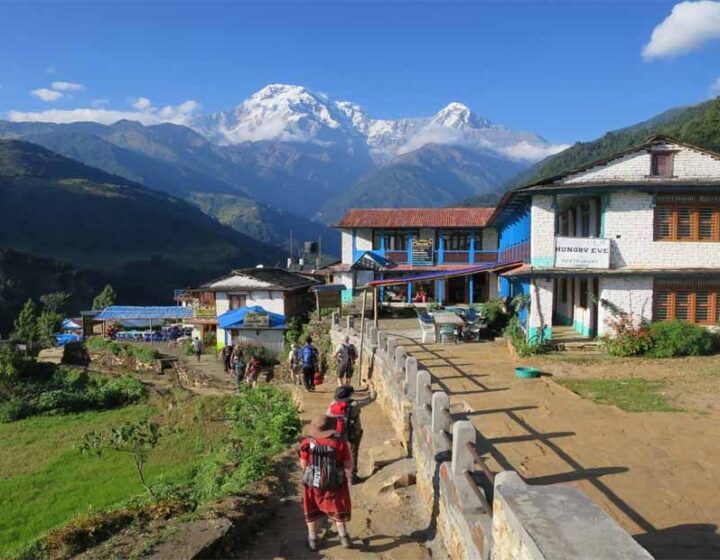
One of the distinctive aspects of the Mohare Danda Trek is the use of community lodges and homestays. Unlike the commercial tea houses found along the highly visited trekking paths of Nepal, local families and cooperatives manage the accommodation here. They build these eco-lodges with traditional architecture and run them on sustainable principles, often powering them with solar energy
Rooms are modest yet comfortable, offering basic beds, blankets, and warm meals cooked with local ingredients. Staying in these lodges allows trekkers to contribute directly to the livelihoods of villagers, making Mohare Danda stand out as a responsible alternative to the most popular trekking trails in Nepal.
Religious
The Mohare Danda region is dotted with small temples, shrines, and monasteries that reflect the religious harmony of rural Nepal. The majority of locals follow Hinduism and Buddhism, with cultural practices deeply tied to nature. Festivals such as Maghe Sankranti, Dashain, and Tihar are celebrated with devotion. Buddhist chortens and prayer flags are also visible along the trail, symbolizing peace and prosperity.
While not as spiritually focused as routes like the Kailash pilgrimage trail, Mohare Danda reflects the everyday faith and rituals of the people living along one of the cherished trekking destinations of Nepal.
Lifestyle
The lifestyle of people in Mohare Danda is simple, agricultural, and community-based. Most families depend on farming, animal husbandry, and tourism for their livelihood. Villagers engage in seasonal crop cultivation, growing maize, millet, potatoes, and vegetables on terraced fields. Livestock like goats and buffaloes are common, while women play an active role in weaving, cooking, and managing lodges.
Their lives move with the rhythm of nature, far from modern distractions. This traditional lifestyle is what makes the trek so appealing to visitors seeking authenticity beyond the commercial trekking circuits of Nepal.
Flora and Fauna
The Mohare Danda trail is home to diverse flora and fauna, making it comparable to the most treasured trekking regions in Nepal. The lower sections are filled with subtropical forests of oak, bamboo, and rhododendron. In spring, the rhododendrons bloom in vibrant red and pink, turning the trail into a colorful paradise.
Wildlife includes Himalayan langurs, barking deer, wild boars, and a variety of birds like pheasants, eagles, and woodpeckers. Trekkers also often spot butterflies and hear the calls of cuckoos echoing through the valleys. This biodiversity adds a natural richness that rivals other renowned trekking destinations in Nepal.
Vegetation
Vegetation varies with altitude on the Mohare Danda trail. The lower valleys support terraced fields of rice, wheat, and barley. As the trail ascends, the vegetation shifts to dense rhododendron forests, followed by coniferous trees such as fir and pine. The higher ridges are dotted with alpine shrubs and mosses.
This variation creates a layered landscape that appeals to trekkers, much like the vegetation seen in the most distinguished trekking areas of Nepal. The lush greenery not only provides shade and oxygen but also sustains the wildlife and livelihoods of local villagers.
Atmosphere
The atmosphere of Mohare Danda is calm, refreshing, and untouched by mass tourism. Unlike the bustling energy of Everest or Annapurna Base Camp, this trail exudes tranquility. The air is pure, the environment serene, and the pace slow, making it ideal for meditation, photography, or simply unwinding amidst nature.
The sunrise and sunset views from Mohare Danda are among the best in the Annapurna region. The peaks glow golden at dawn and crimson at dusk, creating unforgettable memories. For many, this peaceful atmosphere makes Mohare Danda an equally enchanting alternative to the most iconic trekking routes of Nepal.
Most Popular Trekking Region Nepal
Thousands of visitors regard the Everest region the Langtang region and the Annapurna region as one of the most popular trekking areas in Nepal. Trails like Everest base camp, Gokyo trek, There pass trek, Langtang valley trek, Langtang Gosankunda Helambu and Tamang heritage and the Annapurna Circuit and Annapurna Base Camp are world-famous. However, Mohare Danda has emerged as a lesser-known yet equally rewarding counterpart.
It provides the same Himalayan vistas, cultural richness, and natural diversity without the overwhelming crowds. Many adventurers now consider Mohare Danda as a hidden gem within the widely recognized trekking regions of Nepal, offering authenticity and peace alongside beauty.
Company and The Himalayan Realms Treks
Choosing the right company for the Mohare Danda Trek ensures a memorable and safe experience. The Himalayan Realms Treks and Expedition Nepal Pvt. Ltd., founded with decades of trekking expertise, specializes in providing personalized journeys through both the celebrated and emerging trekking trails of Nepal.
The company emphasizes responsible tourism, ensuring that trekkers not only enjoy breathtaking landscapes but also contribute to local communities. With professional guides, well-planned itineraries, and a strong focus on safety, Himalayan Realms Treks makes the Mohare Danda Trek an ideal choice. It suits travelers seeking both adventure and culture. Their wide network in the Annapurna and beyond ensures every client experiences the heart of Nepal’s most respected trekking regions.
Conclusion
The Mohare Danda Trek is more than just an eight-day hiking journey. It is an immersion into community life, a contribution to sustainable tourism, and a chance to witness Himalayan beauty. Though not as famous as Everest Base Camp or the Annapurna Circuit, it offers equal charm as an alternative trek.
From eco-lodges to rich biodiversity, and from cultural encounters to sunrise views, Mohare Danda delivers everything trekkers dream of. It rewards travelers with tranquility, authenticity, and breathtaking scenery. For many, it stands among Nepal’s most meaningful trekking experiences. With guidance from The Himalayan Realms Treks, each step becomes a lasting memory. It reminds every visitor why Nepal is the land of adventure, culture, and unforgettable journeys.
Itinerary
The adventure begins with a scenic flight from Kathmandu to Pokhara, which takes about 25–30 minutes, or a longer 6–7 hour drive through winding hills and picturesque landscapes. Upon arrival, check into your hotel and take a relaxing walk around the serene Phewa Lake. You can visit the Tal Barahi Temple on the lake and enjoy boating amidst the reflections of the Annapurna range. The evening can be spent exploring Pokhara’s lakeside market, tasting local delicacies, and preparing for the trek ahead. This initial day allows for acclimatization, a chance to review trekking gear, and meeting your trekking guide. Pokhara’s tranquil environment provides a perfect start, letting trekkers transition smoothly from urban hustle to nature’s embrace. Overnight in Pokhara, resting and enjoying the cool mountain air.
From Pokhara, drive to Beni, a small town at the confluence of the Kali Gandaki and Myagdi rivers, about 4–5 hours along scenic roads. Beni serves as the gateway to the trek. From here, the trail begins with a gradual ascent through terraced fields and lush forests. You will pass small villages where local villagers greet trekkers warmly, offering glimpses of traditional lifestyle. The path follows streams and wooden bridges, with occasional glimpses of the Annapurna and Dhaulagiri ranges in the distance. Bas Kharka, a quiet settlement at 1,525 meters, welcomes trekkers with its peaceful environment and simple lodges. This day’s hike is relatively gentle, allowing trekkers to adapt to the altitude. Evening brings stunning sunset views over the surrounding hills, and the night sky is ideal for stargazing. Overnight at Bas Kharka in a teahouse or lodge.
The trek continues uphill toward Nagi Village, a charming settlement nestled at 2,230 meters. The trail gradually ascends through dense forests of rhododendron, oak, and pine, offering shade and a refreshing atmosphere. Along the way, you will cross streams and encounter terraced farmlands, where local farmers tend their crops. The hike is moderate, with occasional steep sections, but the surrounding scenery makes every step rewarding. Nagi Village offers traditional Nepali hospitality, where locals warmly welcome trekkers and provide insight into their cultural practices. You can explore the village, interact with children, and observe traditional houses made of stone and wood. From the village, distant mountain peaks peek through the forests, hinting at the panoramic views awaiting higher elevations. The evening is peaceful, ideal for photography and soaking in the local lifestyle. Overnight stay in a homely lodge at Nagi Village.
This day is one of the highlights of the trek, as you ascend to Mohare Danda at 3,313 meters. The trail gradually climbs through thick rhododendron forests and alpine meadows, with viewpoints offering panoramic vistas of the Annapurna and Dhaulagiri ranges. The path is moderately challenging, with some steep sections requiring careful steps. Mohare Danda is renowned for its serene environment, away from crowded trails, making it a perfect spot for sunrise and sunset views. Trekkers often pause to photograph the dramatic mountain panorama, including the silhouette of Machapuchare. The camping site or lodge provides a comfortable resting spot, and the evening sky reveals a brilliant array of stars due to the high elevation and minimal light pollution. Overnight at Mohare Danda, resting for the next day’s trek downhill.
Today, the trail descends from Mohare Danda to Swanta Village at 2,200 meters. The hike passes through mixed forests, with oak and rhododendron interspersed with open ridges offering spectacular mountain views. Along the way, you will notice terraced fields and small local hamlets, giving insight into rural Nepali life. The descent allows trekkers to appreciate the contrast between high alpine scenery and lush lower valleys. Swanta Village itself is peaceful and largely untouched by tourism. Trekkers can explore the village, meet local families, and observe traditional farming practices. The evening brings calm with stunning sunset views over the surrounding hills. Overnight at a local lodge or homestay, enjoying a warm meal and the quiet, relaxing atmosphere of village life.
From Swanta, the trek begins a steady climb toward Chistibung at 3,025 meters. The trail passes through forests, terraced farmland, and occasional streams. At Chistibung, panoramic views of the Annapurna and Dhaulagiri ranges begin to dominate the horizon. Continuing upward, you reach Khopra Danda at 3,640 meters, an idyllic ridge known for its breathtaking sunrise and sunset vistas. The campsite here is set amidst open meadows, providing uninterrupted mountain views. Trekkers often relax in the afternoon, soaking in the atmosphere or taking short walks along nearby ridges. The night sky is incredibly clear, offering a spectacular stargazing opportunity. Lodging at Khopra Danda is in cozy teahouses or camps, with meals prepared using local ingredients.
Today’s trek is a full-day adventure to Khayar Lake, perched at 4,660 meters. The trail climbs gradually through alpine meadows, rocky ridges, and occasional snow patches. Along the way, trekkers are rewarded with awe-inspiring views of Dhaulagiri, Annapurna South, and Machapuchare. Khayar Lake itself is a serene glacial lake, reflecting the surrounding peaks in its crystal-clear waters. The area is remote, offering solitude and opportunities for photography. After a picnic lunch near the lake, the descent back to Khopra Danda allows trekkers to relax and enjoy the forested paths and mountain vistas. This challenging but rewarding hike gives a true sense of high-altitude trekking in Nepal. Overnight stay back at Khopra Danda, resting for the next leg of the trek.
Leaving Khopra Danda, the trail descends and then gradually climbs toward Dobato at 3,420 meters. The path passes through forests of pine and rhododendron, with open viewpoints offering spectacular panoramas of the Annapurna and Dhaulagiri ranges. Dobato serves as a popular stop for trekkers exploring the region, with teahouses and camps providing comfortable lodging. The village has a serene atmosphere, perfect for rest and reflection. Along the trail, you may encounter local shepherds and their livestock, adding to the authentic Himalayan experience. The evening allows for capturing sunset views over the mountains or simply enjoying the tranquility. Overnight in a lodge at Dobato, preparing for the descent toward more populated trekking areas in the coming days.
The trek today descends through lush forests and terraced hillsides toward Tadapani, a small village offering striking views of Machapuchare and Annapurna South. The trail then continues downward to Ghandruk, one of the most picturesque Gurung villages in Nepal, at 2,001 meters. Ghandruk is known for its traditional stone houses, charming village life, and panoramic mountain scenery. Trekkers can explore the local culture, visit small temples, and interact with villagers, gaining insight into the Gurung community. Lodges here provide comfortable accommodations, local cuisine, and warm hospitality. The village’s elevated position offers breathtaking views at sunset, with the peaks glowing in golden light. Overnight stay in Ghandruk, resting after a rewarding day of trekking.
The final trekking day is mostly downhill toward Nayapul, a small town at the base of the trekking region. The trail passes through subtropical forests, traditional villages, and suspension bridges crossing gushing rivers. Upon reaching Nayapul, you will board a vehicle for a scenic drive back to Pokhara, approximately 1–2 hours. In Pokhara, you can enjoy relaxation by Phewa Lake, shop for souvenirs, or explore local cafés. This day marks the transition from high-altitude trekking to urban comfort. Overnight stay in Pokhara, celebrating the completion of the Mohare Danda trek with fellow trekkers or your guide.
From Pokhara, either take a short flight or enjoy a picturesque 6–7 hour drive back to Kathmandu. The flight offers aerial views of the Himalayan range, while the drive passes through lush valleys, rivers, and traditional towns. In Kathmandu, check into your hotel and enjoy an evening exploring Thamel or relaxing after the trek. This is a great opportunity to review photos, share stories with fellow travelers, and experience Nepal’s capital city atmosphere.
Depending on your flight schedule, enjoy a leisurely morning in Kathmandu. This could include a short cultural visit, shopping for souvenirs, or simply relaxing at your hotel. Your guide and driver will assist with airport transfer for your onward journey. The memories of the Mohare Danda trek—mountain vistas, local encounters, and tranquil landscapes—remain as a lasting reminder of Nepal’s unmatched beauty.
Included
- All airport, hotel airport transfers.
- 2-night hotel in Kathmandu
- 2-night hotel in Pokhara
- Deluxe Bus fare from Kathmandu to Pokhara
- Conservation & TIMS permit.
- Accommodation in the tea house
- Food, Tea/coffee during trek.
- Guide: – including salary, insurance, equipment, flight, food and lodging.
- Porter: – including salary, insurance, equipment, food and lodging.
- For guest: -Down jacket, Good sleeping bag (down jacket and sleeping bag are to be returned after trip completion).
- Transfer from Ghandruk to Pokhara
- All government and local taxes
- Final departure from hotel to international airport transfer.
Not Included
- Food in Kathmandu ( Lunch & Dinner).
- Bakery food during the trek.
- Nepal Visa fee.
- International airfare.
- Extra night accommodation in Kathmandu.
- Travel and rescue insurance if guest get mountain sickness and need to rescue helicopter.
- Personal expenses example (phone calls, laundry service , bar bills, battery recharge, WIFI charge, extra porters, bottle water or boiled water, shower etc.)
- Tips for guide and porters
- Sightseeing sport fees. tours guide cost and vechicle cost
Useful Info
Location and Overview
Mohare Danda is a hidden gem trekking destination in the Myagdi district of western Nepal. Unlike the crowded Annapurna or Everest regions, Mohare Danda offers serene landscapes, panoramic Himalayan views, and a genuine cultural experience with local Magar and Gurung communities. It is often called the “sunrise and sunset viewpoint of the Annapurna and Dhaulagiri ranges” due to its spectacular ridge views.
Best Time to Trek
Autumn (September–November): Clear skies, moderate temperatures, and lush landscapes. Ideal for photography. Spring (March–May): Rhododendron blooms create colorful scenery, with pleasant weather. Winter (December–February): Crisp weather and snow-covered peaks; colder nights. Monsoon (June–August): Heavy rainfall, slippery trails, and limited visibility; not recommended.
Difficulty and Fitness Level
Level: Moderate to moderately challenging. Duration: 7–9 days depending on starting point and pace. Fitness: Good physical condition is required for uphill climbs and uneven terrain. Trekking experience is an advantage but not mandatory.
Typical Itinerary Highlights
Villages and Culture: Nagi, Swanta, and Mohare Danda villages. Views: Annapurna I, Dhaulagiri, Nilgiri, and Machapuchhre peaks. Nature: Mixed forests of pine, rhododendron, and oak; diverse bird and wildlife species. Sunrise & Sunset Points: The ridges around Mohare Danda provide unmatched sunrise and sunset views over the Himalayas.
Accommodation
Home-Stays & Community Lodges: The trek emphasizes local stays rather than luxury hotels. Camping Option: Possible on open ridges with tents for those seeking a more immersive experience. Facilities: Basic amenities, including local food and clean drinking water.
Food and Drinks
Simple Nepali meals (dal bhat, noodles, and fried rice) are available in villages. Hot drinks like tea, coffee, and soups are common. Trekkers should carry snacks, energy bars, and water purification tablets.
Gear and Essentials
Trekking shoes with good grip Warm clothing for mornings/evenings Rain jacket (if trekking in spring/autumn) Hat, sunglasses, and sunscreen Trekking poles (helpful on steep ascents/descents) First-aid kit and personal medications
Permits
Annapurna Conservation Area Permit (ACAP): Required for Mohare Danda as it lies within the Annapurna region. Trekkers’ Information: Always register at local entry points to support local authorities and ensure safety.
Transport & Access
Starting Point: Typically, from Beni, reachable by bus or private vehicle from Pokhara (~6–7 hours’ drive). Local Transport: Shared jeeps or taxis may be available to reach trailheads.
Highlights of the Trek
- Spectacular Ridge Views: 360° Himalayan panoramas from Mohare Danda.
- Cultural Experience: Interaction with local communities and observing traditional lifestyles.
- Tranquility: Far from crowded trails, offering peaceful trekking and camping.
- Sunrise & Sunset: Ideal spots for photography and reflection.
FAQs
-
Where is Mohare Danda located?
Mohare Danda is in the Myagdi district of western Nepal, near Beni. It lies within the Annapurna and Dhaulagiri Himalayan ranges, offering panoramic views of these majestic peaks.
-
How long is the trek?
Typically, the Mohare Danda trek takes 11–12 days, depending on the starting point, pace, and side excursions.
-
What is the difficulty level?
It is considered moderate to moderately challenging. Trekkers should have a basic level of fitness. The trails involve gradual ascents, occasional steep sections, and descending paths through villages and forests.
-
. How do I reach the trailhead?
Most treks start from Beni, accessible by: Drive: 6–7 hours from Pokhara via motorable roads. Flight + Drive: Fly from Kathmandu to Pokhara and drive to Ben
-
What kind of accommodation is available?
Accommodation options include: Local guesthouses and community lodges: Run by villagers, offering authentic experiences. Camping: Optional for trekkers preferring to stay amidst nature.
-
What are the highlights of the trek?
Sunrise views from Mohare Danda over Annapurna, Dhaulagiri, Nilgiri, and Machapuchhre. Walks through rhododendron forests and terraced farmlands. Cultural interaction with local Gurung and Magar villages. Birdwatching and observing Himalayan flora and fauna.
-
What should I pack?
Essentials include: Warm and layered clothing. Trekking boots and socks. Rain jacket and windproof gear. Water bottle and purification tablets. Sun protection (hat, sunglasses, sunscreen). Basic first-aid kit.
-
What is the altitude range?
Lowest point: ~1,500 m (Bas Kharka) Highest point: ~3,313 m (Mohare Danda) Altitude sickness is rare but acclimatization days are recommended for sensitive trekkers.