

Trip overview
Ghorepani–Annapurna Base Camp 12-day Trek
Introduction
The Ghorepani–Annapurna Base Camp (ABC) Trek is one of Nepal’s most celebrated walking journeys, known for its blend of scenic beauty, cultural richness, and approachable adventure. It combines the short and accessible Ghorepani–Poon Hill route with the classic trail to Annapurna Base Camp, giving trekkers a chance to enjoy both sunrise views over the Himalayas and the dramatic amphitheater of snowy peaks. With its moderate length, manageable difficulty, and varied landscapes, this trek appeals to both first-time hikers and seasoned adventurers, making it a top choice among Nepal’s mountain journeys.
About the Trek
This trek is more than a trail—it is an immersive cultural and natural journey. Starting from low hill villages, the route gradually climbs through rhododendron forests, terraced fields, and Gurung and Magar settlements. Two highlights stand out: the sunrise spectacle from Poon Hill and the 360-degree panorama at Annapurna Base Camp. Together they make this trek one of Nepal’s most rewarding experiences. The trail is well-suited for both newcomers and experienced trekkers, offering an ideal balance of scenery, culture, and mountain adventure.
Location
The Ghorepani–ABC trail lies within the Annapurna Conservation Area in central Nepal, northwest of Pokhara. Ghorepani sits at 2,874 meters, while Annapurna Base Camp rests at 4,130 meters. Surrounding peaks include Annapurna I, Annapurna South, Hiunchuli, Machhapuchhre (Fishtail), and Dhaulagiri. Since the route runs through the Annapurna Sanctuary, it combines wilderness with accessibility, giving trekkers pristine natural settings without requiring extreme remoteness.
How to Go
The journey usually begins in Kathmandu, with either a flight or a drive to Pokhara, the main gateway to the Annapurna region. From Pokhara, a short drive to Nayapul or Tikhedhunga marks the starting point of the trek. The first phase passes Ulleri, Ghorepani, and Poon Hill before continuing toward Tadapani, Chhomrong, Bamboo, Deurali, and finally Annapurna Base Camp. The trail is well-maintained, with clear signage and abundant teahouses. Because logistics are straightforward, the trek is accessible to short-term visitors and long-term explorers alike.
People
The trek introduces travelers to the Gurung, Magar, and other ethnic groups of the mid-hills. Known for their warm hospitality and rich traditions, these communities welcome trekkers into lodges and guesthouses. Folk songs, festivals, and daily farming life offer glimpses into local culture. Many residents have historical ties with the Gurkha regiments, adding a proud dimension to their identity. Meeting these people makes the trek as much a cultural journey as a scenic one.
Accommodation
Accommodation along the trail is primarily in teahouses and small lodges. Rooms are simple but clean, usually with shared bathrooms, and meals are hearty and comforting. In lower villages, guesthouses may offer slightly more comfort, while higher up, lodges are more basic yet cozy, often with communal dining halls warmed by a fire. Trekkers can enjoy dal bhat (traditional Nepali meal), noodles, soups, and even international dishes. The friendly lodge culture makes this trek one of the most traveler-friendly experiences in Nepal.
Religious Significance
The Annapurna region is not only naturally spectacular but also spiritually meaningful. The base camp is considered sacred, especially by the Gurung people of the Ghorepani-ABC trek, who honor the mountain deities. Machhapuchhre (Fishtail) is regarded as holy and has never been officially climbed. Along the trail, shrines, prayer flags, and small monasteries reflect both Buddhist and Hindu influences. This spiritual atmosphere gives the trek a sense of reverence, blending adventure with devotion.
Lifestyle
Daily life in villages along the trek is rooted in farming, herding, and tourism. Terraced fields grow rice, millet, and potatoes, while livestock provides milk and meat. Families often run teahouses alongside their agricultural work. Community life is close-knit, with festivals, rituals, and seasonal rhythms shaping the year. This mix of tradition and tourism allows visitors to experience an authentic mountain lifestyle while enjoying modern trekking facilities.
Flora and Fauna
The Annapurna Conservation Area is one of Nepal’s richest biodiversity zones. At lower altitudes, lush rhododendron forests dominate, turning brilliant red and pink in spring. Oak, pine, and maple add variety. Wildlife includes Himalayan langurs, barking deer, and colorful pheasants such as the Danphe, Nepal’s national bird. Higher up, alpine shrubs and hardy plants replace tall trees. This diversity makes the trek not only visually stunning but also ecologically fascinating.
Vegetation
Vegetation shifts dramatically with altitude. The lower trail features subtropical forests with bamboo, ferns, and orchids. Mid-level areas are covered in rhododendron and oak, creating some of the trek’s most enchanting walks. Near Annapurna Base Camp, greenery gives way to alpine meadows and sparse vegetation, with hardy plants adapted to cold conditions. This natural progression gives trekkers the sense of walking through multiple ecological zones in a single journey.
Atmosphere
The trek’s atmosphere is a mixture of peace, energy, and awe. Villages feel welcoming and homely, forested sections carry a calm stillness, and viewpoints such as Poon Hill buzz with excitement at sunrise. At Annapurna Base Camp, the mood shifts to reverence as towering peaks surround trekkers on all sides. Fresh mountain air, rhythmic footsteps, and companionship along the trail create a journey filled with both reflection and celebration.
Most Popular Trekking Region in Nepal
The Annapurna region, home to the Ghorepani–ABC trail, is widely regarded as one of Nepal’s most popular trekking areas. Its accessibility, varied scenery, and cultural depth make it attractive to travelers of all ages. Options range from short hikes like Poon Hill to longer circuits such as the Annapurna Circuit and the ABC trek itself. Annapurna’s reputation ensures a steady flow of trekkers from around the world.
Nepal, however, offers more than just Annapurna. The Everest region, with trails like Everest Base Camp, Gokyo Lakes, and the Three Passes, is legendary for Sherpa culture and views of the world’s highest peak. The Langtang region, closer to Kathmandu, is another favorite, known for its alpine scenery and Tamang culture. Together, Annapurna, Everest, and Langtang form Nepal’s three premier trekking regions, each offering its own character and rewards.
The Himalayan Realms Treks
For those planning to walk this classic trail, Himalayan Realms Treks and Expedition Nepal Pvt. Ltd. provides reliable, professional services. With decades of expertise, the company offers experienced guides, cultural insights, and logistical support. Their approach blends safety, authenticity, and warm hospitality, ensuring every trekker enjoys a seamless experience. Choosing this team means turning the Ghorepani–ABC trek into not just a trip, but a lasting memory.
Conclusion
The Ghorepani–Annapurna Base Camp Trek remains one of Nepal’s finest journeys, combining natural grandeur, cultural depth, and spiritual meaning in a single trail. From rhododendron-covered hills to the icy amphitheater of Annapurna Base Camp, trekkers experience an ever-changing panorama of landscapes. Encounters with welcoming villagers, the convenience of teahouse culture, and the spiritual essence of the sanctuary enrich the adventure. Whether it is a first trek in Nepal or part of a lifelong passion for the mountains, this route stands out as a timeless favorite—where beauty, culture, and adventure converge into one unforgettable journey.
Itinerary
Traveling from Kathmandu to Pokhara by tourist deluxe bus is a comfortable and scenic journey that usually begins around 7:00 AM from Sorhakhutte or Thamel. The road follows the Prithvi Highway, passing through the countryside, small towns, and lush river valleys. As the bus moves out of Kathmandu, you soon enjoy views of green hills, terraced farms, and the flowing Trishuli River. Tourist deluxe buses offer wide seats, air-conditioning, and smooth service, making the long drive relaxing. Along the way, the bus stops for breakfast and lunch at clean roadside restaurants where you can enjoy Nepali meals with beautiful scenery. The highway winds gently through villages and forests, giving you a chance to observe rural life, riverside settlements, and suspension bridges. The entire journey takes about 7–8 hours, depending on road conditions. By early afternoon, you reach Pokhara, where the calm lakes and mountain views welcome you to Nepal’s most peaceful tourist city.
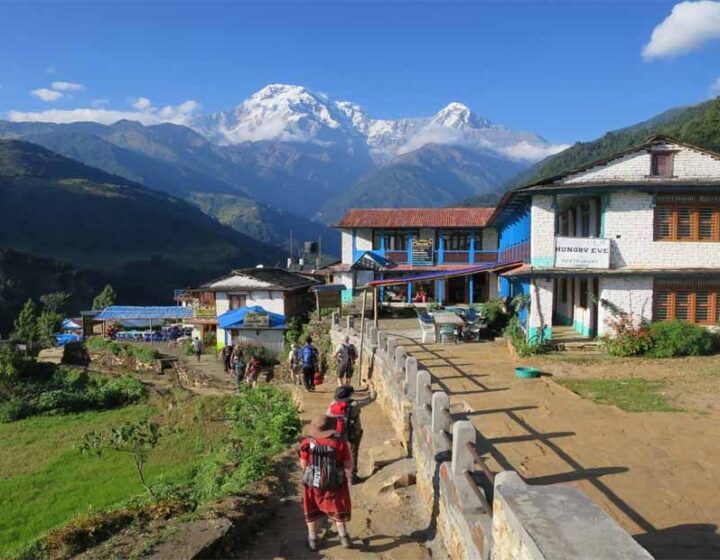
Your first day begins with a morning drive from Pokhara to Nayapul, following the beautiful Seti River and terraced hillsides. The trek starts around 8:00 AM from Nayapul, where you walk through the lively village of Birethanti. Here, you see small shops, tea houses, and local people beginning their daily work. The trail follows the Modi Khola River, passing through green farmland and traditional Gurung settlements. As you continue, the walk remains gentle until you reach Tikhedhunga, a peaceful spot with rivers, waterfalls, and stone-paved paths. After a short rest, you continue towards Ulleri, climbing the famous stone steps that rise steeply along the hillside. Although challenging, the climb rewards you with beautiful views of terraced fields, forests, and distant peaks. Ulleri offers a cool mountain atmosphere, traditional stone houses, and warm hospitality. The day provides a perfect start with both easy walking and an exciting uphill challenge.
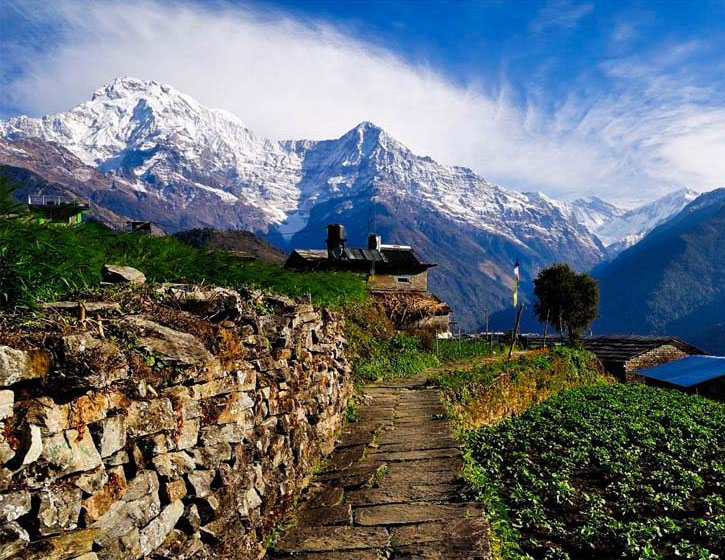
The trek from Ulleri (2,070m/6,791ft) to Ghorepani begins around 7:00 AM and offers a beautiful mix of forest, village life, and mountain scenery. After leaving Ulleri, the trail gradually climbs through stone steps and passes small settlements like Banthanti. As you continue higher, the environment becomes cooler and quieter, with dense rhododendron and oak forests surrounding the path. In spring, the forest bursts into vibrant colors of red and pink blossoms, creating one of the most stunning sections of the Annapurna region. You can hear birds singing and sometimes spot Himalayan langur monkeys moving through the trees. The trail gently winds through shaded forest until you reach Nangethanti, a peaceful rest point often filled with mist and forest sounds. After a short break, a final uphill walk brings you to Ghorepani (2,874m/9,429ft). The village sits on a ridge, offering sweeping views of the Annapurna and Dhaulagiri ranges. The cool air, mountain atmosphere, and warm lodges make it a perfect overnight stop.
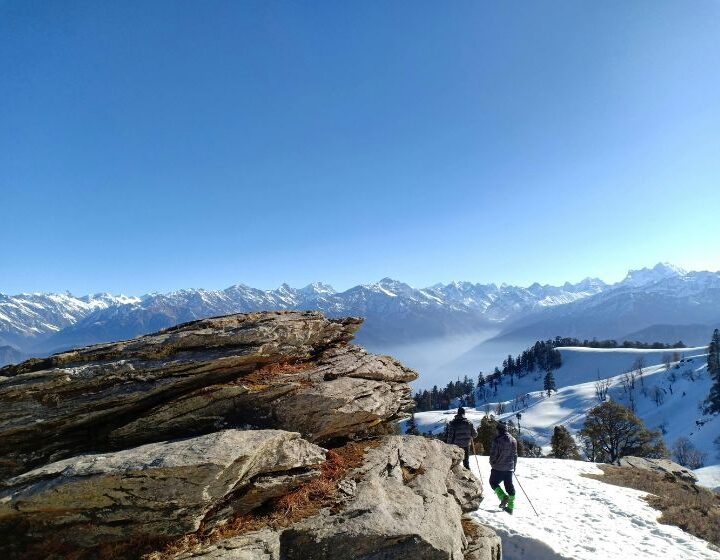
You start the morning early at 4:30 AM for the sunrise hike to Poon Hill. The climb takes about an hour through a forested stone trail. As the sun rises, the peaks of Dhaulagiri, Annapurna South, Machhapuchhre, and Nilgiri turn golden, offering one of the most spectacular sunrise views in Nepal. After enjoying the panorama, you return to Ghorepani for breakfast. The trail to Tadapani then climbs through rhododendron forests and follows a ridge with breathtaking mountain views. Mist often drifts between the trees, creating a mystical feeling. As you descend towards Tadapani, the forest becomes dense with moss, ferns, and birdlife. Tadapani offers close views of Machhapuchhre and Annapurna South. The atmosphere is quiet and peaceful, with cool mountain air and dense forest surroundings. This day combines sunrise magic and deep forest trekking.
Your day begins around 7:00 AM with a steady descent through a forest filled with chirping birds and rich greenery. The trail winds down to the Gurung village of Gurjung before continuing toward Chhomrong. You cross small streams, suspension bridges, and terraced farmlands that showcase traditional mountain life. As you approach Chhomrong, you see magnificent views of Annapurna South and Machhapuchhre rising sharply above the valley. The village is one of the largest Gurung settlements in the region, known for its hospitality and beautiful stone-paved pathways. The atmosphere remains calm, with cool breezes and wide-open views. Chhomrong sits perfectly on a hillside, offering dramatic scenery as clouds drift across the mountains. It is the gateway to the Annapurna Sanctuary, making it an exciting place to rest. This day offers cultural experiences, scenic landscapes, and close mountain scenery.
Day 5: Chhomrong – Bamboo (2,310m/7,579ft)
You start trekking around 7:30 AM, descending first to the Chhomrong Khola and crossing a suspension bridge. A long ascent leads you to Sinuwa, where you get broad views of the valley below. The forest grows thicker as you continue, walking through cool, shaded paths filled with bamboo, oak, and rhododendron trees. You pass through the peaceful villages of Lower Sinuwa and Upper Sinuwa, where the air becomes fresher and quieter. The trail then descends toward Bamboo, named after the dense bamboo forest surrounding the area. This region is humid and green, with occasional sightings of wildlife such as langur monkeys and colorful birds. As you approach Bamboo, the sound of flowing streams and waterfalls becomes more noticeable. The settlement itself is small but cozy, offering a peaceful overnight stop. The day feels like a walk through the heart of the forest.
You start trekking around 7:30 AM, descending first to the Chhomrong Khola and crossing a suspension bridge. A long ascent leads you to Sinuwa, where you get broad views of the valley below. The forest grows thicker as you continue, walking through cool, shaded paths filled with bamboo, oak, and rhododendron trees. You pass through the peaceful villages of Lower Sinuwa and Upper Sinuwa, where the air becomes fresher and quieter. The trail then descends toward Bamboo, named after the dense bamboo forest surrounding the area. This region is humid and green, with occasional sightings of wildlife such as langur monkeys and colorful birds. As you approach Bamboo, the sound of flowing streams and waterfalls becomes more noticeable. The settlement itself is small but cozy, offering a peaceful overnight stop. The day feels like a walk through the heart of the forest.
You begin around 7:30 AM, following a trail that climbs gradually through thick bamboo and oak forests. The environment becomes cooler and quieter as you walk deeper into the sanctuary. After passing Dovan and Himalaya Hotel, the scenery changes to tall cliffs, waterfalls, and narrow gorges. The sound of the river echoes through the valley as you move higher. The vegetation becomes thinner, and the air grows colder. You’ll see avalanche paths, rocky slopes, and dramatic landscapes carved by glaciers. As you approach Deurali, the trail opens into a wider valley with stunning views of surrounding peaks. The terrain becomes more alpine, with shrubs and grasses replacing dense forest. Deurali is surrounded by steep cliffs and has a mystical atmosphere due to drifting clouds and the echoing river. The day offers a mix of forest, waterfalls, and high-altitude landscapes.
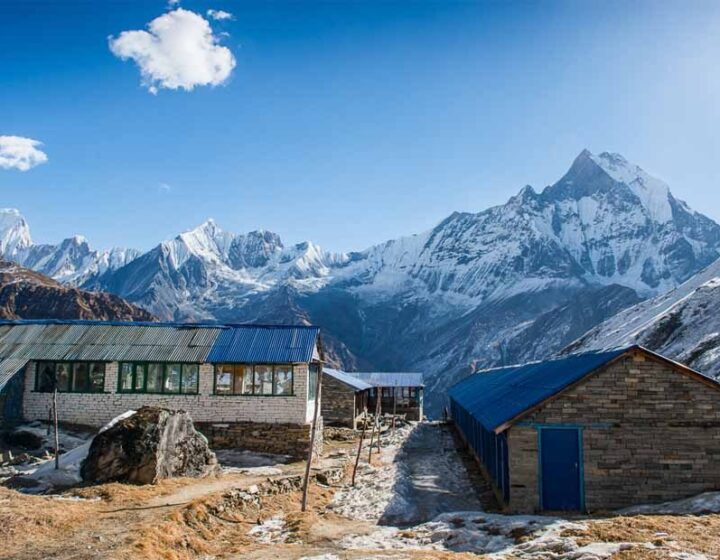
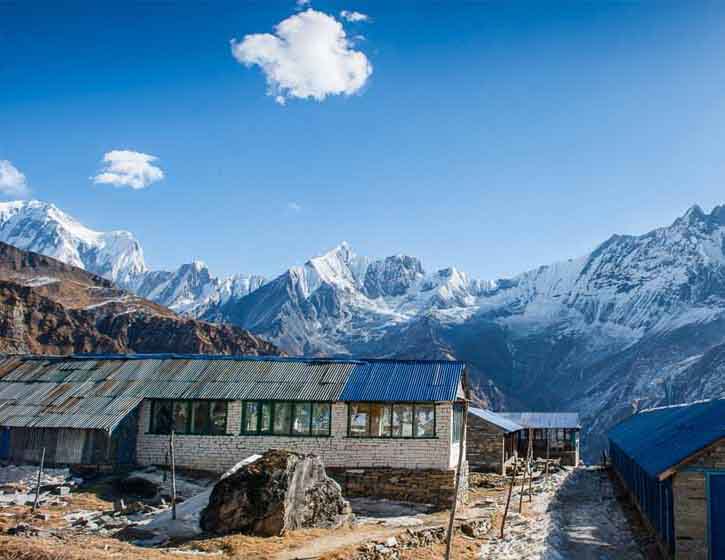
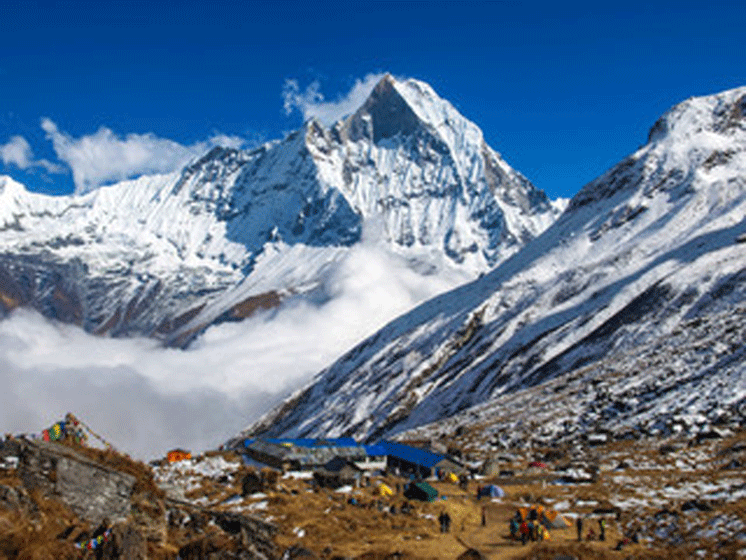
The day starts early at 7:00 AM as you head toward Machhapuchhre Base Camp (3,700m/12,139ft). The trail rises gently across sandy, glacial terrain. You begin to see close-up views of Machhapuchhre, Gangapurna, and Annapurna III. After reaching MBC, the landscape opens into a wide amphitheater of mountains. From here, the path continues toward ABC, surrounded by towering peaks on all sides. As you enter the Annapurna Sanctuary, the air becomes colder and the scenery more dramatic. Snow-capped mountains rise sharply, creating a breathtaking 360-degree panorama. At Annapurna Base Camp, you stand at the foot of Annapurna I, one of the world’s highest and most impressive peaks. The atmosphere is calm, silent, and powerful. Sunset and sunrise views from ABC are unforgettable, as the peaks glow golden and pink. This is the highlight of the trek.
You begin descending around 7:00 AM, retracing your steps through MBC and Deurali. The morning light illuminates the peaks, giving you one last look at the mountain amphitheater. As you move lower, the air becomes warmer and the landscape shifts back to alpine vegetation. You pass waterfalls, rocky trails, and forested slopes. Lunch is usually taken around Himalaya or Dovan. The descent feels easier, but long, requiring steady walking. The sound of flowing rivers returns as you approach Bamboo’s cool, green forest. The area is peaceful, filled with bamboo groves and the scent of moist earth. Wildlife may appear, such as Himalayan birds or langur monkeys. By afternoon, you reach Bamboo and enjoy a quiet rest in a natural setting. The day offers a refreshing return to forest surroundings after the high-altitude experience.
Starting around 7:30 AM, you climb back up to Sinuwa before descending toward Chhomrong. The familiar views of Machhapuchhre and Annapurna South reappear along the trail. You pass terraced fields, traditional stone houses, and lively villages. After reaching Chhomrong, a steep descent leads to Jhinu Danda. This village is famous for its natural hot springs located near the river, about a 20-minute walk from the lodge. The hot springs offer a relaxing experience after days of trekking. The atmosphere in Jhinu is warm and scenic, with lush hills and the river flowing below. In the evening, you can unwind while enjoying the peaceful surroundings. The day gives a blend of cultural village scenery and refreshing natural beauty.
Your final trekking day begins around 7:00 AM, following a gentle trail along the Modi Khola River. The path passes through small villages, bridges, farm fields, and warm lowland forests. The scenery becomes greener and more tropical as you descend. You see traditional lifestyles, children walking to school, and locals working in fields. The walk is easy and pleasant, offering time to reflect on the mountain journey. After reaching Nayapul, a vehicle takes you back to Pokhara, arriving by afternoon. The return drive offers views of hills, rivers, and rural settlements. Once in Pokhara, you can relax by Phewa Lake or enjoy a celebratory meal. The day marks the end of a rewarding trek filled with forests, mountains, culture, and unforgettable memories.
Traveling from Pokhara to Kathmandu by tourist deluxe bus is a comfortable and scenic journey that takes around 7 to 8 hours, depending on road conditions and traffic. The trip usually begins early in the morning, between 7:00 and 7:30 AM, allowing travelers to enjoy the cool weather and peaceful start of the day. As the bus leaves Pokhara, passengers can admire views of Phewa Lake, terraced fields, and traditional villages. The route follows the Prithvi Highway, offering beautiful sights of the Trishuli River, lush green hills, and rocky cliffs. Deluxe buses provide reclining seats, air-conditioning, bottled water, and frequent breaks for tea, breakfast, and lunch. The ride is smooth and safe, with professional drivers familiar with the mountainous terrain. Throughout the journey, travelers can relax, take photos, and enjoy Nepal’s countryside, arriving in Kathmandu by late afternoon feeling refreshed and ready for the next adventure.
Your final departure from the hotel to Tribhuvan International Airport begins with a warm farewell from the staff, who assist with luggage and ensure everything is ready for your journey home. The drive usually takes 20 to 30 minutes depending on traffic, so leaving at least three hours before your flight is recommended. As you head toward the airport, you pass through Kathmandu’s busy streets, colorful shops, temples, and everyday city life, giving you one last glimpse of Nepal’s vibrant atmosphere. Upon arrival at the airport gate, your guide or driver helps you unload your bags and directs you to the correct terminal for international departures. After final goodbyes, you proceed to security check and airline counters for check-in. The memories of the Himalayas, local culture, and warm hospitality remain with you as you enter the departure area, marking the end of a memorable journey and the beginning of your next adventure.
Included
- All airport, hotel airport transfers.
- 2-night hotel in Kathmandu
- 2-night hotel in Pokhara
- Flight fare from Kathmandu to Pokhara
- Transfers Pokhara airport to Nayapul
- Conservation permit.
- Accommodation in the tea house
- Food, Tea/coffee during trek.
- Guide: – including salary, insurance, equipment, flight, food and lodging.
- Porter: – including salary, insurance, equipment, food and lodging.
- For guest: -Down jacket, Good sleeping bag (down jacket and sleeping bag are to be returned after trip completion).
- Transfer from Nayapul to Pokhara
- Transfer from Pokhara hotel to Airport
- Transfer from Kathmandu Airport to hotel in Kathmandu
- All government and local taxes.
- Final departure from hotel to international airport transfer.
Not Included
- Food in Kathmandu ( Lunch & Dinner). Kathmanmdu and Pokhara.
- Bakery food during the trek.
- Nepal Visa fee.
- International airfare.
- Extra night accommodation in Kathmandu.
- Sightseeing sport fees. tours guide cost and vechicle cost
- Travel and rescue insurance if guest get mountain sickness and need to rescue helicopter.
- Personal expenses example (phone calls, laundry service , bar bills, battery recharge, WIFI charge, extra porters, bottle water or boiled water, shower etc.)
- Tips for guide and porters. If you are happy with theirs services.
Join Us Upcoming Trips
Book this trip with us. Here are the upcoming dates. Feel free to share this trip with your friends and family. For custom trips or general inquiries contact us.
| Departure Date | Trip Duration | Price | Status | |
|---|---|---|---|---|
| 05 March, 2026 | 12 Days | USD $1435 | Fixed departure | |
| 15 March, 2026 | 12 Days | USD $1435 | Fixed departure | |
| 27 March, 2026 | 12 Days | USD $1435 | Fixed departure | |
| 03 April, 2026 | 12 Days | USD $1435 | Fixed departure | |
| 15 April, 2026 | 12 Days | USD $1435 | Fixed departure | |
| 28 April, 2026 | 12 Days | USD $1435 | Fixed departure | |
| 03 May, 2026 | 12 Days | USD $1435 | Fixed departure | |
| 12 May, 2026 | 12 Days | USD $1435 | Fixed departure | |
| 26 May, 2026 | 12 Days | USD $1435 | Fixed departure | |
| 03 October, 2026 | 12 Days | USD $1435 | Fixed departure | |
| 14 October, 2026 | 12 Days | USD $1435 | Fixed departure | |
| 28 October, 2026 | 12 Days | USD $1435 | Fixed departure | |
| 05 November, 2026 | 12 Days | USD $1435 | Fixed departure | |
| 15 November, 2026 | 12 Days | USD $1435 | Fixed departure | |
| 29 November, 2026 | 12 Days | USD $1435 | Fixed departure | |
| 03 December, 2026 | 12 Days | USD $1435 | Fixed departure | |
| 15 December, 2026 | 12 Days | USD $1435 | Fixed departure | |
| 27 December, 2026 | 12 Days | USD $1435 | Fixed departure |
Useful Info
Trek Overview
The Ghorepani–ABC trek combines two famous routes: the scenic Poon Hill viewpoint and the iconic Annapurna Base Camp. The trek passes through charming Gurung and Magar villages, terraced fields, rhododendron forests, river valleys, and alpine landscapes before reaching the 4,130 m ABC amphitheater.
Best Seasons
Spring (March–May)—Clear skies, warm weather, blooming rhododendrons. Autumn (Sept–Nov)—Best visibility, stable weather. Winter (Dec–Feb)—Cold but clear; some snow above Deurali. Difficulty Level Monsoon (Jun–Aug)—Heavy rain, leeches, clouds; not recommended.
Moderate—Suitable for reasonably fit trekkers. Long ascents to Ulleri and Ghorepani. Steady climb from Chhomrong to Himalaya and ABC. No technical climbing; no previous experience needed.
Altitude & Acclimatization
Highest point: Annapurna Base Camp – 4,130 m (13,549 ft).
No separate acclimatization day is required, but walk slowly and drink plenty of water.
Common altitude symptoms: headache, loss of appetite, nausea, and dizziness.
If symptoms worsen, descend immediately.
Weather & Temperature
Ghorepani (2,874 m):
Day 10–15°C / Night 2–5°C. ABC (4,130 m):
Day 0–8°C / Night –10°C or below Strong winds and cold mornings at higher altitudes.
Accommodation
Teahouses with clean rooms, blankets, and shared toilets. Dining rooms are heated by a stove at night. Hot showers are available in most places at extra cost.
Meals
Typical foods:
Dal bhat, fried rice, noodles, soups, momo, and pasta. Breakfast: eggs, pancakes, porridge, toast. Prices increase with altitude.
Fresh drinking water and boiled water are available.
Transportation
Kathmandu → Pokhara: Tourist deluxe bus or flight. Pokhara → Nayapul & return: Private car, jeep, or public bus.
Required Permits
ACAP Permit – Annapurna Conservation Area Project 2, TIMS Card – Trekkers’ Information Management System Carry originals and keep digital photos on your phone.
Packing List
Clothing
Warm jacket (down recommended), Fleece jacket, Base layers (2 sets), Trekking pants, Waterproof jacket & trousers, Woolen hat, sun hat, gloves, Good trekking boots and sandals, 3–4 pairs trekking socks
Gear
Sleeping bag (–10°C), Headlamp, Rain cover for bag, Trekking poles, Sunglasses, Power bank
Toiletries
Sunscreen, lip balm. Tissue & wet wipes. Basic medicines. Water purification tablets
Daily Walking Hours
Average: 5–7 hours per day. Longest days: Chhomrong–Himalaya and Deurali–ABC.
Mobile Network & Wi-Fi
NTC and Ncell work in lower areas. Wi-Fi is available in most lodges (extra cost). At ABC, connectivity is limited.
Safety Tips
Start early every day, especially between Deurali and ABC due to the rockfall zone near Hinku Cave. Stay on the trail; avoid shortcuts. Drink 3–4 liters of water daily. Do not sleep at ABC if you show AMS signs. Hire a licensed guide for safety and navigation.
Highlights of the Trek
Sunrise from Poon Hill (3,210 m). Rhododendron forests. Hot spring at Jhinu Danda. Beautiful Gurung & Magar villages, Annapurna South, Hiunchuli, Fishtail close-up views, Stunning 360° Himalayan panorama at ABC
Download pdf brochure
FAQs
-
What is the Ghorepani–Annapurna Base Camp 12-day trek?
This trek combines two classic Annapurna routes. It includes the famous Poon Hill sunrise and the walk to Annapurna Base Camp. The trek offers mountain views, forests, villages, and cultural experiences in one journey.
-
How long is the trek and how many hours do we walk each day?
The trek takes 12 days including arrival and departure. Walking time is usually 4 to 7 hours per day. The pace is gradual and suitable for steady walkers.
-
What is the highest altitude on this trek?
The highest point is Annapurna Base Camp at 4,130 meters (13,550 feet). The itinerary is designed for proper acclimatization.
-
What kind of accommodation is available?
You stay in local teahouses. Rooms are simple but comfortable. Most have twin beds, blankets, and shared bathrooms.
-
What food is available during the trek?
Teahouses serve Nepali, Tibetan, and basic Western meals. Dal bhat, noodles, soups, potatoes, and rice are common. Hot drinks are available every day.
-
What permits are required?
You need an Annapurna Conservation Area Permit (ACAP). A TIMS card may also be required depending on regulations.
-
How crowded is this trek?
Poon Hill is busy during peak season. The Annapurna Base Camp section is less crowded after Chhomrong. It is quieter than Everest Base Camp.
-
Is altitude sickness a concern?
Altitude sickness is possible above 3,000 meters. The itinerary includes gradual ascent and rest days. Guides monitor your condition closely.
-
What makes this trek special compared to other ABC routes?
This route offers both sunrise views from Poon Hill and close-up views at Annapurna Base Camp. It combines scenery, culture, and variety in one trek.
-
Why choose Himalayan Realms Treks for this trek?
You trek with experienced local professionals. The itineraries are well-paced and safety-focused. Service is personal, flexible, and reliable.