

- Details
- Short Itinerary
Itinerary
Itinerary- Useful Info
- Photos
- FAQ
Trip overview
Mount Kailash Tours – Journey Through Sacred Landscapes
Introduction
Mount Kailash tours represent one of the most extraordinary journeys across the Himalayas. Rising in the remote western highlands of Tibet, this peak is more than just a mountain; it is a spiritual symbol, a cultural landmark, and a natural wonder. Travelers from around the world come here not only for adventure but also for the deep spiritual atmosphere that surrounds the region. Unlike the most popular trekking routes in Nepal, such as Everest Base Camp or the Annapurna Circuit, Kailash remains an untouched sanctuary where wilderness, divinity, and culture blend seamlessly. For many, visiting Mount Kailash is not simply travel; it is a pilgrimage that reshapes the spirit.
About Mount Kailash
Standing tall at 6,638 meters, Mount Kailash has long fascinated explorers, sages, and pilgrims. It is revered as the cosmic axis, the center of the world in Hindu, Buddhist, Jain, and Bon traditions. This makes it more than a geographical landmark; it is a beacon of faith. Trekkers often test their endurance on Nepal’s popular trails, but Kailash offers both a physical challenge and a spiritual awakening. The circular trail, known as the “Kora” or circumambulation, is a 52-kilometer journey around the sacred peak. Completing this circuit is believed to cleanse one’s sins and bring spiritual merit, making it a destination like no other.
Location
Mount Kailash is located in the Ngari prefecture of western Tibet, close to the borders of Nepal and India. This remote setting adds to its mystical aura, as it lies far from modern development. Surrounded by endless plateaus, glacial valleys, and pristine lakes, the region feels like a world suspended in time. Compared to the renowned trekking circuits in Nepal, which are well-connected by flights and roadways, Kailash requires determination to reach. Its isolation preserves its purity, ensuring that only dedicated travelers make the journey.
Mount Kailash 9 Nights/10 Days Tour
Mount Kailash, rising to 6,638 meters in the remote western region of Tibet, is not only a stunning natural wonder but also one of the world’s most sacred mountains. Regarded with immense reverence by four major religions—Hinduism, Buddhism, Jainism, and Bon—Mount Kailash is believed to be the earthly manifestation of Mount Meru, the spiritual center of the universe in ancient cosmology.
In Hindu belief, Mount Kailash is the abode of Lord Shiva, the god of destruction and transformation. Devotees believe that he resides at the summit in deep meditation with his consort, Parvati. Buddhists identify the peak as the dwelling of Demchok, a powerful deity symbolizing supreme bliss. For Jains, Mount Kailash is where their first Tirthankara, Rishabhadeva, attained liberation. Followers of the ancient Bon religion view it as the seat of their founder, Tonpa Shenrab.
Despite its religious significance, Mount Kailash remains unconquered, as climbing the peak is considered a profound spiritual transgression. The journey around the base—known as the Kora or Parikrama—is a sacred ritual. This 52-kilometer pilgrimage circumambulates the mountain, traditionally completed in three days, though some devout pilgrims perform it in a single day or prostrate at every step, taking several weeks.
Geographically, Mount Kailash sits near the source of four major rivers: the Indus, Sutlej, Brahmaputra, and Karnali (a tributary of the Ganges). This highlights its importance not just spiritually, but also environmentally.
The surrounding landscape is stark and powerful—dry high-altitude plains, snow-draped peaks, and sacred lakes like Lake Manasarovar and Lake Rakshastal, which add to the spiritual gravity of the region. The thin air, vast open skies, and tranquil atmosphere contribute to a deeply meditative experience.
Though the journey is challenging due to high altitude and basic infrastructure, pilgrims and trekkers from around the world are drawn to Mount Kailash each year for its divine aura, stunning scenery, and soul-stirring spirituality. A journey to Kailash is not merely an adventure—it is a path to inner awakening. Day-by-Day Journey Highlights
Day 01: Kathmandu to Syabrubesi: A scenic 7-8 hour drive leads to Syabrubesi (1,467 m), a small village nestled in the Langtang region. You’ll pass through Tamang settlements, pine forests, and winding mountain roads.
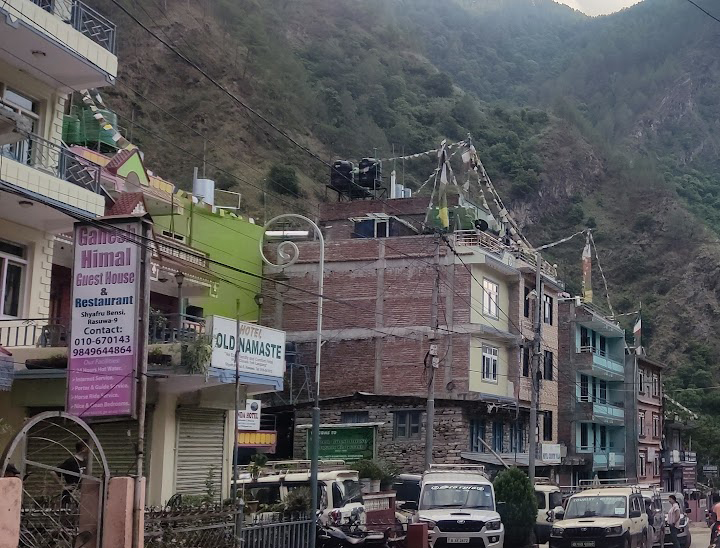
Day 02: Syabrubesi to Kerung (Tibet Border): Cross into Tibet via the Rasuwagadhi-Kerung border. Kerung (2,900 m) is your first taste of Tibetan soil and culture, with settlements adapted to the high plateau lifestyle.
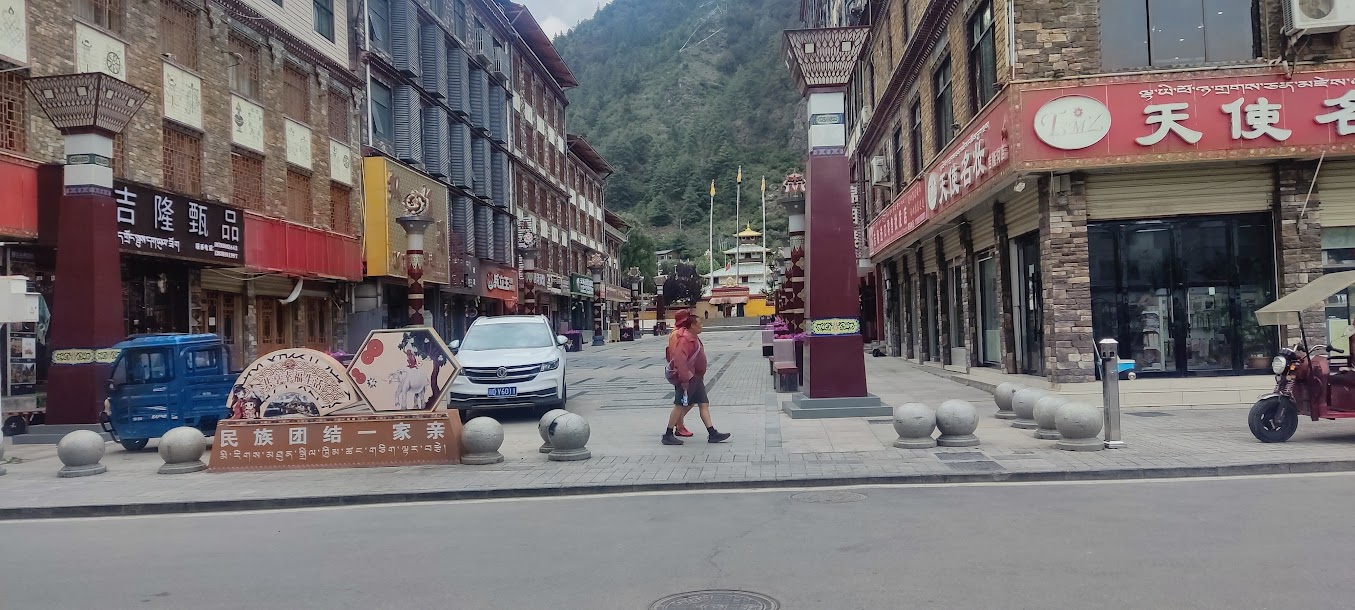
Kerung
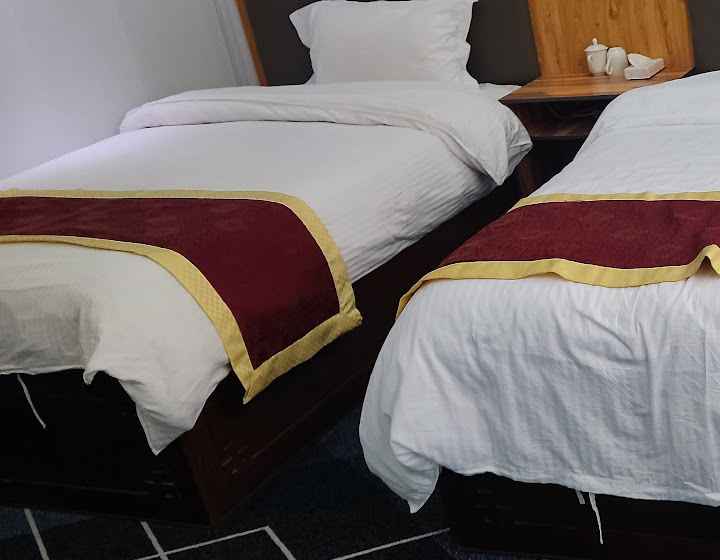
Day 03: After breakfast in Kerung, we drive 6–7 hours to Prayang across high-altitude Tibetan terrain. Passing dry valleys, snowy hills, and nomadic settlements, we stop in Saga for lunch and a short rest. The journey offers views of vast plains, Tibetan wildlife, and grazing yaks beneath a wide sky. By late afternoon, we reach Prayang, a peaceful town where we rest and start acclimatizing for the journey to Mount Kailash
Day 04: Kerung to Saga: Drive through winding mountain roads to reach Saga (4,640 m). The landscape shifts from green valleys to arid plateaus, scattered with small villages and nomadic tents.
Day 05: Saga to Lake Manasarovar: En route to Manasarovar (4,590 m), witness the raw beauty of the Tibetan plateau, glacial rivers, and herds of yaks. Upon arrival, take time to meditate or perform rituals by the lake.
Day 06: Lake Manasarovar to Darchen: Darchen (4,670 m) is the base for Mount Kailash Kora. Pilgrims gather here for final prayers and preparations before circumambulating the sacred mountain.
Day 07: From Darchen, a short drive takes us to Yamdwar, the sacred “Gateway of the Gods.” The six-hour trek to Terapuk follows the Lha Chu Valley, passing prayer flags, mani walls, and grazing yaks. Stunning views of Mount Kailash’s north face enhance the journey’s spiritual significance.
Day 07: After a short drive from Darchen to Yamdwar, the spiritual trek to Terapuk begins. The six-hour walk along the Lha Chu Valley passes prayer flags, mani walls, and grazing yaks. Breathtaking views of Mount Kailash’s north face accompany this deeply spiritual and scenic beginning of the sacred Kora.
Day 08: The trek from Terapuk crosses the challenging Dolma-La Pass (5,630 m), the highest point of the Kailash Kora. The steep ascent is spiritually significant, marked by prayer flags and offerings. After the pass, the trail descends past Gauri Kund and continues to Zutulpuk, known for its meditation cave and tranquility.
Vegetation and Landscape Diversity:
Tibetan Plateau Ecosystem
The journey from Kathmandu to Kailash traverses multiple vegetation zones, including subtropical forests around Syabrubesi with pine, fir, and rhododendron trees. Alpine grasslands as you ascend toward Kerung, home to dwarf shrubs and medicinal plants. High-altitude desert in central Tibet, where vegetation is sparse but resilient—mostly lichens, mosses, and scrub. These vegetation zones are directly influenced by altitude and climate, with dramatic changes every 500 to 1,000 meters of ascent.
Flora and Fauna of the Kailash Region
The Kailash region lies in the remote western Himalayas of Tibet, featuring a unique high-altitude ecosystem shaped by harsh climatic conditions and rugged terrain. Vegetation is sparse yet remarkable, demonstrating the resilience of life at extreme altitudes. Alpine shrubs, hardy grasses, and medicinal herbs such as Rheum nobile and Saussurea gossypiphora thrive in rocky soils. Lower valleys support juniper, rhododendron, and scattered conifer patches, while mosses and lichens dominate higher elevations.
Despite these harsh conditions, the region hosts diverse wildlife. Snow leopards, Tibetan wolves, Himalayan blue sheep (bharal), and kiang (Tibetan wild ass) roam freely across open plateaus. Birdlife is abundant, with Himalayan vultures, choughs, and the elusive Tibetan snowcock adding vitality to the skies. Smaller mammals, including marmots, pikas, and Tibetan hares, are commonly observed. This combination of flora and fauna reflects the extreme altitude, cold desert climate, and spiritual isolation, creating a fragile yet captivating ecosystem that supports both biodiversity and the traditional lifestyles of local pastoral communities.
Atmosphere and Spiritual Energy
The Unique Ambience of Kailash The spiritual vibration of the Kailash-Manasarovar region is palpable. The air is thin, crisp, and dry, with bright blue skies during the day and star-filled nights. The silence is broken only by the whispering winds or the rhythmic chants of pilgrims.
Most Popular Trekking Routes in Nepal
When comparing Kailash tours with the most popular trekking routes in Nepal, one sees both similarities and contrasts. Nepal’s iconic trails such as Everest Base Camp, Annapurna Circuit, and Langtang Valley attract trekkers for their rich landscapes, diverse villages, and well-developed infrastructure. These renowned hiking circuits in Nepal allow adventurers to enjoy comfort, cultural diversity, and breathtaking peaks. In contrast, Mount Kailash demands a higher level of resilience and commitment. It is not a trek chosen for convenience but for meaning. Nepal’s beloved trails offer exploration, while Tibet’s Kailash journeys bring transformation. Together, they create complementary experiences
Company Support
Undertaking a Kailash tour requires the guidance of reliable travel organizers. From permits to logistics, expert support ensures safety and success in this demanding environment. Unlike the independent style common along the frequently traveled trekking paths in Nepal, Kailash journeys instead require group arrangements with vehicles, cooks, guides, and camping support. Moreover, without professional organization, the remoteness and regulations make the trip nearly impossible. As a result, choosing a company with experience in both Nepal and Tibet not only creates a smoother journey but also ensures a more meaningful experience.
The Himalayan Realms Treks
The Himalayan Realms Treks and Expedition Nepal Pvt. Ltd. specializes in offering carefully designed Himalayan adventures. With decades of experience, the company provides personalized journeys that blend cultural depth and natural beauty. For Kailash tours, their expertise ensures that travelers experience the sacred landscape with comfort and care. In addition, they also operate in the widely admired trekking circuits in Nepal, ranging from Everest Base Camp to Annapurna, thus giving clients the opportunity to combine spiritual expeditions with thrilling adventure treks. Furthermore, their philosophy is built on respect—for nature, for culture, and for the traveler’s dream. As a result, this makes them a trusted companion for journeys across the Himalayas.
Conclusion
Mount Kailash tours are journeys of the soul, landscapes, and spirit.They are unlike any other adventure, because they blend rugged beauty with profound spirituality. Moreover, while the most popular trekking routes in Nepal deliver world-famous mountain adventures, Kailash offers something far deeper—a pilgrimage that transcends the physical and touches the divine. Therefore, choosing the right company, such as The Himalayan Realms Treks, ensures that this journey becomes both achievable and unforgettable. Additionally, travelers can expect an experience that nurtures both body and soul. Ultimately, whether one seeks faith, adventure, or personal transformation, Mount Kailash continues to stand as one of the Himalayas’ greatest gifts to humankind.
Short Itinerary
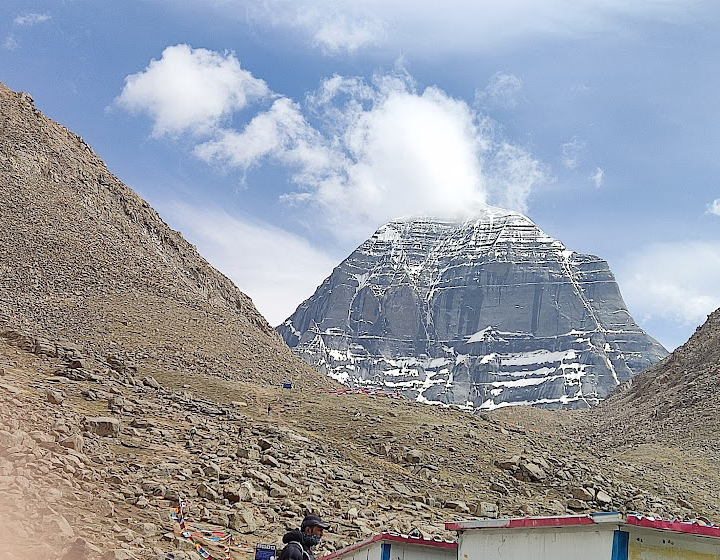
[caption id="attachment_3842" align="alignnone" width="300"] Mt. Kailash from Terapuk.[/caption]
Itinerary
Kathmandu to Syabrubesi (1,460 m)—7 to 8 Hours Drive: Our adventure begins early in the morning with a scenic overland drive from Kathmandu to Syabrubesi, the gateway to the Langtang region. The drive takes approximately 7 to 8 hours, covering about 122 kilometers through winding mountain roads.
As you depart from the Kathmandu Valley, the road gradually ascends through the green hills of the Nuwakot district, offering views of local villages, rice fields, and forested slopes. After about 3 hours of driving, you will stop for lunch at Trishuli, a small town near the confluence of rivers, known for its cool breeze and local eateries.
From Trishuli to Dhunche, the road becomes steeper and narrower, traversing through the rugged landscape. As you pass through Dhunche, the headquarters of Rasuwa district, the first magnificent mountain vistas come into view.
On a clear day, you can enjoy breathtaking sights of
Langtang Lirung (7,227m) – the highest peak in the Langtang range, standing tall in the distance.
Langtang Ri (7,205m) – a beautiful snow-clad peak bordering Tibet.
Ganesh Himal Range—with multiple peaks above 7,000 meters, forming a dramatic skyline.
Paldor Peak (5,896m) – a pyramid-shaped mountain in the Ganesh Himal area.
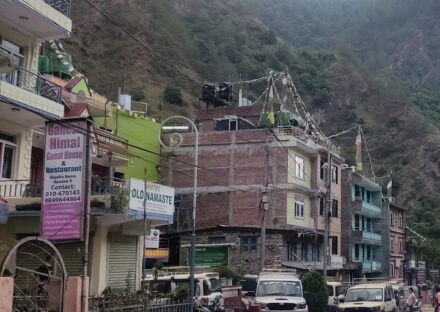
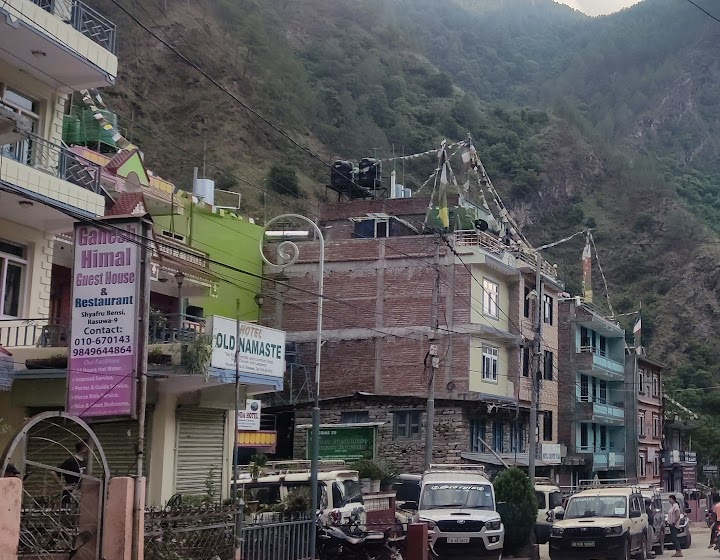
The final leg of the journey descends into the lush valley of Syabrubesi, located beside the Bhote Koshi River. This small but lively town serves as the starting point for treks to Langtang Valley, Gosaikunda, and Tamang Heritage Trail. Once you arrive, check into your teahouse or lodge, relax, and enjoy your first evening in the Himalayas.
Meals: Lunch en route, Dinner in Syabrubesi
Accommodation: Teahouse/Lodge in Syabrubesi
Syabrubesi (1,460m) to Kerung (2,800m) via Timbure Border—6to 7 Hours (Including Border Formalities)
After an early breakfast in Syabrubesi, you’ll begin your overland journey toward the Timbure border (Rasuwagadhi), the official immigration checkpoint between Nepal and Tibet (China). The drive from Syabrubesi to the border takes about 2 to 2.5 hours along a narrow but scenic mountain road, following the course of the Bhote Koshi River.
Border Crossing Process (Nepal–China)—Rasuwagadhi (Timbure Border):
Arrive at the Nepal Immigration Office at Rasuwagadhi. Submit your passport and required documents (group visa or Tibet permit if arranged in Kathmandu).
After clearance from the Nepal side, you will walk across the Friendship Bridge (about 100 meters).
On the Chinese side, proceed to the China Immigration & Customs checkpoint.
Chinese authorities will check your group visa, Tibet Travel Permit, and luggage. Security and customs checks are generally strict but systematic.
After completing all procedures, you’ll meet your Tibetan guide and Chinese vehicle waiting across the border.
Drive to Kerung Town (Gyirong)—2.5 to 3 Hours:
From the border, continue driving uphill through winding roads surrounded by deep gorges and alpine scenery. As you ascend, you’ll notice a striking change in the landscape—from lush green valleys to high-altitude plateaus.
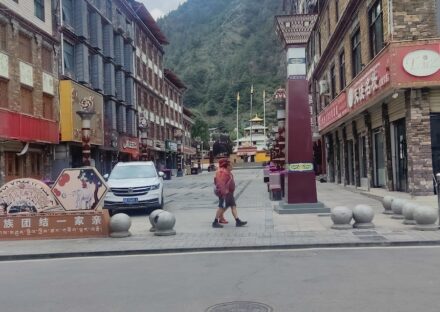
Kerung (Gyirong), located at 2,800 meters, is a Tibetan town nestled in a wide valley. It's relatively modern and serves as the first acclimatization stop before continuing toward higher elevations in Tibet.
Upon arrival, check into your hotel. The rest of the afternoon is free for rest and acclimatization, as your body adjusts to the higher altitude.
Meals: Breakfast in Syabrubesi, Lunch en route or in Kerung, Dinner in Kerung
Accommodation: Guesthouse/Hotel in Kerung
Important: Ensure you drink plenty of fluids and rest to prevent altitude-related symptoms.
After completing immigration formalities at the Kerung border, we begin our overland journey into the Tibetan plateau. The drive from Kerung to Prayang takes approximately 6–7 hours, passing through dramatic landscapes, rugged valleys, and remote highland villages. As we ascend, the scenery transforms into vast open plains, colorful prayer flags flutter in the wind, and distant snow-capped peaks come into view. En route, we pass through Saga town, where we may stop for refreshments or a short rest. Upon reaching Prayang, we settle into our accommodation and prepare for the next stage of our spiritual and scenic journey.
After breakfast in Prayang, we continue our journey toward Darchen, the gateway to the sacred Mount Kailash. The drive takes approximately 5–6 hours, passing through some of the most awe-inspiring landscapes on the Tibetan plateau. Along the way, we cross high mountain passes and vast plains adorned with fluttering prayer flags, herds of yaks, and occasional Tibetan antelope. The changing terrain offers a dramatic mix of barren hills, turquoise lakes, and snow-capped peaks in the distance. We pause at Lake Manasarovar, one of the holiest lakes in Tibetan Buddhism and Hinduism, for a brief spiritual break and photo opportunity. Pilgrims often take a holy dip here, believing it purifies the soul. After soaking in the tranquil beauty of the lake, we resume our journey to Darchen. Upon arrival, we check into our guesthouse, rest, and prepare for the next day’s trek—the beginning of the Kailash Kora.
After breakfast in Prayang, we continue our journey toward Darchen, the gateway to the sacred Mount Kailash. The drive takes approximately 5–6 hours, passing through some of the most awe-inspiring landscapes on the Tibetan plateau. Along the way, we cross high mountain passes and vast plains adorned with fluttering prayer flags, herds of yaks, and occasional Tibetan antelope. The changing terrain offers a dramatic mix of barren hills, turquoise lakes, and snow-capped peaks in the distance. We pause at Lake Manasarovar, one of the holiest lakes in Tibetan Buddhism and Hinduism, for a brief spiritual break and photo opportunity. Pilgrims often take a holy dip here, believing it purifies the soul. After soaking in the tranquil beauty of the lake, we resume our journey to Darchen. Upon arrival, we check into our guesthouse, rest, and prepare for the next day’s trek—the beginning of the Kailash Kora.
Today is a vital rest and acclimatization day in Darchen, situated at the base of Mount Kailash. After breakfast, we drive to the sacred Manasarovar Lake, just 30 km away. Revered in Hinduism, Buddhism, Jainism, and Bon religions, the lake is believed to cleanse sins and bless devotees with spiritual power. Here, you’ll have time for worship, meditation, and a short holy dip for purification, if desired. The tranquil surroundings, with Mount Kailash reflecting in the clear waters of the lake, create a spiritually uplifting atmosphere. Pilgrims perform prayers and rituals along the shores, offering deep reverence to nature and divinity. After spending peaceful hours by the lake, we return to Darchen for rest. This day also helps our bodies adjust to the high altitude before beginning the demanding Kailash Kora. In the evening, we review the upcoming trek, check our gear, and mentally prepare for the sacred journey ahead.
After an early breakfast in Darchen, we drive about 7 km to Yamdwar, the “Gateway of the God of Death,” which marks the starting point of the sacred Kailash Kora. Here, pilgrims offer prayers and seek blessings before beginning the trek. The trail from Yamdwar to Dirapuk (also known as Terapuk) covers approximately 12 km and takes about 5–6 hours at a steady pace. The path winds along the Lha Chu Valley, offering spectacular views of Mount Kailash’s north face, rocky cliffs, and flowing glacial streams. You may encounter prayer-chanting pilgrims, yak caravans, and serene highland landscapes. We take it slow to allow for acclimatization, with occasional breaks for snacks and photography. Upon arrival at Dirapuk, nestled beside the river with dramatic views of Kailash, we settle into a guesthouse or simple lodge. This is a powerful spiritual location, perfect for rest, reflection, and preparation for the challenging trek ahead.
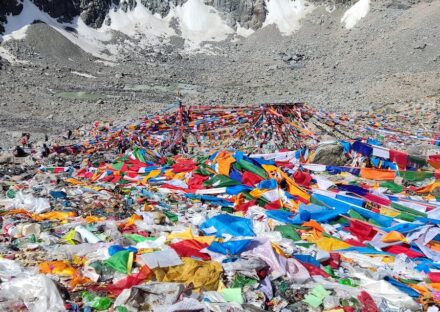
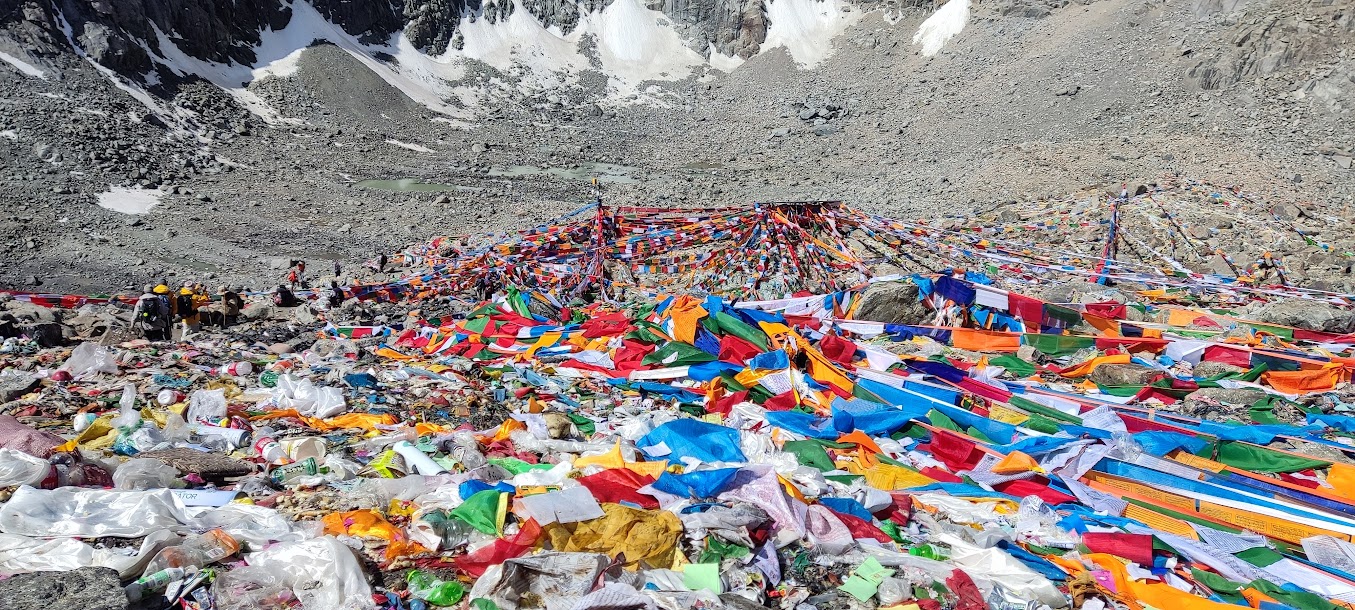
Today is the most challenging and spiritually significant day of the Kailash Kora. We begin early from Dirapuk (4,920 meters / 16,141 feet) and trek steadily upward to Dolma-La Pass, the highest point of the entire journey at 5,630 meters (18,471 feet). The ascent is steep and demanding, often covered in snow, but incredibly rewarding. At the top of Dolma-La, pilgrims offer prayers, hang prayer flags, and pay respects to Tara Devi. Shortly after the pass, we pass Gauri Kund, a sacred lake believed to be where Goddess Parvati bathed.
The descent from the pass is steep and rocky, requiring caution. We continue trekking through a beautiful valley alongside glacial rivers and serene landscapes before reaching Zutulpuk, situated at 4,790 meters (15,715 feet). Here, we find simple guesthouses near the cave where the saint Milarepa meditated. After a long, fulfilling day, we rest and reflect on the spiritual and physical achievement.
Zutulpuk – Zongdi – Darchen – Saga (Approx. 10 hours
Morning Trek (2 hours): Zutulpuk to Zongdi : Begin the day early with a gentle 2-hour walk from Zutulpuk Monastery along the river valley. The path is scenic and relatively flat, winding past rocky landscapes and prayer-flag-draped cliffs. You'll pass through lush stretches fed by glacial streams, eventually arriving at the endpoint of the Kailash Kora at Zongdi, where your vehicle will be waiting.
Short Drive (20 minutes): Zongdi to Darchen
From Zongdi, drive about 20 minutes back to Darchen, the base town for Mount Kailash. Upon arrival, enjoy lunch and take a short break. This marks the completion of the sacred circumambulation of Mount Kailash.
Long Drive (Approx. 8 hours): Darchen to Saga
After lunch, begin the long overland journey to Saga. The drive takes approximately 8 hours and covers a vast and varied Tibetan landscape. En route, you'll pass through:
Lake Manasarovar (view only if timing allows) – A final glimpse of the sacred lake.
Mayum La Pass (5,200 m) – A high-altitude mountain pass offering sweeping views.
Remote highland plains dotted with nomadic herder camps and grazing yaks. Occasional wildlife sightings, such as wild asses (kiang) or Tibetan antelope.
After this long but rewarding drive, you’ll arrive in Saga, a modern town by the Brahmaputra River, where you’ll rest for the night.
The drive from Saga (4,640 meters / 15,223 feet) to Kerung (2,900 meters / 9,514 feet) marks the final stretch of your return journey from Mount Kailash. This scenic drive takes approximately 6 to 7 hours, descending gradually from the high-altitude Tibetan plateau to the lush valley of Kerung, near the Nepal-Tibet border. As the altitude drops, the landscape transforms dramatically—from arid, windswept plains to forested hills and flowing rivers. The change in elevation offers a breath of fresh air and physical relief after days of trekking in thin mountain air. Kerung, also spelled Kyirong, is a small border town with basic accommodations and serves as the exit point for travelers heading back to Nepal. Upon arrival, we rest and prepare for immigration formalities the next day. The lower altitude at Kerung helps the body recover and readjust comfortably before crossing back into Nepal’s lush lowlands.
After completing the Kailash pilgrimage, the journey back to Nepal begins at Kerung. Early in the morning, we drive from Saga to the Nepal-China border at Kerung, passing through the breathtaking Tibetan highlands and picturesque landscapes. Upon reaching the border town, all exit formalities must be completed on the Chinese side, including passport and travel permit verification. Our Tibetan guide will assist with the paperwork and coordination at Chinese immigration. Once cleared, we cross the Resuo Bridge into Nepal and undergo immigration formalities on the Nepal side at the Timure border point. Our Nepali team will be waiting to assist and facilitate the process. After the formalities, we board our private vehicle and begin the scenic drive through Syabrubesi and Trishuli back to Kathmandu. The long but rewarding drive offers a final view of the hills and valleys of Nepal, marking the end of an unforgettable spiritual and cultural journey.
Useful Info
The Tibet Kailash Tour is a spiritual journey to Mount Kailash and Lake Manasarovar, considered sacred in Hinduism, Buddhism, Jainism, and Bon. The tour includes a rugged yet rewarding 3-day Kora (circumambulation) around Mount Kailash and a visit to Lake Manasarovar, one of the highest freshwater lakes in the world.
Visa & Permit Requirements
Chinese Group Visa: Issued in Kathmandu after your arrival. Your original passport is required for 3 full working days.
Tibet Travel Permit: Arranged by your travel agency. Cannot be applied for individually.
Aliens’ Travel Permit & Military Permit: Required for Kailash; processed by your tour operator.
Important: You must travel in a group with an authorized tour operator.
Transportation
Kathmandu to Syabrubesi: By bus (7–8 hrs).
Syabrubesi to Kerung Border: Short drive (2 hrs).
Kerung to the Kailash region: By Tibetan bus or jeep.
Total drive time in Tibet: Around 4–5 days to reach Darchen (base of Kailash).
Accommodation
Kathmandu: Tourist hotel with attached bathroom.
Syabrubesi: Simple guesthouse or lodge.
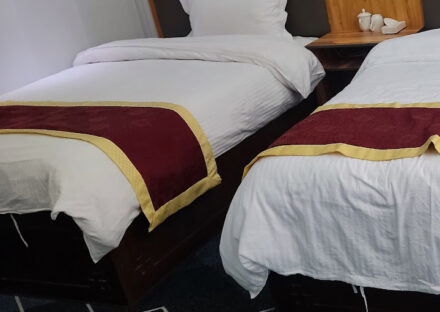
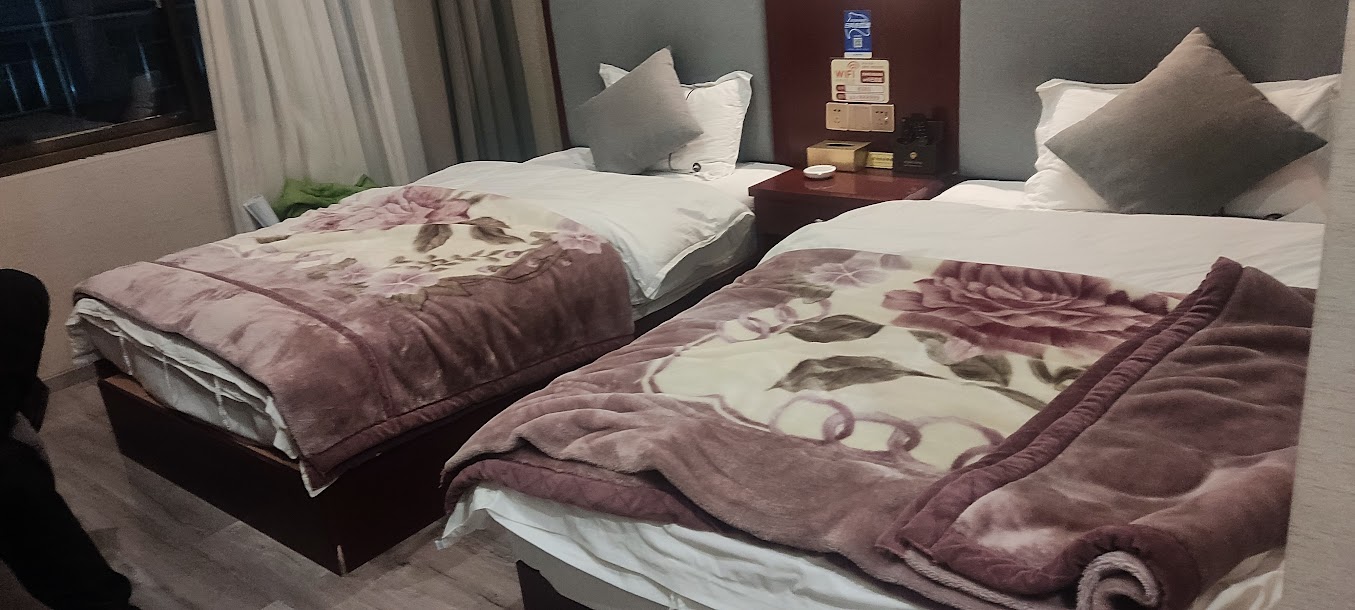
Kerung, Saga, Darchen: Basic hotels (hot showers may not always be available).
Manasarovar & Kora trail (Terapuk, Zutulpuk): Dormitory-style, very basic, shared toilets.
Meals
In Tibet: Breakfast, lunch, and dinner are usually provided by your Nepali crew (kitchen staff).
Food includes rice, lentils, vegetables, noodles, soup, tea, etc.
Vegetarian meals are available.
Bring snacks, energy bars, and instant drinks.
Kailash Kora Trek Info
Total Days: 3 Days
Day 1: Darchen to Dirapuk (6–7 hrs trek)
Day 2: Dirapuk to Zutulpuk via Dolma-La Pass (14 hrs; toughest day)
Day 3: Zutulpuk to Darchen (3 hrs walk)
Dolma-La Pass:
Height: 5,630 meters (18,471 ft)
Snow-covered and steep—prepare well
Trek Difficulty: Moderate to Difficult due to high altitude and rough terrain.
What to Bring
Warm clothing (layers, down jacket)
Sturdy trekking boots
Sleeping bag (-15°C rating)
Day backpack
Sunglasses, sunscreen, lip balm
Water bottle & purification tablets
Personal medical kit
Headlamp or flashlight
Wet wipes & toilet paper
Physical & Mental Preparation
Acclimatization: Spend a few days in Tibet to adapt to the altitude.
Practice short treks before the tour.
Stay hydrated and eat light.
Mental strength is essential for completing the Kora.
Communication
Limited mobile signal in the Kailash area.
Wi-Fi only in major towns like Saga or Darchen (slow & inconsistent).
Inform family in advance about limited contact.
Currency
Currency: Chinese Yuan (CNY)
Money exchange is available in Kathmandu before departure.
Carry cash, as ATMs are unavailable in remote areas.
Spiritual Etiquette
Do not climb Mt. Kailash—it is forbidden.
Walk clockwise during Kora (for Hindus & Buddhists).
Respect local customs and prayer flags.
No loud music or shouting in sacred areas.
Health & Safety
Be aware of Altitude Sickness (AMS):
Symptoms: Headache, dizziness, nausea
Prevention: Acclimatize, stay hydrated, take Diamox (with doctor’s advice)
Emergency evacuation (helicopter) is not always possible in Tibet. Travel insurance must cover high-altitude trekking and evacuation.
Best Time to Go
Late April to early October
Peak season: May, June, September
Avoid monsoon season (late July–August)
Download pdf brochure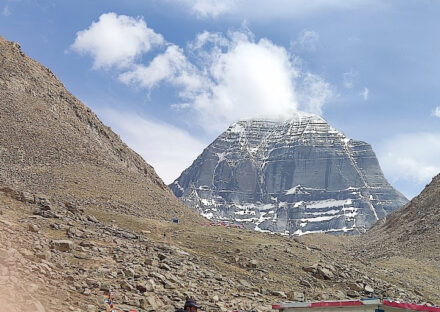

FAQs
-
What is Mount Kailash and why is it significant?
Mount Kailash is a sacred peak located in the Tibet Autonomous Region of China. It holds deep spiritual importance for Hindus, Buddhists, Jains, and Bon followers. It is considered the abode of Lord Shiva in Hinduism, and walking around it (a kora/parikrama) is believed to bring spiritual merit and liberation.
-
How long is the Kailash tour?
The typical Kailash tour from Nepal takes 13 to 15 days, depending on the itinerary. This includes travel days, acclimatization, and the 3-day Kailash kora.
-
What is the altitude of Mount Kailash and the Dolma-La Pass?
Mount Kailash: 6,638 meters (21,778 feet) Dolma-La Pass: 5,630 meters (18,471 feet) – the highest point during the kora
-
Is the Kailash tour difficult?
The tour is considered moderate to difficult, mainly due to high altitude and long walking days during the kora. Physical preparation, proper acclimatization, and mental readiness are essential.
-
What kind of accommodation is provided?
Kathmandu, Syabrubesi, Saga, Darchen, Kerung: Hotels/guesthouses with basic facilities. Manasarovar, Derapuk, Zutulpuk: Dormitory-style rooms, shared toilets, limited hot water
-
What type of food is available?
The company provides vegetarian meals (breakfast, lunch, dinner) prepared by experienced staff. Food is simple, hygienic, and suitable for altitude travel.
-
What permits are required?
Chinese Group Visa Tibet Travel Permit Alien Travel Permit Kailash Special Permit Your tour operator arranges all permits.
-
When is the best time to do the Kailash tour?
The best months are May to September when the weather is clear and passes are accessible.
-
What is the transportation arrangement?
From Kathmandu to the Tibet border: By deluxe bus or jeep In Tibet: Tourist bus or 4WD vehicles, depending on group size and road conditions
-
Do I need travel insurance?
Yes. Travel insurance that covers high-altitude trekking and emergency evacuation is mandatory.
-
Can I do the Kailash kora if I’m not religious?
Yes. While the journey is deeply spiritual, non-religious travelers are welcome to appreciate the natural beauty and cultural experience.
-
Is there mobile network or internet?
Mobile signal is available in some towns (Saga, Darchen), but no internet or signal during the kora. Satellite phones may be used in emergencies.
-
Are oxygen cylinders available during the tour?
Yes. Your operator usually carries emergency oxygen cylinders and a basic first aid kit.