

Trip overview
Overview: Everest Three Passes 16-Day Trek
Introduction
The Three Passes Trek is one of the most celebrated journeys in the Himalayas and the most popular trekking route in Nepal. This grand adventure combines cultural immersion, high mountain landscapes, and diverse ecological experiences. It is more than a trek across rugged terrain; it is a passage into the heart of the Everest region, where nature and tradition meet in harmony. Trekkers seeking to challenge themselves while experiencing some of the world’s most majestic scenery will find this expedition ideal. It attracts both seasoned explorers and passionate beginners alike.
About the Three Passes Trek
The Everest Three Passes Trek is a full circuit linking the iconic valleys of the Khumbu region. Trekkers cross three high-altitude passes: Kongma La (5,535 m), Cho La (5,420 m), and Renjo La (5,360 m). Unlike shorter hikes, this trek offers a complete panoramic view of the Everest region. Along the way, you can see Everest, Lhotse, Nuptse, Makalu, Cho Oyu, and Ama Dablam. It is considered one of the most popular trekking trails in Nepal, blending adventure with rich cultural and natural experiences. Every climb to a high pass rewards trekkers with breathtaking views, making it one of Nepal’s most memorable trekking journeys.
Location
Situated in the Solukhumbu district, the trek weaves through the Sagarmatha National Park, a UNESCO World Heritage Site. This region lies in the northeastern Himalayas, embraced by towering peaks and ancient Sherpa villages. As part of the most sought-after trekking destination in Nepal, the location offers a unique mix of rugged mountain passes, glacial lakes, and spiritual monasteries. Its position at the gateway to Mount Everest ensures that the route captures the essence of the Himalayas while maintaining a distinct identity as an expedition that goes beyond the classic Everest Base Camp journey.
How to Go
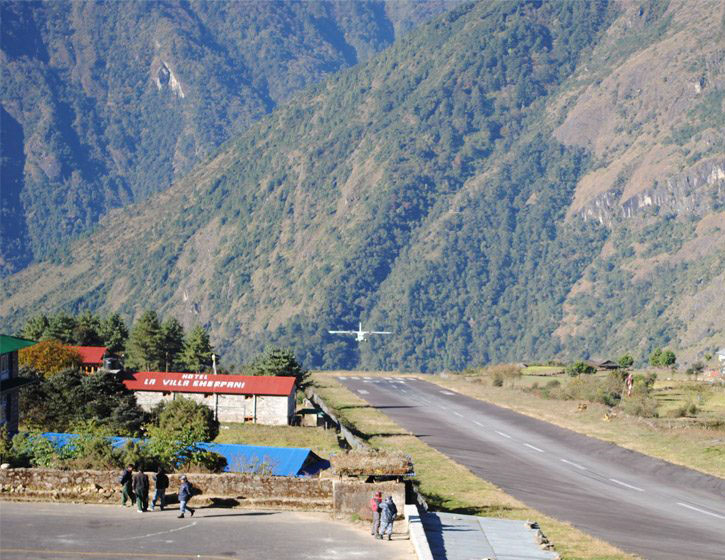
Reaching the starting point of the Three Passes Trek usually begins with a flight from Kathmandu to Lukla, a town perched dramatically at 2,860 meters. From Lukla, trekkers embark on a gradual ascent, moving through Phakding and Namche Bazaar before branching toward the high passes. This approach has become standard for adventurers taking part in the most admired trekking circuit in Nepal. For trekkers wishing to avoid the Lukla flight, alternative routes through Jiri or Salleri are available, though they add extra days of walking to the journey. Whichever way one chooses, the journey toward the passes embodies the thrill and unpredictability of Himalayan exploration.
People of the Region
The inhabitants of the Khumbu are primarily Sherpas, a people known worldwide for their mountaineering expertise, resilience, and hospitality. Their culture is deeply influenced by Tibetan traditions, reflected in their language, festivals, and monasteries. As custodians of the trails, the Sherpas enrich the experience of walking along the most iconic trekking journey in Nepal. Their warmth, spirituality, and knowledge of the mountains provide an irreplaceable human element to the trek. Visitors not only witness extraordinary landscapes but also form bonds with communities that have thrived in high altitudes for centuries.
Types of Accommodation
Accommodation on the trek ranges from modest teahouses to more comfortable lodges in larger villages like Namche Bazaar, Dingboche, and Gokyo. The facilities are simple yet welcoming, offering basic rooms with twin beds, warm meals, and communal dining spaces. In some areas, trekkers may also encounter homestays that provide a more intimate experience of Sherpa life. Staying in these establishments becomes an essential part of exploring the most traveled trekking trail in Nepal, as each overnight stop contributes to acclimatization while revealing the hospitality traditions of the Himalayas.
Religious Significance
Religion permeates the Khumbu, with Tibetan Buddhism forming the cornerstone of spiritual life. Monasteries such as Tengboche, Pangboche, and Thame are adorned with colorful prayer flags, spinning wheels, and intricate murals. Trekkers walking along the most spiritual trekking path in Nepal often hear the soft chanting of monks or encounter mani stones carved with sacred mantras. This sacred atmosphere reminds visitors that the mountains are not only natural wonders but also divine spaces where the physical and spiritual coexist. Every stupa and prayer flag encountered on the journey reinforces the sense of reverence that defines the region.
Lifestyle of the People
Life in the Khumbu revolves around subsistence farming, animal husbandry, and tourism. Sherpa households cultivate potatoes, barley, and vegetables in the short growing season, while yaks provide milk, meat, and transportation. Despite the challenges of high-altitude living, the people maintain a cheerful outlook, rooted in community cooperation and Buddhist philosophy. For trekkers exploring the most fascinating trekking route in Nepal, experiencing the Sherpa way of life offers valuable lessons in resilience, simplicity, and respect for nature. Their lifestyle demonstrates how harmony with harsh landscapes is not only possible but also sustainable across generations.
Flora and Fauna
The Three Passes Trek journeys through diverse ecological zones, beginning with lush forests at lower altitudes and rising to the stark beauty of alpine deserts. Along the way, trekkers walk through rhododendron, birch, and pine forests before reaching higher trails lined with juniper shrubs and alpine grasses. Sagarmatha National Park is home to remarkable wildlife, including Himalayan thar, musk deer, snow leopards, and vibrant birdlife such as the Himalayan monal. This rich biodiversity makes the trek one of Nepal’s most nature-filled adventures, where every step reveals a changing natural canvas shaped by altitude and climate.
Vegetation
The vegetation of the Khumbu reflects the dramatic shifts in elevation. Lower areas are dominated by temperate forests with oak, magnolia, and rhododendron, which bloom vibrantly in spring. Mid-altitude zones feature coniferous trees such as fir and juniper. Higher passes, however, are marked by sparse alpine plants and lichens that cling to rocky slopes. This layered vegetation offers a living study of Himalayan ecosystems. The trek gives more than mountain views—it reveals lessons in ecological adaptation and resilience.
Atmosphere of the Trek
The atmosphere of the Three Passes Trek is a blend of adventure, tranquility, and reverence. In bustling villages like Namche Bazaar, the air buzzes with energy as traders, trekkers, and locals mingle. Higher up, silence dominates, broken only by the crunch of boots on snow or the flutter of prayer flags in the wind. The thin air at the passes brings both challenge and exhilaration, making the experience intensely memorable. This mixture of serenity and struggle cements its place as the most atmospheric trekking journey in Nepal, where every moment is charged with emotion and discovery.
Most Popular Trekking Region in Nepal
Nepal is home to some of the most popular trekking routes in the Himalayas, each offering unique beauty and culture. The Everest region attracts adventurers with Everest Base Camp and the Three Passes Trek. The Annapurna region is famed for the Annapurna Circuit, Annapurna Base Camp, and Mardi Himal. Langtang Valley provides a closer escape near Kathmandu, while the Manaslu Circuit offers remote charm. Upper Mustang reveals ancient Tibetan culture, and Kanchenjunga presents untouched wilderness. Makalu Base Camp and Dolpo treks showcase raw landscapes. Together, these journeys make Nepal the ultimate destination for world-class trekking.
Choosing the right company is essential for a safe and fulfilling trekking experience. The Himalayan Realms Treks and Expedition Nepal Pvt. Ltd. specializes in organizing journeys such as the Three Passes Trek, blending professionalism with personal care. With decades of collective experience in guiding adventurers, the company ensures trekkers are well-prepared, supported, and inspired. By offering customized itineraries, knowledgeable guides, and responsible tourism practices, The Himalayan Realms Treks positions itself as a trusted partner for those seeking to explore the most rewarding trekking adventures in Nepal.
Company and The Himalayan Realms Treks
Choosing the right company is essential for a safe and fulfilling trekking experience. The Himalayan Realms Treks and Expedition Nepal Pvt. Ltd. creates unforgettable journeys across the Himalayas, including the iconic Three Passes Trek. Our team has decades of combined experience and blends professionalism with personal care. Every traveler feels supported and inspired. We design customized itineraries based on individual interests and fitness levels. Expert guides lead each trek, sharing deep cultural knowledge and environmental awareness. We are committed to responsible tourism, respecting local communities, protecting fragile ecosystems, and promoting sustainable travel. Whether you seek challenge, discovery, or spiritual connection, we guide you through Nepal’s most rewarding treks. Every journey is safe, enriching, and truly meaningful.
Conclusion
The Three Passes Trek is more than a walk across high mountains. It is an immersive journey into culture, spirituality, and ecology. Sherpa hospitality, glacial vistas, sacred monasteries, and rare wildlife make the trek unforgettable. This route embodies everything that makes the Himalayas extraordinary.
As Nepal’s most popular trekking trail, it balances challenge and wonder. Perseverance is rewarded with experiences that stay for a lifetime. With expert guidance from The Himalayan Realms Treks, the adventure goes beyond a holiday. It becomes a story of resilience, connection, and awe.
For those who dream of conquering heights while embracing culture, the Three Passes Trek is unmatched. It offers a chance to step into the heart of the world’s greatest mountain.
Itinerary
Your adventure begins with arrival in Kathmandu, the vibrant capital of Nepal. As you step into Tribhuvan International Airport, the city greets you with its mix of ancient culture and modern bustle. After meeting your guide, you’ll transfer to your hotel, where you can relax after your journey. The evening offers time to stroll around Thamel, a lively hub of trekkers and adventurers, with shops selling gear, handicrafts, and souvenirs. A welcome briefing with your freelance trekking guide follows, where you’ll discuss the route, altitude acclimatization, and essential preparations for the trek. You may also explore nearby cultural highlights such as Kathmandu Durbar Square, a UNESCO World Heritage site, or simply rest for the next day’s adventure. A traditional Nepali dinner with live folk music sets the tone, introducing you to the warmth of Nepali hospitality before heading into the high Himalayas.
Early morning, you’ll board a scenic mountain flight to Lukla, often described as the gateway to Everest. The short journey offers spectacular aerial views of Himalayan peaks, preparing you for the trek ahead. Landing at Lukla, you meet your local porter team and begin the trek with a gradual descent through stone-paved trails and pine forests. Along the way, fluttering prayer flags and mani walls (stones carved with Buddhist mantras) welcome you to the Khumbu region. The air is fresh, and the lively energy of trekkers, yaks, and locals creates a unique atmosphere. After a few hours of walking, you’ll reach Phakding, a small riverside settlement along the Dudh Koshi River. The village is peaceful, with cozy teahouses, fields of potatoes, and views of snow-dusted peaks in the distance. Tonight, you’ll stay at a local lodge, experiencing your first taste of trekking hospitality in the Everest region.
Today’s trail follows the Dudh Koshi River through pine forests and suspension bridges adorned with prayer flags. You’ll pass through villages such as Monjo, the entry point of Sagarmatha National Park. After showing permits, the trek continues through beautiful valleys filled with rhododendrons and magnolia trees. The highlight of the day is crossing the famous Hillary Suspension Bridge, one of the longest and most thrilling in the region. From here, the trail climbs steeply through winding forested paths until Namche Bazaar comes into view. Known as the Sherpa capital, Namche is a vibrant hub with shops, bakeries, trekking gear outlets, and cultural landmarks. The horseshoe-shaped town is surrounded by towering mountains, with the first glimpses of Everest visible on clear days. In the evening, you can wander through Namche’s lively streets, enjoy local markets, and soak in the buzzing atmosphere at 3,440 meters.
Acclimatization is essential at higher elevations, and Namche Bazaar offers plenty of opportunities to rest while exploring. After breakfast, you’ll hike up to the Everest View Hotel, where panoramic sights of Everest, Lhotse, Ama Dablam, and Thamserku stretch across the horizon. This short excursion helps adjust your body to the altitude while rewarding you with breathtaking scenery. You may also visit the Sherpa Culture Museum and learn about the mountaineering history of the region, including the legendary Tenzing Norgay Sherpa. Namche also hosts Saturday markets where traders from nearby villages gather, adding color and life to the town. The day is a balance of relaxation and gentle activity—strolling through alleys, sipping coffee at bakeries, or chatting with locals. By nightfall, you’ll feel refreshed and better adapted for the higher challenges ahead. Acclimatization in Namche ensures a safer, more enjoyable trek through the Three Passes.
The trek to Thame follows a quieter trail compared to the bustling main Everest route. Leaving Namche, you walk through pine forests and small Sherpa settlements, with fewer trekkers sharing the path. The trail runs parallel to the Bhote Koshi River, offering peaceful scenery and views of snow-dusted ridges. Along the way, mani walls and chortens remind you of the region’s deep Buddhist faith. Thame itself is a traditional Sherpa village, famous as the home of many mountaineers, including Tenzing Norgay. The highlight is the Thame Monastery, perched on a hillside above the village, where monks still practice centuries-old rituals. In the evening, you can explore the village’s stone houses, interact with locals, or simply soak in the tranquility. The area feels remote, untouched by mass tourism, offering a glimpse of authentic Sherpa life in the Himalayas. Night spent in a local teahouse.
From Thame, the trail gradually climbs into higher terrain, following ancient trade routes once used by Tibetan merchants. The landscape grows rugged, with fewer trees and more open pastures where yaks graze. The air becomes thinner, reminding you of the altitude. Prayer flags flutter above cliffs, while icy streams cross the trail. You pass small settlements with stone-walled fields, where locals cultivate hardy crops despite the harsh climate. The walk is steady but rewarding, with snow-capped peaks rising dramatically in the background. By afternoon, you’ll reach Lungden, a remote village used mainly as a stopover for trekkers crossing Renjo La Pass. The settlement is simple, with basic teahouses and a tranquil setting. Rest here with warm meals and stories shared by fellow trekkers. The night is chilly but filled with anticipation for the next day’s adventure deeper into the high Himalayas.
High altitude requires careful adjustment, and Lungden is the perfect place for a rest day. Instead of complete inactivity, you’ll take a short acclimatization hike to higher ground, allowing your body to adapt while enjoying panoramic views of surrounding peaks. From elevated ridges, you can see the Bhote Koshi valley stretching into Tibet and snowfields glistening under the sun. The slower pace also gives time to observe daily life in this remote settlement, where locals rely on herding and trade for survival. Rest days are essential to avoid altitude sickness, and Lungden provides the ideal atmosphere—quiet, scenic, and serene. You can spend the afternoon reading, chatting with fellow trekkers, or sipping tea while prayer flags ripple in the mountain breeze. By evening, you’ll feel refreshed and better prepared for the challenges of Renjo La Pass and the trek toward Gokyo.
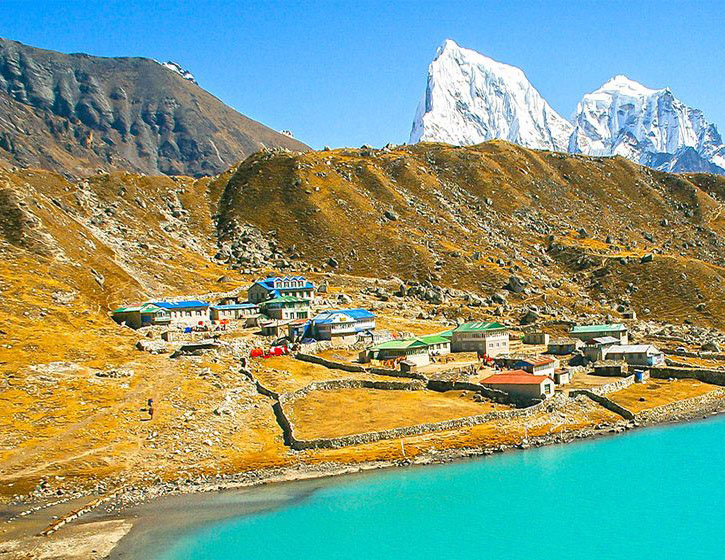
Today is one of the most rewarding days of the trek. Starting early, you ascend steadily towards Renjo La Pass, a high and challenging crossing. The trail is steep and rocky, with thin air making progress slow but steady. As you approach the pass, the view opens dramatically to reveal Everest, Lhotse, Makalu, and Cho Oyu—four of the world’s tallest peaks—in a single panorama. Prayer flags mark the pass, a triumphant spot for photos and quiet reflection. The descent is equally stunning, leading you past glacial lakes and into the wide Gokyo Valley. By afternoon, you arrive at the lakeside settlement of Gokyo, set beside the turquoise waters of Gokyo Lake. The village, surrounded by towering peaks, feels magical at sunset when the lake mirrors the colors of the sky. Staying overnight in Gokyo offers both comfort and unforgettable scenery.
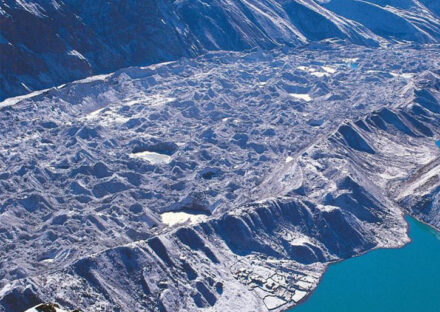
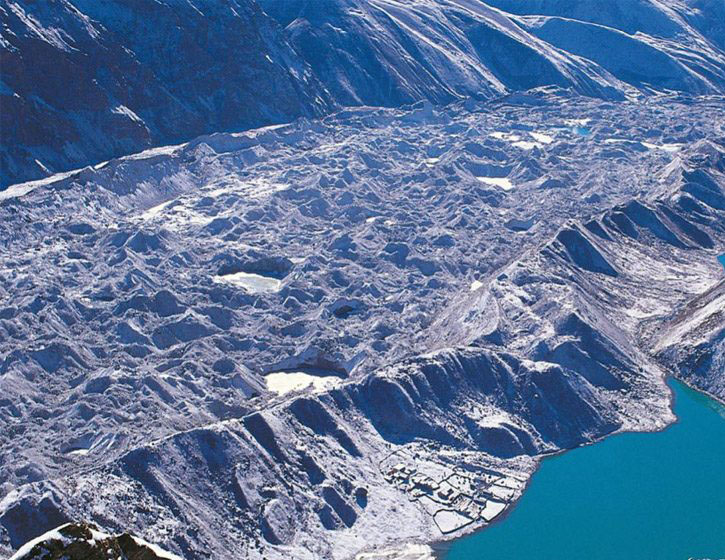
This morning, you may climb Gokyo Ri (5,360m) for a sunrise view, one of the best vantage points in the Everest region. The panorama includes Everest, Makalu, Cho Oyu, and the Ngozumpa Glacier, the largest in Nepal. After descending, you trek eastward, following trails along the glacial moraine. The landscape here is raw and dramatic, with ice formations and rock walls rising sharply on both sides. The walk to Thangna is relatively short but requires careful footing over rocky terrain. Thangna, also called Dragnag, is a small settlement at the base of Cho La Pass. It serves as a staging point for the next day’s challenging crossing. The atmosphere is both exciting and cautious, as trekkers prepare for an early start and a strenuous climb. In the evening, you’ll rest in a teahouse, conserving energy for the demanding journey ahead.
An early start is crucial for crossing Cho La Pass, as weather conditions can change rapidly. The trail ascends steeply over rocky boulders and icy patches. At higher elevations, the climb becomes more strenuous, and crampons may be useful if snow lingers on the pass. Reaching the top of Cho La feels triumphant, with panoramic views of Ama Dablam, Cholatse, and the glacier stretching below. The descent is equally demanding, involving a trek across glacial ice and loose rocks. After several hours, the path levels out and leads to Dzongla, a small, quiet settlement with only a handful of lodges. The setting is extraordinary, with Cholatse’s sharp ridges dominating the skyline. After a long and strenuous day, you’ll enjoy a well-deserved rest in Dzongla. The experience of crossing Cho La adds both challenge and thrill to your trek.
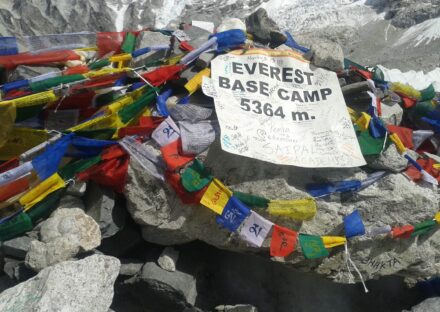
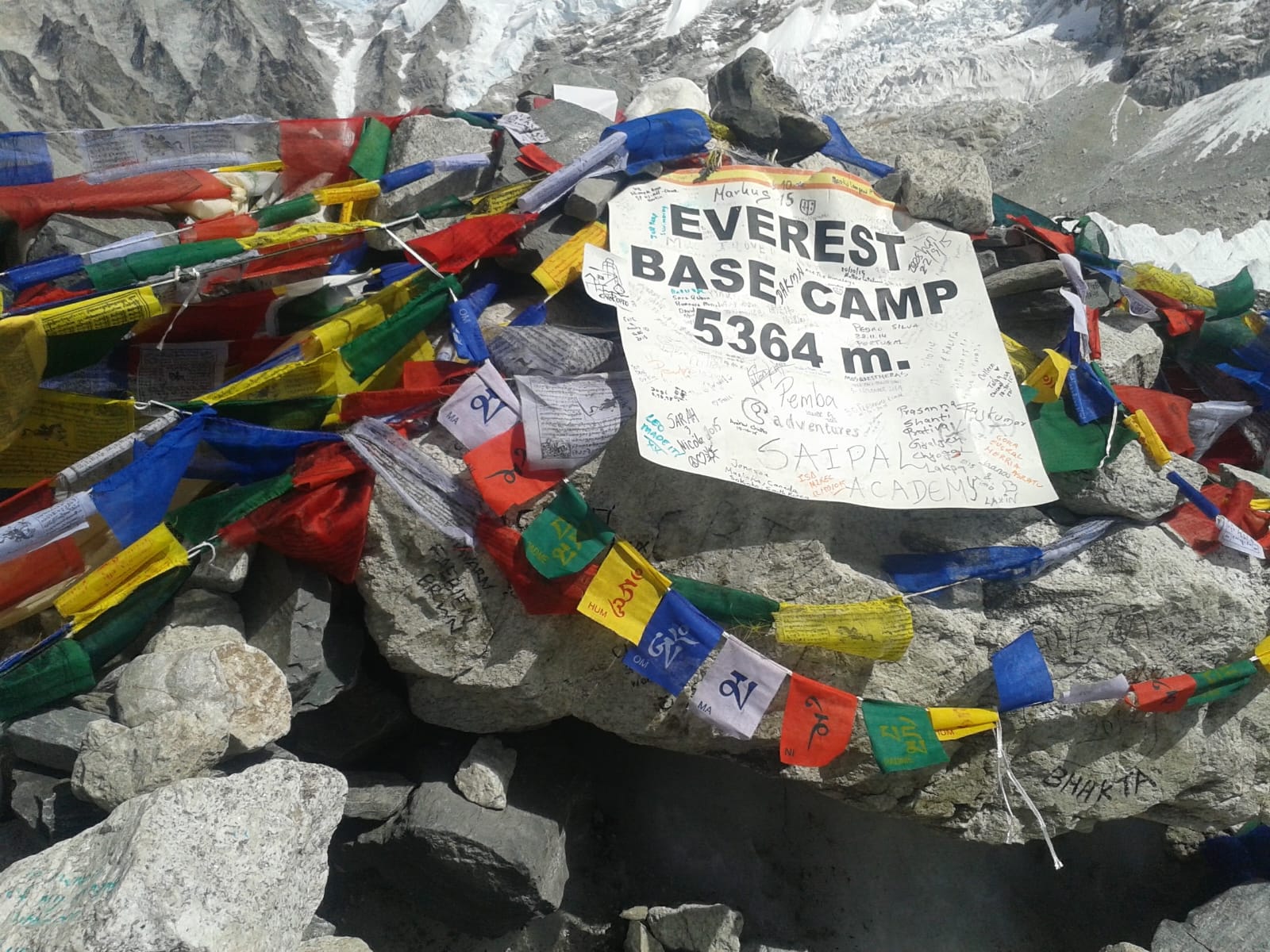
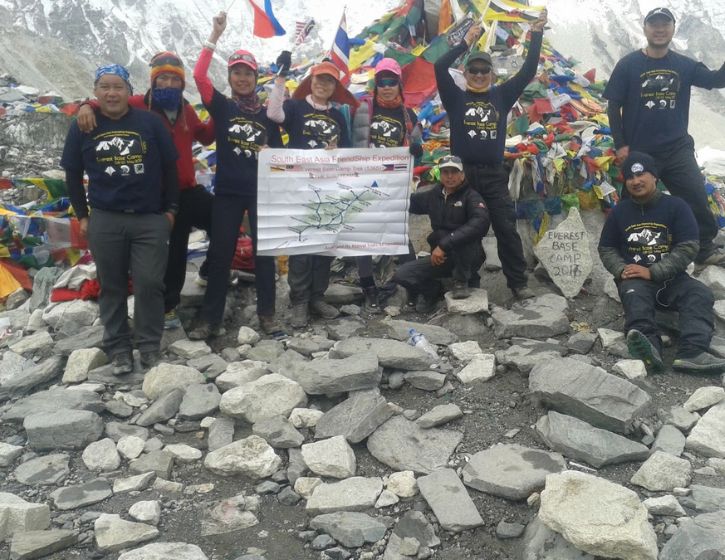
From Dzongla, the trail gradually descends before joining the main Everest Base Camp route near Lobuche. The landscape becomes stark, dominated by glacial moraine and barren terrain. Peaks like Pumori and Nuptse rise dramatically, reminding you of the Himalayan scale. After a short stop in Lobuche for rest and refreshments, you continue towards Gorakshep, the last settlement before Everest Base Camp. The trail is rugged and demanding, but anticipation pushes you forward. Arriving in Gorakshep, you’ll settle into a teahouse and prepare for the side trek to Everest Base Camp, if time permits. Standing at Base Camp, surrounded by the Khumbu Icefall and towering peaks, is a dream come true for many trekkers. Even without Everest’s summit in sight, the energy of climbers and the sheer magnitude of the landscape make this a once-in-a-lifetime moment. Overnight in Gorakshep.
Before dawn, many trekkers climb Kala Patthar (5,545m), a renowned viewpoint for sunrise over Everest. The climb is steep and physically demanding, but the reward is unmatched. As the sun rises, Everest, Lhotse, Nuptse, and Ama Dablam glow in golden light. This is often the highlight of the trek, providing some of the most iconic photos of the journey. After descending to Gorakshep for breakfast, you retrace your steps back to Lobuche. The descent is quicker, though the trail remains rugged. In the afternoon, you can rest in Lobuche’s teahouses, reflecting on your achievement at Base Camp and Kala Patthar. The return also prepares you for the next high pass—Kongma La. By evening, you’re surrounded by trekkers sharing stories of the trail, while the cold Himalayan night settles over the mountains. Overnight in Lobuche.
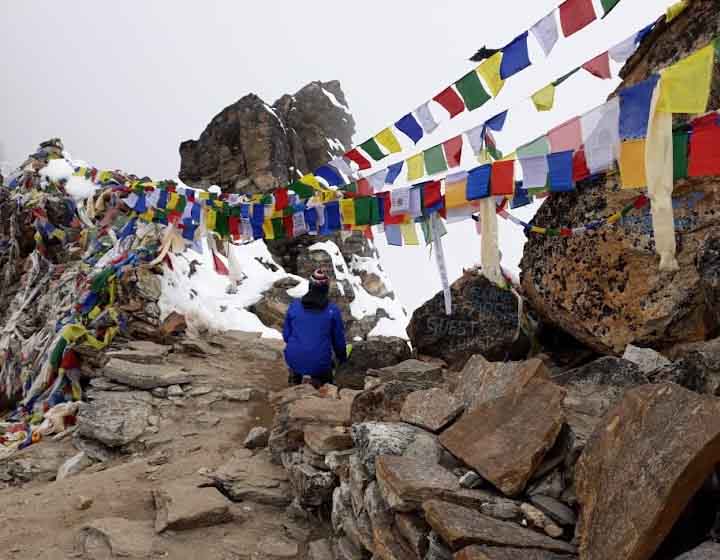
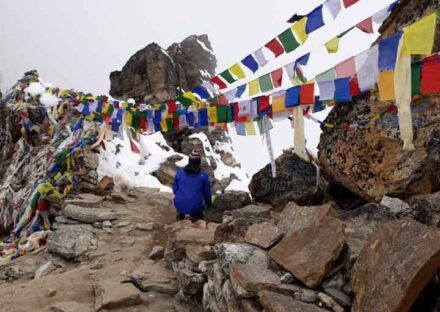
Today marks the final and highest of the three passes—Kongma La. Setting off early, the trail climbs over rocky terrain and glacial moraines, requiring steady effort. The ascent is demanding but thrilling, with views of Makalu, Lhotse, and Ama Dablam unfolding as you approach the top. At 5,535 meters, Kongma La is marked by cairns and prayer flags, a symbolic crossing that completes the Three Passes circuit. The descent is equally challenging, involving steep trails down towards the Imja Valley. By afternoon, you reach Chhukung, a small settlement often used as a base for Island Peak climbers. The village is surrounded by towering peaks and feels remote yet welcoming. After a long day, you can enjoy hearty meals and rest deeply, satisfied with completing the last of the three high passes. Overnight in Chhukung.
The trail descends steadily through Dingboche, a picturesque village known for its stone fields and alpine meadows. As you drop in altitude, the air feels thicker, and your steps grow lighter. Descending further, you retrace the route through Pangboche and Tengboche, where the monastery once again offers peaceful reflection. From Tengboche, the trail winds downhill and uphill before finally reaching Namche Bazaar. Returning to Namche feels almost celebratory after days in remote high-altitude terrain. The vibrant energy of the town, with its shops, cafes, and warm lodges, contrasts sharply with the isolated mountain villages. In the evening, you can celebrate the successful completion of all three passes with fellow trekkers and guides. Namche’s lively atmosphere, combined with stunning views, makes this a perfect place to rest before heading back toward Lukla. Overnight stay in Namche.
Leaving Namche, the trail descends steeply through pine and rhododendron forests. You’ll cross suspension bridges once again, passing villages like Monjo and Jorsalle. The descent is easier on the lungs but requires careful footing on downhill sections. As you walk along the Dudh Koshi River, the landscape feels gentler, with fields and scattered houses replacing barren alpine scenery. The warmer air and greenery signal a return to lower altitudes. By afternoon, you reach Phakding, where you first stayed at the start of the trek. Returning here feels nostalgic, as memories of the first days resurface after weeks in the high Himalayas. With more oxygen and lower elevation, you’ll enjoy a comfortable sleep, reflecting on the challenges overcome and the spectacular sights seen along the way. The evening is spent relaxing in cozy lodges, preparing for the final walk back to Lukla.
The final trekking day follows the familiar trail back to Lukla. The walk is relatively short and relaxed, passing through forests, villages, and riverside paths. With the toughest climbs behind you, the mood is celebratory, as trekkers often walk together in groups, sharing stories and laughter. Arriving in Lukla by afternoon, you’ll check into a lodge and enjoy a well-deserved rest. In the evening, there’s often a small farewell celebration with guides and porters, complete with traditional food and drinks. It’s a time to thank the team who made the trek possible and to appreciate the journey completed. Tomorrow’s flight will take you back to Kathmandu, but tonight you savor the last moments in the mountains. The atmosphere in Lukla is always lively, with trekkers finishing or starting their adventures, united by a love for the Himalayas. Overnight stay in Lukla.
Your trekking journey concludes with an early morning flight from Lukla to Kathmandu. The short but thrilling 30-minute flight retraces the path you trekked, offering final glimpses of the Himalayas bathed in morning light. As the plane soars over valleys, rivers, and terraced hills, you’ll feel both nostalgia and accomplishment. Upon arrival in Kathmandu, you’ll transfer to your hotel, where hot showers, comfortable beds, and city comforts await after days in the mountains. The rest of the day is yours to explore at leisure. You may visit nearby heritage sites such as Swayambhunath (Monkey Temple) or Pashupatinath Temple, shop for souvenirs in Thamel, or simply relax with a coffee and reflect on your adventure. In the evening, a farewell dinner with your guide celebrates the successful completion of the Three Passes Trek, honoring both the journey and the friendships forged along the way.
Your final day in Nepal begins with a leisurely breakfast at the hotel. Depending on your flight schedule, you may have some free time to wander through the streets of Kathmandu, capturing last-minute photos or buying handicrafts as keepsakes of your Himalayan adventure. When the time comes, your guide will escort you to Tribhuvan International Airport for your onward journey. As you drive through the bustling streets, the sounds of motorbikes, prayer chants, and temple bells echo the vibrant spirit of Nepal. At the airport, heartfelt farewells mark the end of your trip, yet the memories of the Three Passes—crossing Renjo La, Cho La, and Kongma La—remain with you forever. The Himalayas leave a lasting impression, one that calls many travelers to return. With gratitude and achievement, you board your flight, carrying home unforgettable experiences from the heart of Nepal.
Included
- All airport, hotel airport transfers.
- 2-night hotel in Kathmandu.
- National Park permit & Pasang Lhambu village entry permit.
- Flight fare from Kathmandu-Lukla-Kathmandu.
- Accommodation in the tea house,
- Food, Tea/coffee during trek.
- Guide: – including salary, insurance, equipment, flight, food and lodging.
- Porter: – including salary, insurance, equipment, food and lodging.
- For guest: -Down jacket, Good sleeping bag (down jacket and sleeping bag are to be returned after trip completion).
- Transfer from airport to hotel in Kathmandu
- All government and local taxes.
- Final departure from hotel to international airport transfer.
Not Included
- Food in Kathmandu ( Lunch & Dinner).
- Extra night accommodation in Kathmandu.
- Travel and rescue insurance if guest get mountain sickness and need to rescue helicopter.
- Personal expenses example (phone calls, laundry service , bar bills, battery recharge, WIFI charge, extra porters, bottle water or boiled water, shower etc.)
- Tips for guide and porters
- Sightseeing sport fees. tours guide cost and vechicle cost
Join Us Upcoming Trips
Book this trip with us. Here are the upcoming dates. Feel free to share this trip with your friends and family. For custom trips or general inquiries contact us.
| Departure Date | Trip Duration | Price | Status | |
|---|---|---|---|---|
| 05 March, 2026 | 16 days | USD $2600 | Fixed departure | |
| 15 March, 2026 | 16 days | USD $2600 | Fixed departure | |
| 29 March, 2026 | 16 days | USD $2600 | Fixed departure | |
| 02 April, 2026 | 16 days | USD $2600 | Fixed departure | |
| 15 April, 2026 | 16 days | USD $2600 | Fixed departure | |
| 30 April, 2026 | 16 days | USD $2600 | Fixed departure | |
| 06 May, 2026 | 16 days | USD $2600 | Fixed departure | |
| 13 May, 2026 | 16 days | USD $2600 | Fixed departure | |
| 29 May, 2026 | 16 days | USD $2600 | Fixed departure | |
| 07 September, 2026 | 16 days | USD $2600 | Fixed departure | |
| 18 September, 2026 | 16 days | USD $2600 | Fixed departure | |
| 28 September, 2026 | 16 days | USD $2600 | Fixed departure | |
| 05 October, 2026 | 16 days | USD $2600 | Fixed departure | |
| 21 October, 2026 | 16 days | USD $2600 | Fixed departure | |
| 03 November, 2026 | 16 days | USD $2600 | Fixed departure | |
| 15 November, 2026 | 16 days | USD $2600 | Fixed departure | |
| 30 November, 2026 | 16 days | USD $2600 | Fixed departure | |
| 07 December, 2026 | 16 days | USD $2600 | Fixed departure | |
| 23 December, 2026 | 16 days | USD $2600 | Fixed departure |
Useful Info
Kongma La Pass – 5,535 m (18,159 ft) → The highest and most challenging of the three passes.
Cho La Pass – 5,420 m (17,782 ft) → Famous for its icy trails and stunning views of Ama Dablam and Cholatse.
Renjo La Pass – 5,360 m (17,585 ft) → Offers one of the best panoramic views of Everest, Lhotse, Makalu, and Gokyo Lakes.
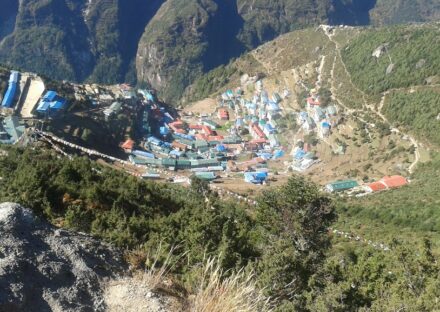
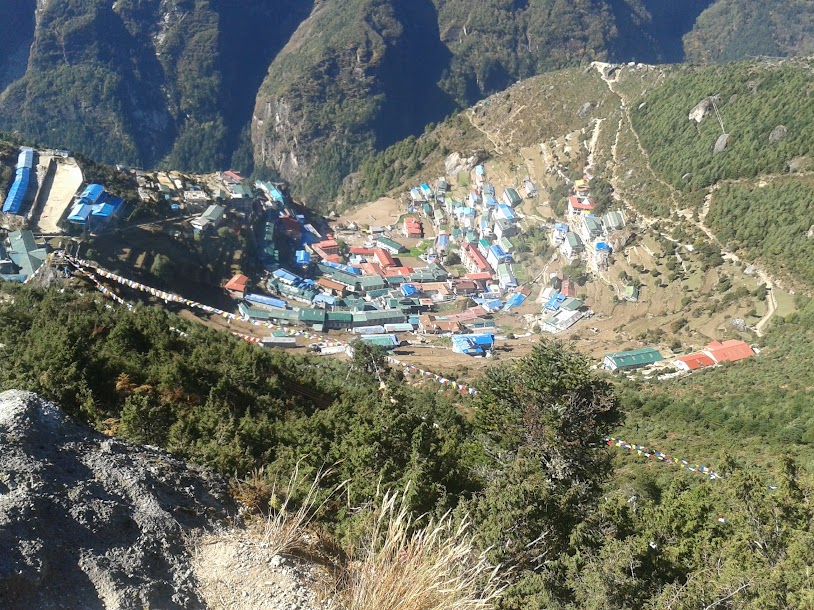
[caption id="attachment_1843" align="alignnone" width="725"]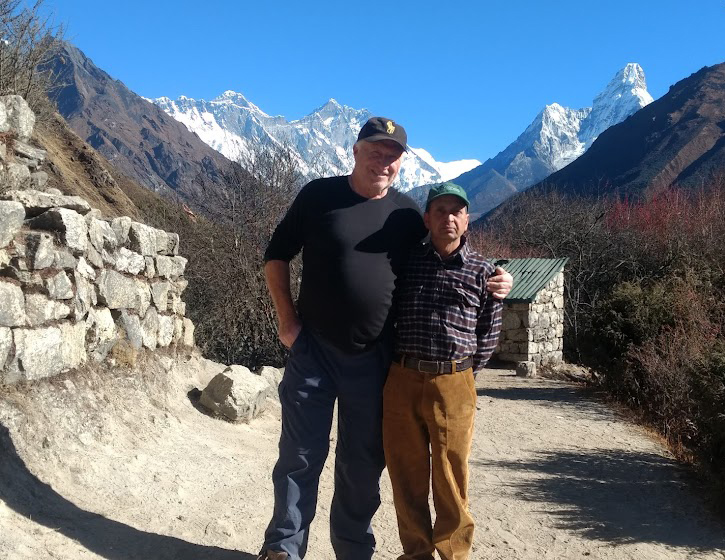 Up to Namche[/caption]
Phakding
Phakding, the first overnight stop for many trekkers heading towards Everest Base Camp, offers surprisingly good accommodation options for its altitude. Several lodges provide attached toilets and hot showers, which are a welcome comfort after a day’s walk from Lukla. Rooms are clean, and food choices are varied, with both local and Western dishes available. The Dudh Koshi River runs through the village, giving it a peaceful setting. Electricity and charging facilities are available in most hotels for a small fee. Overall, Phakding is a comfortable and pleasant stop that balances traditional charm with modern trekking comforts.
Namche Bazaar
Namche Bazaar, often called the “gateway to Everest,” is the main trading hub of the Khumbu region and has the best facilities outside of Lukla. Lodges here are modern, with attached bathrooms, hot showers, and even room bed heaters in some premium hotels. Trekkers often spend two nights here for acclimatization, making it a comfortable base to rest, shop, and explore. Wi-Fi, bakeries, coffee shops, and even trekking gear stores are available. The town has a lively atmosphere, blending Sherpa tradition with trekking culture. Namche Bazaar feels like a mountain town rather than just a stop, offering both comfort and adventure.
Debauch
Debuche is a small and peaceful settlement near Tengboche, surrounded by forests and mountain views. Accommodation here depends on the lodge, with Hotel Rivendell standing out as one of the better options. It offers clean rooms, attached toilets, and hot showers, which are rare luxuries at this altitude. The location is quieter compared to Tengboche, making it a good alternative for trekkers who prefer fewer crowds. Views of Ama Dablam and surrounding peaks are excellent. The atmosphere is serene, and the lodges provide hearty meals. While facilities are limited, Debuche offers comfort, warmth, and a peaceful environment for trekkers.
Dingboche
Dingboche is a popular acclimatization stop, situated in a wide valley with stunning views of Ama Dablam and Island Peak. Accommodation depends on the hotel chosen; some lodges provide decent facilities with warm dining areas, clean rooms, and limited hot showers. Attached toilets are rare, but comfort is manageable. Trekkers often spend two nights here to adjust to the altitude, making rest days essential. The village is windier and colder compared to lower regions, but the open landscapes give it a unique charm. Dingboche offers bakeries, small shops, and cozy lodges, making it one of the better high-altitude stops.
Pheriche
Pheriche is located close to Dingboche and is slightly less developed in terms of facilities. Only one or two good hotels are available, with basic but reliable lodging. Rooms are simple, and attached toilets or hot showers are uncommon. Despite limited comfort, the village has a peaceful setting and is home to the Himalayan Rescue Association clinic, where trekkers can learn about altitude sickness and receive medical help. Dining halls are warm and lively in the evenings, with trekkers sharing stories. Pheriche’s open valley offers spectacular views and feels more traditional, making it a unique but simple stop.
Lobuche
Lobuche is one of the final stops before reaching Everest Base Camp, and accommodation here is basic. Most lodges are normal tea houses with shared toilets and no hot showers. The facilities are very limited due to the high altitude and remoteness of the village. Rooms are small and often cold, so a good sleeping bag is essential. Food options are simpler, and prices increase as supplies are carried in by porters or yaks. Despite its simplicity, Lobuche offers breathtaking views of nearby peaks and glaciers. It is a tough but essential stop on the way to Gorakshep and Base Camp.
Gorakshep
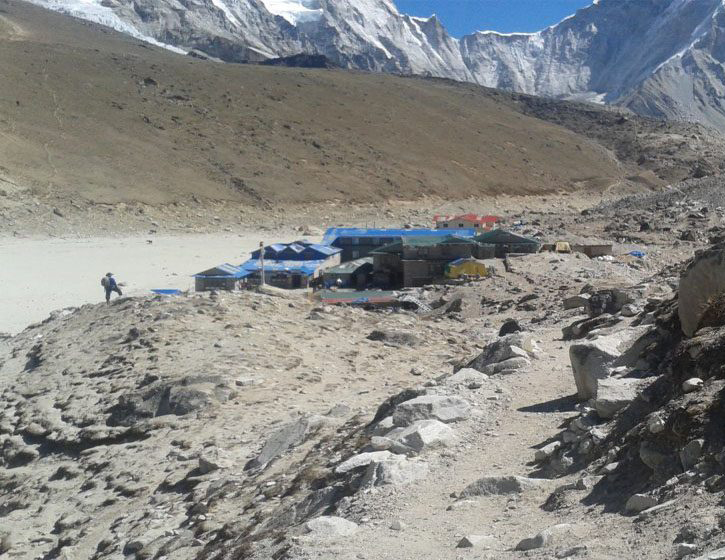
Gorakshep is the last overnight stop before Everest Base Camp and Kala Patthar. The settlement has very basic tea houses, with no attached toilets and no hot showers available. Rooms are small and unheated, and trekkers need to rely on their sleeping bags for warmth. The dining halls serve simple meals, and water must be treated or boiled. Despite limited comfort, Gorakshep is unforgettable due to its location, surrounded by glaciers and towering peaks. It is a challenging place to stay, but the thrill of being so close to Everest makes it worthwhile. This is true high-altitude adventure lodging.
Trekking Packing Items
Warm layered clothing (thermal, fleece, down jacket), Trekking boots (broken-in and waterproof), Sleeping bag (rated for -15°C or colder), Gloves, hats, and scarves Trekking poles, sunglasses, and sunscreen. Personal first aid kit, Water purification tablets or filters, Headlamp with extra batteries, Power bank
Altitude Sickness (AMS) and Medicines
Common medicines: Diamox (acetazolamide) for prevention and relief. For headaches: Paracetamol or ibuprofen. For nausea: Ondansetron or similar anti-nausea medicine. Stay hydrated, walk slowly, and take rest days for acclimatization.
What to Do If Guest is Sick
Never push higher if symptoms worsen. Rest at the same altitude or descend immediately if symptoms are severe. Give oxygen (if available). Use Diamox if not already started. If necessary, arrange helicopter evacuation from higher camps.
Gallery
FAQs
-
What is the Three Pass Trek?
The Three Pass Trek is a challenging high-altitude route in the Everest region. It crosses Renjo La (5,360 m), Cho La (5,420 m), and Kongma La (5,535 m), three of the highest trekking passes in Nepal. The trek includes views of Everest, Lhotse, Makalu, Cho Oyu, and Ama Dablam.
-
How long is the trek?
The standard itinerary is 16 days, but it can be made longer or shorter depending on acclimatization needs and hiking speed.
-
How difficult is the Three Pass Trek?
This trek is considered strenuous. It requires long walking days, steep climbs, and crossing glaciers (especially near Cho La). Prior trekking experience and good physical fitness are highly recommended.
-
How high does the trek go?
The highest point of the trek is Kongma La Pass at 5,535 meters. You will also stay in villages above 4,000 meters for several nights.
-
What permits are required?
You need: Sagarmatha National Park Entry Permit Khumbu Pasang Lhamu Rural Municipality Permit Your trekking agency can arrange these easily.
-
Is altitude sickness a risk?
Yes. Because all three passes are above 5,300 meters, altitude sickness is a real possibility. Proper acclimatization days, slow pacing, hydration, and listening to your guide’s advice are essential.
-
What type of accommodation is available?
You will stay in teahouses along the route. Rooms are simple, with sharing toilets. Dining halls are warm, and meals include dal bhat, noodles, soups, eggs, potatoes, pasta, and Tibetan bread.
-
Do I need special equipment?
Yes. Recommended items include: Warm sleeping bag Down jacket Thermal layers Trekking poles Crampons or microspikes (needed for Cho La Pass) Good boots Gloves, hat, sunglasses
-
What is the Renjo La Pass like?
Renjo La offers one of the best views of Everest, Lhotse, and Cho Oyu. The climb is steady, and the descent to Gokyo is steep but manageable.
-
What is the Cho La Pass like?
Cho La is the most technical of the three passes. It involves: Glacier walking Icy slopes Rockfall areas Crampons or microspikes are needed during most seasons.
-
What is the Kongma La Pass like?
Kongma La is the toughest due to its long distance and lack of lodges on both sides. The pass is windy and rocky, and the descent toward Chhukhung is steep.
-
Is travel insurance required?
Yes. Insurance must cover high-altitude trekking up to 6,000 meters and emergency helicopter evacuation.
-
What kind of meals are available?
Teahouses offer: Dal bhat Fried rice Noodles Pasta Soup items Eggs and potatoes Tea and coffee Food is simple but filling.
-
Where does the trek start and end?
Most itineraries start with a flight to Lukla and end either at Lukla or with a walk-out to Phaplu if weather affects flights.
-
Can the trek include Everest Base Camp?
Yes. Many trekkers combine: Everest Base Camp Kala Patthar Gokyo Ri This makes the trek even more rewarding.
-
What are the main highlights of the trek?
Crossing Renjo La, Cho La, Kongma La Gokyo Lakes Everest Base Camp Kala Patthar sunrise Glacier crossings Sherpa culture in Khumbu Panoramic views of the world’s highest peaks