

Overview: Lukla Blog—The Gateway to the Everest Region
Introduction
Nestled amidst the Himalayas, Lukla stands as a vital threshold to the majestic Everest region. Frequently hailed as the “gateway to Everest,” this highland hamlet is not merely a transit point but a vibrant confluence of nature, culture, and adventure. Lukla’s strategic location, cultural richness, and dramatic alpine scenery make it a compelling destination for globetrotters, alpinists, and cultural enthusiasts alike. Its unique blend of serenity and excitement provides a memorable beginning—or end—to many Himalayan expeditions.
About Lukla
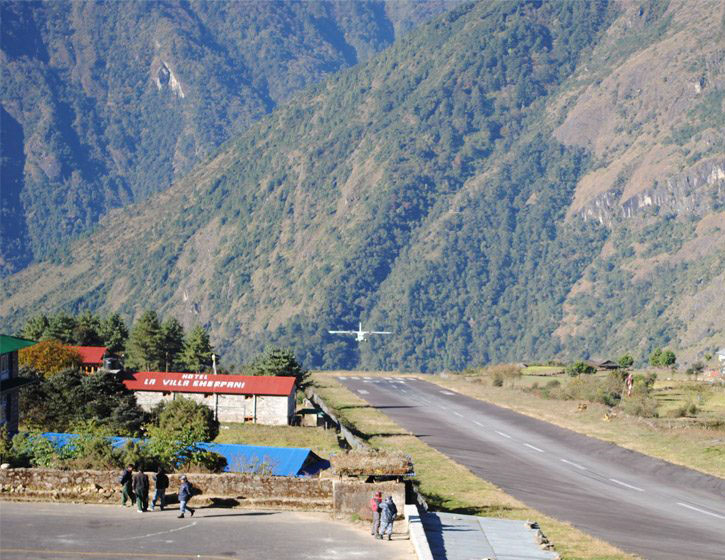
Lukla, meaning “place with many goats and sheep” in Tibetan, sits at an altitude of around 2,860 meters (9,383 feet). This bustling village is part of the Khumbu region in Solukhumbu District, a section of eastern Nepal that plays host to the world’s tallest mountain—Mount Everest. Lukla is more than just an airstrip and a departure point; it’s a lively settlement where the sound of prayer wheels mixes with the laughter of trekkers, the flapping of prayer flags, and the chirping of Himalayan birds.
The town thrives on tourism. As trekkers and climbers descend from Everest Base Camp or gear up to ascend, Lukla serves as a crucial hub for logistics, hospitality, and cultural exchange. Though small in size, its significance within Nepal’s adventure tourism landscape is immense.
Geographic Placement
Lukla is perched in the heart of the Sagarmatha National Park buffer zone. Surrounded by jagged cliffs, verdant hills, and snow-capped peaks, the settlement offers panoramic views that are both humbling and awe-inspiring. The Dudh Koshi River meanders through the valleys nearby, and the distant silhouettes of the Kongde Ri and Kusum Kanguru mountains add to the area’s visual splendor.
Lukla falls under Province No. 1 and can be pinpointed on the southern slope of the Himalayas, just 138 kilometers northeast of Kathmandu. Its geographical position makes it the principal jumping-off spot for treks to Everest, Gokyo Lakes, and the Three Passes route.
How to Reach Lukla
Accessing Lukla typically involves a scenic yet adrenaline-pumping flight from Kathmandu to Tenzing-Hillary Airport—renowned as one of the world’s most thrilling runways due to its short length and sloped surface. Flights are highly weather-dependent and are operated by small aircraft capable of navigating the narrow Himalayan airways.
In case of poor flying conditions or high-season congestion, alternative routes are available. Adventurers can opt for a combined jeep-and-walk route starting from Phaplu or Salleri, which leads to Lukla over several days of trekking through lower Solu villages and forested ridges. Though longer, this approach provides gradual acclimatization and deeper cultural immersion.
Inhabitants and Local Culture
The majority of Lukla’s population comprises Sherpas—an ethnic group famed for their mountaineering prowess, resilience, and Buddhist devotion. Alongside the Sherpas, you may also encounter Rais, Tamangs, and other hill communities contributing to Lukla’s rich ethnic tapestry. The locals are known for their hospitality, kindness, and spiritual depth.
Their language, clothing, and lifestyle reflect both Tibetan Buddhist influence and centuries of Himalayan tradition. While many of them now work in tourism as guides, porters, hoteliers, and traders, they still uphold age-old customs, festivals, and rituals that define their identity.
Accommodation Types
Over the decades, Lukla has seen remarkable development in its lodging industry. Today, it offers a spectrum of accommodations—from basic tea houses and budget lodges to deluxe mountain inns with hot showers, Wi-Fi, and hearty menus. Most of these establishments are family-run, ensuring a cozy atmosphere and personalized care.
Tea houses are the most common lodging choice, providing dormitory-style rooms or private quarters with shared toilets. For travelers seeking more comfort, boutique lodges equipped with electricity, attached bathrooms, and panoramic terraces offer a serene retreat after a day of trekking or flying.
Religious Practices
The spiritual fabric of Lukla is deeply rooted in Tibetan Buddhism. Monasteries, mani walls, stupas, and colorful prayer flags are found throughout the village. The locals frequently participate in religious ceremonies, especially during festivals like Lhosar (Tibetan New Year) and Dumje (a celebration honoring Guru Rinpoche).
The region’s primary spiritual centers include the Chaurikharka Monastery and smaller gompas around the village. Pilgrims and monks chant mantras, light butter lamps, and walk around sacred sites spinning prayer wheels, invoking blessings for safe passage and good fortune.
Daily Lifestyle
The rhythm of life in Lukla is shaped by the mountains, the weather, and the trekking season. Locals rise with the sun to manage their lodges, farms, shops, or guiding jobs. Children attend local schools supported by NGOs and tourism contributions, while elders spend time farming, weaving, or praying.
Though modern amenities like solar power, satellite communication, and imported goods have reached Lukla, traditional lifestyles remain prevalent. People cook on wood or gas stoves, eat dal bhat (rice and lentil soup), and maintain yak herds, vegetable gardens, or small businesses.
Flora and Fauna
Lukla lies within the ecological belt of the lower Himalayas, resulting in rich biodiversity. The forests around Lukla are home to rhododendrons, birch, pine, and juniper trees. During spring, the hills bloom with colorful flowers, including blue poppies and primulas.
Wildlife sightings, though rare within the village, include Himalayan monals (Nepal’s national bird), blood pheasants, and musk deer. With luck, trekkers might spot Himalayan thar or hear the distant calls of snow leopards echoing from higher altitudes. Sagarmatha National Park actively protects species diversity through regulations that preserve its wildlife and plant ecosystems.
Vegetation and Landscapes
The vegetation transitions dramatically as one moves through the Lukla region. Starting with temperate forests filled with oak and fir, the landscape gradually shifts into alpine shrubs and meadows higher up the trails. Lukla itself is surrounded by a mix of cultivated land, forest patches, and pastures used for grazing yaks and dzos.
This green environment plays an essential role in both the local economy and ecological balance. Farmers grow potatoes, barley, spinach, and cabbage using traditional farming methods. Terraced fields adorn the hillsides, testifying to human ingenuity amid rugged terrain.
Overall Atmosphere
Lukla’s ambiance can best be described as a dynamic fusion of stillness and motion. While helicopters buzz overhead and trekkers bustle through the alleys, a spiritual tranquility lingers in the air. The scent of juniper smoke, the sight of monks spinning prayer wheels, and the murmur of wind through pine trees create an atmosphere that is both grounding and elevating.
As dusk descends, the village takes on a calm glow. Lights flicker in teahouses, groups of travelers share stories over dinner, and stars emerge above towering ridgelines. The air is crisp, sometimes misty, and often scented with pine and incense—a reminder of the sacredness embedded in this highland realm.
The Everest Trekking Nexus
Lukla holds unparalleled importance in Nepal’s trekking scene. It serves as the main entry point for the Everest Base Camp trek, one of the most iconic hiking journeys on the planet. In addition, it also leads to alternative trails like the Gokyo Valley trek, the Everest Three Passes loop, and expeditions to Island Peak, Lobuche East, and Mera Peak.
For mountaineers and wanderers alike, Lukla offers the promise of elevation—both literal and metaphorical. It is here that one begins their journey not just to the world’s tallest summit but into the heart of Himalayan spirituality, culture, and endurance.
Organized Treks and Independent Guide Options
Whether you are trekking with a registered company or hiring a freelance Nepali guide, Lukla provides ample support. Numerous trekking agencies offer full-board packages including accommodation, meals, porters, permits, and transportation. These companies often employ local Sherpas, ensuring that tourism benefits the regional economy.
Alternatively, many experienced travelers opt to hire licensed independent guides from Nepal. These freelance experts are deeply familiar with the terrain, weather, culture, and safety protocols. They provide personalized itineraries and cultural insight and often form lasting friendships with their clients.
Both options—organized groups or individual guides—allow for a safe, insightful, and enriching experience. Importantly, hiring locally helps sustain the livelihoods of those who call Lukla and the Khumbu their home.
Conclusion
Lukla is far more than a takeoff point for Everest; it is a microcosm of Himalayan life, spirituality, and ecological wonder. From its dramatic landscapes and hearty people to its sacred traditions and alpine energy, every element of Lukla tells a story—of resilience, harmony, and adventure. Whether you’re catching your breath after a high-altitude climb or preparing to embark on one of life’s greatest journeys, this Himalayan village promises both grounding and transformation.
Choosing a reliable trekking company like The Himalayan Realms Treks and Expedition Nepal Pvt. Ltd. or partnering with a knowledgeable Nepal freelance guide ensures you experience not just the peaks but the soul of the Himalayas. Let Lukla be not just a starting point, but a destination in itself—where every step begins with meaning.