

Overview: Dolpo Region
The Dolpo Region is one of Nepal’s most extraordinary Himalayan destinations. It remains largely untouched by modern life, protected by high cliffs, deep valleys, and ancient traditions. This remote region sits within Shey Phoksundo National Park, home to pristine lakes, rugged mountain passes, and villages shaped by Tibetan culture. Travelers visit the Dolpo Region not only for trekking but also for its spiritual atmosphere, unique lifestyle, and centuries-old monasteries. Its isolation has preserved a way of life that feels timeless.
Geography and Landscapes
The Dolpo Region stretches across barren plateaus, dramatic canyons, and windswept ridges, creating a landscape unlike anywhere else in Nepal. Trekkers walk through forests, alpine meadows, and high desert terrain. Villages emerge like small islands in a vast wilderness, each with a rich cultural story.
Complete Guide
This optimized guide covers the Dolpo Region’s geography, lifestyle, spirituality, trekking routes, wildlife, and climate, providing a comprehensive resource for travelers and an SEO-friendly overview for your website.
Introduction to the Dolpo Region
The Dolpo Region is often described as a “hidden world” beyond the Himalayas. The region’s isolation has shaped a culture rooted in Tibetan Buddhism and the ancient Bon tradition. Prayer flags, chortens, and mani walls stand beside the trails, showing the strong spiritual history of the area. Because the Dolpo Region lies in the rain shadow of the Dhaulagiri range, it receives very little rainfall. As a result, its landscape resembles the Tibetan plateau.
Travelers find the atmosphere peaceful, open, and vast. Wide valleys stretch between dark cliffs. Snow peaks shine above barren hills. Rivers cut through deep canyons, creating dramatic scenery at every turn. These elements make the Dolpo Region a paradise for trekkers who want wilderness, culture, and adventure.
Geography and Natural Beauty of the Dolpo Region
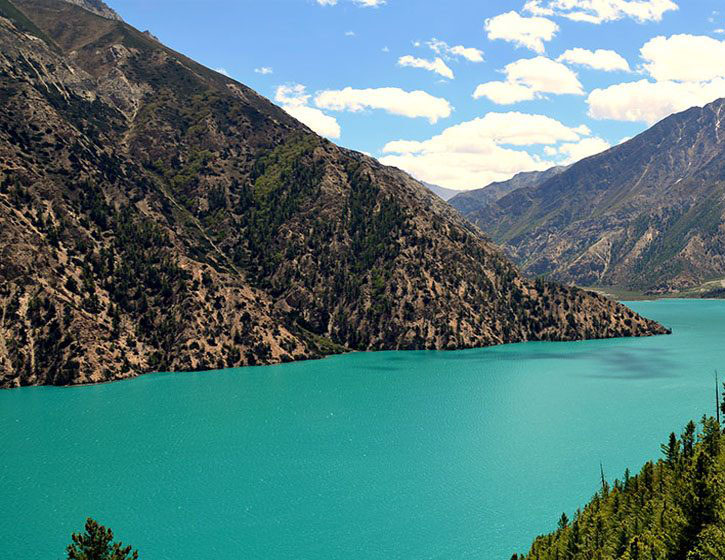
The geography and natural beauty of the Dolpo region create one of Nepal’s most striking high-Himalayan landscapes. Dolpo is defined by deep valleys, arid cliffs, and vast plateaus shaped by Trans-Himalayan terrain. Crystal-clear rivers cut through dramatic gorges, while turquoise Phoksundo Lake glows beneath towering peaks. Windswept meadows, scattered juniper forests, and hidden monasteries blend with barren mountains, giving Dolpo a raw, mystical beauty unmatched in remote Himalayan trekking.
People, Religion, and Culture of the Dolpo Region
The people of the Dolpo region, known as Dolpo-pa, have preserved a unique Tibetan-influenced culture shaped by isolation and harsh mountain life. Most follow Tibetan Buddhism or the ancient Bon religion, which deeply influence daily routines, festivals, and rituals. Traditional lifestyles revolve around herding yaks, farming barley, and practicing age-old crafts. Villages feature prayer flags, chortens, and monasteries, reflecting strong spiritual devotion. Festivals, music, and oral storytelling maintain cultural continuity, making Dolpo a living repository of Himalayan heritage and spiritual traditions.
People, Religion, and Culture of the Dolpo Region
The people of the Dolpo Region, known as the Dolpo-pa, have deep cultural ties to Tibet. Their lifestyle reflects the challenges of living in a high-altitude environment. The people depend on yaks, sheep, and goats for food and transport. Farming is limited, so they grow barley, buckwheat, and potatoes during the short summer season.
Dolpo Region
The Dolpo region presents some of Nepal’s most challenging and rewarding Trekking in the Dolpo Region is an experience where trekkers navigate rugged high passes, remote valleys, and windswept plateaus, encountering pristine natural landscapes at every turn. Along the trails, traditional Dolpo-pa villages offer genuine cultural interactions, from ancient monasteries to local festivals and daily life. The combination of stunning scenery, spiritual heritage, and physical adventure makes trekking in Dolpo an unforgettable journey for those seeking both challenge and authentic Himalayan experiences.
Lower Dolpo Trek
Lower Dolpo is ideal for trekkers seeking a cultural journey with moderate difficulty. The route passes through Dunai, Tarakot, and Ringmo before reaching Phoksundo Lake. Villages blend traditional architecture with beautiful landscapes. Along the way, trekkers walk through forests, terraced fields, and mountain trails that lead to high-altitude villages.
Upper Dolpo Trek
Upper Dolpo is more remote and physically demanding. It crosses high mountain passes such as Kang La, Saldang La, and Jeng La. These passes offer wide panoramic views of snow peaks and high plateaus. Culturally, Upper Dolpo is one of the most traditional regions in the Himalayas. Villages like Saldang, Dho Tarap, and Tinje preserve Tibetan customs that have changed little over centuries. Because Upper Dolpo is a restricted region, trekkers need special permits and must hire a licensed guide. This rule protects the culture and environment of the Dolpo Region.
Wildlife and Vegetation in the Dolpo Region
The Dolpo region hosts a remarkable variety of wildlife adapted to its harsh, arid environment. Rugged cliffs, high plateaus, and sparse forests provide habitats for rare and elusive species, including the snow leopard, Himalayan blue sheep, musk deer, and Himalayan tahr. Birdlife is abundant, with species such as lammergeiers and Himalayan vultures soaring above valleys. The region’s unique climate and terrain support fragile ecosystems, making Dolpo a vital sanctuary for biodiversity and a fascinating destination for wildlife enthusiasts.
Climate and Best Time to Visit the Dolpo Region
The Dolpo region experiences a distinctive high-altitude climate, characterized by long, harsh winters and brief, mild summers. Winter months bring heavy snowfall, icy winds, and sub-zero temperatures, making travel difficult and isolating villages. In contrast, the short summer season offers pleasant weather, clear skies, and relatively moderate temperatures, ideal for trekking and exploration. This extreme climate shapes the lifestyle of the Dolpo-pa people, their agriculture, and animal herding, while also influencing the region’s unique flora, fauna, and natural landscapes.
Best Seasons
Spring (April–June): Clear skies and blooming flowers
Autumn (September–November): Stable weather and perfect visibility:
Because the Dolpo region lies in the rain shadow of the Himalayas, autumn brings minimal rainfall and stable weather. The Dolpo region is perfect for trekkers with clear skies and breathtaking mountain views. Experienced trekkers can navigate high passes, remote valleys, and traditional villages with ease. During this season, the Dolpo region offers perfect visibility, showcasing its rugged landscapes, turquoise lakes, and culturally rich settlements, making autumn an unforgettable time to explore this remote Himalayan region.
Temperature Range
Lowest temperature: below –20°C in winter; Highest temperature: around 20°C in lower areas in summer
How to Access the Dolpo Region
To enter the Dolpo Region, travelers usually fly from Kathmandu to Nepalgunj and then to Juphal. From Juphal, trekking trails begin. There is road access from Surkhet and Nepalgunj, but travel can be slow because of rough conditions.
Conclusion: Why Rare Himalayan Wildlife
The region is home to:
Snow leopards. Blue sheep, Himalayan wolves, Himalayan tahr, goral, musk deer
Snow leopards thrive in the cliffs and rocky slopes of the Dolpo Region, making it one of the best areas for conservation.
High Plateaus and Mountain Valleys
Large parts of the Dolpo Region lie above 3,500 meters. High-altitude valleys such as Tarap Valley and Panzang Valley open into wide, dry plains. These landscapes look simple at first glance, yet their scale and silence leave a strong impact on visitors.
The Jewel of Phoksundo Lake
Phoksundo Lake is one of the main attractions of the Dolpo Region. Its bright turquoise water appears unreal against the barren cliffs. The lake is sacred to both Buddhist and Bon communities, and its surroundings offer some of the most beautiful scenery in Nepal. The trail around the lake leads through forests and narrow cliffs, making it one of the most dramatic sections of the region.
H3: Tibetan Buddhism and Bon Tradition
Religion guides daily life in the Dolpo Region. Most villages follow Tibetan Buddhism, while some communities practice the older Bon faith. Monasteries such as Shey Gompa, Thasung Tholing, and Yangtsher can be found across the region. These sacred places preserve ancient rituals, manuscripts, and traditions. Prayer wheels, chanting monks, and colorful religious art reflect the region’s strong spiritual identity.
H3: Festivals and Daily Traditions
Festivals offer a glimpse into local culture. Ceremonies celebrate harvest seasons, mountain gods, and protective deities. Music, dance, and prayer play central roles. Daily life in the Dolpo Region is simple but centered on community support, respect for nature, and spiritual balance.
Alpine Vegetation and Medicinal Herbs
Vegetation includes juniper forests, high shrubs, and alpine grasses. The region is famous for Yarsagumba, a valuable medicinal fungus collected in the summer. Local communities depend on it for income.
Conclusion: Why the Dolpo Region
The Dolpo region stands apart as one of Nepal’s most remote and enchanting destinations. Its dramatic landscapes, high-altitude plateaus, and pristine lakes offer unparalleled natural beauty, while its rich Tibetan-influenced culture, spiritual traditions, and resilient communities provide deep cultural insights. Challenging trekking routes, rare wildlife, and a unique climate combine to create an experience unlike any other. Dolpo is not just a place to visit—it is a journey into the heart of the Himalayas, where nature, culture, and adventure converge.