

Overview: Manaslu Region
Introduction:
The Manaslu Region stands as one of Nepal’s most spectacular and relatively unexplored trekking frontiers. Named after Mount Manaslu (8,163 meters)—the eighth-highest peak in the world—this remote Himalayan area offers a perfect fusion of untouched natural splendor, vibrant ethnic heritage, and spiritual ambiance. Unlike the busier Everest and Annapurna circuits, the Manaslu trail provides a more secluded, intimate experience that rewards trekkers with raw alpine magnificence and authentic cultural exchanges. In recent years, it has emerged as a prized destination for those seeking a less commercialized but equally majestic journey in the Himalayas.
About the Region
Derived from the Sanskrit word “Manasa,” meaning “soul” or “intellect,” Manaslu is often referred to as the Mountain of the Spirit. This iconic massif lies along the border of Nepal and Tibet, nestled within the Gorkha District of central-western Nepal. The region is characterized by dramatic landscapes that range from subtropical forests and deep river valleys to towering snow-covered peaks and expansive glaciers. The Manaslu Conservation Area, which spans over 1,600 square kilometers, protects this ecological treasure trove and is home to diverse flora, fauna, and ethnic settlements.
Geographical Location and Accessibility
The Manaslu trekking route is located in north-central Nepal, within the Gandaki Province, bordering the Annapurna Region to the west and the Tibetan plateau to the north. To embark on this incredible journey, travelers typically begin their trip with a drive from Kathmandu to Soti Khola or Machha Khola, the primary trailheads for the Manaslu Circuit. The drive, although rugged, takes around 7–9 hours and offers mesmerizing views of rivers, hillside settlements, and terraced farms.
There is no direct air service to the Manaslu region, making road transportation the most feasible option. However, the construction of new roads has made access somewhat easier in recent years, although parts of the trail remain remote and rugged—preserving the wild charm that defines the area.
Local Inhabitants and Ethnic Diversity
The human settlements within the Manaslu area are a mosaic of ethnic identities. The Nubri and Tsum Valley inhabitants, who are of Tibetan origin, dominate the upper region, while Gurung, Magar, and other indigenous groups are more prominent in the lower altitudes. These communities maintain deeply rooted cultural ties with Tibet, evident in their language, clothing, and religious customs.
Their way of life reflects simplicity, resilience, and harmony with nature. Houses are often built using locally available stone and wood, with flat roofs designed to accommodate heavy snowfall. The local people engage in subsistence farming, yak herding, and, increasingly, tourism services such as guiding and porter support.
Spiritual Traditions and Sacred Sites
Religion plays a pivotal role in daily life throughout the Manaslu Region. The upper valleys are steeped in Tibetan Buddhism, characterized by ornate monasteries (gompas), prayer flags, chortens (stupas), and mani walls inscribed with sacred chants. Monasteries such as Mu Gompa and Rachen Gompa in the Tsum Valley are renowned for their historical and spiritual significance.
Residents observe Buddhist festivals such as Losar (Tibetan New Year) and Lhosar, which are celebrated with dance, music, and religious rituals. In the lower regions, you may also encounter traces of Bon practices and local animistic beliefs, contributing to the region’s rich spiritual diversity.
Local Lifestyle and Cultural Identity
The lifestyle in the Manaslu Region reflects a balance of practicality and cultural preservation. People live in stone-built dwellings with minimal modern amenities, and daily life revolves around agricultural tasks, animal husbandry, and temple rituals. Due to the high-altitude terrain and harsh winters, communities grow potatoes, barley, maize, and buckwheat, which form the staple diet.
Meals commonly include tsampa (roasted barley flour), butter tea, and gundruk (fermented greens). Clothing is traditionally made of wool and yak hair, with thick coats, woven sashes, and decorative jewelry denoting cultural pride. While modernization is gradually seeping in, traditional customs, oral storytelling, and communal gatherings remain vital aspects of village life.
Flora and Fauna: A Biological Wonderland
The Manaslu Conservation Area is a biodiversity hotspot with over 2,000 species of flowering plants, 33 mammals, 110 birds, 11 butterflies, and 3 reptiles. Trekkers walking through the region traverse several ecological zones, from warm, subtropical forests at lower elevations to alpine meadows and rocky cliffs near the passes.
Common tree species include rhododendron, pine, hemlock, birch, and juniper, while higher up, the vegetation thins into rugged tundra. The area is also a sanctuary for endangered wildlife like the snow leopard, red panda, Himalayan musk deer, blue sheep, and Himalayan tahr. Birdwatchers can spot Himalayan monals, snow pigeons, and blood pheasants, making the trek a haven for nature enthusiasts.
Vegetation and Eco-Zones
Manaslu’s terrain spans from lowland tropical zones around 600 meters to alpine regions above 5,000 meters, resulting in a wide range of plant ecosystems. The vegetation transitions through sal forests, bamboo groves, rhododendron thickets, and ultimately into lichen- and moss-covered alpine rocks. This diversity supports not only wildlife but also herbal medicine collection and agricultural livelihoods among locals.
Seasonal changes are dramatic; in spring, the forests burst with colorful rhododendrons, while in autumn, the golden foliage paints the hills. Monsoon months (June to August) are lush but challenging, whereas October to November and March to May offer ideal trekking weather.
Atmosphere and Overall Experience
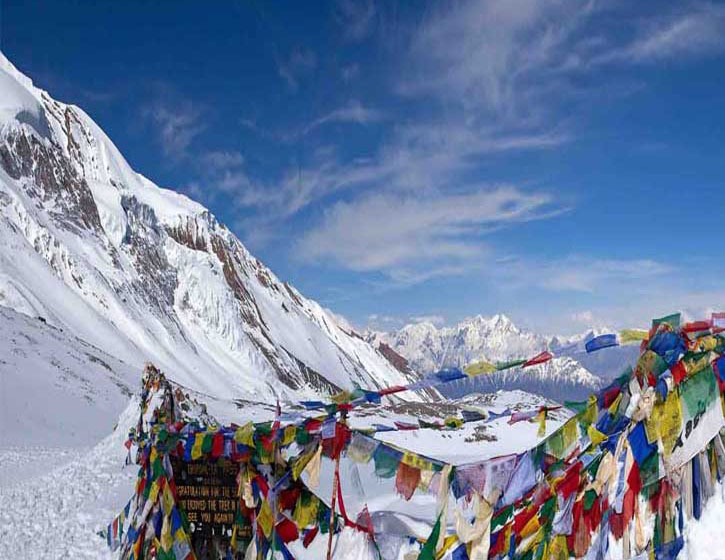
The ambiance in the Manaslu region is one of quiet solitude and natural purity. Due to limited commercialization, the trails are tranquil, allowing trekkers to fully immerse themselves in the stunning vistas and spiritual energy of the region. The snow-covered mountains, deep gorges, cascading waterfalls, and timeworn villages create a powerful sense of awe and introspection.
Altitude-wise, trekkers gradually ascend to the dramatic Larkya La Pass at 5,106 meters, one of the highest and most scenic Himalayan passes. The panoramic views from the top—featuring peaks like Himlung Himal, Cheo Himal, and Annapurna II—are both physically and emotionally rewarding.
A Growing Gem Among Nepal’s Top Trekking Routes
Although travelers once considered it off-the-beaten-path, the Manaslu Circuit has steadily gained global attention and now ranks among Nepal’s top trekking destinations. The route offers a challenging but manageable alternative to the Annapurna Circuit and Everest Base Camp treks, combining high mountain adventure with cultural exploration.
The trek typically takes 14–18 days to complete, depending on side excursions like the Tsum Valley, which offers a deeper cultural immersion. Trekking here requires a special restricted area permit, often coordinated through registered agencies, to preserve the ecological and cultural integrity of the region.
Professional Services: Company and Nepal Freelance Guide Options
For those planning to explore this mystical land, The Himalayan Realms Treks and Expedition Nepal Pvt. Ltd. provides expertly curated trekking itineraries tailored to suit individual fitness levels, timeframes, and interests. Our team comprises licensed guides, experienced porters, and logistical experts who ensure your journey is both safe and enriching.
From acquiring permits to organizing transportation, meals, and accommodations, we handle all the details so you can focus on the experience. Our guides master geography and safety protocols while actively sharing insights into local customs, history, and spiritual traditions—providing trekkers with a deep understanding of the region
Alternatively, travelers may opt for Nepal freelance guides, many of whom hail directly from the Manaslu area. These independent professionals provide flexible services at competitive rates and often offer a more personalized touch, thanks to their local roots and firsthand knowledge. Whether you choose a company or a freelancer, hiring a guide is mandatory for the Manaslu region due to permit regulations and the isolated nature of the trail.
Conclusion: A Trail Worth Every Step
The Manaslu Region is a place where nature, culture, and spiritual traditions come together to create a memorable trekking journey. Its clean landscapes, quiet villages, and rich wildlife make it different from many busy trekking areas. For travelers who want to explore beyond the usual trails and enjoy a more personal Himalayan adventure, Manaslu offers the perfect mix of remoteness, beauty, and emotional depth.
With the support of a trusted trekking company like The Himalayan Realms Treks and Expedition Nepal Pvt. Ltd., or with the help of an experienced local guide, your journey through Manaslu will give you lasting memories and a stronger connection to Nepal’s living culture. This is more than a trek—it’s a meaningful walk into the heart of the Himalayas.