

Overview: Makalu Region
Introduction
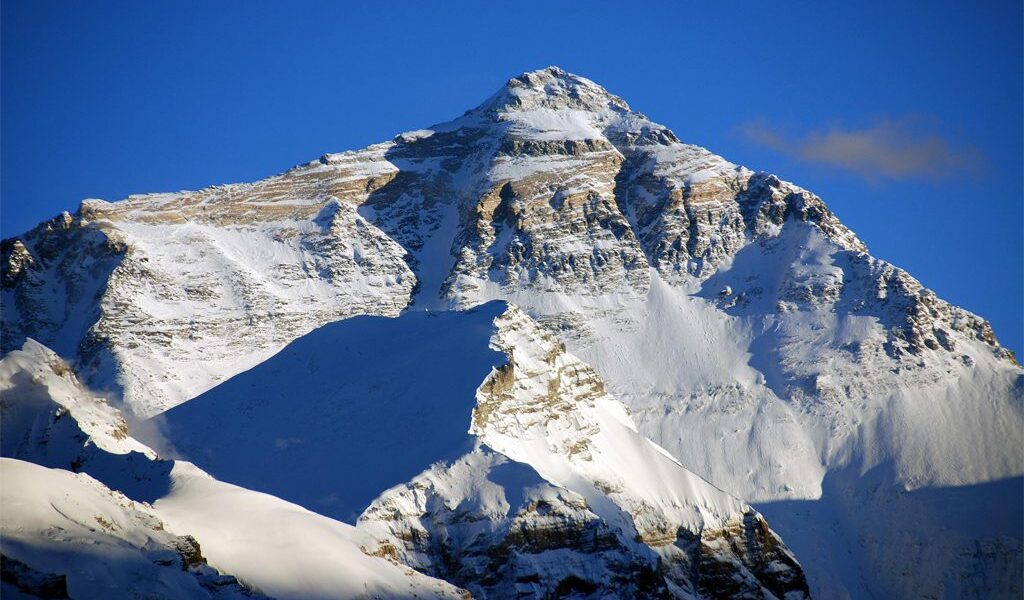
The Makalu Region is one of Nepal’s most secluded and breathtaking trekking destinations. It features dramatic alpine landscapes, rich biodiversity, and a deep sense of cultural authenticity. Named after Mount Makalu (8,485 meters)—the world’s fifth-highest peak—this region offers a powerful connection to untouched nature and ancient Himalayan traditions. Unlike the busy trails of Everest or Annapurna, the Makalu area remains quiet and peaceful. It’s ideal for trekkers who seek solitude and off-the-beaten-path adventure. From deep river gorges and blooming rhododendron forests to icy glacial valleys and towering snow-covered peaks, the region is a sanctuary of natural beauty, wildlife, and spiritual depth.
Trekking Routes and Climbing Peaks in the Makalu Region
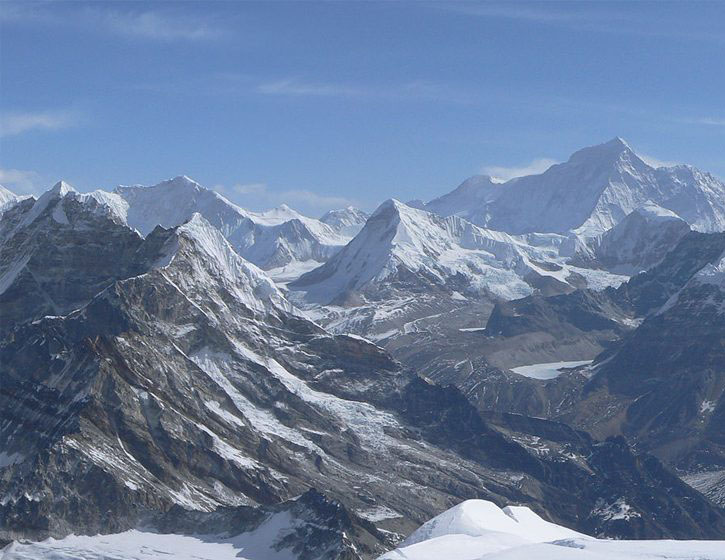
The Makalu Base Camp Trek stands as the primary route for trekkers in this region. This journey ascends through remote settlements, rhododendron thickets, high alpine meadows, and rugged moraines to reach Makalu Base Camp (4,870m). The trail offers sweeping views of Everest, Lhotse, Chamlang, and, of course, the formidable Mount Makalu itself. The trek typically takes 18–22 days and challenges travelers with its steep gradients, river crossings, and high-altitude terrain—making it ideal for seasoned trekkers seeking solitude and raw beauty.
Apart from the base camp journey, other exploratory treks connect the Makalu region to adjacent territories. The Sherpani Col Pass Trek is a strenuous and technical expedition that crosses multiple high passes including Sherpani Col (6,135m), West Col (6,143m), and Amphu Labtsa (5,845m), eventually linking with the Everest region. This demanding trek is for experienced hikers and mountaineers and combines the best of both Makalu and Everest vistas.
For climbing enthusiasts, Mount Makalu (8,485m) itself is the major attraction. As a challenging 8,000-meter peak, Makalu is considered one of the most technically difficult mountains to summit due to its steep ridges and knife-edged arêtes. The South East Ridge is the most frequently attempted route. In addition to this giant, smaller climbing peaks in the Barun Valley and surrounding areas are ideal for acclimatization or exploratory climbs, though most are still untapped and rarely summited.
About the Makalu Region
The Makalu area lies within the Makalu-Barun National Park and Conservation Area, Nepal’s only protected region that includes both subtropical forests and high Himalayan terrain. The park encompasses approximately 2,330 square kilometers and is managed in cooperation with local communities to maintain both ecological diversity and cultural integrity. This area represents a biological corridor between the Arun Valley and the towering Himalayan ranges—home to rare species and traditional mountain societies.
Location and Geography
Geographically, the Makalu Region stretches across Sankhuwasabha District in eastern Nepal, bordering the Everest region to the west and Arun River Valley to the south. The terrain varies from deep forested valleys at 500 meters to icy ridges at over 8,000 meters. Makalu-Barun is uniquely rich in topographical contrasts—starting from warm green lowlands, ascending through temperate zones, and culminating in icy, glacier-draped landscapes.
The mighty Barun Valley, which serves as the central artery of the Makalu trek, is a spectacular river valley surrounded by cliffs, waterfalls, and dense forests. Its untouched landscape has earned it a reputation as one of Nepal’s last wilderness sanctuaries.
How to Reach – Transportation Options
Reaching the Makalu region requires careful planning due to its remote nature. The most common approach is to take a domestic flight from Kathmandu to Tumlingtar Airport, located in the Arun Valley. From Tumlingtar, travelers either begin trekking directly or take a jeep ride to Num village, which serves as the starting point for the trek.
There is no direct road access into the core Makalu trekking trails, which helps preserve the region’s wilderness. For travelers seeking an adventurous alternative, it’s possible to enter from the Everest region via high passes, although this involves technical trekking and mountaineering.
Transport to Tumlingtar is generally reliable, with daily flights operated by Nepal Airlines and other domestic carriers. However, due to unpredictable mountain weather, delays can occur, so a buffer day is recommended in any itinerary.
People and Ethnic Diversity
The Makalu Region is a melting pot of ethnic communities, each contributing their unique customs, language, and traditions. The predominant groups include the Rai, Sherpa, Limbu, Brahmin, and Chhetri communities. In the lower valleys, Rai and Limbu people dominate, known for their oral traditions, shamanistic practices, and agrarian lifestyle.
As one ascends, Sherpa villages become more prominent. Unlike the Sherpas of the Everest region, Makalu Sherpas are less exposed to commercial tourism, making their culture more intact and traditional. Their stone-built homes, prayer walls, and monasteries speak volumes about their spiritual devotion and mountain way of life.
These communities rely heavily on agriculture, livestock, and seasonal trading. Millet, maize, potatoes, and barley form staple crops, while yaks and sheep are essential for meat, wool, and transport.
Religious Practices
Religious life in the Makalu area is a blend of Hinduism, Buddhism, and animistic traditions. In lower elevations, the Rai and Limbu populations often follow Kirant animism, centered around nature worship and ancestral deities. Rituals involving shamans and spirit communication are common, especially during festivals and harvest seasons.
Higher up, Tibetan Buddhism dominates, especially among Sherpa communities. Small gompas (monasteries) and chortens (stupas) dot the landscape. Buddhist prayers, prayer flags, and mani stones are woven into daily life. Key festivals like Lhosar (Tibetan New Year) and Dumji are celebrated with masked dances, communal feasts, and spiritual rituals.
Lifestyle and Daily Living
Life in the Makalu Region is modest and closely tied to the rhythm of the environment. Houses are generally constructed using local materials such as stone, mud, and timber. Most villages lack modern infrastructure like electricity, though solar panels are now increasingly common.
Daily life revolves around agriculture, animal rearing, and seasonal migration. Education and healthcare remain limited in the region, but local communities are gradually improving them with help from NGOs. Hospitality plays a big role in daily life—locals often greet visitors with butter tea, homemade bread, or millet beer (tongba).
People wear clothing that is both useful and meaningful. Woolen outfits, handwoven shawls, and yak-skin boots help them stay warm in the cold. At the same time, traditional jewelry, unique hats, and ceremonial dress help preserve their cultural identity.
Flora and Fauna
The Makalu-Barun region is among the most ecologically diverse areas in the Himalayas. It houses over 3,000 plant species, 440 species of birds, and over 80 species of mammals. Dense forests of sal, pine, oak, rhododendron, juniper, and fir cover the lower and mid-altitudes. During spring, the hills burst into a kaleidoscope of color, with rhododendrons in full bloom.
Rare and endangered animals roam the park, including the red panda, snow leopard, Himalayan black bear, musk deer, langur monkeys, and Himalayan wolves. Bird watchers can spot the Himalayan monal, eagles, vultures, and hornbills.
This biological abundance is due to the altitude variation and limited human disturbance, making it a haven for conservationists and nature lovers.
Vegetation and Ecology
The region transitions through multiple vegetation zones—from tropical forests near Tumlingtar to alpine grasslands and glacial moraines near base camp. The lowland valleys support banana groves and bamboo, while higher elevations are home to dwarf shrubs and mosses. Above 4,000 meters, the landscape becomes barren with rocky outcrops and perennial snowfields.
Numerous rivers, waterfalls, and glacial lakes, including the Barun River, enrich the region’s ecology. The Barun River flows through the heart of the valley and supports the entire area
Atmosphere and Environment
The ambiance of the Makalu region is one of profound serenity and remoteness. Far from the crowds of commercial trekking zones, this area offers an unfiltered Himalayan experience. The air is crisp, the silence deep, and the landscape untouched by overdevelopment.
Climate varies significantly: warm and humid in the lower valleys, cool and temperate in the middle hills, and cold and dry at higher altitudes. The best times to trek are March to May (spring) and September to November (autumn), when skies are clear, trails are dry, and mountain views are spectacular.
Company and Nepal Freelance Guide Services
For those venturing into this remote landscape, The Himalayan Realms Treks and Expedition Nepal Pvt. Ltd. provides expertly organized trekking and climbing packages to the Makalu region. With extensive experience in operating in high-altitude terrain, our company ensures safety, cultural immersion, and logistical precision throughout your journey. We offer services such as permit arrangement, experienced guides, porters, camping gear, and transportation coordination.
In addition to full-service packages, we support Nepal freelance guide services, which offer flexibility and localized knowledge. These independent guides, often from nearby districts, bring unique cultural insights, language proficiency, and terrain familiarity. Whether choosing a freelance expert or a full-service team, travelers benefit from personalized service and authentic interactions.
Conclusion
The Makalu Region remains a pristine and spiritually rich enclave of the Nepalese Himalayas. Its combination of towering peaks, deep-rooted cultures, and untouched wilderness creates an environment of both natural wonder and introspection far from the crowds of popular trekking zones, this region provides unmatched natural beauty. It’s perfect for those in search of solitude, adventure, and authentic culture.
The journey stretches from the rugged trails of Makalu Base Camp to the quiet charm of Sherpa villages. It flows past the sparkling waterfalls of Barun Valley and climbs steeply toward the majestic Mount Makalu. Each step in this land tells a story that stays with travelers forever.
Whether you trek with The Himalayan Realms Treks or a skilled Nepal freelance guide, the Makalu region offers more than just scenery. It delivers transformation, peace, and the enduring magic of the Himalayas.