

Overview: Lang Tang Region
Introduction
The Langtang Region stands as a pristine sanctuary in the northern highlands of Nepal, a territory where nature’s grandeur merges seamlessly with cultural authenticity. Located close to the bustling capital, Kathmandu, this tranquil valley offers travelers a rare blend of glacial landscapes, ethnic charm, and spiritual tranquility. Unlike the more frequented Everest or Annapurna areas, Langtang provides a quieter yet equally mesmerizing Himalayan encounter. Celebrated for its snowy summits, dense woodlands, cascading rivers, and hospitable local residents, the region acts as a microcosm of Nepal’s mountainous magic—preserving timeless traditions and stunning topography.
About the Region
Langtang is one of Nepal’s earliest designated national parks, established in 1976 to conserve its rare flora, elusive fauna, and indigenous communities. This serene expanse offers a rich mosaic of terrains—from lush subtropical forests to towering alpine meadows and glacial moraines. The region’s core charm lies in its accessibility without sacrificing wilderness, making it an ideal option for both novice adventurers and seasoned trekkers.
Despite the devastating earthquake of 2015 that reshaped parts of Langtang Valley and affected local settlements, the area has rebounded with resilience. Reconstruction efforts have revitalized infrastructure and trekking routes, making Langtang once again a flourishing destination filled with life, spirituality, and natural allure.
Geographical Placement
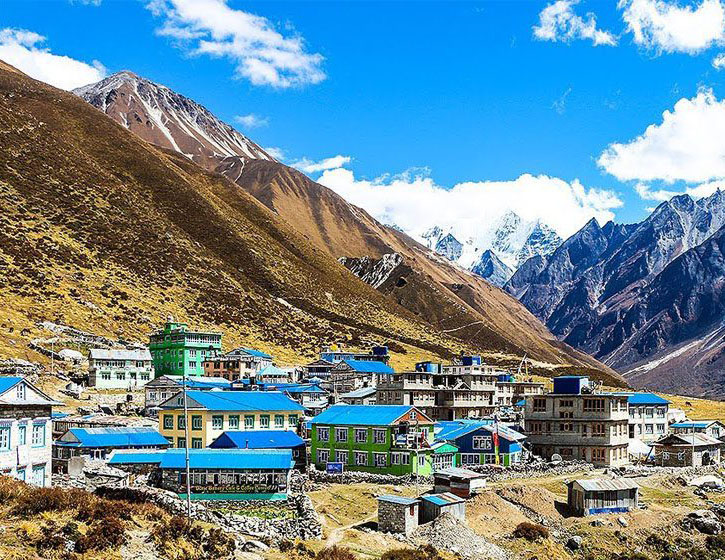
The Langtang Region lies in the north-central part of Nepal, directly bordering Tibet (China) to the north. Langtang lies between the Ganesh Himal range in the west and the Jugal Himal range in the east. Langtang National Park spans across the districts of Rasuwa, Nuwakot, and Sindhupalchok, covering a diverse ecological zone. Towering peaks such as Langtang Lirung (7,227 m), Dorje Lakpa (6,966 m), and Gangchenpo (6,387 m) rise dramatically around the valley, shaping a grand alpine amphitheater that captivates every traveler.
How to Reach the Langtang Region?
Access to Langtang is relatively straightforward. Most journeys commence from Kathmandu, which serves as the main entry point for domestic and international travelers. Travelers usually drive 7 to 9 hours from Kathmandu to Syabrubesi by private jeep or bus. The route is scenic but rough, winding through hills, terraced farms, and river valleys. Langtang does not have an airport. However, its close proximity to Kathmandu makes it one of the easiest Himalayan regions to reach without domestic flights.
The path to the valley is primarily on foot, traversing through lush forests, traditional hamlets, and highland pastures.
Indigenous Communities
The majority of inhabitants in the Langtang area belong to the Tamang ethnic group, descendants of Tibetan ancestry. Their facial features, dialects, attire, and customs reflect a strong Himalayan heritage influenced by both Nepali and Tibetan traditions. These communities have occupied the valleys and slopes for generations, sustaining themselves through animal husbandry, subsistence agriculture, and more recently, tourism.
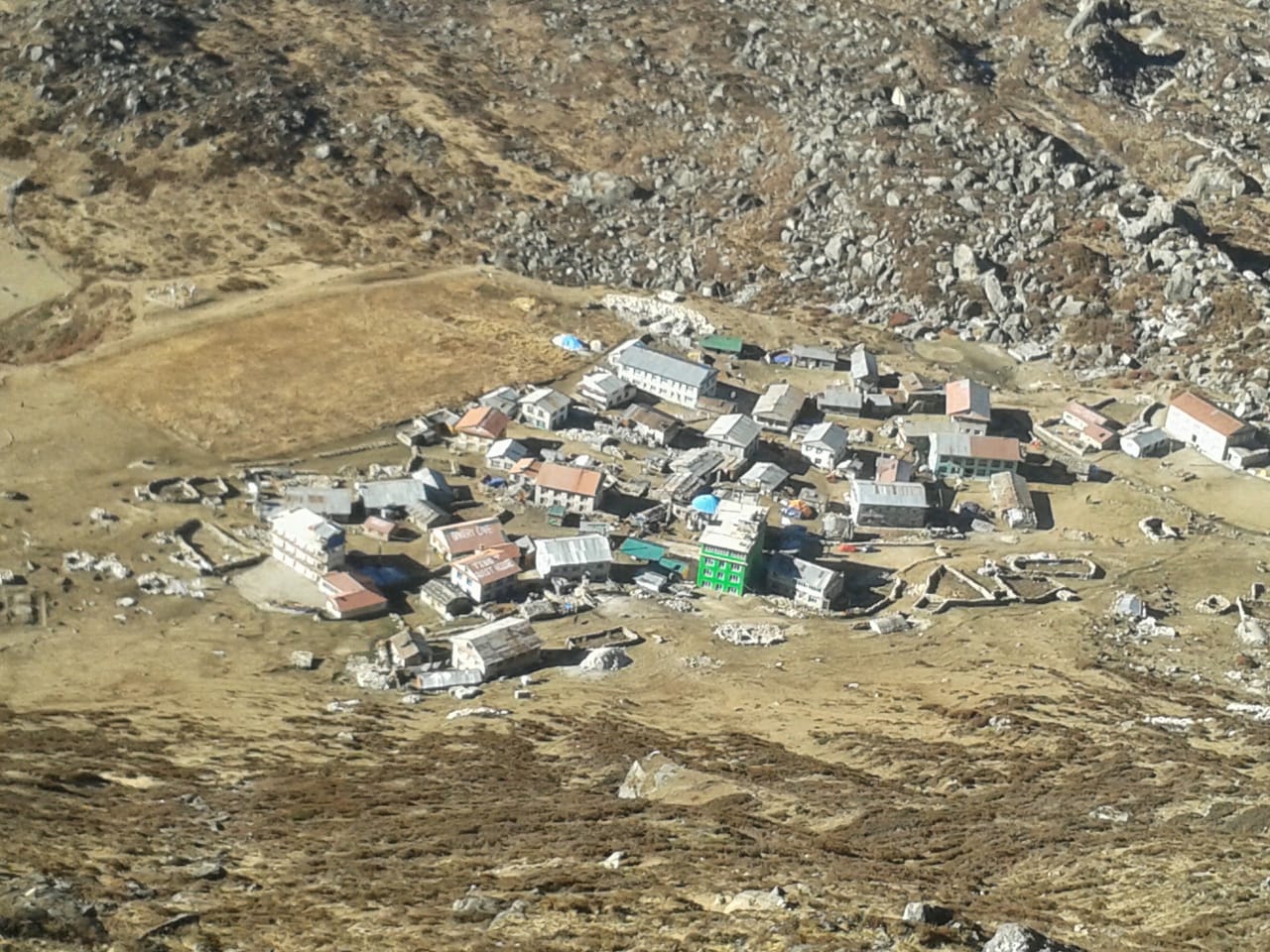
Locals are known for their deep-rooted hospitality. Their settlements—like Lama Hotel, Langtang Village, and Kyanjin Gompa—welcome visitors with warmth, home-cooked meals, and stories passed down through generations. Despite modernization, traditional lifestyles remain strong, with wooden homes, yak grazing, and weaving continuing to be integral to daily life.
Religious and Spiritual Significance
The Langtang Region is deeply steeped in Vajrayana Buddhism, the spiritual path practiced by most Tamang and Tibetan-origin locals. Chortens (stupas), prayer flags, and mani walls punctuate the trails, radiating sacred energy throughout the valley. Monasteries like Kyanjin Gompa are centers of spiritual learning and devotion, especially during festivals like Lhosar (Tibetan New Year).
Gosaikunda Lake, located in the southeastern part of Langtang National Park, holds deep religious significance for both Buddhists and Hindus. According to legend, Lord Shiva created the lake with his trident. Each August, thousands of pilgrims visit during Janai Purnima to purify their souls and seek blessings.
Lifestyle and Traditions
Daily life in Langtang is simple, cyclical, and shaped by the seasons. Agriculture and yak herding form the backbone of the local economy. Barley, potatoes, and maize are primary crops, while yaks and goats provide milk, meat, and wool. During the warmer months, locals migrate with their livestock to alpine pastures, a practice known as transhumance.
Handicrafts such as wool spinning, weaving, and wooden carvings are prevalent. Festivals are celebrated with dances, prayers, and feasts—often tied to lunar calendars and agricultural cycles. While young people increasingly engage in tourism-related activities like guiding and running teahouses, traditional practices are still actively preserved through family and communal systems.</span>
Flora and Fauna
The Langtang Region boasts a remarkable array of plant and animal species due to its elevation gradient and protected status. Dense rhododendron, oak, and pine forests blanket the lower slopes, while juniper, hemlock, and alpine shrubs emerge at higher altitudes. In spring, the trails are ablaze with blooming rhododendrons of red, white, and pink hues.
Wildlife is equally diverse. Lucky trekkers might spot red pandas, Himalayan black bears, musk deer, or even the elusive snow leopard. Bird watchers will find the region rewarding with over 250 species of birds, including impeyan pheasants, griffon vultures, and blood pheasants. Langtang National Park covers 1,700 square kilometers. It protects Langtang’s rare and endangered flora and fauna.
Vegetation and Ecological Zones
Vegetation in Langtang varies by altitude and terrain. From subtropical vegetation in the lower elevations (around 1,400 meters) to alpine and nival zones above 4,000 meters, the diversity is staggering. Sal trees, chestnuts, and maples dominate the lowlands, transitioning to fir, spruce, and birch as altitude increases.
In high-altitude meadows near Kyanjin Gompa, you’ll find cushion plants and mosses clinging to rocks. These elevations support specialized ecological systems capable of withstanding freezing temperatures and high UV exposure. The seasonal vegetation cycle adds dynamic color and texture to the landscape throughout the year.
Climate and Atmosphere
The climate in the Langtang Region is influenced by both monsoonal and altitudinal factors. Lower valleys experience a temperate climate with warm days and cool nights, particularly during the spring (March–May) and autumn (September–November) trekking seasons. These periods offer stable weather, clear skies, and ideal trekking conditions.
Winters can be harsh, especially above 3,000 meters, with temperatures often dropping well below freezing. Snowfall is common from December through February, transforming the valleys into a winter wonderland. Summers, although warmer, bring monsoon rains, making trails slippery and rivers swollen.
The atmosphere here is refreshingly pure. The blend of crisp mountain air, fragrant pine, and distant sound of yak bells creates a serene environment perfect for both physical adventure and mental rejuvenation.
Langtang: A Renowned Trekking Region in Nepal
Trekkers often praise the Langtang region—among Nepal’s major trekking areas—for its proximity, diversity, and peaceful atmosphere. The most popular trek—Langtang Valley Trek—takes 7 to 10 days and offers stunning views of Langtang Lirung, visits to ancient monasteries, and interaction with the Tamang community.
Gosaikunda Trek: A revered pilgrimage route that leads to sacred alpine lakes, deeply significant to both Hindus and Buddhists.
Helambu Trek: A culturally rich and relatively easier trek, ideal for those with limited time seeking authentic village experiences.
Tamang Heritage Trail: An immersive journey through traditional Tamang villages, natural hot springs, and vibrant local customs. Langtang–Ganja La Pass Trek: A demanding trek that crosses a high-altitude pass, offering panoramic views and a true wilderness adventure.
Trek itineraries in the Langtang Region can be tailored by experienced guides to suit your schedule, fitness level, and interests. As a less-traveled alternative to the busier Everest and Annapurna routes, Langtang rewards trekkers with raw Himalayan beauty, cultural depth, and genuine local connections.
Trekking Companies and Nepal Freelance Guide Services
For Langtang trekkers, The Himalayan Realms Treks and Expedition Nepal Pvt. Ltd. offers well-crafted itineraries. Our experienced guides speak multiple languages, prioritize safety at high altitudes, and honor local traditions. We provide tailor-made packages, including logistics, permits, accommodations, and cultural immersion opportunities. Whether you’re traveling solo or with a group, we handle every detail with care and professionalism. Our staff includes licensed trekking guides, porters with insurance coverage, and emergency response coordination in collaboration with local and international partners.
Alternatively, travelers can hire Nepali freelance guides—registered professionals who know Langtang’s trails, terrain, and temples inside out. Freelancers offer more flexible schedules and often a more personal connection. However, it’s essential to ensure that your chosen guide is certified and knowledgeable about altitude sickness, navigation, and emergency preparedness.
Choosing an agency or an independent guide helps support local tourism and contributes to Langtang’s recovery and long-term sustainability
Conclusion
Far from being a mere geographical location, Langtang is a realm of harmony, resilience, and beauty. Whether you seek mountain solitude, sacred lakes, or local hospitality, this region leaves a lasting impression. Exploring with experienced operators like The Himalayan Realms Treks—or certified freelance guides—ensures a safe journey. It also helps support local livelihoods and vital conservation efforts that sustain Langtang