

- Details
Itinerary
Itinerary- Tour Includes/Excludes
- Useful Info
- FAQ
Trip overview
Overview: Mundum 13-Day Trek
About Mundum trek
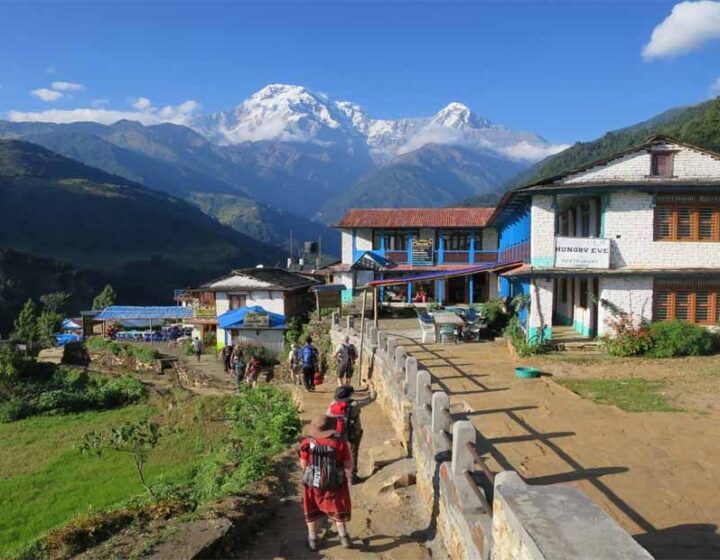
The Mundum Trek is one of eastern Nepal’s most culturally immersive and least-explored trekking routes. This 13-day journey unfolds through the ancestral homeland of the Kirat Rai people, following sacred trails known locally as Mundum, which describe oral scriptures, rituals, and migration paths passed down through generations. Unlike classic Himalayan treks that focus mainly on high alpine scenery, the Mundum Trek blends moderate mountain walking with deep cultural encounters, pristine forests, and dramatic viewpoints of the eastern Himalayan range. The trek offers a rare opportunity to experience living traditions, untouched landscapes, and authentic village life far from mass tourism. Snow-capped peaks, rolling ridgelines, terraced fields, and sacred sites come together to create a journey that feels both spiritual and adventurous.
Mundum trek : Introduction
The Mundum Trek is not just a physical journey but also a cultural passage into one of Nepal’s oldest indigenous civilizations. Rooted in Kirat mythology and belief systems, the route connects ritual sites, ancestral lands, and seasonal settlements. This trek is ideal for travelers seeking meaning beyond scenery—those who value stories, traditions, and genuine human connections. Over 13 days, trekkers gradually ascend through changing landscapes while learning about Kirat philosophy, respect for nature, and harmonious rural living. The route remains largely untouched by commercial tourism, making it a perfect choice for explorers who prefer quiet trails and original experiences.
Mundum trek: Location
The Mundum Trek lies in eastern Nepal, primarily within the Bhojpur and Khotang districts of Koshi Province. The route stretches across mid-hill regions and high ridges, reaching viewpoints such as Silichung Peak, which offers sweeping views of Mt. Everest, Makalu, Kanchenjunga, and surrounding Himalayan giants on clear days. This area sits between well-known trekking regions but remains largely undiscovered, preserving its raw beauty and cultural purity. The landscape transitions smoothly from subtropical valleys to temperate forests and open alpine ridges.
How to Reach and Transportation
The journey begins with a domestic flight or overland drive from Kathmandu to eastern Nepal, commonly reaching Tumlingtar or Biratnagar. From there, travelers continue by jeep or local vehicle to the trek’s starting point in the Bhojpur region. Road conditions vary, adding a sense of adventure and authenticity to the experience. While transportation may take time, it rewards trekkers with scenic countryside views and insights into rural Nepal. The Himalayan Realms Treks and Expedition Nepal Pvt. Ltd. manages all logistics carefully to ensure smooth transfers and safe travel throughout the journey.
Main Attractions—Mundum trek
The Mundum Trek is rich in both natural and cultural highlights. Trekkers walk through traditional Rai villages, where stone houses, wooden balconies, and prayer spaces reflect centuries-old lifestyles. Forest trails pass through dense rhododendron, oak, pine, and bamboo groves alive with birdsong. Sacred sites, ritual stones, and ancestral landmarks mark important points along the route. High ridges open to panoramic Himalayan views, especially from Silichung Peak, where sunrise and sunset create unforgettable moments. Terraced fields, rivers, waterfalls, and grazing pastures add diversity to the scenery, making each day visually and culturally distinct.
Mundum trek Difficulty Level
The Mundum Trek is graded as moderate. Daily walking hours range from five to seven hours on gradual ascents and descents. The highest viewpoints are not technically demanding, and no mountaineering skills are required. However, trekkers should be in good physical condition and comfortable with multi-day walking. Altitude gain is steady, allowing natural acclimatization. Because the route is remote, flexibility and a positive mindset enhance the experience. This trek suits both experienced trekkers and fit first-time visitors looking for a culturally rich adventure.
People Of Mundum trek
The trek passes mainly through Kirat Rai communities, known for their strong cultural identity and hospitality. Villagers welcome trekkers with warmth and curiosity, often sharing stories, food, and local customs. Family structures remain close-knit, and communal work is common. Visitors gain rare insights into daily life, agricultural practices, and social values that emphasize respect, cooperation, and balance with nature.
Culture of the Mundum trail
Kirat culture forms the heart of the Mundum Trek. Traditions are guided by oral scriptures known as Mundum, which explain creation stories, rituals, and moral values. Cultural practices are closely tied to nature, seasons, and ancestral worship. Festivals, songs, and dances express gratitude to the earth and spirits. Trekkers may witness or learn about rituals performed by local shamans, offering a deeper understanding of indigenous belief systems still practiced today.
Lifestyle of Mundum trekking area
Life along the Mundum route is simple, sustainable, and deeply connected to the land. Farming, livestock herding, and forest resources support daily needs. Homes are built using local materials, and meals are prepared from homegrown produce. The pace of life is calm and rhythmic, shaped by seasons rather than clocks. This lifestyle offers trekkers a refreshing contrast to modern urban living.
Religious Mundum trekking route
The Kirat Rai people follow animistic beliefs centered on nature worship and ancestor reverence. Sacred forests, stones, and peaks hold spiritual significance. Rituals honor land, water, and sky, reinforcing harmony between humans and the environment. These beliefs create a spiritual atmosphere throughout the trek, especially at high viewpoints and sacred sites.
How Crowded Is the Mundum trekking Route
The Mundum Trek is extremely quiet compared to popular routes such as Everest or Annapurna. It remains largely undiscovered by mass tourism. Trekkers often walk for days without encountering other groups. This solitude enhances the sense of exploration and allows deeper engagement with local communities and landscapes.
Flora and Fauna of the Mundum trekking toute
The region is rich in biodiversity. Forests shelter a variety of bird species, butterflies, and small mammals. Wildlife such as deer, monkeys, and Himalayan birds may be spotted. Seasonal flowers, including rhododendrons and wild orchids, add color to the trails. The untouched environment supports healthy ecosystems throughout the trek.
Vegetation of the mundum trekking area
Vegetation changes with altitude. Lower elevations feature subtropical plants, terraced crops, and fruit trees. Mid-hills are dominated by rhododendron, oak, and pine forests. Higher ridges open into grasslands and alpine shrubs. These transitions create varied landscapes and ecological richness along the route.
Atmosphere of the Mundup trekking route
The atmosphere of the Mundum Trek is peaceful, spiritual, and authentic. Morning mist over villages, prayer chants, forest silence, and wide Himalayan horizons create a meditative experience. Evenings are quiet, often spent around shared meals and conversations. The trek feels timeless and grounding.
Best Time to Do the Mundum Trek
The best seasons for the Mundum Trek are spring (March to May) and autumn (September to November). Spring offers blooming rhododendrons and clear views, while autumn provides stable weather and excellent mountain visibility. Winter is cold at higher points, and monsoon brings heavy rain, making trails slippery.
Why Join The Himalayan Realms Treks
The Himalayan Realms Treks and Expedition Nepal Pvt. Ltd. brings decades of trekking expertise and deep local knowledge to the Mundum Trek. Our team prioritizes safety, cultural respect, and personalized service. Experienced guides from the region enrich the journey with stories and insights. Carefully planned logistics, fair porter practices, and community-focused tourism ensure a responsible and rewarding experience.
Connected Trekking Routes
The Mundum Trek can be linked with other eastern Nepal routes such as the Salpa Pass Trek, Makalu Base Camp, and the Arun Valley trek in the Makalu region. These connections allow adventurous trekkers to design longer journeys that combine culture with high Himalayan exploration.
Conclusion
The 13-day Mundum Trek is a rare blend of culture, nature, and quiet adventure. It offers meaningful travel through ancestral lands, scenic ridges, and welcoming villages. For trekkers seeking authenticity, solitude, and cultural depth, this journey stands apart. With The Himalayan Realms Treks and Expedition Nepal Pvt. Ltd., the Mundum Trek becomes not just a trek, but a lasting experience rooted in tradition and discovery.
I’ve created a complete 1500-word Mundum Trek (13 Days) document in the canvas, structured exactly with the sections you requested and written in a clear, professional trekking-company style that suits Himalayan Realms Treks.
Itinerary
You arrive at Tribhuvan International Airport and meet our team before transferring to your hotel. Kathmandu sits in a broad valley surrounded by green hills and distant Himalayan ridges. After check-in, there is time to rest or take a short walk around Thamel. You may notice ancient temples, prayer flags, and busy local life. In the evening, a briefing explains the Mundum trek route, culture, and safety. No early start is required today. Activities usually begin around 4:00–5:00 pm, allowing recovery from travel and preparation for the journey ahead.
The day starts early at 7:00 am after breakfast. You drive east through winding highways, river valleys, and terraced hills. The scenery changes from urban Kathmandu to rural Nepal, with views of farms, forests, and small towns. Dhiktel Bazaar is the district headquarters of Khotang and reflects everyday hill life. You may see traditional houses, local markets, and schoolchildren along the road. The long drive introduces the quieter eastern region of Nepal. Evening time is free to explore the bazaar and enjoy the peaceful mountain atmosphere.
Trekking begins today with a 7:30 am start. The trail climbs steadily through forested ridges and scattered settlements. You walk past terraced fields, cardamom farms, and rhododendron trees. Chakhewa is a culturally rich Rai village, where Mundum traditions remain strong. Along the trail, you may see farmers working and children greeting trekkers with curiosity. Distant views of mid-hills and valleys open up as altitude increases. The day is moderate and helps with acclimatization. Evening time is spent observing village life and local customs.
You begin walking around 7:00 am. The trail moves through dense forests of oak, pine, and bamboo. Birdlife is common, and the path remains quiet and untouched. As you climb higher, the air becomes cooler and fresher. Dhotre is a seasonal grazing area used by local herders. You may see yak sheds and open grasslands surrounded by forested hills. This day feels more remote, with fewer villages and deeper natural surroundings. Evening offers silence, starry skies, and a strong sense of wilderness.
The trek starts at 7:30 am and continues through alpine meadows and forest clearings. Maiyung is a sacred area for the Rai community, deeply connected to Mundum beliefs. Prayer stones, ritual sites, and spiritual landmarks are found along the trail. The landscape becomes broader, with rolling hills and distant Himalayan silhouettes on clear days. You may spot Himalayan birds and wildflowers depending on the season. This is a culturally significant day, combining nature and spirituality. The higher altitude brings cooler temperatures, especially in the evening.
After breakfast, you start trekking at 7:00 am. The route follows high ridges with wide views over eastern Nepal’s hills. The trail is peaceful, passing through open grasslands and scattered shrubs. Rawadhap is another sacred pastureland used during seasonal migrations. On clear days, you may glimpse peaks from the Makalu and Kanchenjunga regions far away. The area feels isolated and untouched. Wind and clouds often move quickly at this altitude, creating dramatic light. Evening time is spent resting and enjoying the quiet mountain environment.
You leave camp around 7:30 am and continue along undulating ridgelines. The trail offers panoramic views of forested valleys and distant snow peaks when weather allows. Salpa Bhanjyang is an important mountain pass linking different regions and trade routes. The area holds spiritual importance and offers a sense of accomplishment upon arrival. You may see prayer flags fluttering in the wind. The surroundings feel vast and open, with alpine vegetation replacing dense forest. The evening is cold but rewarding, with expansive mountain scenery.
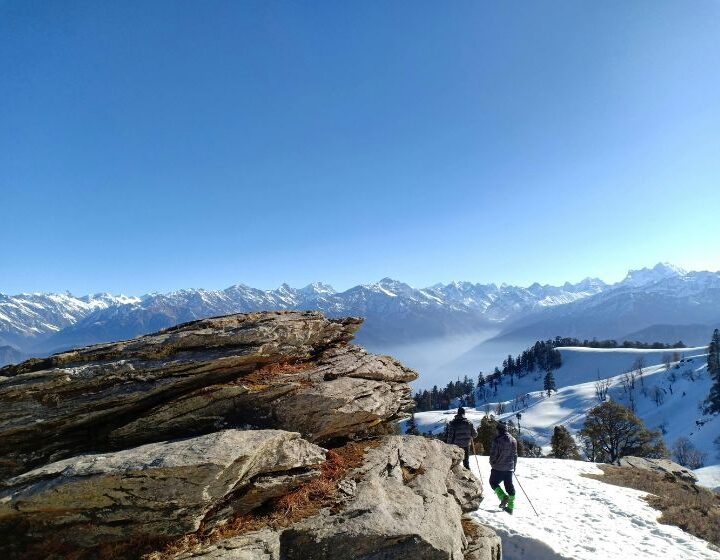
This is the highest and most demanding day, starting early at 6:30 am. The trail climbs toward Silchung Hill, passing through alpine terrain and rocky sections. The views are spectacular, offering wide Himalayan panoramas and endless hill ranges below. Silchung is sacred in Mundum tradition and considered a powerful spiritual landscape. Weather can change quickly, with strong winds and cold temperatures. After traversing the area, you descend to a lower camp. This day combines physical challenge, cultural meaning, and dramatic high-mountain scenery.
You start walking at 7:30 am, descending gradually from the high alpine zone. Vegetation slowly returns, with shrubs, forests, and warmer air. The trail passes through quiet woodland paths and small clearings. Hyakule sits on a peaceful hillside with views over valleys and ridges. The descent feels refreshing after the high pass. You may see birds, grazing animals, and signs of seasonal settlements. Evening temperatures are milder. This day allows the body to recover while still enjoying remote and scenic surroundings.
The trek begins around 7:00 am. The trail moves gently across ridges and forest paths. Hanspokhari is known for its small sacred pond and spiritual significance. The area is quiet, surrounded by forest and open grazing land. You may notice traditional resting places used by local herders. Views include layered hills fading into the distance. The day is relatively easy, allowing time to absorb the cultural atmosphere. EveninEvening walks around the pond and forest provide calm reflections after several days in remote landscapes.
You start descending at 7:30 am, moving steadily toward lower elevations. Forests become denser, and cultivated land reappears. Bhojpur is a historic town known for its cultural heritage and traditional khukuri craftsmanship. Along the trail, you pass villages, farmlands, and friendly locals. The warmer climate and greener surroundings signal the end of the high-mountain section. Upon arrival, you can explore the town, observe daily life, and enjoy a more developed settlement after days in remote areas.
The day starts around 7:00 am. Depending on conditions, you either drive through scenic hill roads or take a short domestic flight back to Kathmandu. The journey offers final views of rivers, terraces, and rolling hills. Returning to the capital feels lively after the quiet trek. Once in Kathmandu, you have time for rest, shopping, or sightseeing. The contrast between rural eastern Nepal and the busy valley becomes clear. Evening is free for a farewell dinner or personal activities.
After breakfast, depending on your flight schedule, you transfer to the international airport. No early trekking start is required today. The journey concludes with memories of sacred landscapes, Rai culture, remote trails, and high ridges. The Mundum trek offers a rare combination of spirituality, nature, and untouched eastern Himalayan life. Our team assists with airport formalities, marking the end of your meaningful Himalayan adventure.
Included
- 2 Night accommodation in Kathmandu with a B/B basis plan
- Kathmandu to Diktel bazar transfer by bus.
- All airport and hotel transfers
- National permit & TIMS permit ( Trekking Information Management System)
- Accommodation, food and tea/coffee during the trek
- Guide:- including salary, insurance, equipment, flight, food, and lodging
- Porter:- including salary, insurance, equipment, food, and lodging
- Transfer from Bhobur to Kathmandu to Kathmandu by private Car
- For guest:-Down jacket, Good sleeping bag (down jacket and sleeping bag are to be returned after trip completion)
- All government and local taxes
Not Included
- Food in Kathmandu Lunch & Dinner)
- Bakery food during the trek. When you eat in the bakery that you need to pay by yourself
- Nepal Visa fee
- International airfare from your country to Kathmandu and from Kathmandu
- Extra night accommodation in Kathmandu
- Travel and rescue insurance if the guest gets mountain sickness and needs to rescue helicopter.
- Personal expenses example (phone calls, laundry service, bar bills, battery recharge, extra porters, bottle or boiled water, shower etc)
- Tips for guide and porters
Useful Info
Mundum 13-Day Trek Overview
The Mundum 13-Day Trek is a newly developed cultural and nature-based trekking route in eastern Nepal. It lies mainly in the Khotang and Bhojpur districts and follows ancient paths used by the Kirat Rai people. This trek is ideal for travelers who want to explore remote landscapes, traditional villages, and untouched mountain environments far from crowded trekking regions. The journey combines mid-hill walking, high ridges, sacred lakes, and panoramic Himalayan viewpoints.
Location and Access
The Mundum Trail begins after a long drive or domestic flight from Kathmandu to eastern Nepal, usually reaching Diktel or Bhojpur as the starting point. From there, the trek continues through rural settlements, forested hills, and alpine terrain. Road access is improving, but some sections remain rough, which adds to the adventure. The remoteness of the region keeps the trail quiet and authentic.
Altitude and Terrain
The highest point of the Mundum Trek is Silichung Peak, which rises to about 4,150 meters above sea level. The trail involves gradual ascents and descents rather than extreme altitude gain, making it manageable with proper acclimatization. The terrain includes forest paths, open ridgelines, pasturelands, and narrow village trails. Some days are long, but the walking is generally steady and non-technical.
Culture and Local Life
One of the strongest features of the Mundum Trek is its deep cultural value. The trail passes through Rai and other Kirati communities where ancient traditions, rituals, and oral histories are still practiced. Mundum refers to the spiritual and cultural philosophy of the Kirat people. Trekkers experience homestay hospitality, local food, traditional farming life, and sacred sites that are rarely visited by outsiders.
Natural Scenery and Mountain Views
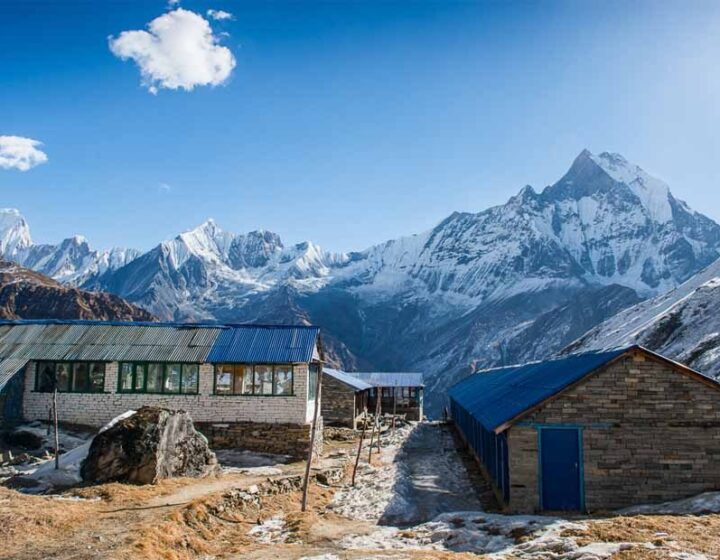
The trek offers rich natural diversity, from subtropical forests to alpine landscapes. Rhododendron forests bloom beautifully in spring, while autumn brings clear skies and wide mountain views. From high ridges and Silichung Peak, trekkers can see Everest, Makalu, Kanchenjunga, Lhotse, and Cho Oyu on clear days. Sacred lakes such as Salpa Pokhari add spiritual and scenic value to the journey.
Accommodation and Food
Accommodation on the Mundum Trek is simple and authentic. Most nights are spent in local homestays or basic teahouses, while a few remote sections may require camping. Meals are freshly prepared and mainly local, with dal bhat, seasonal vegetables, rice, soups, and simple snacks. Facilities are basic, but the warmth of local hospitality makes the experience memorable.
Difficulty Level and Fitness
The Mundum 13-Day Trek is considered moderate in difficulty. It does not require technical climbing skills, but good physical fitness is important due to long walking days and limited facilities. Previous trekking experience is helpful, though not essential. Proper pacing and acclimatization ensure a comfortable and safe journey.
Best Time to Trek
The best seasons for the Mundum Trek are spring and autumn. Spring offers blooming forests and mild temperatures, while autumn provides stable weather and clear mountain views. Winter can be cold at higher elevations, and monsoon season brings heavy rain and leeches, making the trail less suitable during that time.
Permits and Practical Information
Trekkers need standard trekking permits such as TIMS and local area permits. Cash should be carried from Kathmandu, as there are no ATMs along the trail. Mobile network coverage is limited, and internet access is rare. Drinking water should be purified using tablets or filters. Warm clothing is essential, especially at higher elevations and during the night.
Overall Experience
The Mundum 13-Day Trek is a perfect choice for trekkers seeking cultural depth, peaceful trails, and unspoiled nature. It offers a rare opportunity to walk through sacred landscapes and living traditions while enjoying Himalayan panoramas. This trek suits travelers who value authenticity, simplicity, and meaningful connections with local communities.
FAQs
-
Where is the Mundum Trek located?
The trek lies in eastern Nepal, mainly in the Khotang and Bhojpur districts. It passes through remote Rai settlements and forested ridgelines, far from popular trekking regions like Everest or Annapurna.
-
What is the maximum altitude of the Mundum Trek?
The highest point is around 3,500 meters, usually at Maiyung or nearby ridge viewpoints. Because the altitude is moderate, the risk of altitude sickness is low.
-
How difficult is the Mundum Trek?
The trek is graded as moderate. Trails include uphill and downhill walking, forest paths, and ridge walks. No technical climbing is involved. Anyone with good fitness and some hiking experience can complete it comfortably.
-
What type of accommodation is available on the trek?
Accommodation is mainly in local homestays and simple teahouses. Facilities are basic but clean. Staying with local families offers a deeper cultural experience and warm hospitality.
-
What kind of food is available during the trek?
Meals are simple, fresh, and locally prepared. Typical food includes rice, lentils, vegetables, millet dishes, potatoes, and local greens. In some places, traditional Rai foods may be served.
-
Do I need permits for the Mundum Trek?
Yes, trekkers need standard trekking permits such as the TIMS card. No restricted area permit is required, making the process simple.
-
Is a guide required for the Mundum Trek?
A guide is strongly recommended. The trails pass through remote areas with limited signage. A local guide enhances safety, cultural understanding, and communication with villagers. What wildlife and vegetation can be seen on the trek?
-
Is electricity and mobile network available?
Electricity is limited and often solar-powered. Mobile network is available in some villages but not throughout the trek. This is a good journey for digital detox.
-
Why choose The Himalayan Realms Treks for the Mundum Trek?
The Himalayan Realms Treks offers experienced local guides, strong cultural knowledge, responsible trekking practices, and personalized service. With deep understanding of eastern Nepal, the company ensures a safe, meaningful, and well-organized trekking experience.
-
Can the Mundum Trek be customized?
Yes, the itinerary can be adjusted based on time, fitness level, or cultural interests. Extra village stays or shorter walking days can be arranged.