

- Details
Itinerary
Itinerary- Tour Includes/Excludes
- Useful Info
- FAQ
Trip overview
Overview: Ghorepani-Ghandruk 7 days
Introduction
The Ghorepani–Ghandruk Trek is one of the most classic and rewarding short treks in the Annapurna region of Nepal. It is well known for its striking mountain panoramas, charming Gurung villages, dense forests, and strong cultural character. This trek offers an excellent balance between natural beauty and cultural immersion, making it a favorite choice for travelers with limited time.
Scenic Beauty and Cultural Experience
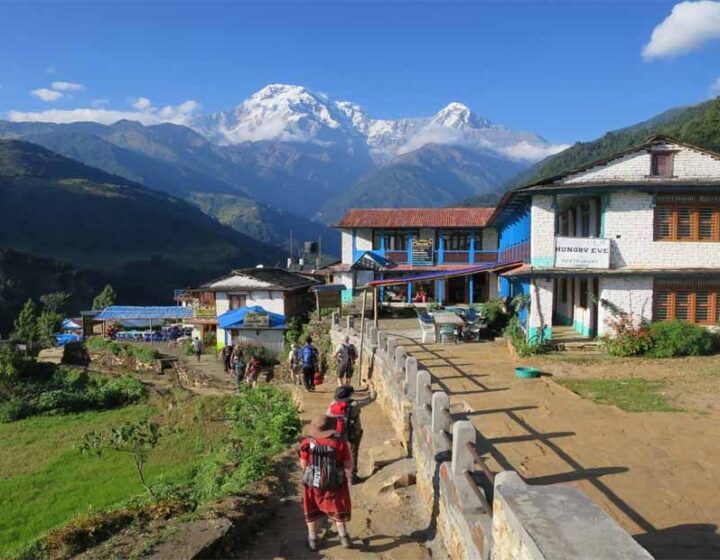
The trail passes through rhododendron forests, stone-paved villages, and terraced farmlands, creating a constantly changing landscape. Traditional Gurung settlements such as Ghandruk showcase local architecture, lifestyle, and warm mountain hospitality. These cultural encounters add depth to the trekking experience and provide insight into rural Himalayan life.
Trekking Difficulty and Suitability
This trek is especially popular among travelers seeking a moderate Himalayan experience without extreme altitude challenges. It is suitable for first-time trekkers, families, and senior travelers. At the same time, experienced hikers also appreciate the scenic diversity and cultural authenticity found along the route.
Poon Hill Sunrise Highlight
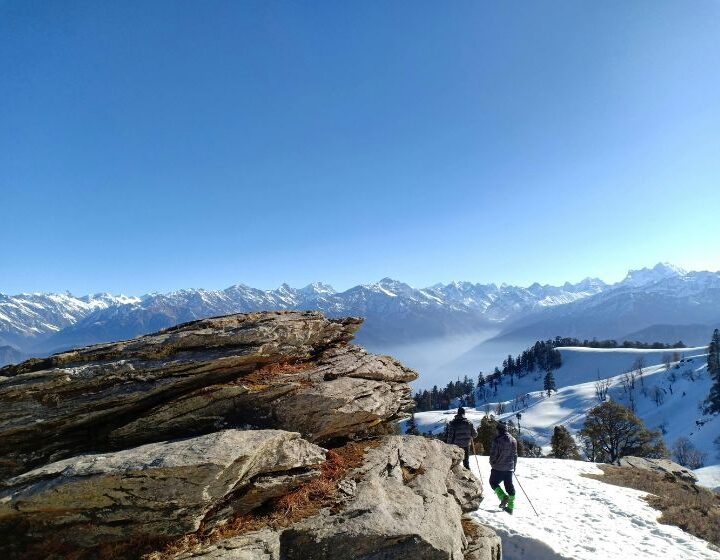
Despite its short duration, the trek delivers unforgettable sunrise views from Poon Hill. From this viewpoint, trekkers enjoy close-up views of the Annapurna and Dhaulagiri ranges, making it one of the most rewarding moments of the journey.
Location
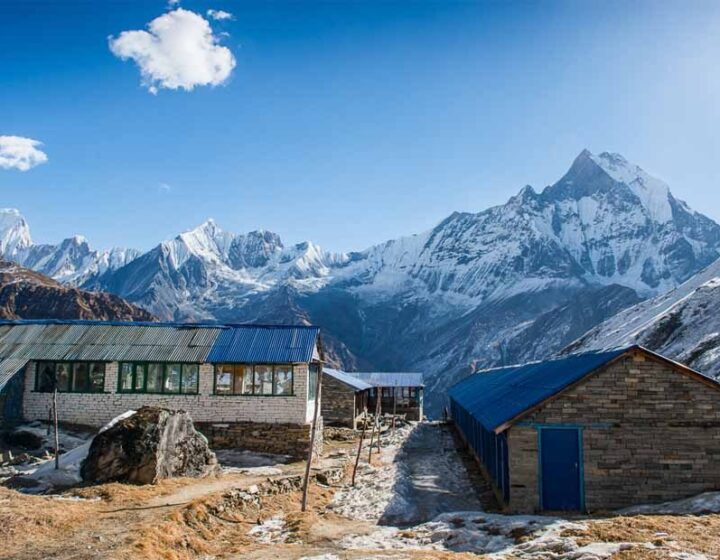
The Ghorepani–Ghandruk Trek is located in the central-western part of Nepal within the Annapurna Conservation Area, the country’s largest protected region. The trek lies north of Pokhara and south of the main Annapurna Himalayan range. Ghorepani sits on a ridge at approximately 2,860 meters, while Ghandruk rests lower at around 1,940 meters. The region is framed by iconic peaks such as Annapurna South, Hiunchuli, Machhapuchhre (Fishtail), Dhaulagiri, and Nilgiri. This strategic location allows trekkers to enjoy high Himalayan scenery while remaining within comfortable elevations.
How to Reach and Transportation
The journey to the Ghorepani–Ghandruk Trek begins in Kathmandu, Nepal’s capital. From Kathmandu, travelers either take a scenic tourist bus or a short domestic flight to Pokhara, a lakeside city that serves as the main gateway to Annapurna treks. Pokhara is well connected by road and air and offers excellent accommodation and preparation facilities. From Pokhara, a private jeep or local vehicle transports trekkers to the trailhead, commonly Nayapul, Hile, or Ghandruk itself, depending on the itinerary design. The road journey passes through terraced farmlands, river valleys, and small villages, providing a smooth transition from urban life to mountain landscapes.
Main Attractions: What You See on the Trek
The Ghorepani–Ghandruk Trek is celebrated for its visual richness. The highlight is the early-morning hike to Poon Hill (3,210 meters), where trekkers witness one of Nepal’s most famous sunrises. As the first light touches the Himalayan peaks, Annapurna South, Dhaulagiri, Machhapuchhre, and the Annapurna massif glow in golden hues. Beyond Poon Hill, the trail passes through dense rhododendron forests, particularly vibrant in spring when the hills explode in red, pink, and white blossoms. Traditional stone villages, cascading waterfalls, suspension bridges, and terraced hillsides shape the daily scenery. Ghandruk village itself is a major attraction, offering close-up mountain views combined with preserved Gurung architecture and cultural heritage.
How Difficult Is the Ghorepani–Ghandruk Trek
This trek is classified as easy to moderate in difficulty. Daily walking hours range between four and six hours, with well-maintained stone staircases and forest trails. Although there are uphill sections, especially between Ulleri and Ghorepani, the altitude remains manageable and does not pose serious acclimatization risks. No technical climbing skills are required. With a reasonable level of fitness and steady pacing, most trekkers can comfortably complete the journey. The trek is particularly suitable for beginners who want a genuine Himalayan experience without extreme physical demands.
People, Culture, Lifestyle, and Religion
The Gurung and Magar communities, two of Nepal’s most respected ethnic groups, primarily inhabit the Ghorepani–Ghandruk region. They maintain a lifestyle deeply connected to agriculture, animal husbandry, and mountain traditions. Villagers practice discipline, welcome guests warmly, and take pride in their long history of service in the British and Indian Gurkha regiments. Buddhism and Hinduism coexist harmoniously, evident in prayer flags, small monasteries, chortens, and traditional rituals. In Ghandruk, trekkers can explore the Gurung Museum, which displays traditional clothing, tools, and cultural practices. Daily life here follows a simple yet dignified rhythm shaped by seasonal farming and tourism.
How Crowded the Trek Is
The Ghorepani–Ghandruk Trek is popular but much less crowded than major Everest region routes, such as Everest Base Camp and Gokyo Lakes. Those trails attract large numbers of trekkers throughout the season. In the Everest area, narrow paths, limited villages, and shared routes often create congestion, especially between Namche Bazaar, Tengboche, and Gorak Shep. In contrast, the Ghorepani–Ghandruk route has a wider trail system, multiple access points, and many well-spaced villages. These features naturally spread trekkers along the route.
Poon Hill can get busy at sunrise during peak months, but this is usually short-lived. The rest of the day’s walk remains calm. Compared to Annapurna Base Camp or Everest routes, daily trekking feels more relaxed. Good itinerary planning and local knowledge help trekkers enjoy quieter lodges and peaceful walking sections. This makes the overall experience comfortable, balanced, and far from crowded.
Flora and Fauna
The trek lies within the Annapurna Conservation Area, which protects an impressive range of biodiversity. Forests of oak, pine, bamboo, and rhododendron dominate the landscape. In spring, rhododendron blooms create a magical atmosphere along the trails. Wildlife in the region includes langur monkeys, barking deer, Himalayan tahr, and various bird species such as pheasants, eagles, and colorful Himalayan songbirds. Although larger wildlife tends to remain hidden, the sense of trekking through a living ecosystem is strong throughout the journey.
Vegetation and Natural Landscape
Vegetation changes gradually with altitude. Lower elevations feature terraced fields of rice, maize, and millet, while higher areas are covered with dense temperate forests. As the trail ascends toward Ghorepani, moss-covered trees and alpine shrubs dominate the environment. This gradual transition adds depth and variety to the trekking experience. The clean air, filtered through thick forest cover, enhances the sense of peace and natural harmony.
Atmosphere and Overall Experience
The atmosphere of the Ghorepani–Ghandruk Trek is calm, welcoming, and deeply refreshing. Evenings in mountain lodges are warm and social, with trekkers sharing meals by the fire while listening to stories from guides and hosts. Mornings are crisp and clear, often accompanied by birdsong and mountain silence. The blend of cultural interaction, forest tranquility, and panoramic Himalayan views creates an experience that feels both adventurous and comforting.
Best Time to Do the Trek
The best seasons for the Ghorepani–Ghandruk Trek are spring (March to May) and autumn (September to November). Spring offers blooming rhododendrons and pleasant temperatures, while autumn provides clear skies and sharp mountain views after the monsoon. Winter trekking is possible for those prepared for colder conditions, and the route remains accessible due to its lower altitude. Summer months bring greenery and fewer crowds but also occasional rain.
Why Join The Himalayan Realms Treks for the Ghorepani–Ghandruk Trek
Choosing The Himalayan Realms Treks and Expedition Nepal Pvt. Ltd. ensures a professionally guided, culturally respectful, and smoothly organized trekking experience. With decades of Himalayan expertise, our team understands the terrain, people, and seasonal conditions in depth. We prioritize safety, flexible itineraries, quality accommodation, and authentic local engagement. Our experienced guides offer insightful explanations of culture, nature, and mountains, transforming a simple walk into a meaningful journey. We also support local communities by working closely with village lodges and service providers, ensuring responsible and sustainable tourism.
Connection with Other Trekking Routes
The Ghorepani–Ghandruk Trek connects naturally with several important trekking routes across the Annapurna region, making it highly flexible and easy to extend. From Ghorepani or Tadapani, trekkers can continue toward the Annapurna Base Camp Trek, joining the route via Chhomrong and the Modi Khola valley. The trail also links smoothly with the Mardi Himal Trek, allowing an extension toward Forest Camp and Mardi Himal Base Camp for closer views of Machhapuchhre.
From Ghandruk, the trek can be combined with the Siklish Trek, leading east toward traditional Gurung villages and quieter trails. Another popular extension is the Panchase Trek, which heads south toward Panchase Hill, offering panoramic views over Phewa Lake and the Annapurna range. The route also connects with the Royal Trek, a low-altitude cultural walk-through village north of Pokhara. For longer adventures, the trail can extend westward toward Khopra Danda, famous for its dramatic ridge views and Khayer Lake, and further connect to Jomsom–Muktinath and the Annapurna Circuit, linking lower Annapurna landscapes with the trans-Himalayan Mustang region.
Conclusion
The Ghorepani–Ghandruk Trek is a timeless Himalayan journey. It captures the essence of Nepal’s mountain heritage in a compact, accessible format. From sunrise views at Poon Hill to cultural encounters in Ghandruk, every step reveals a harmonious blend of nature and tradition. The trek’s moderate difficulty, rich biodiversity, and welcoming villages suit a wide range of travelers. With The Himalayan Realms Treks, this classic trek becomes more than a holiday. Knowledgeable guides, careful planning, and local connections make it a deeply memorable experience.
Itinerary
Upon your arrival at Tribhuwan International Airport in Kathmandu, one of our representatives will pick you up and take you to your reserved hotel. In the afternoon you can relax, and in the evening we organize a meeting at your hotel lobby. During the session, we will introduce your trekking guide.
We will take you to the national airport and fly to Pokhara. During the short flight, you will have a majestic view of the magnificent peaks of Manaslu, the snow-capped Annapurna, and the Langtang Himalayas. Alternatively, you can go by a tourist bus or by private car to Pokhara. It takes about 6 to 7 hours along the Prithvi Highway. Upon arrival in Pokhara, you will be transferred to the hotel where you can enjoy your free time by the lake. You can enjoy and relax around Lake Phewa, which is surrounded by the Mount Annapurna Himalayas, and visit the Bindavasini Hindu Temple, which is only accessible by boat. You will spend the night in a hotel in Pokhara.
The drive from Pokhara (822 meters / 2,697 feet) to Tikhedhunga (1,540 meters / 5,052 feet) is done by private jeep and takes you through scenic hills, rivers, and rural settlements. After reaching Tikhedhunga, the trek to Ulleri begins with a steady ascent on a well-maintained stone staircase. Ulleri village is located at an altitude of about 2,050 meters (6,725 feet). The climb is physically demanding but rewarding, as the trail passes through lush forests and traditional villages. As altitude increases gradually, trekkers gain good acclimatization while enjoying views of the lower Annapurna region.
The trek from Ulleri (2,050 meters / 6,725 feet) to Ghorepani (2,860 meters / 9,383 feet) follows a steady uphill trail through dense rhododendron and oak forests. The path gradually gains altitude, making the walk more comfortable than the previous day’s steep climb. Along the way, trekkers pass small streams, rest points, and teahouses offering warm meals and scenic views. As you ascend higher, the air becomes cooler and fresher. Ghorepani sits on a high ridge within the Annapurna Conservation Area and is known for its panoramic mountain scenery and vibrant trekking atmosphere.
The trek from Ghorepani (2,860 meters / 9,383 feet) to Tadapani (2,630 meters / 8,629 feet) begins with an early morning hike to Poon Hill, followed by a scenic walk through dense rhododendron forests. The trail undulates, with short ascents and descents, passing Deurali at about 3,210 meters (10,531 feet), the highest point of the day. From here, the path descends gradually through quiet woodland and occasional clearings. Tadapani is a peaceful settlement surrounded by forest and mountain views, offering a calm overnight stop after a varied and enjoyable trekking day.
The trek from Tadapani (2,630 meters / 8,629 feet) to Landruk (1,565 meters / 5,135 feet) via Ghandruk (1,940 meters / 6,365 feet) descends through lush rhododendron and oak forests, offering a mix of gentle slopes and stone stairways. Along the way, trekkers pass small villages, terraced fields, and traditional Gurung settlements. Ghandruk, a charming village at 1,940 meters (6,365 feet), provides stunning views of Annapurna South, Hiunchuli, and Machapuchare. After a brief rest in Ghandruk, the trail continues descending to Landruk, winding through farmland and local hamlets. Landruk offers a serene overnight stay amidst scenic surroundings and traditional architecture.
The trek from Landruk (1,565 meters / 5,135 feet) to Dhampus (1,650 meters / 5,413 feet) via Pothana (1,610 meters / 5,282 feet) is a gentle and scenic walk. The trail passes through terraced fields, traditional villages, and lush forests, offering panoramic views of the Annapurna and Machapuchare ranges. Pothana provides a perfect mid-point to rest and enjoy the surrounding landscapes. From Dhampus, trekkers can enjoy the village’s cultural charm and stunning viewpoints. After the trek, a private car transfers you from Dhampus back to Pokhara (822 meters / 2,697 feet), completing the journey comfortably and efficiently.
The drive from Pokhara (822 meters / 2,697 feet) to Kathmandu (1,400 meters / 4,593 feet) covers approximately 200 kilometers and takes around 6–8 hours, depending on road and traffic conditions. The route passes through picturesque valleys, terraced fields, rivers, and small towns, offering glimpses of rural life in central Nepal. Along the way, drivers navigate winding hills and occasional mountain views, especially near Bandipur and Kurintar. Travelers can stop at scenic viewpoints, local restaurants, or traditional villages to stretch and enjoy the journey. The drive provides a comfortable and flexible way to return to Nepal’s capital
On the final day, guests are transferred from their hotel in Kathmandu (approximately 1,400 meters / 4,593 feet) to Tribhuvan International Airport. The journey is short, usually taking 30–45 minutes depending on traffic. The private vehicle ensures a comfortable and timely transfer, allowing travelers to check in and complete departure formalities without stress. This service marks the end of the Nepal tour, providing a smooth and convenient conclusion to the journey while offering a last view of Kathmandu’s bustling streets and surrounding hills before boarding the international flight.
Included
- All airport, hotel airport transfers.
- 2-night hotel in Kathmandu
- 2-night hotel in Pokhara
- Flight fare from Kathmandu to Pokhara
- Transfers Pokhara airport to Nayapul
- Conservation permit.
- Accommodation in the tea house
- Food, Tea/coffee during trek.
- Guide: – including salary, insurance, equipment, flight, food and lodging.
- Porter: – including salary, insurance, equipment, food and lodging.
- For guest: -Down jacket, Good sleeping bag (down jacket and sleeping bag are to be returned after trip completion).
- Transfer from Nayapul to Pokhara
- Transfer from Pokhara hotel to Airport
- Transfer from Kathmandu Airport to hotel in Kathmandu
- All government and local taxes.
- Final departure from hotel to international airport transfer.
Not Included
- Food in Kathmandu ( Lunch & Dinner). Kathmanmdu and Pokhara.
- Bakery food during the trek.
- Nepal Visa fee.
- International airfare.
- Extra night accommodation in Kathmandu.
- Sightseeing sport fees. tours guide cost and vechicle cost
- Travel and rescue insurance if guest get mountain sickness and need to rescue helicopter.
- Personal expenses example (phone calls, laundry service , bar bills, battery recharge, WIFI charge, extra porters, bottle water or boiled water, shower etc.)
- Tips for guide and porters
Useful Info
Location and Region
The Ghorepani–Ghandruk Trek lies in the Annapurna Conservation Area of central-western Nepal, the country’s largest protected region. This trek is north of Pokhara, south of the Annapurna Himalayan range, and passes through terraced villages, rhododendron forests, and scenic ridges. Ghorepani sits at 2,860 meters (9,383 feet), while Ghandruk is slightly lower at 1,940 meters (6,365 feet).
Spring (March–May): Clear skies, blooming rhododendrons, and moderate temperatures.
Autumn (September–November): Crisp weather, stable trails, and excellent mountain views.
Winter (December–February): Cold with possible snow at higher elevations; fewer tourists.
Monsoon (June–August): Trails can be slippery, and views may be obscured by clouds.
Trek Difficulty
The trek is moderate, suitable for beginners with reasonable fitness. Daily walking is usually 4–6 hours, with gradual elevation gain. Trails are mostly well-maintained stone paths or dirt tracks.
Altitude & Acclimatization
Ghorepani: 2,860 m (9,383 ft). Poon Hill (optional sunrise viewpoint): 3,210 m (10,531 ft). Ghandruk: 1,940 m (6,365 ft)
Acclimatization is easier compared to high-altitude treks like Everest Base Camp, but hikers should still ascend gradually to avoid altitude sickness.
Trail & Daily Highlights
Nayapul to Tikhedhunga/Ulleri: Begin the trek from Nayapul (1,070 m/3,510 ft) with a jeep or bus ride to Tikhedhunga. Steep stone steps lead up to Ulleri.
This day is moderately challenging with rewarding mountain views. Ghorepani to Poon Hill (optional) and Tadapani: Sunrise at Poon Hill offers panoramic views of Dhaulagiri, Annapurna South, and Machapuchare (Fishtail). Continue to Tadapani, surrounded by dense forests.
Tadapani to Ghandruk via Landruk: Descend gradually through charming villages. Ghandruk is a traditional Gurung village known for its culture, stone houses, and scenic landscapes.
Accommodation & Food
Simple rooms with shared bathrooms; some offer private rooms.
Meals: Rice, dal, noodles, soups, and local dishes like momo.
Water: Safe drinking water is available, but carrying a water purifier or tablets is recommended.
Possible wildlife sightings: Himalayan monkeys, pheasants, and occasional deer.
Cultural Highlights
Gurung villages with traditional stone houses. Local festivals and warm hospitality. Handicrafts and cultural experiences in Ghandruk and Landruk.
Limited mobile network; some areas have Wi-Fi in lodges.
Hiring a local
A guide is optional but recommended for cultural insights and navigation.
Crowd Levels
Moderate compared to Everest Base Camp.
Poon Hill can be busy during sunrise, especially in spring and autumn.
Trails and tea houses help distribute trekkers efficiently.
Gear & Essentials
Comfortable trekking shoes with good grip. Warm clothing for early mornings and evenings. Rain jacket and layers for changing weather. Trekking poles, hat, sunglasses, and sunscreen.
Download pdf brochureFAQs
-
What is the maximum altitude of the Ghorepani Trek?
The highest point of the trek is Poon Hill at 3,210 meters (10,531 feet). This viewpoint offers panoramic sunrise views over the Annapurna and Dhaulagiri ranges. Ghorepani village itself lies at 2,874 meters.
-
How difficult is the 7-day Ghorepani Trek?
The trek is considered easy to moderate. Some days involve long stone staircases, especially between Tikhedhunga and Ulleri. However, the pace is relaxed, and acclimatization is natural due to the low altitude.
-
What kind of accommodation is available on this trek?
Accommodation is in comfortable tea houses. Rooms are simple but clean, usually twin-sharing. Blankets are provided, but bringing a sleeping bag is recommended during colder months.
-
What meals are available during the trek?
Tea houses serve a variety of meals, including Dal Bhat, noodles, pasta, soups, rice, potatoes, eggs, and pancakes. Vegetarian food is widely available, and meals are freshly prepared.
-
Do I need a guide and porter for this trek?
A licensed guide is mandatory under current Nepal trekking regulations. Hiring a porter is optional but recommended for comfort. Guides enhance safety, navigation, and cultural understanding.
-
What permits are required for the Ghorepani Trek?
You need the Annapurna Conservation Area Permit (ACAP) and a TIMS card. These permits are usually arranged by your trekking company.
-
What should I pack for the trek?
Essential items include trekking boots, warm layers, rain jacket, sunscreen, water bottles, basic first aid, and personal toiletries. A daypack and trekking poles are also useful.
-
Can this trek be combined with other routes?
Yes, the Ghorepani Trek can be extended to Mardi Himal, Khopra Danda, or Annapurna Base Camp for a longer and more adventurous experience.
-
Why choose Himalayan Realms Treks for the Ghorepani Trek?
With experienced local guides, personalized service, flexible itineraries, and strong safety standards, Himalayan Realms Treks and Expedition Nepal Pvt. Ltd. ensures a smooth, memorable, and authentic trekking experience.