

Trip overview
Overview: – Ghorepani–Ghandruk trek 4-day
Introduction
The Ghorepani–Ghandruk Trek is a beautiful journey through one of Nepal’s most scenic hill regions. It is known for its wide mountain views, lively local culture, and friendly villages. Often called the Poon Hill Trek, this route is famous for its sunrise viewpoint. It attracts trekkers from around the world. Although the trek is short, it offers a rich experience. Walkers enjoy high mountain views, green terraced fields, and cool forest trails. It is an ideal choice for beginners. At the same time, it continues to inspire experienced trekkers. Widely considered the best first trek in Nepal, this journey reveals the country’s natural beauty and cultural charm. Even in a short time, it creates lasting memories.
About the Ghorepani–Ghandruk Trek
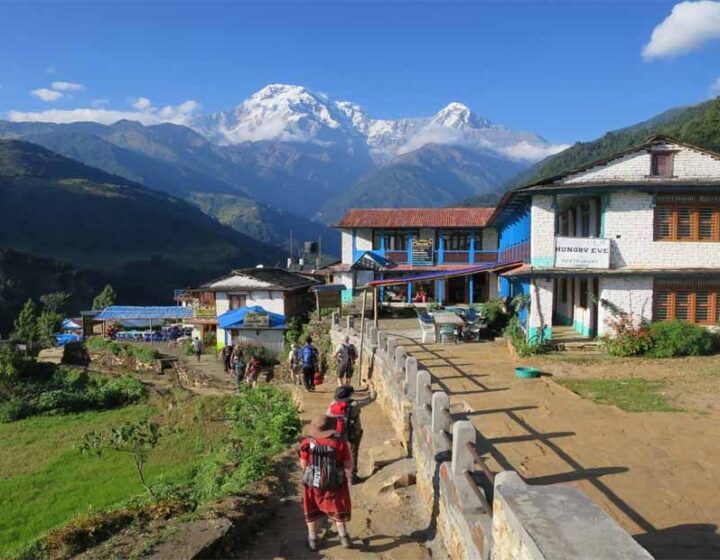
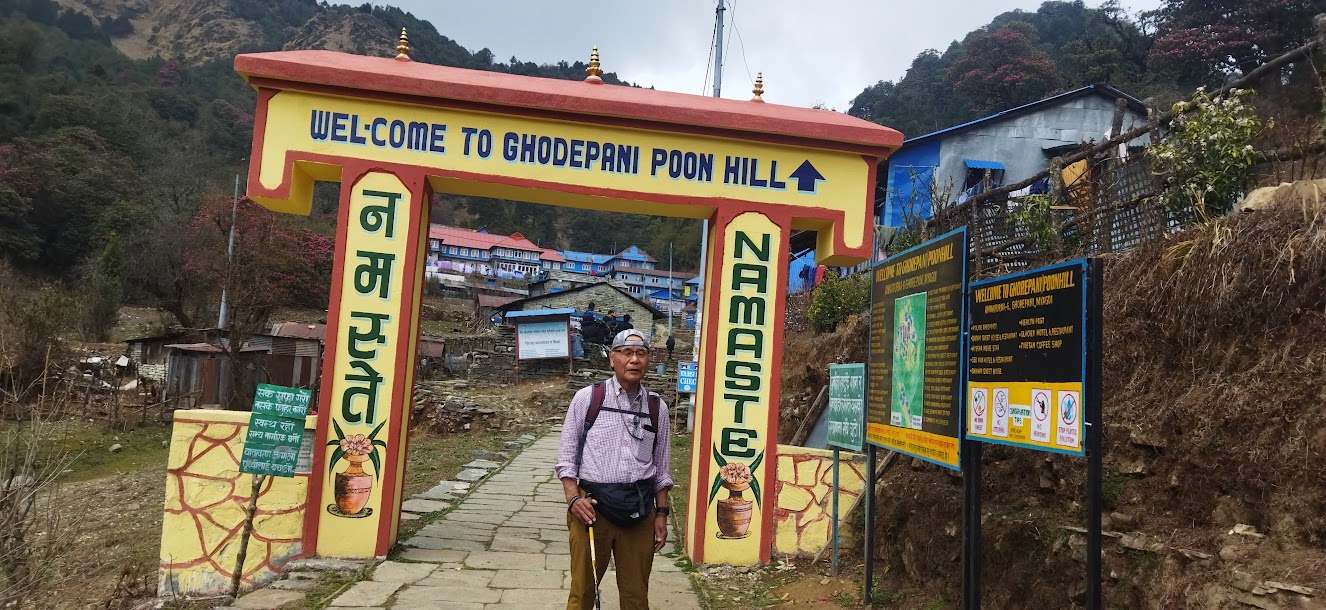
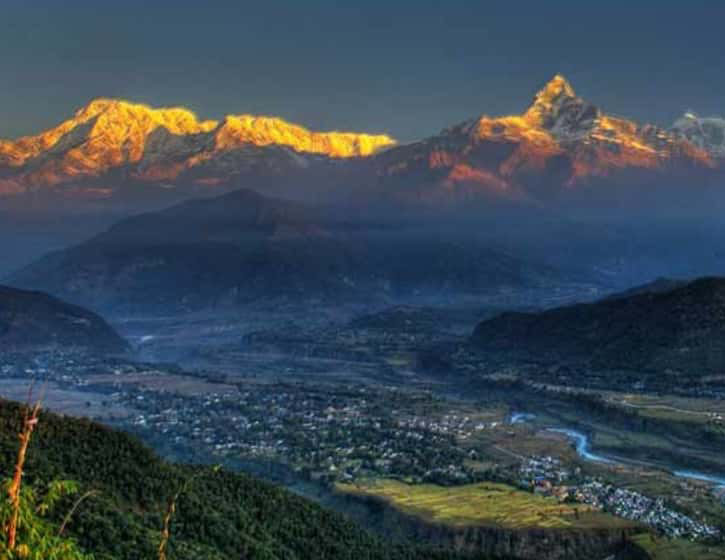
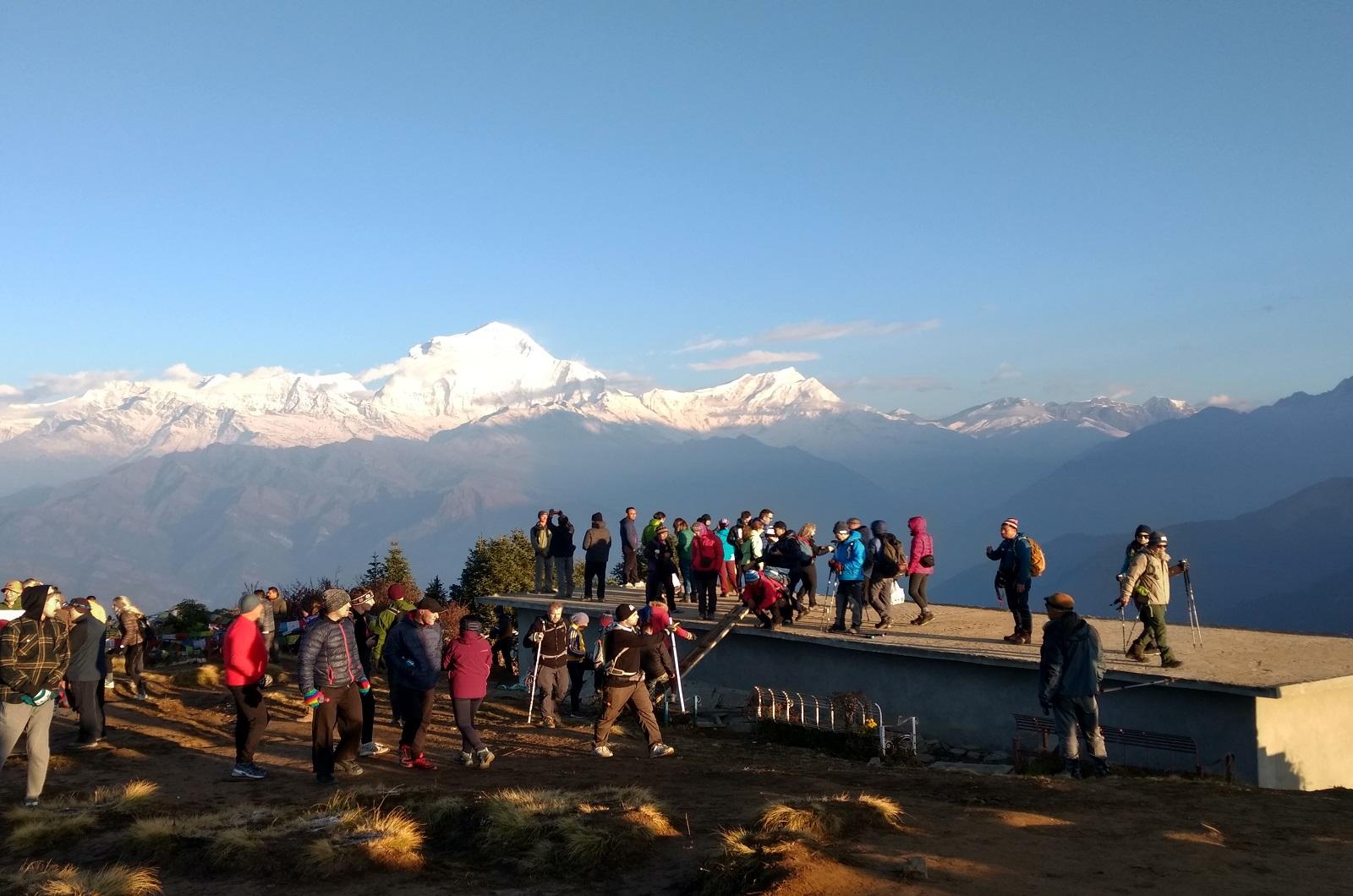
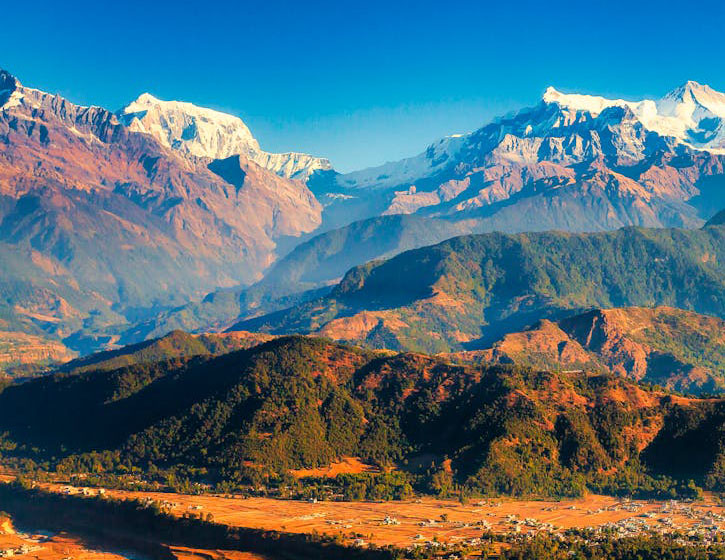
This trek unfolds as a circuit through the Annapurna Conservation Area, weaving together the historic Gurung and Magar villages of Ghorepani and Ghandruk. It is famed for the spellbinding Poon Hill viewpoint at 3,210 meters, where dawn reveals an unforgettable vista of Annapurna South, Hiunchuli, Machapuchare (Fishtail), Dhaulagiri, and a vast sweep of the Himalayan horizon. The trek is characterized by stone-paved steps, rhododendron-filled woodlands, and timeless settlements that retain their heritage charm. Beyond the landscapes, the journey offers a tapestry of cultural traditions, ancient farming practices, and warm hospitality that make it more than just a scenic hike—it is a living cultural experience.
Location
The Ghorepani–Ghandruk Trekking route lies in the Annapurna Region of central Nepal, within the Gandaki Province. It is part of the Annapurna Conservation Area Project (ACAP), a protected ecological zone that spans from lush subtropical valleys to high alpine terrain. The trek is positioned west of Pokhara, a serene lakeside city that acts as the primary gateway. The trail meanders through the foothills of the Annapurna range, traversing the Myagdi and Kaski districts. Geographically, this area enjoys a unique vantage point: it sits close enough to the towering snow giants for spectacular views, yet low enough in altitude to remain accessible most of the year.
How to Reach the Starting Point
The adventure traditionally begins in Pokhara, Nepal’s beloved tourist hub. Reaching Pokhara from Kathmandu can be done via a short 25–30 minute domestic flight or a scenic 6–8 hour drive along the Prithvi Highway. From Pokhara, travelers typically drive to Nayapul or Hile, which serve as the common trailheads. The drive to Nayapul takes about 1.5 to 2 hours, passing through fertile valleys and small roadside communities. Some itineraries begin in Tikhedhunga or Ulleri, depending on time and preference. Local jeeps or private vehicles are available for transfer, and the journey to the start point offers glimpses of Nepal’s rural life before the trek even begins.
People and Culture
The Ghorepani–Ghandruk area is predominantly inhabited by the Gurung and Magar ethnic groups, each with their own languages, customs, and rich oral traditions. The Gurungs, especially in Ghandruk, are known for their distinctive stone houses, neatly terraced farmlands, and military legacy as famed Gurkha soldiers. The Magars of Ghorepani carry a strong cultural identity expressed through colorful festivals, folk dances, and traditional attire. Daily life revolves around agriculture, livestock rearing, and tourism-related activities. Visitors are often greeted with genuine warmth, and cultural exchanges are enriched by homestay visits, traditional meals, and participation in seasonal celebrations.
Accommodation Options
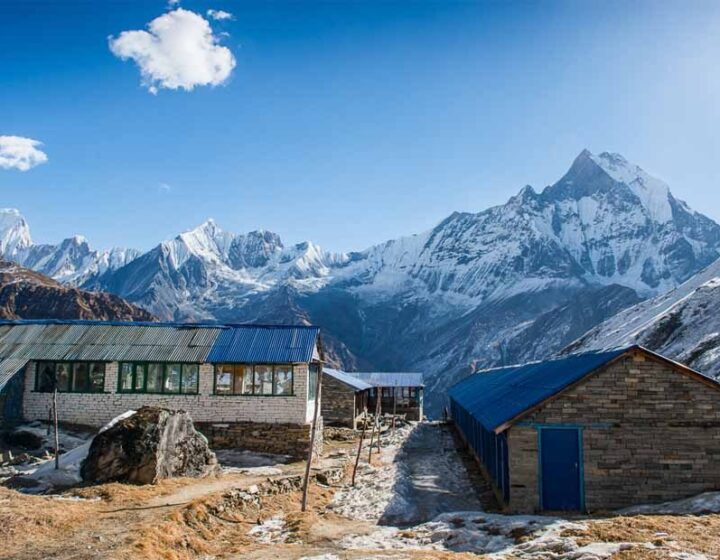
The Ghorepani–Ghandruk trekking route offers teahouse-style lodging, where trekkers can enjoy simple yet cozy rooms, typically with twin beds, clean blankets, and shared facilities. In larger villages like Ghorepani and Ghandruk, more comfortable lodges provide private rooms with attached bathrooms, solar-heated showers, and dining halls offering a variety of local and international meals. The charm lies in the hospitality of the owners, who often share stories by the fireplace. Accommodations are basic compared to city hotels but well-maintained. Their authentic atmosphere enhances the trekking experience. It is advisable to book in advance during peak seasons, such as spring (March–May) and autumn (September–November)
Religious Heritage
The region reflects a deep connection to both Buddhism and Hinduism, often blending traditions seamlessly. Prayer flags flutter across ridges, chortens (Buddhist shrines) stand beside the trail, and mani walls inscribed with sacred mantras line the pathways. Many Gurung and Magar families follow Buddhist beliefs, incorporating Tibetan Buddhist practices such as lighting butter lamps in monasteries
Education and modern amenities have gradually reached the villages, but traditional crafts, music, and dance still hold an important place in daily life. Trekking visitors often witness women weaving wool, men tending to fields, and children walking to school along stone staircases carved into the hillsides
Flora and Fauna
The Ghorepani–Ghandruk route lies in a biologically diverse zone, particularly within the Annapurna Conservation Area. To begin with, the forests are home to rhododendron, oak, and maple trees, which bloom vibrantly in spring. In addition, wildlife sightings can include Himalayan langurs, musk deer, and various species of pheasants, including Nepal’s national bird, the colorful danphe (Himalayan monal). Moreover, birdwatchers often spot sunbirds, warblers, and other highland birds along the way. As the journey progresses, the flora changes dramatically with altitude: for example, subtropical vegetation near the lower villages gradually gives way to dense temperate forests as the trail ascends toward Ghorepani.
Vegetation Zones
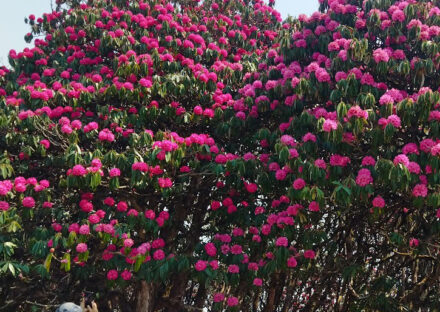
The trek traverses multiple vegetation belts, each with its own character. Lower altitudes feature subtropical forests with bamboo groves, banana plants, and ferns thriving in the humid climate. In the mid-altitude zones, mixed hardwood forests, particularly oak and maple, dominate the landscape. Moreover, rhododendrons line these woodlands. In spring, they blanket the hills in bright shades of red, pink, and white. As the trail climbs higher, the scenery slowly changes. Near Poon Hill, pine and fir forests dominate the landscape. Gradually, these dense woods open into wide grasslands. Hardy alpine shrubs spread across the slopes. This mix of habitats enhances the area’s natural beauty. It also supports a wide variety of wildlife. As a result, the region is both visually striking and ecologically important.
Atmosphere of the Region
The atmosphere along the Ghorepani–Ghandruk circuit blends serenity with vibrancy. Mornings often begin with crisp, cool air and soft light spilling over snow-clad peaks. As the day progresses, warm sunshine filters through forests, while distant mountain vistas create a sense of grandeur. Evenings bring cooler temperatures, the scent of woodsmoke, and a star-studded sky unspoiled by urban lights. The mood in the villages is friendly and inviting, with the constant hum of daily life—children playing, animals grazing, and the rhythmic pounding of grain—adding a sense of connection to the land.
Most Popular Short Trek in the Annapurna Region
Situated in the renowned Annapurna Region,Annapurna Base camp trek , the Ghorepani–Ghandruk Trek is one of Nepal’s most popular short trekking routes. The trek requires only a short time commitment. However, it still delivers stunning mountain scenery and rich cultural encounters. For this reason, it remains a top choice for travelers with limited holiday time. Moreover, easy access, well-maintained trails, and diverse landscapes add to its strong appeal. Many trekkers see the Ghorepani–Ghandruk Trek as an ideal introduction to Himalayan trekking. Others return again to enjoy its familiar charm. As a result, this classic route is widely recognized as one of Nepal’s most rewarding short treks.
Scenic Diversity and Natural Beauty
As the Ghorepani–Ghandruk Trek ascends through the middle hills, dense rhododendron and oak forests gradually open into wide grasslands dotted with hardy alpine shrubs. This ecological diversity enhances the visual appeal of the journey while also supporting a variety of birdlife and wildlife. Therefore, the landscapes encountered along the trek are not only breathtaking but also environmentally significant, attracting nature lovers as well as casual trekkers.
Cultural Appeal and Lasting Popularity
Over time, the popularity of the Ghorepani–Ghandruk Trek has grown through word of mouth and iconic images of the famous Poon Hill sunrise. As a result, the route has become a must-do trek for first-time visitors. It is also a favorite return journey for experienced trekkers. Whether enjoyed as a short Himalayan escape or a cultural exploration, the Ghorepani–Ghandruk Trek continues to stand out. It remains one of the most rewarding walks in the Annapurna region.
Popular Trekking Routes in the Annapurna Region
One of the most popular long-distance trekking routes in the Annapurna region is the Annapurna Circuit Trek. Ghorepani Gandruk, Annapurna base camp via Ghore pani poon hill Renowned for its dramatic landscape variation, it leads trekkers from lush subtropical valleys to arid trans-Himalayan terrain. The major highlight is crossing Thorong La Pass (5,416 meters), Mardi Base camp which offers breathtaking views of the Annapurna and Dhaulagiri ranges. Along the way, trekkers encounter Gurung, Thakali, and Manangi communities, explore ancient monasteries, and experience constantly changing scenery. As a result, the Annapurna Circuit remains a classic and deeply rewarding Himalayan adventure.
The Himalayan Realms Treks and Expedition Nepal Pvt. Ltd.
For those seeking a professionally guided and well-organized journey, The Himalayan Realms Treks and Expedition Pvt. Ltd. is a trusted choice. The team brings decades of combined experience in Himalayan trekking and expeditions. It offers personalized itineraries and knowledgeable local guides. Strong attention is given to safety and cultural respect. Travelers benefit from deep regional insight and responsible tourism practices. The team is passionate about connecting visitors with Nepal’s landscapes and traditions. As a result, every trek becomes more than a walk in the mountains. It turns into a memorable cultural journey.
Conclusion
The Ghorepani–Ghandruk Trek is more than a physical journey through the Annapurna foothills. It is also a sensory and emotional exploration of Nepal’s mountain heritage. Trekkers witness a kaleidoscope of rhododendron blossoms and the golden sunrise over Poon Hill. They enjoy the hearty laughter of their Gurung hosts. From there, the serene chanting of Buddhist prayers adds to the sense of authenticity. Furthermore, the route’s accessibility, cultural depth, and scenic grandeur make it a true gem in Nepal’s trekking crown. In addition, whether travelers seek adventure, tranquility, or cultural discovery, this trek consistently delivers an unforgettable experience. Ultimately, it appeals to a wide range of trekkers, ensuring lasting memories for all who journey along its paths…The Himalayan Realms Treks and Expedition Nepal Pvt. Ltd. expertly guides travelers on journeys that capture the soul of the Himalayas—rich in color, culture, and meaningful connections.
Itinerary
From Pokhara (approx. 822 m / 2,697 ft), an early morning jeep ride—starting around 7:00 AM—takes you to Tirkhedhunga (approx. 1,540 m / 5,052 ft) in about 3–4 hours. After a short rest, you trek uphill to Ulleri (approx. 2,050 m / 6,726 ft), which usually takes 2–3 hours via a steep stone staircase of over 3,000 steps. Along the way, you pass terraced farmlands, cascading waterfalls, small Magar villages, and lush forests. Clear days offer distant views of Annapurna South and Hiunchuli. The climb is challenging but rewards you with vibrant local culture, fresh mountain air, and a sense of accomplishment on reaching Ulleri.
From Ulleri (approx. 2,050 m / 6,726 ft), the trek to Ghorepani (approx. 2,874 m / 9,429 ft) begins around 7:00 AM and usually takes 4–5 hours at a steady pace. The trail gradually ascends through lush rhododendron and oak forests, alive with birdsong, especially in spring when the hills burst into red and pink blooms. You pass through small settlements like Banthanti and Nangethanti, where trekkers often stop for tea or lunch. The path offers occasional glimpses of Annapurna South and Machapuchare. Upon reaching Ghorepani, you are greeted with cool mountain air, panoramic views, and a welcoming atmosphere in this popular trekking village.
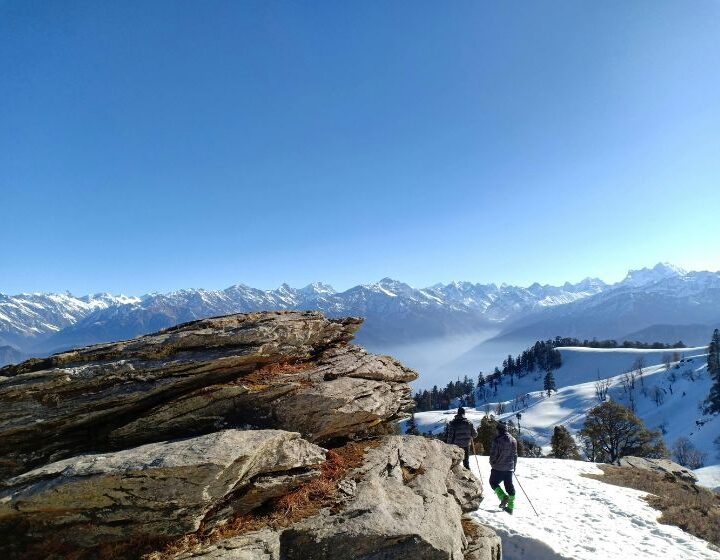
Early morning, around 4:30 AM, you hike from Ghorepani (2,874 m / 9,429 ft) to Poon Hill (3,210 m / 10,531 ft), a 45–60 minute climb. Here, you witness a breathtaking sunrise over Annapurna, Dhaulagiri, Machapuchare, and surrounding peaks. After enjoying the views and taking photos, you return to your Ghorepani hotel for breakfast. The trek to Tadapani (2,630 m / 8,628 ft) takes about 5–6 hours, passing through dense rhododendron and oak forests, with possible sightings of langur monkeys and colorful birds. Along the route via Deurali and Banthanti, you enjoy ever-changing Himalayan vistas before reaching Tadapani, a quiet village offering stunning views of Annapurna South and Machapuchare.
The day begins around 7:00 AM in Tadapani (2,630 m / 8,628 ft) after breakfast. The trek to Ghandruk (1,940 m / 6,364 ft) takes about 3–4 hours, mostly downhill through dense rhododendron and oak forests. Along the way, you enjoy stunning views of Annapurna South, Hiunchuli, and Machapuchare, as well as the chance to see birds, monkeys, and traditional Gurung houses. Reaching Ghandruk by late morning, you can explore the Gurung Museum and village lanes, capturing the rich culture and mountain backdrop. After lunch, a 3–4 hour jeep drive takes you back to Pokhara (915 m / 3,002 ft), passing scenic hills, rivers, and terraced fields, arriving by mid to late afternoon, completing your memorable trek.
Traveling from Pokhara (915 m / 3,002 ft) to Kathmandu (1,400 m / 4,593 ft) can be done either by road or air. By tourist bus or private vehicle, the journey takes about 6–8 hours, following the scenic Prithvi Highway along the Trishuli River, with views of hills, valleys, and rural villages. Road travel allows you to enjoy the changing landscapes but can be affected by traffic or weather. Alternatively, a domestic flight takes only 25–30 minutes, offering breathtaking aerial views of the Himalayas, green hills, and winding rivers. Flights are faster and more comfortable, ideal for those with limited time, while road travel suits travelers who enjoy a leisurely journey and scenic countryside experiences before arriving in Nepal’s capital city.
On your final day in Nepal, after breakfast or at your scheduled time, our team will transfer you from your hotel to Tribhuvan International Airport (TIA) in Kathmandu. The drive usually takes 30–45 minutes, depending on traffic, so we ensure an early departure to avoid delays. As you leave the bustling streets of the city behind, you can reflect on your journey, the towering mountains, rich culture, and warm hospitality you experienced. At the airport, our staff will assist with luggage and bid you a warm farewell. We thank you for choosing The Himalayan Realms Treks and Expedition Nepal Pvt. Ltd. for your adventure and hope to welcome you back for another memorable Himalayan journey. See you again – Namaste!
Included
- Transfers Pokhara hotel to Tirkhedhunga
- Conservation permit. and TIMS permig
- Accommodation in the tea house during the trek.
- Food, Tea/coffee during trek.
- Guide: – including salary, insurance, equipment, flight, food and lodging.
- Porter: – including salary, insurance, equipment, food and lodging.
- For guest: -Down jacket, Good sleeping bag (down jacket and sleeping bag are to be returned after trip completion).
- Transfers Pokhara hotel to Tirkhedhunga
- Transfer from Ghandruk to Pokhara
- All government and local taxes.
- Final departure from hotel to international airport transfer.
Not Included
- Food in Kathmandu ( Lunch & Dinner). Kathmanmdu and Pokhara.
- Bakery food during the trek.
- Nepal Visa fee.
- International airfare.
- Extra night accommodation in Kathmandu.
- Sightseeing sport fees. tours guide cost and vechicle cost
- Travel and rescue insurance if guest get mountain sickness and need to rescue helicopter.
- Personal expenses example (phone calls, laundry service , bar bills, battery recharge, WIFI charge, extra porters, bottle water or boiled water, shower etc.)
- Tips for guide and porters
Join Us Upcoming Trips
Book this trip with us. Here are the upcoming dates. Feel free to share this trip with your friends and family. For custom trips or general inquiries contact us.
| Departure Date | Trip Duration | Price | Status | |
|---|---|---|---|---|
| 02 March, 2026 | 4-days | USD $990 | Fixed departure | |
| 15 March, 2026 | 4-days | USD $990 | Fixed departure | |
| 20 March, 2026 | 4-days | USD $990 | Fixed departure | |
| 05 April, 2026 | 4-days | USD $990 | Fixed departure | |
| 13 April, 2026 | 4-days | USD $990 | Fixed departure | |
| 25 April, 2026 | 4-days | USD $990 | Fixed departure | |
| 01 May, 2026 | 4-days | USD $990 | Fixed departure | |
| 15 May, 2026 | 4-days | USD $990 | Fixed departure | |
| 21 May, 2026 | 4-days | USD $990 | Fixed departure | |
| 28 May, 2026 | 4-days | USD $990 | Fixed departure | |
| 02 September, 2026 | 4-days | USD $990 | Fixed departure | |
| 12 September, 2026 | 4-days | USD $990 | Fixed departure | |
| 21 September, 2026 | 4-days | USD $990 | Fixed departure | |
| 29 September, 2026 | 4-days | USD $990 | Fixed departure | |
| 05 October, 2026 | 4-days | USD $990 | Fixed departure | |
| 18 October, 2026 | 4-days | USD $990 | Fixed departure | |
| 25 October, 2026 | 4-days | USD $990 | Fixed departure | |
| 04 November, 2026 | 4-days | USD $990 | Fixed departure | |
| 13 November, 2026 | 4-days | USD $990 | Fixed departure | |
| 23 November, 2026 | 4-days | USD $990 | Fixed departure | |
| 02 December, 2026 | 4-days | USD $990 | Fixed departure | |
| 10 December, 2026 | 4-days | USD $990 | Fixed departure | |
| 15 December, 2026 | 4-days | USD $990 | Fixed departure | |
| 25 December, 2026 | 4-days | USD $990 | Fixed departure |
Useful Info
[caption id="attachment_3911" align="alignnone" width="725"]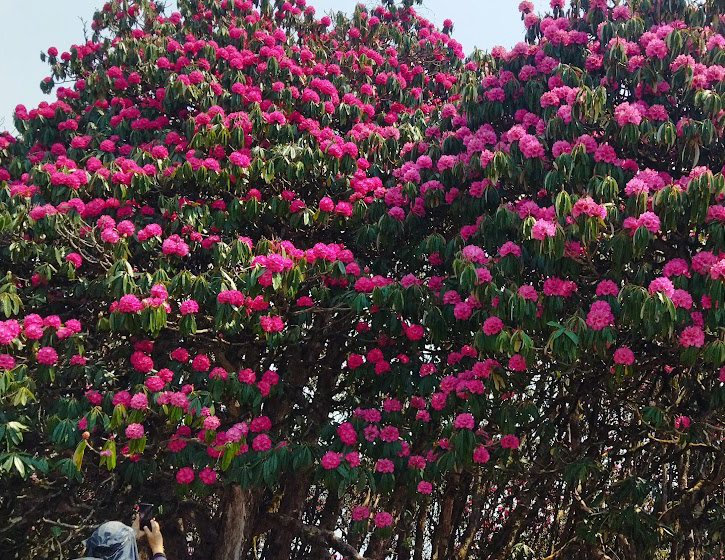 Rhododendron flowers[/caption]
Trek Overview
Duration: 4 days
Region: Annapurna Foothills, Nepal
Difficulty Level: Easy to Moderate
Best Season:
Autumn (Sept–Nov): Clear skies, pleasant weather. Spring (Mar–May): Blooming rhododendrons, mild temperatures. Avoid monsoon (Jun–Aug) due to heavy rainfall and slippery trails
Starting Point
Pokhara: Most trekkers start from Pokhara. Transportation: 3–4 hours’ drive via tourist bus or private car to Syauli Bazaar/Nayapul. Altitude of Starting Point: ~1,070 m (Nayapul)
Ending Point
Ghandruk: Picturesque Gurung village. Return to Pokhara: 2–3 hours by jeep or local bus
Trek Itinerary (Quick Overview)
Day 1: Pokhara → Nayapul → Tikhedhunga/Ulleri (~5–6 hours)
Day 2: Ulleri → Ghorepani (~5–6 hours)
Day 3: Sunrise at Poon Hill → Ghorepani → Tadapani (~5 hours)
Day 4: Tadapani → Ghandruk → Drive to Pokhara (~4–5 hours)
Altitude Summary
Lowest: Nayapul – 1,070 m
Highest: Poon Hill – 3,210 m
Moderate Trek: Altitude sickness is rare but stay hydrated
Accommodation
Teahouses/lodges along the route. Basic facilities: bed, meals, hot showers (available at additional cost), and Wi-Fi available in some teahouses (mostly Ghorepani and Ghandruk)
Food & Drinks
Typical menu: Dal Bhat (rice & lentils), noodles, soup, eggs, tea/coffee. Carry personal snacks: nuts, chocolate, and energy bars. Bottled water recommended or use water purification tablets
Packing Essentials
Trekking shoes (sturdy & waterproof). Warm layers (fleece/jacket) for early mornings & Poon Hill sunrise. Rain jacket / poncho. Hat, gloves, sunglasses/trekking poles (optional but helpful for steep steps). Personal medications & first aid kit
Safety & Health
Basic health facilities in Ghorepani and Ghandruk. Mobile network coverage: intermittent (mostly Ncell in villages). Travel insurance recommended, and a trekking guide recommended for first-timers
Cultural Tips
Respect Gurung traditions and customs. Photography: always ask permission before photographing locals. Donations to local schools/monasteries appreciated
Highlights
Sunrise at Poon Hill with panoramic views of Annapurna, Dhaulagiri, and Machhapuchhre. Terraced farmlands, rhododendron forests. Gurung village experience at Ghandruk. Short yet immersive Himalayan trekking experience
Download pdf brochure
FAQs
-
What is the Ghorepani–Ghandruk Trek?
The Ghorepani–Ghandruk Trek is a short and scenic trek in the Annapurna region of Nepal. It takes you through rhododendron forests, traditional Gurung and Magar villages, and offers breathtaking Himalayan views, including Annapurna South, Machapuchare (Fishtail), Dhaulagiri, and Hiunchuli. It is especially famous for the sunrise view from Poon Hill.
-
How long does the trek take?
The trek usually takes 5–7 days, depending on your itinerary and pace. It can be customized to fit shorter or slightly longer schedules.
-
How difficult is the Ghorepani–Ghandruk Trek?
It is considered a moderate trek. The trails include many stone steps and uphill climbs, particularly to Ulleri and Ghorepani, but no technical climbing is required. Anyone with average fitness and determination can complete it.
-
What is the maximum altitude?
5. What is the maximum altitude? The highest point of the trek is Poon Hill (3,210 meters / 10,531 feet), a panoramic viewpoint for sunrise over the Himalayas.
-
Do I need permits for this trek?
Yes, two permits are required: Annapurna Conservation Area Permit (ACAP) TIMS Card (Trekkers’ Information Management System) Both can be arranged in Kathmandu or Pokhara.
-
What kind of accommodation is available?
You will stay in teahouses (lodges) run by local families. Rooms are simple, usually with twin beds, blankets, and shared bathrooms. Most lodges also serve meals and hot drinks. Wi-Fi and hot showers are available in some places at extra cost.
-
What food can I expect on the trek?
The lodges serve a variety of meals: traditional Dal Bhat (rice, lentils, vegetables, curry), noodles, pasta, soups, bread, eggs, and pancakes. Vegetarian options are widely available.
-
How do I get to the starting point of the trek?
The trek usually starts after a drive from Pokhara (Nayapul or Hile). From Kathmandu, you can reach Pokhara by flight (25 minutes) or tourist bus (6–7 hours).
-
What should I pack?
Essentials include: Trekking shoes/boots Warm clothes (layers, fleece, down jacket) Rain jacket (seasonal) Trekking poles (helpful for steps) Sleeping bag (optional, lodges provide blankets) Water purification tablets or bottle Sunscreen, sunglasses, hat Personal toiletries and medicine
-
s there internet and electricity on the trek?
Yes, most teahouses offer Wi-Fi and charging facilities for a small fee. However, connectivity can be slow and patchy at times.
-
Can I combine this trek with others?
Yes, the Ghorepani–Ghandruk trek can be combined with: Annapurna Base Camp (ABC) Trek Mardi Himal Trek Annapurna Circuit (short version)
-
Is travel insurance required?
It is highly recommended to have travel insurance covering trekking in Nepal, including emergency helicopter evacuation.
-
Why choose The Himalayan Realms Treks and Expedition Nepal Pvt. Ltd. for this trek?
Our company offers experienced guides, personalized itineraries, reliable service, and genuine cultural immersion. With decades of expertise, we ensure safety, comfort, and authentic experiences in the Annapurna region.