

Overview: Tilicho Lake
Introduction
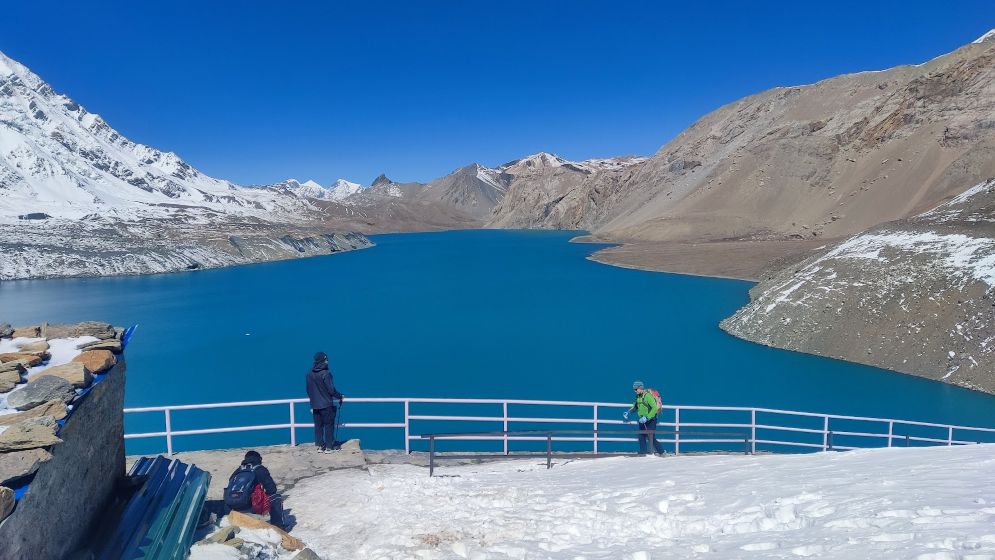
Perched high in the snow-capped folds of the Annapurna range, Tilicho Lake is a natural marvel that captures the imagination of travelers, adventurers, and spiritual seekers alike. With its turquoise waters reflecting the lofty Himalayan summits, the lake is a fusion of natural splendor and sacred meaning. Often called one of the world’s highest glacial lakes, Tilicho sits at an impressive elevation of 4,919 meters (16,138 feet), making it both a geographic marvel and a sacred destination.
For Nepali and international explorers alike, this remote alpine lake ranks as a bucket-list expedition. It offers a unique blend of raw wilderness, cultural immersion, and spiritual energy. Whether you are a seasoned trekker, nature photographer, or solo wanderer, Tilicho Lake promises a transformative journey deep into the heart of the Himalayas.
About Tilicho Lake
Tilicho Lake was formed by melting glaciers from the Annapurna and Tilicho mountains. Locals know it as “Tilicho Taal.” This high mountain lake stretches over 4 kilometers and sits among icy cliffs, rocky slopes, and wind-shaped ridges.
What makes Tilicho Lake special isn’t just its height but also its deep cultural and natural value. Old Hindu writings, especially the Ramayana, mention this place as a spot where wise sages once meditated. The lake feeds into the Marshyangdi River and stays frozen for much of the year, turning into a mirror of ice that reflects the beauty of nearby peaks like Tilicho Peak (7,134 meters) and Nilgiri Himal.
Location of Tilicho Lake
Tilicho Lake is nestled in Manang District, in the north-central region of Nepal. It lies northwest of Pokhara and within the Annapurna Conservation Area Project (ACAP), the largest protected area in the country. This region is geologically dynamic and culturally diverse, making it one of the most attractive trekking corridors in the Himalayas.
The lake resides off the main Annapurna Circuit, requiring a side trip of several days from the primary trekking trail. The route to Tilicho detours from Manang village, ascending through Khangsar, Shree Kharka, and Tilicho Base Camp before reaching the lake.
How to Reach Tilicho Lake
Accessing Tilicho Lake is both rewarding and demanding. Most journeys commence from Besisahar, which is reachable by road from Kathmandu or Pokhara. From Besisahar, one usually follows the Annapurna Circuit Trail on foot or by local jeep until reaching Manang.
From Manang, trekkers typically spend a night in Khangsar village before progressing to Tilicho Base Camp. The final ascent to the lake involves a steep climb, narrow ridges, and often snow-covered paths. Trekkers are advised to acclimatize properly, as the elevation can result in altitude-related discomfort. The hike from Base Camp to the lake and back takes roughly 6–8 hours, depending on fitness and weather.
The lake can also be visited via alternative trails like the Nar Phu Valley or Mesokanto La Pass, although these are less frequented and require technical preparation and local guidance.
The People of the Region
The surrounding settlements of the Tilicho region are home to ethnic communities such as the Gurung, Thakali, and Manangi people. These groups have Tibeto-Burman roots and have inhabited this rugged terrain for centuries.
Locals are known for their hospitality, resilience, and deeply spiritual worldview. Most follow a mixture of Tibetan Buddhism, Bon traditions, and Hindu customs, often harmonizing the three in daily rituals. Their languages, attire, and architecture reflect a strong connection with Tibetan culture and high-altitude adaptability.
Visitors often find themselves welcomed with buttered tea, hearty meals, and warm lodges, where stories of snow leopards, mountain deities, and ancestral migration still live.
Types of Accommodation Available
Accommodations along the Tilicho route vary from modest teahouses to well-kept lodges. In Manang and Khangsar, trekkers can find comfortable guesthouses with basic amenities, including warm meals, hot showers, and blanket-stacked beds.
As one nears Tilicho Base Camp, the options become more spartan, with facilities often consisting of stone-and-wood structures or sheet-metal huts. During peak trekking seasons (March–May and September–November), early bookings are advisable.
Camping is also possible, especially for private expeditions or those taking offbeat routes. Porters and guides usually assist in setting up tents and cooking food.
Religious and Spiritual Significance
Tilicho Lake holds a revered position in the spiritual consciousness of many Nepalese and Indians. According to legend, the ancient Sanskrit epic Ramayana mentions that sage Vasistha meditated nearby. Pilgrims consider the lake a symbol of purity and divine energy, and they perform several rituals along its banks during auspicious times.
Hindus, Buddhists, and Bon practitioners alike consider Tilicho a sacrosanct site. Some believe that the lake was the ancient Kundalini center, a source of energy awakening. Tibetan monks occasionally perform prayer ceremonies near its frozen shores, turning the otherwise silent wilderness into a celestial chamber of chants and mantras.
Lifestyle and Livelihood
The lifestyle of people inhabiting the Tilicho region is inherently sustainable and harmonious with nature. Agriculture, animal husbandry, and tourism form the core of their livelihood. Crops like barley, potatoes, and buckwheat are cultivated during the short growing season, while yaks, sheep, and goats are raised for milk, wool, and meat.
In winter, many locals migrate to lower altitudes, leaving behind their highland homes to avoid the harsh cold. Their houses are constructed from local stone and timber, built to endure snowfall and wind. Solar energy, wood-burning stoves, and shared community spaces reflect a self-sufficient and communal existence.
Flora and Fauna
The Tilicho region’s biodiversity is a remarkable fusion of alpine and sub-alpine ecosystems. Wildlife is both elusive and enchanting. Among the species found here are:, Himalayan blue sheep (Bharal), Snow leopards (very rare but reported), Marmots, Himalayan tahr. Red foxes, Pikas, Birdlife includes the Himalayan monal (Danphe), bearded vulture (lammergeier), and Tibetan snowcock., Such wildlife sightings offer both wonder and a reminder of the fragile ecological balance at these elevations.
Vegetation and Plant Life
The lower sections of the trail are covered in pine forests, juniper bushes, and rhododendron groves, which bloom spectacularly in spring. As one ascends, the flora shifts to alpine grasses, lichen, and mosses clinging to rocky surfaces.
In Tilicho Base Camp and beyond, vegetation becomes scarce. Here, only hardy plants like edelweiss, dwarf willows, and stonecrop succulents survive. These flora have adapted to extreme cold, UV exposure, and minimal soil.
This biological transition from green valleys to barren scree slopes adds layers of contrast and beauty to the trek.
Atmosphere and Surroundings
The ambiance around Tilicho Lake is one of sacred silence. Surrounded by towering granite walls and windswept passes, the atmosphere feels ethereal and timeless. Wind howls through the ravines, and the reflection of snow peaks on the lake’s surface adds a surreal dimension to the landscape.
Mornings are often crisp and clear, offering panoramic views of Tilicho Peak, Gangapurna, and Annapurna II. As the day progresses, clouds may gather, enhancing the dramatic character of the lake. This environment inspires introspection and awe, prompting many visitors to pause, reflect, and reconnect with both nature and themselves.
A Gem in Nepal’s Most Popular Trekking Region
The Annapurna region, where Tilicho Lake resides, is arguably Nepal’s most sought-after trekking destination. It features world-famous trails like the Annapurna Circuit, Annapurna Base Camp Trek, Mardi Himal Trek, and the Upper Mustang Journey.
What makes Tilicho special is its remoteness within this popular area. While many travelers follow the classic trails, those who venture to Tilicho enjoy solitude, serenity, and spiritual awakening. Moreover, this detour offers a unique chance to explore more deeply—both geographically and emotionally.
Trekkers can witness changing climates, cultures, and landscapes in just a few days’ walk. It is a miniature version of Nepal’s diversity and splendor compressed into a single alpine journey.
Company and Nepal Freelance Guide Services
Planning a trek to Tilicho Lake requires logistical coordination and mountain expertise. Himalayan Realms Treks blends global vision and local expertise to deliver safe, unforgettable journeys through the Annapurna region
In addition, many licensed and experienced freelance Nepali guides provide personalized experiences. Not only do these guides assist with navigation and safety, but they also offer cultural interpretation, arrange accommodation, and help with altitude management.
Moreover, engaging a professional trekking service ensures not only security but also a richer understanding of the land and its people. Furthermore, porters play a crucial role by carrying gear, which allows trekkers to focus fully on enjoying the journey.
Ultimately, whether you choose a comprehensive trekking company or hire an independent guide, the support you receive significantly enhances both your confidence and cultural interaction.
Conclusion
Tilicho Lake is more than just a high-altitude body of water—it is an epic destination carved by time, tradition, and nature. It offers a chance to step away from modern chaos and immerse in unfiltered beauty and spiritual depth.
With its stunning geography, sacred heritage, biodiverse ecosystems, and resilient communities, Tilicho encapsulates the spirit of the Nepalese Himalayas. The trail may call to you. The tranquility may calm your spirit. The wind’s whispers may spark your imagination. Together, they make this glacial jewel unforgettable. Choose skilled guides. Pack smart. Stay open. That’s how Tilicho becomes a life-changing journey.