

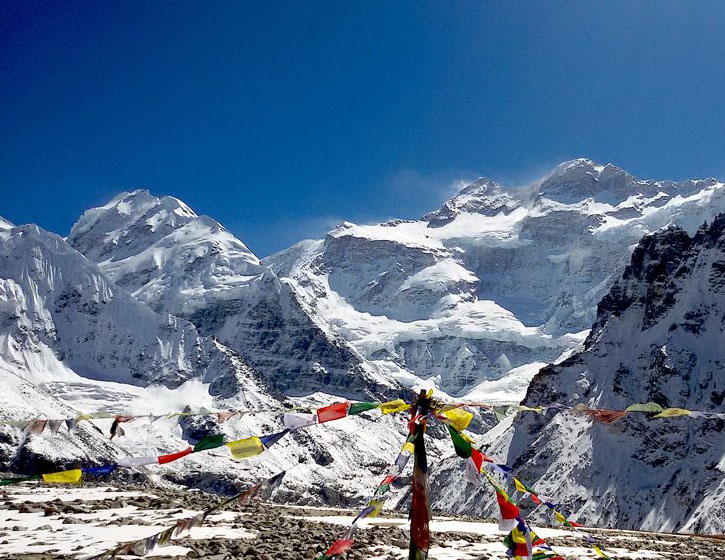
Overview: Kanchenjunga Region
Kanchenjunga Region: An Introduction
Kanchenjunga, in far eastern Nepal, is one of the most beautiful and least-visited trekking areas in the Himalayas. It is named after Kanchenjunga (8,586 meters), the third-highest mountain in the world. This special area offers a mix of high snowy peaks, clean natural scenery, and diverse local cultures. Loved by climbers, nature lovers, and those seeking peace, the Kanchenjunga area feels wild and untouched. It gives travelers a true and deep Himalayan adventure far from busy tourist routes.
About the Kanchenjunga Region
The Kanchenjunga massif forms part of the majestic Himalayan mountain range and spans the borders between Nepal, India, and Bhutan. However, the Nepalese side offers some of the most spectacular vistas and challenging trekking routes. The area is recognized for its rugged terrain, deep valleys, dense forests, and expansive alpine meadows. It is also a biodiversity hotspot, protected under the Kanchenjunga Conservation Area, one of Nepal’s largest conservation zones.
This region provides trekkers a unique opportunity to traverse unspoiled wilderness trails, witness rare wildlife, and engage with remote ethnic communities whose lifestyles have remained largely traditional for centuries. The Kanchenjunga expedition is not only a journey through diverse natural beauty but also an immersion into a rich cultural tapestry.
Location and Access
Geographically, the Kanchenjunga region is situated in Nepal’s easternmost province, known as Province No. 1, encompassing parts of the Taplejung, Panchthar, and Terhathum districts. The gateway to this high-altitude realm is the town of Taplejung, which serves as the main logistical hub for trekkers and climbers.
To reach Kanchenjunga, most adventurers first fly into Nepal’s capital, Kathmandu. From there, a domestic flight to Biratnagar or Bhadrapur airport is taken, followed by a drive or local transportation eastward to Taplejung. Alternatively, some trekkers prefer a longer overland journey from Kathmandu or from the Indian side through the state of Sikkim. The trek usually commences from Suketar, a small airstrip near Taplejung, providing direct access to the trailhead.
The remoteness of Kanchenjunga means the routes are less crowded and the infrastructure more basic compared to other trekking circuits in Nepal. This isolation adds to the allure for those seeking solitude amid towering Himalayan giants.
The People of Kanchenjunga
The Kanchenjunga area is home to a mosaic of ethnic groups, each with distinctive customs, languages, and traditions. The predominant communities include the Limbu, Rai, Sherpa, and Lepcha peoples. These indigenous groups have inhabited the region for centuries, maintaining lifestyles that are closely interwoven with the natural environment.
The Limbus and Rais, renowned for their vibrant cultural heritage, perform elaborate dances, wear colorful traditional attire, and celebrate numerous festivals that honor the rhythms of nature and ancestral spirits. Their languages belong to the Kiranti family, which is unique to eastern Nepal.
Inhabitants of Kanchenjunga live in scattered villages nestled in mountain valleys and along terraced slopes. Their subsistence largely depends on agriculture, animal husbandry, and limited trade. Despite growing contact with the outside world, many local families in the Kanchenjunga region continue to uphold time-honored traditions. They rely on ancestral knowledge of herbal medicine, passed down through generations, and maintain deep spiritual connections to sacred sites scattered across the landscape. These enduring practices are not only a testament to cultural resilience but also a living link to the region’s rich heritage
Religious and Spiritual Significance
Kanchenjunga holds profound religious significance, particularly for the Sherpa and Tibetan Buddhist communities, as well as for animist and shamanic practitioners among the indigenous Kiranti groups. The mountain itself is considered sacred, often referred to as the “Five Treasures of Snow,” symbolizing five repositories of divine wealth in Tibetan Buddhism.
Monasteries and gompas (Buddhist temples) dot the region, serving as spiritual centers where monks chant prayers and conduct rituals. The area is also dotted with numerous chortens (stupas), mani walls inscribed with prayer stones, and sacred lakes, all of which reinforce the spiritual ambiance.
For the Kiranti people, shamanic traditions involving rituals to appease nature spirits and ancestral deities play a vital role in community life. These spiritual practices reflect a deep symbiosis between humans and the natural world.
Lifestyle and Traditions
Life in the Kanchenjunga region moves at a pace governed by the seasons and the rhythms of the mountains. The people follow an agrarian calendar, planting crops such as millet, maize, barley, and potatoes during the warmer months and harvesting before winter’s harsh onset.
Builders typically construct homes from stone, wood, and mud to withstand cold winters and heavy snowfall. They often slant the roofs and cover them with wooden shingles or slate. Many households keep livestock, including yaks, sheep, and goats, which provide wool, meat, and milk.
Social life revolves around family, festivals, and community gatherings. Events such as Chhewar, Udhauli-Ubhuali (seasonal festivals), and Losar (Tibetan New Year) bring villagers together in colorful celebrations featuring singing, dancing, and traditional feasts. These gatherings reinforce social bonds and preserve cultural heritage.
Flora and Fauna
The Kanchenjunga region is a sanctuary for an exceptional variety of plants and animals, many of which are rare or endangered. The altitude gradient, ranging from subtropical valleys to alpine zones, supports a broad spectrum of vegetation types.
Lush temperate forests dominate the landscape at lower elevations, featuring broadleaf species such as oaks, maples, rhododendrons, and magnolias. As one ascends, these forests gradually transition into dense coniferous zones filled with fir, spruce, and juniper trees. Eventually, at the highest altitudes, alpine meadows burst into bloom, showcasing colorful wildflowers during the brief summer season.
Moreover, the region teems with wildlife, though many species remain elusive. Notably, the Kanchenjunga Conservation Area provides a haven for several endangered animals, including the snow leopard, red panda, Himalayan black bear, musk deer, and Himalayan tahr. In addition, birdwatchers often spot vibrant species such as the blood pheasant, Himalayan monal, and various vultures and eagles soaring gracefully above the peaks.
Vegetation and Natural Environment
The varied vegetation in Kanchenjunga contributes to the region’s stunning natural panorama and ecological importance. Rhododendron forests are particularly spectacular, turning the hillsides brilliant red and pink during their blooming season in spring.
Medicinal plants also thrive here, with local communities traditionally harvesting herbs like yarsagumba (caterpillar fungus), juniper, and various roots and flowers for healing purposes. Conservation efforts strive to balance sustainable use with protection of these fragile resources.
The rivers and glacial streams crisscrossing the region provide vital water sources for both people and wildlife. The Kanchenjunga ecosystem is an intricate web where every species and habitat plays a critical role in maintaining environmental equilibrium.
The Atmosphere of Kanchenjunga
Visiting the Kanchenjunga region feels like entering a forgotten world where nature still holds dominion. The air is crisp and invigorating. It carries delicate scents of pine needles, damp earth, and blooming wildflowers. Every breath feels restorative, untouched by modern pollution. The silence is profound, offering a rare stillness. This calm breaks only with occasional bird chirps, distant mountain streams, or the soft crunch of boots on the trail.
A Realm of Natural Majesty
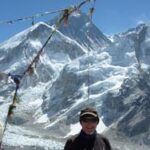
The sheer scale of Kanchenjunga’s snow-draped peaks stirs deep reverence in all who behold them. Towering cliffs rise dramatically from deep valleys, creating a landscape that is both commanding and graceful. Mist and clouds often weave through the ridgelines, crafting ever-shifting scenes of mystique. As the sun rises and sets, the mountains bathe in hues of pink, amber, and gold—casting long shadows that dance across glaciers and forests. These daily transformations remind travelers of nature’s quiet grandeur and the passage of time.
A Sanctuary for the Soul
More than just a visual spectacle, the atmosphere of Kanchenjunga deeply nurtures the soul. Indeed, many trekkers speak of a profound calm that permeates the region—an almost mystical serenity, as if the wind itself carries echoes of ancient wisdom. In this quiet expanse of the Himalayas, far removed from the noise of modern life, nature becomes a true sanctuary. It invites introspection and offers a rare chance to slow down and simply be. Whether you sit on a high ridge watching clouds drift over snow-covered peaks or lie beneath a sky full of stars, the feeling is the same. You experience a deep stillness, a sense of depth, and a renewed reverence for life itself.
Conclusion
The Kanchenjunga region remains one of Nepal’s most enigmatic and spectacular Himalayan frontiers. Kanchenjunga features sacred snow-capped peaks and dense forests. It is also home to warm-hearted indigenous communities. Together, they create an extraordinary blend of natural grandeur and cultural richness. Trekking here challenges the body and uplifts the spirit. It invites explorers into a world of timeless beauty and deep tranquility.
Whether you travel with well-organized tour companies or local freelance guides, journeys to Kanchenjunga offer thrilling adventure and profound discovery. They also create lasting memories of a strong connection to the majestic Himalayan landscape. For those wanting to leave the beaten path and see Nepal’s eastern wilderness in its purest form, Kanchenjunga is an unforgettable destination.