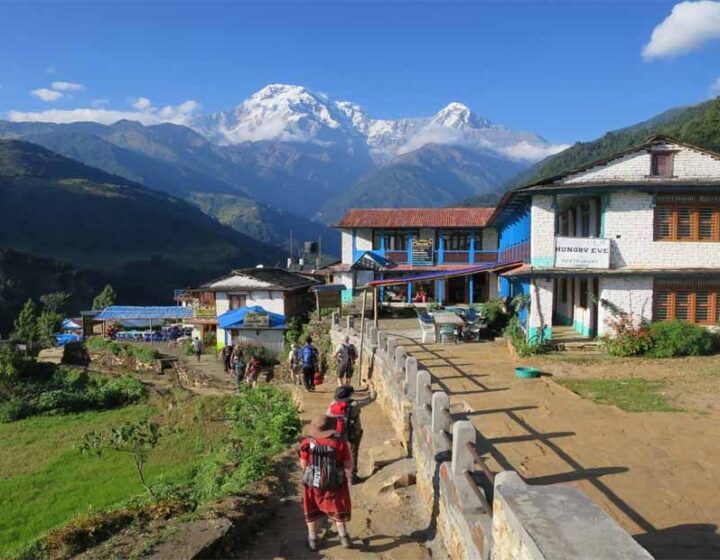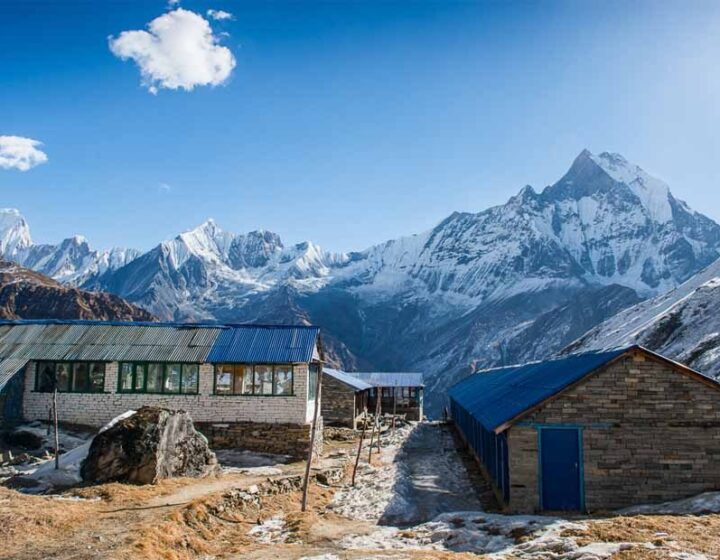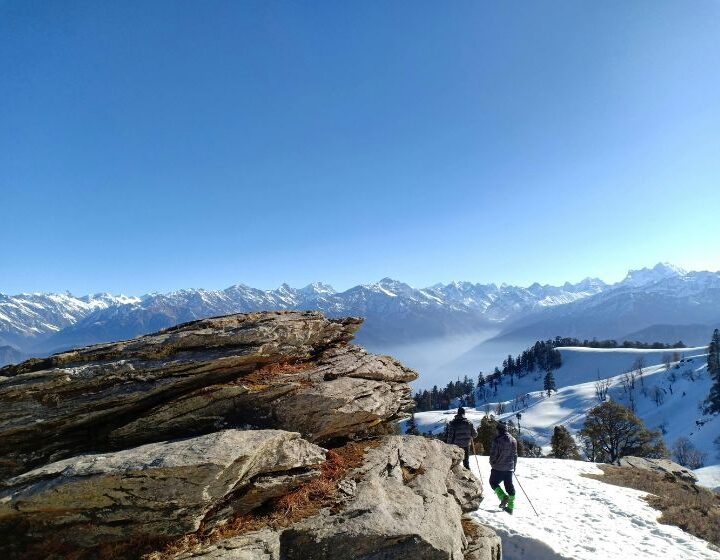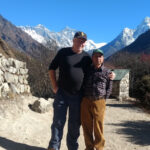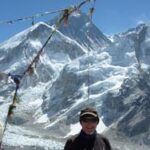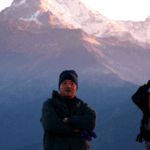


The Pikey Peak Trek stands out as a peaceful and unspoiled route, perfect for those seeking a genuine Himalayan experience. Located in the lower Solu region, it reaches a manageable altitude of 4,065 meters, making it ideal for both beginners and seasoned trekkers. Unlike busier trails, it remains relatively untouched by mass tourism, allowing for a serene journey through Sherpa villages, ancient monasteries, and rhododendron forests. The sunrise view from the summit reveals Everest, Makalu, and Kanchenjunga in one sweeping panorama. This trek offers cultural richness, natural beauty, and solitude—an ideal introduction to the Himalaya
Trip Grade
Modorade
Transportation
Flight, car, jeep, private bus
Max. Altitude
4,065 meters (13,337 feet),
Destination
Nepal
Season
September to December and March to May
- Details
Itinerary
Itinerary- Tour Includes/Excludes
- Useful Info
- FAQ
Trip overview
Overview: Pikey Peak 7-days
Nestled in the Solu region of Nepal, the Pikey Peak Trek is a lesser-known but breathtaking trekking experience offering panoramic views of the world’s highest peaks, including Mt. Everest, Kanchenjunga, Makalu, and more. Unlike the crowded trails of the classic Everest Base Camp route, Pikey Peak allows trekkers to enjoy solitude, cultural richness, and natural beauty in an off-the-beaten-path setting.
This trek is perfect for those seeking a short, scenic, and culturally immersive journey through the heart of the Sherpa homeland.
Stunning Mountain Views:
Sir Edmund Hillary once stated that the view from Pikey Peak is his favorite in all of Nepal. From the summit at 4,065 meters, you are treated to a sweeping panorama of the Himalayan range, including Mt. Everest, Lhotse, Nuptse, Makalu, Kanchenjunga, Dhaulagiri, Annapurna, and Manaslu.
Short and Rewarding Adventure:
The trek usually takes around 6 to 9 days, making it an ideal choice for those with limited time. It combines the beauty of the mountains with cultural encounters, without the need for high-altitude acclimatization like in other Everest treks.
Popular Route of Pikey Peak Trek:
Day 1: Drive from Kathmandu to Dhap (2,900m) – 7-8 hours
Scenic drive through rolling hills and terraced farmlands. Overnight stay in Dhap village.
Day 2: Trek from Dhap to Jhapre (2,820m) – 5-6 hours
Gradual trail with views of Everest and Numbur Himal. Explore monasteries and local Sherpa culture in Jhapre.
Day 3: Trek from Jhapre to Pikey Base Camp (3,640m) – 6-7 hours
Trail passes through alpine forests and yak grazing lands. Close-up views of the Himalayas begin to appear.
Day 4: Hike to Pikey Peak (4,065m) & trek to Loding (2,515m) – 7-8 hours
Early morning ascent to catch sunrise from the summit. Panoramic views of Everest, Makalu, Kanchenjunga, Annapurna, and more. Descend to Loding for an overnight stay.
Day 5: Trek from Loding to Junbesi (2,675m) – 5-6 hours
Visit the famous Thupten Chholing Monastery. Enjoy the cultural richness of the Sherpa village of Junbesi.
Day 6: Trek from Junbesi to Phaplu (2,470m) – 4-5 hours
Easy walk through forests and traditional villages. Rest and explore Phaplu.
Day 7: Drive or fly from Phaplu to Kathmandu —7-8 hours by road / 35-minute flight
After an incredible journey through the Himalayas, return to Kathmandu by flight or drive, reflecting on the adventure and unforgettable memories. Enjoy a final evening in the capital, exploring local markets, dining on Nepali cuisine, or simply relaxing before departure. A perfect end to a remarkable trekking experience.
Starting Point: Dhap or Phaplu
Most trekkers begin from Dhap or Phaplu, both accessible by road or flight from Kathmandu. The trail then moves through charming Sherpa villages, alpine forests, monasteries, and yak pastures before ascending to Pikey Peak.
Major Stops En Route:
1, Dhap—A gateway village with stunning hill views. 2, Jhapre—A small village with a 3, beautiful monastery and mountain scenery 4, Pikey Base Camp—Nestled below the summit 5,Pikey Peak—The highlight of the trek, offering an unforgettable sunrise 6, Junbesi—a cultural village famous for Thuptenchholing Monastery. 7, Phaplu—end or optional extension point with flight options
Lifestyle and Culture Along the Trail:
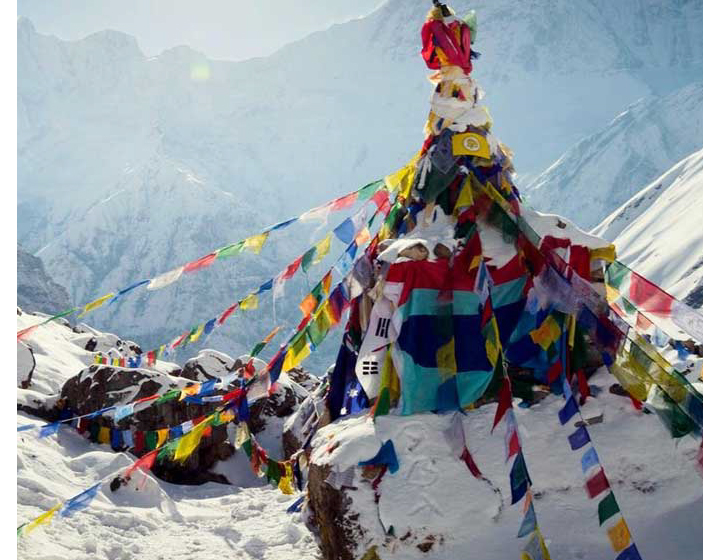
The Pikey Peak trail offers a vivid glimpse into traditional Sherpa life and Buddhist culture. Villages like Jhapre and Junbesi host warm-hearted locals who preserve age-old customs, farming methods, and communal bonds. Prayer flags, mani walls, and chortens line the trail, echoing spiritual depth. Ancient monasteries like Thupten Chholing invite visitors into daily rituals. Local food, folk songs, and cozy teahouses enrich the experience, connecting trekkers to the living heritage of the Solu region.
Monasteries and Festivals:
Junbesi and Thuptenchholing Monastery are spiritual centers. Many local festivals like Lhosar, Dumje, and Mani Rimdu are celebrated with chanting, dancing, and feasting, offering cultural insight to those trekking during festive periods.
Daily Life:
Most people in the region live off subsistence agriculture and yak herding. The houses are stone-built with slate roofs, often surrounded by vegetable gardens. You’ll witness the simplicity and strength of life in the mountains.
Vegetation and Natural Beauty:
As you trek from lower altitudes up to Pikey Peak, you’ll pass through rich rhododendron forests, bamboo groves, pine woods, and alpine meadows. In spring, the hillsides come alive with blooming rhododendrons in red, pink, and white.
Wildlife:
The Pikey Peak region is home to diverse Himalayan wildlife, thanks to its varied ecosystems ranging from lush forests to alpine meadows. Trekkers may spot Himalayan thar, musk deer, langurs, and occasionally red pandas in the rhododendron and pine forests. Birdwatchers will enjoy sightings of colorful species such as the Himalayan monal (Nepal’s national bird), pheasants, eagles, and various songbirds. The quiet, less-trodden trails provide a peaceful environment to observe these animals in their natural habitat. This biodiversity adds a unique layer of interest to the trek, making Pikey Peak a rewarding destination for nature and wildlife enthusiasts alike.
Atmosphere and Weather:
One of the most cherished aspects of the Pikey Peak Trek is its tranquil atmosphere. The trails are not crowded, allowing for quiet reflection and undisturbed interaction with nature.
Weather and Best Time to Visit:
The best seasons are spring (March–May) and autumn (September–November). During these months, the weather is stable with clear skies for mountain views. Winter treks are possible but involve colder temperatures and snow at higher altitudes.
Sunrise from Pikey Peak:
The pre-dawn hike to the summit of Pikey Peak is a highlight of the trek. Watching the sunrise over the Himalayas is a surreal moment where the peaks glow golden under the first rays of the sun.
Services by The Himalayan Realms Treks :
At The Himalayan Realms Treks and Expedition Nepal Pvt. Ltd., we provide customized Pikey Peak Trek itineraries to suit your schedule, fitness, and preferences. Whether you’re a solo traveler, couple, or group, we adapt to your needs.
Experienced Guides and Porters:
Our licensed, English-speaking Sherpa guides ensure your safety and provide deep cultural insights. Our local porters are well-trained and fairly compensated, ensuring a responsible tourism approach.
Accommodation and Meals:
We arrange clean, comfortable tea houses along the route with authentic local meals. Our team ensures hygiene and quality, with options for vegetarian or special dietary needs.
Transportation and Logistics:
We handle all logistics, including Kathmandu-Dhap/Phaplu transport, permits, insurance for staff, and gear recommendations. We aim to provide a seamless trekking experience from arrival to departure.
Eco and Ethical Tourism
We promote eco-friendly trekking practices, minimize plastic use, and contribute to local development through community support and conservation awareness.
Ideal for All Trekkers:
The Pikey Peak Trek is ideal for trekkers of all levels, from beginners to seasoned hikers. With moderate altitude and well-marked trails, it offers a rewarding yet manageable Himalayan adventure. The summit at 4,065m delivers stunning views of Everest, Makalu, and Kanchenjunga without extreme altitude challenges. Passing through forests, villages, and cultural sites, the route is scenic and enriching. Its short duration and flexible itinerary make it perfect for families, solo travelers, and groups alike.
Suitable for Beginners:
With moderate elevation and well-maintained trails, Pikey Peak Trek is ideal for first-time trekkers or those not ready for high-altitude routes like Everest Base Camp or Annapurna Circuit.
Great for Photographers and Nature Lovers:
This trek is a photographer’s dream with dramatic mountain landscapes, golden sunrises, diverse flora, and vibrant village life. The tranquility of the trail also appeals to nature lovers and spiritual seekers.
Optional Extensions:
For a longer and more immersive experience, the Pikey Peak Trek offers several rewarding extensions. Trekkers can venture to Dudh Kunda, a sacred lake beneath Mt. Numbur, or connect with the classic Everest trail through Junbesi to visit the historic Thupten Chholing Monastery. Extra time in Phaplu or nearby Sherpa villages allows deeper cultural engagement. These additions enhance the journey with spiritual insights, rich traditions, and stunning Himalayan scenery, offering a fuller exploration of the Solu region.
Visit to Thuptenchholing Monastery:
Add an extra day to visit the sacred Thuptenchholing Monastery, a significant center of Tibetan Buddhism, where hundreds of monks and nuns reside and study.
Combine with Cultural Tours:
Enhance your Pikey Peak adventure with cultural tours in the lower Everest region. Visit Sherpa villages like Junbesi and Taksindu, explore ancient monasteries, and witness monastic life. Add a Kathmandu Valley tour to experience UNESCO sites like Swayambhunath and Boudhanath for a rich blend of trekking and cultural immersion.
Conclusion:
Itinerary
Your Pikey Peak adventure begins with a long but scenic drive from Kathmandu to Dhap. The journey winds through lush hills, terraced fields, and charming villages, offering glimpses of rural life and distant Himalayan peaks. Dhap, a small settlement on the edge of the Solu region, welcomes you with cool mountain air and local hospitality. Settle into a cozy teahouse and prepare for the trek ahead. The views of Numbur Himal and the remote atmosphere make Dhap a perfect launching point for your lower Everest trekking experience.
Start your trek with a gradual ascent through rhododendron forests and charming hillside settlements. The trail provides early views of Numbur Himal and Everest. As you walk through pine forests and stone-paved paths, you’ll pass Buddhist chortens and prayer flags fluttering in the breeze. Arrive in Jhapre, a peaceful village perched above a deep valley with a stunning viewpoint for sunset. Explore the local monastery and enjoy warm hospitality from local villagers. The evening offers serene Himalayan views and a sense of isolation from the bustling world. Overnight at a teahouse in Jhapre.
Today’s journey involves a steady climb through alpine meadows and yak pastures. As you ascend, the trail opens up to breathtaking views of the Everest range, Thamserku, and Gauri Shankar. The path winds through lush rhododendron forests and open ridges, with occasional encounters with grazing yaks and herders. Reach Pikey Base Camp, located beneath the majestic Pikey Peak. The atmosphere is tranquil, with stunning sunsets and starry skies. Prepare for the next day’s early morning summit push. Overnight at a basic teahouse or lodge.
Wake early to hike up to Pikey Peak for a spectacular sunrise view. On a clear day, you’ll see panoramic views of Mt. Everest, Kanchenjunga, Makalu, Dhaulagiri, and even Annapurna. The golden light over the Himalayas is an unforgettable sight. After taking in the views, descend through forests and alpine meadows to Loding. This descent offers a rewarding contrast of landscapes, from barren ridges to lush greenery. Arrive in Loding by late afternoon and rest at a local teahouse. The village is quiet and peaceful, ideal for relaxing after a long day.
Today’s trek descends through mixed forest and terraced farmland. The trail is dotted with mani walls, stupas, and prayer flags, highlighting the strong Buddhist culture in the region. Cross small wooden bridges and enjoy the soothing sounds of rivers and birdsong. Upon reaching Junbesi, one of the most beautiful Sherpa villages in Solukhumbu, you can explore its historic monastery and learn about Sherpa traditions. The village offers warm hospitality and a glimpse into the spiritual life of the Himalayas. Overnight at a comfortable teahouse in Junbesi.
Depart Junbesi and follow a scenic trail to Phaplu, passing through pine forests, rivers, and traditional settlements. Along the way, take in final views of the snow-capped peaks and enjoy interactions with friendly locals. The trail is relatively easy, making for a relaxed trekking day. Phaplu is a small town with an airstrip and basic facilities. It serves as a gateway to the Everest region and a peaceful place to end the trek. Reflect on your journey and enjoy your final night in the mountains. Overnight stay at a teahouse in Phaplu.
Conclude your memorable Pikey Peak Trek with a return journey to Kathmandu. Depending on your preference and availability, opt for either a scenic drive through the hilly landscapes or a short mountain flight with sweeping aerial views of the Himalayas. Upon arrival in Kathmandu, transfer to your hotel and enjoy the rest of the day at your leisure. You can relax, shop for souvenirs in Thamel, or celebrate your successful trek with a traditional Nepali dinner. This journey offers not only stunning Himalayan vistas but also a rich cultural experience and serene retreat into nature.
Included
- All airport and hotel transfers
- Kathmandu to Dhap Bus ticket
- National permit, permit Gaurishanker Conservation permit and Khumbu region every permit.
- Flight fare from Phaplu-Kathmandu
- Accommodation, food, & Tea/coffee during trek
- Guide:- including salary, insurance, equipment, bus transportation, flight fare, food and lodging
- Porter:- including salary, insurance, equipment, bus transportation, food and lodging
- For guest:-Down jacket, Good sleeping bag (down jacket and sleeping bag are to be returned after trip completion)
- All government and local taxes
Not Included
- Food in Kathmandu ( Lunch & Dinner)
- Bakery food during the trek
- Nepal Visa fee
- International airfare from your country to Kathmandu and from Kathmandu
- Extra night accommodation in Kathmandu
- Travel and rescue insurance if guest get mountain sickness and need to rescue helicopter.
- Personal expenses example (phone calls, laundry service , bar bills, battery recharge, extra porters, bottle or boiled water, shower etc)
- Tips for guide and porters
Useful Info
Altitude: 4,065 meters (13,336 feet) at the summit
Duration: Typically, 5–7 days
Difficulty: Moderate—suitable for beginners with good fitness
Best Seasons: Spring (March–May) and Autumn (September–November)
Highlights: Stunning sunrise views of Everest, Kanchenjunga, Makalu, and Lhotse; serene trails through rhododendron forests and Sherpa villages
Itinerary Snapshot
A common 6-day itinerary includes
Kathmandu to Dhap: Drive (~7–10 hours)
Dhap to Jhapre: Trek (~5–6 hours)
Jhapre to Pikey Base Camp: Trek (~6 hours)
Summit Pikey Peak and descend to Junbesi: Trek (~7–8 hours)
Junbesi to Phaplu: Trek (~4–5 hours)
- Phaplu to Kathmandu: Drive or fly
Some itineraries extend to 7 days, allowing for a more relaxed pace and better acclimatization.
Permits Required
Sagarmatha National Park Permit: ~USD 30
Gaurishankar Conservation Area Permit (GCAP): ~USD 30
Local Area Permit (Khumbu Pasang Lhamu Rural Municipality): ~USD 20 per week
TIMS Card (Trekkers' Information Management System):
Accommodation & Meals
Lodging: Basic teahouses with twin-sharing rooms; amenities like hot showers and Wi-Fi may cost extra
Meals: Traditional Nepali dishes such as dal bhat, momos, and thukpa; breakfast options include eggs, bread, and porridge
Packing Essentials
Clothing: Layered outfits suitable for cold mornings and warmer afternoons; waterproof gear for unexpected rain
Gear: Trekking poles, headlamp, reusable water bottle with purification tablets, sleeping bag, and a sturdy backpack
Miscellaneous: Sunscreen, lip balm, first aid kit, and personal medications
Tips & Considerations
Acclimatization: Though the risk of altitude sickness is lower, it's essential to ascend gradually and stay hydrated
Connectivity: Mobile networks are sporadic; some teahouses offer Wi-Fi for a fee
Cash: No ATMs along the trail; carry sufficient Nepali Rupees from Kathmandu
Travel Insurance: Highly recommended to cover emergencies and evacuations
Cultural Respect: Dress modestly and seek permission before photographing locals
FAQs
-
Where is Pikey Peak located?
Pikey Peak is located in the Solukhumbu district of eastern Nepal, in the lower Everest region. It lies south of the Everest massif and offers panoramic views of the Himalayan range, including Everest, Lhotse, Makalu, and Kanchenjunga.
-
How difficult is the Pikey Peak Trek?
Pikey Peak Trek is considered a moderate trek. It doesn’t require technical climbing skills, but a basic level of fitness is essential. The daily walking hours range from 5 to 7 hours over undulating terrain with some steep sections.
-
What is the highest point of the trek?
The highest point is Pikey Peak summit at 4,065 meters (13,336 ft), which you reach early in the morning on Day 4 for the sunrise view
-
Do I need permits for the trek?
Yes, you need: Gaurishankar Conservation Area Permit (GCAP) TIMS (Trekkers’ Information Management System) Card We will arrange all required permits for you.
-
What kind of accommodation is available on the trek?
Accommodation is in basic teahouses or local lodges, which provide a bed, blanket, and meals. Some places have attached bathrooms, but most offer shared facilities.
-
Can I see Mount Everest from Pikey Peak?
Yes! On a clear morning from the summit of Pikey Peak, you can see Mount Everest along with several other major Himalayan peaks like Makalu, Lhotse, Annapurna, Dhaulagiri, and Kanchenjunga.
-
How do I get back to Kathmandu after the trek?
You can either take a short mountain flight from Phaplu to Kathmandu or drive back via a scenic road route. Both options depend on availability and weather conditions.
-
What should I pack for the Pikey Peak Trek?
Essential items include: Warm layers and trekking clothes Comfortable hiking boots Rain jacket and windproof gear Headlamp, water bottle, personal medications Sunglasses and sunscreen We provide a full packing list upon booking.
-
Can I do this trek solo or with a guide?
While it's possible to trek solo, hiring a licensed guide enhances your safety, navigation, and cultural experience. We highly recommend going with a guide and porter for comfort and local insight.