

Trip overview
Mesokanto Pass Trekking Overview—13 Days
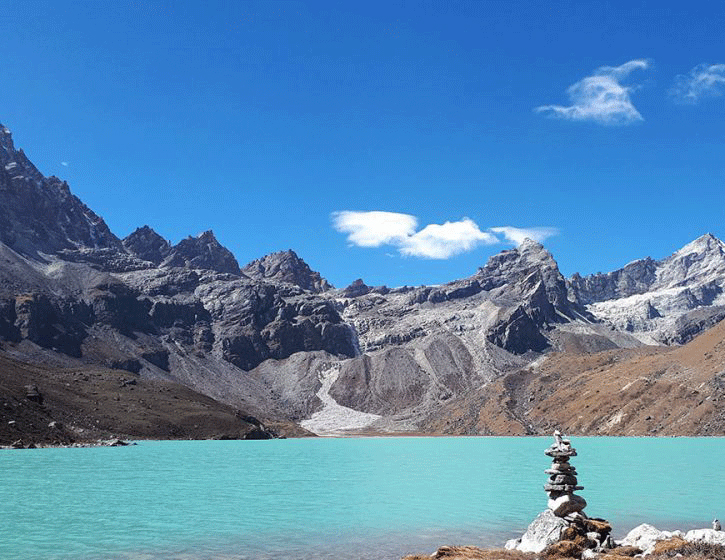
Mesokanto Pass Trekking is one of Nepal’s most remote and underrated mountain adventures. This 13-day Mesokanto trek winds through shifting landscapes, ancient cultures, and untouched Himalayan wilderness. Far from the crowded trails, the Mesokanto trekking route offers a raw and personal connection with nature. This Mesokanto Pass adventure takes you through emerald valleys, icy ridgelines, and timeless villages. It also leads to the turquoise water
The Mesokanto Trekking Experience
The Mesokanto Pass Trek is ideal for seasoned trekkers seeking solitude and immersion in nature. Unlike commercial trails like Everest Base Camp or Annapurna Circuit, this route delves into Nepal’s wild side. Beginning in the Marsyangdi Valley, the trail passes through forests, cliffside paths, and Tibetan-influenced villages before reaching the high-altitude Mesokanto La trek.
What makes Mesokanto Pass Trekking special is its true remoteness. After diverging from the classic Annapurna Circuit near Manang, the route becomes rugged and silent. The barren section beyond Tilicho Lake is hauntingly beautiful, with glacial debris and sweeping views. Crossing Mesokanto La can be technically challenging due to snow and ice—but every step rewards you with unforgettable vistas and a powerful sense of presence.
This Mesokanto Pass trek tests your endurance and awakens your spirit. Those who complete it return transformed, carrying memories for life.
Natural Beauty Along the Mesokanto Pass Trek
The scenery along the Mesokanto trekking route is among the most diverse in the Himalayas. Starting from the subtropical zones near Besisahar, you’ll follow the Marsyangdi River through terraced hills, waterfalls, and traditional farms. Ascending into Manang, the terrain changes to alpine forests filled with blue pines, rhododendrons, and juniper.
Near Tilicho Lake, the landscape transforms dramatically into a high-altitude desert. Towering peaks like Tilicho (7,134m), Gangapurna, and Nilgiri dominate the skyline, their reflections shimmering in the lake. This section of the Mesokanto Pass Trekking offers some of the most surreal views in Nepal.
The crossing of Mesokanto La trek marks the highest point of the journey, with panoramic views of the Annapurna and Dhaulagiri ranges. As you descend toward Jomsom, the environment shifts again—into the red cliffs and wind-eroded canyons of Mustang. Few treks in Nepal offer such dramatic ecological transitions in such a short time.
Flora and Fauna of the Mesokanto Trekking Route
The Mesokanto Pass trekking trail cuts through a rich mosaic of ecosystems. The lower sections feature oak, bamboo, and rhododendron forests, which burst into bloom during spring. Higher up, plant life transitions to alpine shrubs and lichens.
At altitudes above 4,000 meters, you’ll find hardy alpine flowers like blue poppies and edelweiss. Near Tilicho Lake, the ecosystem becomes sparse but resilient, supporting cold-resistant mosses and high-altitude blooms.
Trekkers on the Mesokanto Pass trek may spot Himalayan blue sheep, musk deer, or even the elusive snow leopard. Birds such as the Himalayan monal, golden eagle, and lammergeier are common sights in the clear mountain skies. Every wildlife encounter on this Mesokanto Pass adventure feels like a gift from nature.
Local Culture on the Mesokanto La Trek
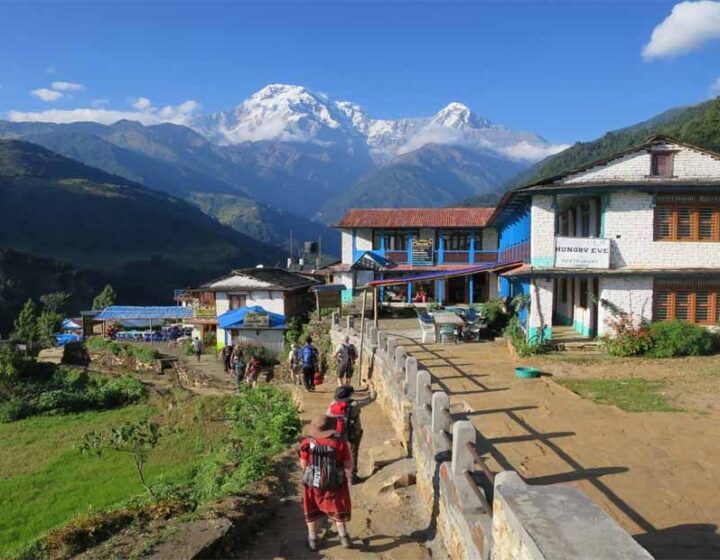
The cultural diversity along the Mesokanto Pass Trekking route adds a profound dimension to the journey. In the lower regions, Gurung and Magar communities live in stone houses and work terraced fields, preserving centuries-old customs and communal farming practices.
As you ascend into the Manang Valley, Tibetan Buddhist influences take over. Prayer flags, mani walls, and ancient monasteries dot the trail. The people here live in harmony with the mountains, practicing rituals tied to the natural elements and spiritual deities.
Crossing into Mustang via the Mesokanto La trek, trekkers experience the distinct Thakali and Tibetan culture of the Kali Gandaki Valley. Flat-roofed homes, harsh winds, and spiritual resilience define life in this region. The cultural depth of the Mesokanto Pass trek ensures every interaction is meaningful.
Mesokanto Pass Trekking—Atmosphere
A Journey into Solitude and Silence
The atmosphere of Mesokanto Pass Trekking is unlike any other Himalayan journey. It is shaped not only by towering peaks and rugged landscapes but also by the silence, solitude, and spiritual resonance of the remote highlands. From the moment you leave the busier trails behind in Manang, the air feels lighter, the world quieter, and your senses sharper. Each breath at altitude is filled with crisp mountain air, every footstep echoing across vast alpine valleys.
The Stillness of the High Altitude
This Mesokanto Pass trek is defined by a profound stillness—broken only by the call of a Himalayan eagle or the whispering wind through juniper trees. The high-altitude terrain between Tilicho Lake and the Mesokanto La Pass is particularly surreal. Here, the land feels ancient and untouched, with shifting clouds casting dramatic shadows on stone ridges and glacial fields. There is a reverence in the atmosphere, a sense that nature reigns supreme and time stands still.
At the Summit of Mesokanto La
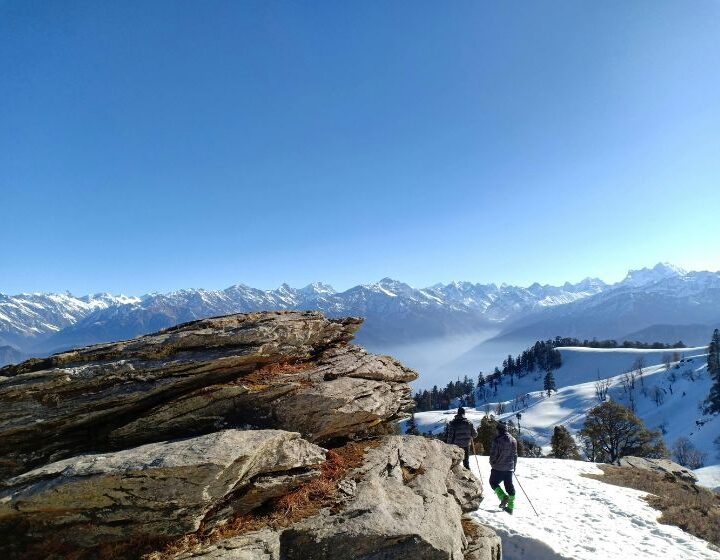
As you reach Mesokanto La, the highest point of the Mesokanto Pass trekking route, the atmosphere intensifies. The cold wind howls through the pass, the sun dazzles off snow-covered peaks, and the sheer scale of the Himalayas surrounds you in every direction. It is both humbling and elevating—an emotional convergence of effort, altitude, and awe.
Transition into Mustang’s Mystic Landscape
Descending into Mustang, the environment transforms once again. The desert-like plains, wind-sculpted cliffs, and distant prayer flags fluttering on dry ridgelines bring a stark, spiritual calm. The Mesokanto trekking atmosphere becomes more reflective—imbued with the sense of completion, transition, and transformation.
Moments That Linger Beyond the Trail
Whether you’re sitting silently beside Tilicho Lake, walking beneath the stars in the high camp, or warming your hands by a fire in a stone village house, the Mesokanto Pass Trekking experience is drenched in moments that move you quietly and deeply. It’s not just about what you see—but what you feel. The raw elements, cultural energy, and vast open sky come together to create a journey that touches the soul.
Difficulty and Trekking Preparation
Mesokanto Pass Trekking is a challenging high-altitude adventure. It’s best suited for trekkers who have experience hiking above 4,000 meters and are prepared for isolation and alpine conditions.
Key preparation points:
Acclimatization: Rest days in Manang or Tilicho Base Camp are essential to prevent altitude sickness. Fitness: The Mesokanto Pass trek demands 6–8 hours of walking daily across rough, uneven terrain. Gear: Carry thermal clothing, waterproof layers, a -15°C-rated sleeping bag, crampons/microspikes (for snow), and trekking poles.
Support & Logistics:
While parts of the Mesokanto Pass trail are marked, the section between Tilicho Lake and Jomsom is exceptionally remote and rugged. Due to the challenging terrain and lack of facilities, hiring an experienced guide is strongly recommended for safety and navigation.
Permits Required:
Trekkers must obtain both the Annapurna Conservation Area Permit (ACAP) and a Trekkers’ Information Management System (TIMS) card before starting the journey.
Camping Necessity:
>>>>Between Tilicho Base Camp and Jomsom, there are no teahouses or lodges available, making fully organized camping treks essential for this section. Most adventurers undertake the Mesokanto Pass with a professional trekking crew to ensure proper logistics, supplies, and support throughout this isolated stretch.
Why Choose Himalayan Realms Treks for Your Mesokanto Pass Trekking Journey?
At Himalayan Realms Treks and Expedition Nepal Pvt. Ltd., we specialize in authentic and transformative trekking experiences. Founded by Takao Yuzawa and led by Managing Director Dammaru Prasad Niraula, our company brings unmatched expertise to remote adventures like Mesokanto Pass Trekking.
We offer more than just logistics. Our approach to the Mesokanto Pass trek blends deep cultural understanding, environmental respect, and personalized support. From acclimatization planning to route safety and cultural engagement, we’re with you every step of the way.
With strong networks in Japan and Australia, we bridge international standards with local knowledge. When you choose us for your Mesokanto Pass adventure, you choose reliability, professionalism, and genuine Himalayan hospitality.
Conclusion: A Journey Beyond the Ordinary
Conclusion
The Mesokanto Pass Trekking is a path less traveled—and that’s exactly what makes it so extraordinary. This 13-day adventure offers more than physical challenge; it opens a doorway into Nepal’s wildest beauty and most profound cultural landscapes. Unlike the busier commercial routes, the Mesokanto trail remains raw, sacred, and deeply immersive. Here, nature speaks loudly, and solitude carries meaning.
You’ll traverse emerald forests along the Marsyangdi, stand at the icy edges of Tilicho Lake, and descend into the sun-baked valleys of Mustang. Each landscape reveals a different facet of the Himalayas, capturing the full emotional and physical spectrum of trekking in Nepal.
And as the sun rises over snow-draped peaks, painting the sky in hues of gold and crimson, it offers more than just a stunning view—it reveals a quiet truth that only solitude at high altitude can unveil.
>Ultimately, Mesokanto Pass Trekking is far more than a vacation—it is a deeply personal journey, a story etched into your soul, and a memory that lives with you long after the trail ends.
Itinerary
The adventure begins with a scenic drive from Kathmandu to Besisahar, a beautiful town in the Lamjung District. The drive winds along the Trishuli and Marshyangdi rivers, offering glimpses of terraced fields, traditional villages, and hills covered in subtropical forests. As Besisahar is the trailhead of the classic Annapurna Circuit, the town has a lively trekking atmosphere. From here, we get our first sights of distant Himalayan peaks including Lamjung Himal. After checking into a local guesthouse, trekkers prepare for the journey ahead.
We leave Besisahar early, either via jeep or local vehicle, following the rugged off-road trail along the Marsyangdi River. The route passes through several traditional villages such as Jagat, Dharapani, and Timang. As we gain elevation, the landscape shifts from tropical to temperate, with pine forests replacing bamboo groves. On clear days, views of Manaslu and Lamjung Himal dominate the skyline. Reaching Chame, the district headquarters of Manang, we find ourselves surrounded by massive cliffs and snow-covered peaks. The influence of Tibetan culture becomes noticeable in architecture and religious monuments like mani walls and chortens.
From Chame, the trail continues upstream along the Marsyangdi River. The path narrows as we enter a deep gorge lined with dramatic rock formations and waterfalls. Climbing gently, we reach Bhartang, known for its apple orchards and old Tibetan prayer wheels. Continuing through dense pine and fir forests, the scenery becomes increasingly alpine. Upon arriving in Pisang, trekkers are treated to stunning views of Annapurna II and Pisang Peak. This charming village lies in the rain shadow area, giving the region a dry and semi-arid character. Pisang also marks the beginning of the Upper Manang region, where Tibetan Buddhist culture flourishes.
Today’s trek ascends gently as we traverse the high trail to Manang via Ghyaru and Ngawal, traditional villages that offer panoramic views of the Annapurna range. The arid landscape is dotted with barley fields and stone houses. We pass ancient monasteries, prayer flags fluttering in the wind, and locals herding yaks and horses. As we arrive in Manang, the breathtaking scenery is matched by the cozy village atmosphere. Located in a wide valley beneath Annapurna III and Gangapurna, Manang is a key acclimatization stop for trekkers. Here, we explore local museums, visit the ancient monasteries, or take a short hike to the glacial Gangapurna Lake.
To prepare for the upcoming ascent, we take an acclimatization day in Manang. Optional side hikes include the Chongkor Viewpoint, which offers breathtaking panoramas of the Annapurna range, Tilicho Peak, and Gangapurna Glacier. Another popular walk leads to Bhojo Gompa or the Ice Lake (Kicho Tal). This day allows the body to adapt to higher elevation while immersing oneself in the highland Buddhist culture. Local teahouses serve hearty meals including Tibetan bread, yak cheese, and herbal soups, providing strength for the trail ahead.
Departing Manang, we head off the main Annapurna Circuit route and take the side trail towards Tilicho Lake. The path gradually climbs through juniper bushes and passes yak grazing pastures. As the valley narrows, we pass through Khangsar village, a remote settlement that sees fewer trekkers. After crossing a suspension bridge and ascending further, we reach Shree Kharka, a scenic open meadow with stunning views of Tilicho Peak and the surrounding snowy ridges. The area feels remote and wild, signaling the adventure that lies ahead.
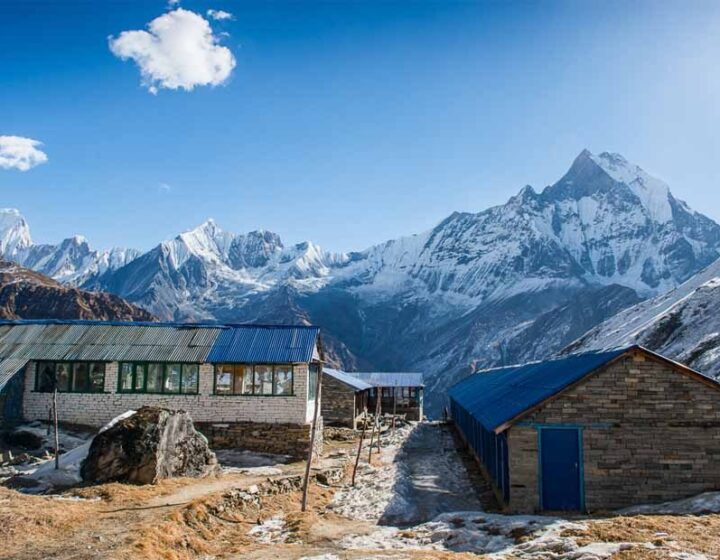
Today’s trail to Tilicho Base Camp is both challenging and rewarding. The route traverses steep cliffs and landslide-prone areas, requiring careful footing. However, the dramatic terrain—composed of eroded slopes, glaciers, and soaring cliffs—is breathtaking. Wild blue sheep and Himalayan griffons are often spotted in the area. Upon reaching Tilicho Base Camp, we find ourselves in a rugged alpine setting at the base of Tilicho Peak. Lodges here are basic but comfortable, offering warm meals and shelter in the cold high-altitude conditions. We rest early, as the next day brings one of the highlights of the entire trek.
This is the most adventurous and strenuous day of the trek. We start early, ascending to Tilicho Lake, nestled at nearly 5,000 meters. Surrounded by icy ridges and glacier-fed waters, Tilicho Lake is a sacred site for Hindus and Buddhists. After taking time to absorb the ethereal beauty, we ascend further to cross Mesokanto La Pass, a high and remote pass that connects Manang to Mustang. The trail may be covered in snow depending on the season, and crampons or ropes might be required. Once atop the pass, the views are extraordinary—Annapurna, Nilgiri, Dhaulagiri, and the Kali Gandaki Valley unfold before you. The descent is steep and rocky, eventually leading to the lower Mustang region and the picturesque village of Thini, near Jomsom.
A short but thrilling mountain flight takes us from Jomsom to Pokhara. The journey flies through the world’s deepest gorge between Annapurna and Dhaulagiri massifs. Upon arrival in Pokhara, the peaceful lakeside ambiance feels like a dream after the rugged landscapes of the Himalayas. Pokhara offers a chance to unwind, enjoy a boat ride on Phewa Lake, indulge in good food, and reflect on the incredible journey.
This day is reserved for rest, rejuvenation, and exploration. Options include visiting the World Peace Pagoda, Davis Falls, the International Mountain Museum, or simply relaxing in the tranquil cafés by the lake. Trekkers often choose to enjoy spa treatments, yoga sessions, or celebrate the successful crossing of Mesokanto La with a hearty meal and cultural performance. Pokhara is a place of healing, and this day allows the body and spirit to reconnect after the physical demands of high-altitude trekking.
The final leg of the journey is a scenic drive or flight back to Kathmandu. As you journey back to the bustling capital, the memories of high passes, sacred lakes, and Himalayan hospitality remain fresh. The trek may be complete, but the lessons, sights, and emotions it offered will stay with you forever.
After an unforgettable journey through some of Nepal’s most breathtaking landscapes and high-altitude adventures, it's time to bid farewell. Depending on your flight schedule, our representative will transfer you to Tribhuvan International Airport in Kathmandu. As you drive through the familiar streets of the capital, your heart may be full of mixed emotions—gratitude for the experience, awe for the mountains, and perhaps a quiet promise to return again.
Though the trek has ended, the memories of Tilicho’s turquoise waters, the daring ascent to Mesokanto La, the warmth of Himalayan hospitality, and the spiritual silence of high alpine trails will remain with you forever. Whether heading home or continuing your travels, we wish you a safe journey and hope to welcome you back to the Himalayas again.
Included
- All airport, hotel airport transfers.
- 2-night hotel in Kathmandu
- 1-night hotel in Pokhara
- Conservation premit fee
- Jeep from Besisahar to Chame
- Accommodation in the tea house
- Food, Tea/coffee during trek
- Guide: – including salary, insurance, equipment, flight, food and lodging.
- Porter: – including salary, insurance, equipment, food and lodging
- For guest: -Down jacket, Good sleeping bag (down jacket and sleeping bag are to be returned after trip completion).
- Flight fear from Jomsom to Pokhara for guest and guide.
- Transfer from Pokhara hotel to Airport
- Transfer from Kathmandu Airport to hotel in Kathmandu
- All government and local taxes.
- All government and local taxes.
Not Included
- Food in Kathmandu ( Lunch & Dinner). Kathmanmdu and Pokhara.
- Bakery food during the trek.
- Nepal Visa fee.
- International airfare.
- Extra night accommodation in Kathmandu.
- Travel and rescue insurance if guest get mountain sickness and need to rescue helicopter.
- Personal expenses example (phone calls, laundry service , bar bills, battery recharge, WIFI charge, extra porters, bottle water or boiled water, shower etc.)
- Tips for guide and porters
- Sightseeing sport fees. tours guide cost and vechicle cost
Useful Info
Mesokanto Pass Trekking—Useful Information Guide
Trek Overview
Trek Name: Mesokanto La Pass Trek
Location: Annapurna and Mustang region, Nepal
Highest Elevation: 5,330 meters (17,487 feet)—Mesokanto La Pass
Duration: 12 to 15 days (can vary depending on itinerary and acclimatization)
Starting Point: Beshisahar
Ending Point: Jomsom or Pokhara (via Tilicho Lake)
Difficulty: Challenging
Best Seasons: Spring (March–May) and Autumn (September–November)
Trek Style: Teahouse/lodge trek (with some nights potentially requiring camping)
Physical Fitness & Preparation
Fitness Level: Requires high physical fitness and previous trekking experience, preferably above 4,000 meters.
Training Advice: Cardiovascular exercises, strength training, hiking practice, and altitude conditioning are highly recommended.
Weather and Climate
Spring (March–May): Moderate weather, clear skies, blooming rhododendrons.
Autumn (September–November): Clear views, stable weather, peak trekking season.
Winter (December–February): Very cold and snowy; the Mesokanto pass is often closed.
Monsoon (June–August): Wet, slippery trails and leech-prone; not recommended.
Key Highlights
Tilicho Lake—one of the world’s highest lakes (4,919 m)
Mesokanto La Pass—Remote and adventurous crossing at 5,330 m
Diverse Terrain—Alpine meadows, arid trans-Himalayan valleys, glacial moraines
Cultural Fusion—Encounter Tibetan Buddhist influences in the Mustang region and mixed Hindu-Buddhist traditions near Manang
Stunning Mountain Views—Annapurna II, III, Gangapurna, Tilicho Peak, Nilgiri, and Dhaulagiri ranges
Accommodation & Food
Accommodation: Lodges/teahouses available in most places; basic camping required near Mesokanto La.
Meals: Nepali dal bhat, Tibetan bread, noodles, soup, tea, eggs, and pasta. Limited menu at higher altitudes.
Packing List Essentials
Clothing
Down jacket, fleece, thermal base layers
Waterproof jacket & pants
Warm gloves, hat, and buff
Trekking pants and moisture-wicking shirts
Gear
High-quality hiking boots (broken in). Gaiters (for snow). Trekking poles. Headlamp with spare batteries. Sunglasses with UV protection
Other Essentials
Sleeping bag (rated -10°C to -20°C). First aid kit (with altitude sickness medicine). Sunscreen, lip balm. Refillable water bottles + purification tablets. Snacks and high-energy bars. Power bank or solar charger
Altitude Sickness & Acclimatization
AMS risk is high due to altitude (over 5,000 m)
Acclimatization days in Manang or Tilicho Base Camp recommended
Symptoms: headache, dizziness, nausea, fatigue
Medication: Diamox (consult doctor). Descent is the best cure for AMS
Permits Required
ACAP Permit (Annapurna Conservation Area Project)
Cost: NPR 3,000 (approx. USD 25). TIMS Card (Trekkers’ Information Management System)
Cost: NPR 2,000 (approx. USD 17)
Special Restricted Permit (If entering Nar Phu or Upper Mustang)—not required for standard Mesokanto route