

Overviews: Equipment Guide and Complete
Introduction
Embarking on a Himalayan journey is not just an outdoor adventure but a life-changing experience. The trails of Nepal—whether along the most popular trekking route in Nepal, the legendary Everest region, the enchanting Annapurna Region, or the tranquil Langtang Valley—call for proper preparation. Without the right gear and equipment, even the strongest enthusiasm may fade in the face of high-altitude challenges, unpredictable weather, and rugged landscapes. The Himalayan Realms Treks emphasizes the importance of being well-prepared, ensuring every traveler finds safety, comfort, and joy in the mountains. In this detailed guide, we not only present a recommended equipment list but also unfold the cultural, natural, and spiritual dimensions that shape trekking along Nepal’s most celebrated routes. Furthermore, the insights provided aim to prepare travelers practically while inspiring them to embrace the deeper meaning of the Himalayan journey.
About the Himalayan Realms Treks
The Himalayan Realms Treks is a professional expedition and trekking company established to provide exceptional journeys into Nepal’s grand mountains. Unlike ordinary tours, this company blends decades of expertise with deep respect for local culture and ecology. From arranging safe expeditions in the Everest base camp trail, guiding nature enthusiasts through the Annapurna circuit, to opening doors into the less-crowded Langtang trekking path, the company has become synonymous with reliability. Its philosophy is rooted in providing genuine Himalayan experiences where modern safety measures meet traditional hospitality.
Location of Treks
The journeys arranged by The Himalayan Realms Treks cover multiple iconic routes scattered across the central and eastern Himalayas of Nepal. The Everest trekking region lies in the northeastern corner, within Sagarmatha National Park, where the world’s highest peak rises majestically above all. The Annapurna trekking area, found in central Nepal, showcases panoramic high passes, terraced villages, and the sacred sanctuary of Annapurna Base Camp. The Langtang region, lying closer to Kathmandu, reveals serene valleys, Tamang culture, and alpine meadows under the shadow of Langtang Lirung. Each destination is part of the most popular trekking trail in Nepal, offering a combination of natural grandeur and cultural depth.
How to Go
Reaching these treasured trekking corridors requires a blend of road and air travel. For the Everest base camp trek, adventurers often fly from Kathmandu to Lukla, a thrilling gateway perched high in the Khumbu. To access the Annapurna circuit or sanctuary route, travelers usually take a road journey or short flight to Pokhara, Nepal’s adventure capital. The Langtang trekking trail begins with a scenic drive from Kathmandu to Syabrubesi, where the road winds through green valleys and mountain ridges. These approaches are as memorable as the treks themselves, with each mode of transport providing glimpses into Nepal’s layered landscapes.
People of the Regions
The communities that live along the Everest trekking path, Annapurna route, and Langtang valley trail enrich the journey with their hospitality and traditions. In the Khumbu region of Everest, the Sherpa people are known for their resilience, mountaineering skills, and warm monasteries that welcome pilgrims. In the Annapurna region, a mix of Gurung, Magar, and Thakali families dominate the villages, offering insights into centuries-old customs and cuisines. The Langtang trail is primarily home to the Tamang people, whose Tibetan-influenced culture is preserved in songs, dances, and architecture. Walking these paths is not only about mountains; it is about connecting with people who have lived harmoniously with nature for generations.
Types of Accommodation
Trekking in the most popular Himalayan routes of Nepal comes with varied lodging options. In the Everest base camp trail, trekkers stay in well-established teahouses equipped with warm dining halls and basic rooms. The Annapurna trekking lodges are equally comfortable, ranging from family-run guesthouses to larger lodges with modern amenities. In the Langtang trekking route, teahouses are more modest but filled with genuine friendliness and home-cooked meals. For climbing expeditions, tents are essential, especially beyond established routes. The Himalayan Realms Treks ensures that all accommodations balance comfort, safety, and cultural authenticity.
Religious Significance
Religion is interwoven into every trekking experience in Nepal. On the Everest route, prayer flags flutter from high passes, while monasteries such as Tengboche echo with Buddhist chants. At the same time, the Annapurna Sanctuary carries sacred importance for both Hindus and Buddhists, where mountains are revered as living deities. Likewise, the Langtang Valley trek features ancient monasteries where prayer wheels spin endlessly, symbolizing peace and compassion. Together, these diverse traditions weave a tapestry of spiritual depth that enriches every step of the Himalayan journey. Consequently, trekking in these regions becomes far more than a physical adventure. Instead, it turns into a spiritual passage that reminds every traveler the Himalayas are not merely mountains but sacred landscapes filled with devotion and timeless reverence.
Lifestyle of Local People
The lifestyle in these highland regions remains simple, sustainable, and deeply tied to nature. In the Everest region, Sherpa families combine farming with tourism, while their festivals highlight Buddhist devotion. The Annapurna communities are known for terrace farming, yak herding, and warm hospitality extended to trekkers passing by. In the Langtang villages, the Tamang lifestyle reflects Tibetan heritage through architecture, food, and rituals. The Himalayan Realms Treks encourages travelers to embrace this authenticity, as it is an integral part of trekking the most popular trails of Nepal.
Flora and Fauna
The most popular trekking routes in Nepal also serve as biodiversity havens. In the Everest trekking region, rhododendron forests burst into colors during spring, while Himalayan tahr and snow leopards roam the high cliffs. The Annapurna trekking circuit passes through lush subtropical forests filled with orchids and gradually ascends into alpine meadows where blue sheep graze. The Langtang trekking route boasts red pandas, langurs, and an abundance of medicinal plants. Each trail becomes an outdoor classroom where trekkers witness ecosystems changing with altitude.
Vegetation
Vegetation varies dramatically across Nepal’s trekking regions. The Everest trails begin with pine and rhododendron forests, ascending into juniper shrubs and eventually barren glaciers. The Annapurna landscapes shift from terraced rice fields and oak forests to alpine deserts near Thorong La Pass. The Langtang trekking valleys present dense bamboo groves, high-altitude meadows, and aromatic junipers. These diverse vegetative belts make the Himalayan trekking regions some of the most popular trekking paths in Nepal, where natural beauty accompanies every step.
Atmosphere
The atmosphere in the Everest, Annapurna, and Langtang routes is a blend of crisp mountain air, awe-inspiring panoramas, and cultural serenity. In the Everest base camp trek, trekkers breathe thin but invigorating air while gazing at giants like Lhotse and Ama Dablam. The Annapurna trekking path offers a softer atmosphere, where fertile valleys and warm sunshine contrast with the icy winds of the passes. The Langtang valley trail feels peaceful, surrounded by snow peaks yet infused with the quiet rhythm of rural life. Together, these atmospheres create unforgettable impressions of the Himalayas.
Equipment List for Trekking and Climbing
Carrying the right equipment is vital for success on the most popular trekking trails in Nepal. For Everest, Annapurna, and Langtang treks, trekkers should bring:
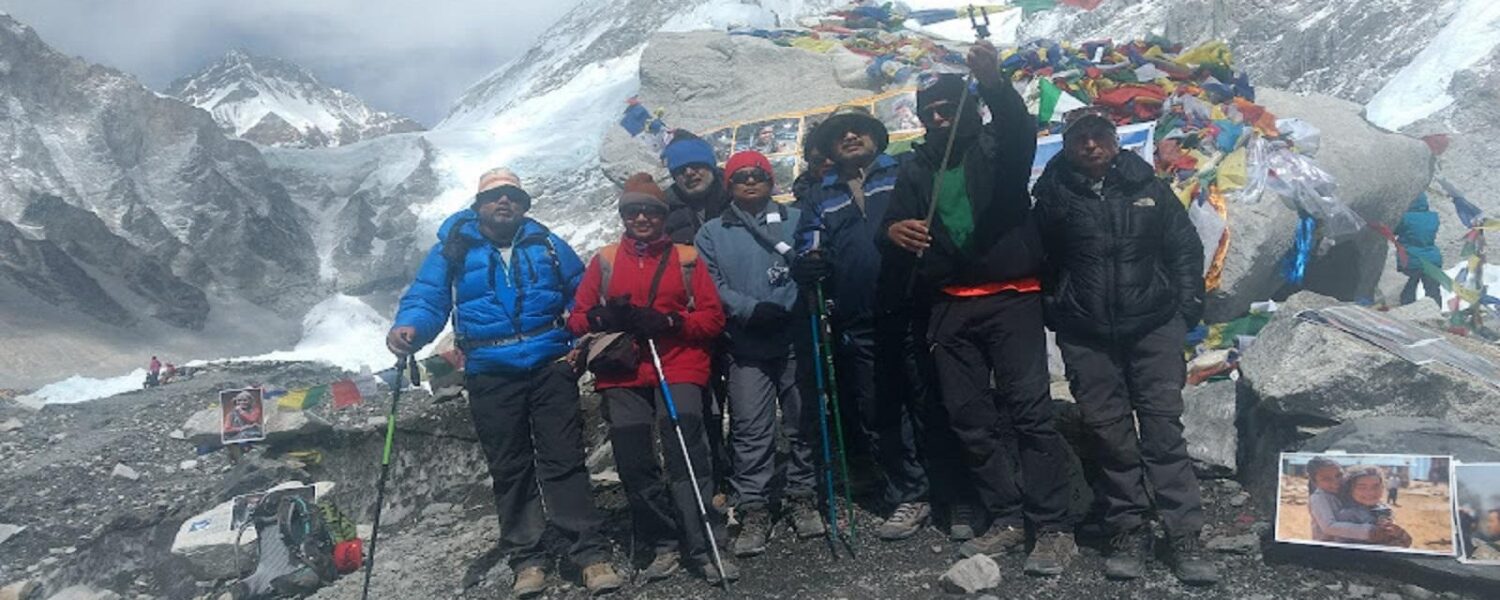
Clothing: Thermal base layers, fleece jackets, waterproof shells, down jackets, trekking pants, gloves, hats, and warm socks. Footwear: Durable trekking boots, sandals for camp, and gaiters.
- Gear: Trekking poles, sleeping bag rated for high altitude, daypack, backpack, water bottles, and headlamp.
- Accessories: Sunglasses, sunscreen, lip balm, first aid kit, water purification tablets, and toiletries.
- Climbing Equipment (for expeditions): Harness, crampons, ice axe, helmet, ropes, and carabiners.
The Himalayan Realms Treks provides guidance in selecting reliable gear, ensuring safety and comfort in the unpredictable Himalayan environment.
Why Equipment is Needed
Equipment is not a luxury but a necessity on the Everest trekking path, Annapurna Circuit, and Langtang Valley routes. In fact, weather conditions change rapidly, with warm sunshine in the morning turning into snowstorms by afternoon. Therefore, proper gear is essential to protect against hypothermia, frostbite, and exhaustion. Moreover, climbing routes often require ropes and crampons to cross glaciers safely. Similarly, sleeping bags and jackets shield trekkers from freezing nights, while sturdy boots prevent injuries on rocky terrain. Without such essential equipment, even the most popular trekking route in Nepal can quickly become dangerous. For this reason, The Himalayan Realms Treks emphasizes careful preparation so that every journey remains not only enjoyable but also secure.
Why Choose the Himalayan Realms Treks
Choosing The Himalayan Realms Treks means trusting a company that values safety, cultural respect, and memorable experiences. Their decades of expertise allow them to organize treks across the Everest region, the Annapurna range, and the Langtang Valley with precision. They guide trekkers in choosing equipment, ensure professional support staff, and provide ethical tourism that benefits local communities. By blending tradition with professionalism, they stand out as the ideal partner for those seeking to explore the most popular trekking routes in Nepal.
Conclusion
The Himalayas are more than mountains; indeed, they are living realms of culture, spirituality, and biodiversity. For instance, whether you are walking along the Everest trekking trail, admiring the Annapurna Circuit, or exploring the Langtang Valley trek, the journey becomes a transformative experience. Furthermore, this transformation deepens when it is combined with the right preparation and proper equipment. As a result, travelers not only discover breathtaking scenery but also gain a deeper connection to themselves. In addition, The Himalayan Realms Treks ensures that every traveler is not only guided through scenic landscapes but also meaningfully connected with the people, traditions, and sacred atmosphere of the mountains. Ultimately, this harmonious blend of nature, culture, and guidance turns a trek into an unforgettable adventure… In the end, the essential gear, cultural immersion, and professional guidance combine to make journeys across the most popular trekking routes in Nepal safe, enriching, and unforgettable.