

Trip overview
Annapurna Base Camp Trek – 10 Days
Introduction
The Annapurna Base Camp Trek, often called the ABC trek, is one of Nepal’s most iconic Himalayan adventures, drawing trekkers from around the world. This journey to the Annapurna Base Camp begins in Pokhara and winds through tranquil mountain villages, terraced fields, and lush forests. Combining breathtaking scenery with rich local culture, the trek to Annapurna Base Camp offers an unforgettable experience for both novice hikers and seasoned adventurers.
Scenic Beauty
The trek starts in subtropical forests, where rhododendron and bamboo flourish alongside traditional terraced farmlands maintained by local communities. As the route climbs higher, alpine meadows emerge, and towering peaks such as Annapurna I, Machapuchare, Hiunchuli, and Gangapurna dominate the skyline. Sunrises cast golden light across the mountains, creating spectacular views, while the interplay of shadows and colors throughout the day enhances the dramatic beauty of the landscape. This Himalayan Base Camp adventure offers a seamless blend of natural wonder and serene tranquility, making every step of the trek memorable.
Cultural Experience
Trekkers encounter Gurung, Magar, and Thakali villages. Stone houses, prayer flags, and shrines reflect local traditions. Daily life revolves around farming, livestock, and handicrafts, while festivals and rituals provide insight into Himalayan culture.
Accommodation and Food
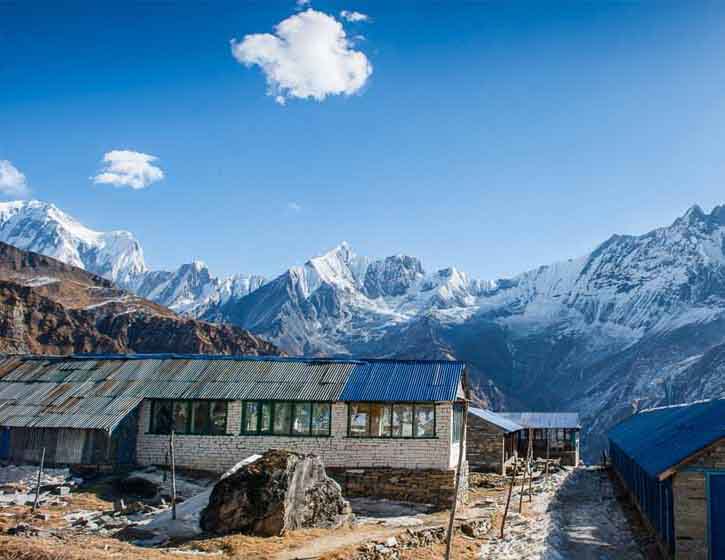
Teahouses and lodges line the trail, offering meals such as dal bhat, noodles, and seasonal vegetables. Rooms are clean, dining areas are shared, and some lodges provide Wi-Fi.
Lifestyle and Environment
Villagers maintain terraced fields and grazing lands, preserving both cultural and environmental heritage. Life is resilient, simple, and nature-focused, giving trekkers an authentic glimpse of Himalayan living.
Trek Overview
The 10-day trek covers well-marked trails, suspension bridges, streams, and tea houses, offering a safe, rewarding, and immersive Himalayan adventure.
Flora and Fauna
The Annapurna Base Camp trail traverses a variety of ecological zones, from subtropical jungles to alpine meadows. Trekkers can encounter rhododendron forests, oak, pine, and bamboo groves along the lower and mid-altitudes. Wildlife is abundant, including Himalayan Monal (Danphe), snow leopards, langurs, red pandas, and Himalayan tahr, though some species are elusive and rarely seen. Birdwatchers will delight in spotting colorful pheasants and endemic species, while botanists can explore medicinal herbs and alpine plants unique to the region. The diversity of flora and fauna along the trek highlights the ecological richness of the Annapurna Conservation Area.
Vegetation
Vegetation varies significantly with elevation. Lower sections of the trek are dominated by subtropical forests with sal, oak, and rhododendron trees. In spring, the rhododendrons bloom spectacularly. As the trail climbs, temperate forests give way to alpine shrubs and meadows. Higher up, vegetation becomes sparse. This shift from dense forest to open highland areas gives trekkers a clear sense of environmental change. The landscapes are stunning, with colorful blooms, waterfalls, and flowing rivers. The interplay of vegetation and rugged terrain enhances the trek’s visual appeal and provides insight into the region’s ecological diversity.
Atmosphere
The atmosphere along the Annapurna Base Camp trek blends serenity, excitement, and natural grandeur. Early mornings begin with mist drifting through valleys, gentle bird songs, and the distant sound of flowing rivers. As the sun rises, golden light slowly touches the snowy peaks. Midday brings clear mountain views under bright Himalayan skies.
In the higher sections of the Annapurna Region, the air becomes crisp and refreshing. Wide panoramic views stretch across glaciers and towering summits. Evenings are equally magical, as sunsets paint the mountains in shades of gold and pink. This peaceful environment allows trekkers to disconnect from busy city life and reconnect with nature’s rhythm.
Trekking Options in Annapurna
The Annapurna Region offers diverse trekking options for different types of travelers. The Ghorepani Poon Hill Trek is short and scenic, making it ideal for beginners and families; the Annapurna Circuit is longer and more adventurous, as it crosses high mountain passes and varied climatic zones. Similarly, the Annapurna Sanctuary route leads trekkers into a spectacular natural amphitheater surrounded by snow-covered peaks. Thus, each trail caters to different fitness levels and time frames.
Some routes provide relaxed walking experiences, whereas others challenge experienced hikers with higher altitudes and longer durations. Therefore, trekkers can select an itinerary that best suits their stamina and travel schedule. In this way, the region accommodates both casual explorers and seasoned adventurers.
Well-Developed Infrastructure
Over the years, the Annapurna region has built strong trekking infrastructure. Teahouses, lodges, and experienced trekking agencies operate along all major trails. Consequently, trekkers can travel comfortably without carrying heavy camping gear.
Most routes also include suspension bridges, resting points, safe drinking water options, and clearly marked paths. As a result, these facilities improve safety and accessibility for all visitors. Hence, trekkers can focus on enjoying the mountain scenery, immersing themselves in local culture, and savoring the overall journey, rather than worrying about logistics.
Why Trekkers Love Annapurna
Trekkers value Annapurna for its scenic variety and cultural richness. The landscape changes from subtropical forests and terraced farms to alpine meadows and glacier viewpoints. Additionally, the warm hospitality of Gurung, Magar, and Thakali communities enhances the trekking experience.
This perfect balance of adventure and comfort makes Annapurna one of Nepal’s favorite trekking regions. It offers both breathtaking Himalayan views and meaningful village encounters in a single journey.
How Crowded Is Annapurna Base Camp?
The Annapurna Base Camp Trek is moderately busy, particularly during spring and autumn. Nevertheless, it is generally less crowded than the Everest Base Camp trail or the routes toward Gokyo Lakes. Unlike the Everest region, which relies heavily on flights through Lukla Airport, Annapurna offers multiple entry points. As a result, trekkers are spread across different trails, which reduces overall congestion.
Villages such as Chhomrong and Deurali can feel lively during peak seasons. Meanwhile, the final stretch to base camp may also become busier. On the other hand, routes toward Mardi Himal Base Camp remain quieter and more peaceful. Therefore, trekkers seeking solitude often prefer these alternative paths. In addition, these quieter trails allow for a more intimate experience with nature and local culture.
Professional and Organized Trekking Services
For travelers seeking an organized and professional hiking experience, The Himalayan Realms Treks and Expeditions Nepal Pvt. Ltd. provides complete services shaped to individual needs. From guided hikes, porters, and equipment rentals to flexible trip plans and cultural tours, the company ensures a smooth journey. Experienced guides accompany hikers, sharing insights into local culture, land, and wildlife. By choosing Himalayan Realms Treks, travelers access safe and well-planned routes. They enjoy personal attention, expert guidance, and strong ties with local communities. The company actively promotes responsible tourism, supporting conservation and protecting the true spirit of trekking.
Diverse Trekking Routes in the Annapurna Region
Himalayan Realms Treks offers many hiking routes in the Annapurna region, ranging from classic trails to hidden adventures. These routes suit travelers of all skill levels. Beginners may enjoy short scenic walks, while at the same time, experienced trekkers can take on more challenging adventures. As a result, the trekking routes accommodate different levels of experience, allowing both new and skilled trekkers to fully enjoy the journey. Furthermore, the region’s amazing landscapes, rich cultural encounters, and well-maintained hiking facilities make it an ideal destination. In addition, the trails provide opportunities to explore local villages, interact with welcoming communities, and witness breathtaking Himalayan vistas. Consequently, whether one seeks relaxation or adventure, the Annapurna region caters to every type of traveler. Overall, it presents a harmonious combination of nature, culture, and trekking enjoyment, ensuring a memorable Himalayan experience for all.
Kathmandu Chitwan & Pokhara Tours: 7/8 Days
Hot Spring Tour: 9 days
Australian camp Tour Nepal for 6 days
Kathmandu, Pokhara and Sarangkot Tour (6 days)
Dhampus, Sarangkot Trek: 8 days
Jomsom Muktinath Trek, 13 days
Annapurna circuit Trek, 12 days
Conclusion
The Annapurna Base Camp trek is one of the best Himalayan adventures. It offers beautiful scenery and rich cultural experiences. Travelers walk through green forests, high meadows, and peaks covered with snow. Each part of the trail gives amazing views and special moments. The local people are kind and friendly. The region is home to many plants and animals. Comfortable lodges make the journey easy and pleasant. As Nepal’s most popular hiking route, Annapurna Base Camp shows the true spirit of the Himalayas. Traveling with The Himalayan Realms Treks and Expedition Nepal Pvt. Ltd. gives you a safe, rich, and lasting experience.
Itinerary
Upon arrival in Kathmandu, a representative of our company will pick you up from the airport and take you to your hotel. In the afternoon you can relax. In the evening, we host a trip briefing session at your hotel and introduce your tour and trekking guide after this free time. You can walk around the Thamel area. Night stay at hotel in Kathmandu.
After Breakfast, leave Kathmandu for Lake City Pokhara. On the way to Pokhara, you will see hills, small settlements, and terraced farms. When you reach in Pokhara city, the beautiful Lakes will reward you with a magnificent view of the Himalayas, including Mount Dhaulagiri, Manaslu, Machhapuchhre, the five peaks of Annapurna and many more. Check-in at the pre-reserved hotel and take a rest. You can also wander the streets of Pokhara and simply be in one of the most beautiful cities in Nepal. You will spend the night in Pokhara hotel.
The drive from Pokhara to Kimche takes around 3 to 4 hours by jeep, passing through scenic countryside, terraced farmlands, and small traditional villages. Along the way, you can enjoy views of lush hillsides, flowing rivers, and glimpses of the Annapurna range on clear days. From Kimche, it is about a 1 to 1.5-hour trek uphill to reach the charming village of Ghandruk 1,940 meters (6,364 feet The trail is filled with stone steps, rhododendron forests, and bird songs, creating a refreshing mountain atmosphere.
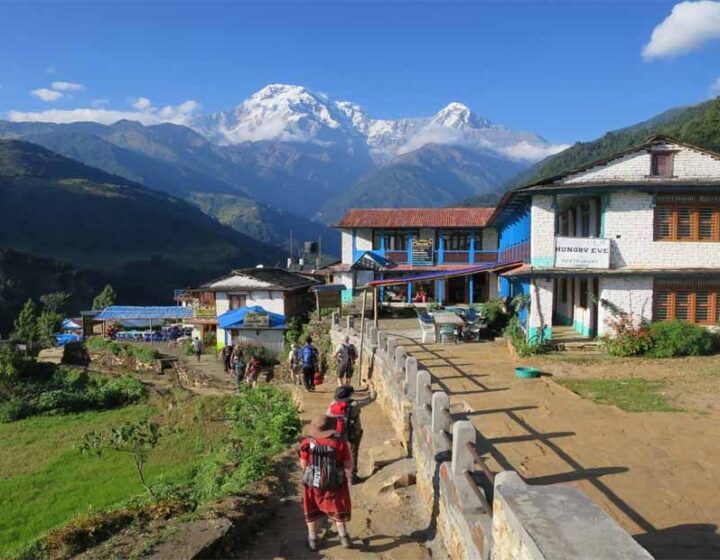
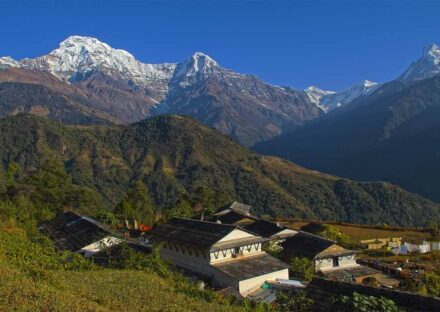
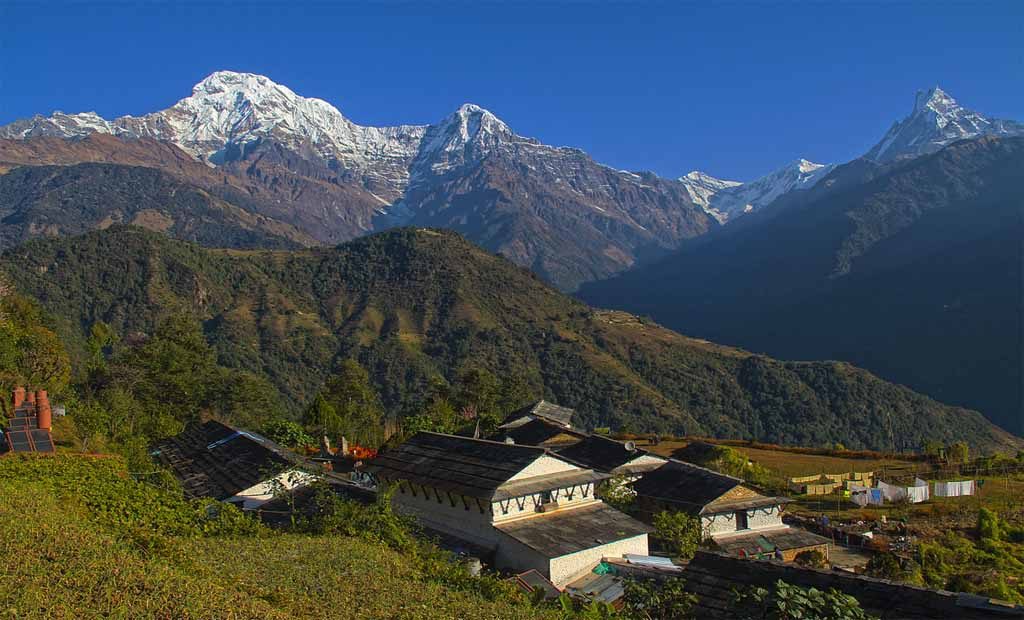
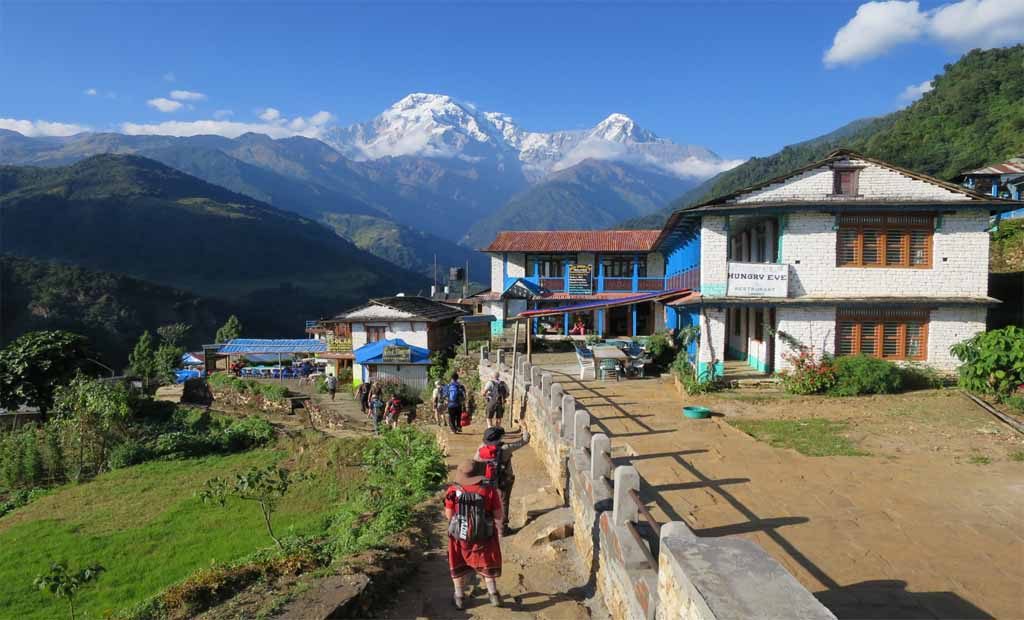
Ghandruk itself is one of the most beautiful Gurung villages in Nepal, famous for its traditional stone houses, narrow lanes, and warm hospitality. The village is surrounded by breathtaking views of Annapurna South, Hiunchuli, and Machapuchare (Fishtail), making it a photographer’s paradise. The cultural richness of the Gurung people, along with the peaceful environment and dramatic Himalayan backdrop, makes Ghandruk a memorable first stop on the Annapurna Base Camp trek.
The trek from Ghandruk to Chomrong is a scenic and culturally rich section of the Annapurna Base Camp route. Chomrong village is situated at an altitude of approximately 2,170 meters (7,119 feet) above sea level, making it higher than Ghandruk and a perfect next stop for acclimatization. The trail winds through terraced fields, rhododendron and oak forests, and charming hamlets, offering glimpses of local life along the way.
From Ghandruk, the path first descends through stone stairways and small streams before gradually ascending toward Chomrong. Trekkers can enjoy the views of the majestic Annapurna South, Machapuchare (Fishtail), and Hiunchuli peaks, which appear closer and more dramatic with each step. The village itself is a picturesque settlement of stone and wooden houses, surrounded by lush greenery. Its serene atmosphere, clean mountain air, and panoramic Himalayan vistas make Chomrong a highly appreciated stop on the journey toward Annapurna Base Camp.
After Breakfast, the road to Chomrong Khola begins and continues to Khuldighar (2,380m), where there used to be an ACAP (Annapurna Conservation Area) checkpoint. A little further, there is a clearing from which the path leads very abruptly down a rocky bank and then stretches through bamboo thickets at the bottom of the gorge and always runs on the west side of the river. Night stay at Lodge in Doban.
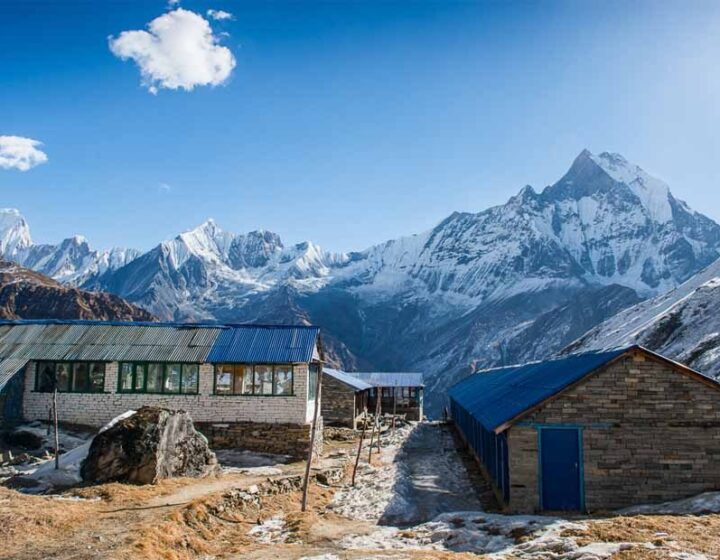
You will feel the sting of the air when you climb high above Doban's starting point and overlook a river far below. You climb the side moraine of a glittering glacier and then come to the glacier bed on the other side before reaching Annapurna Base Camp. At an impressive altitude of 4237 m above sea level, This is your overnight stopover. It's time to reap the benefits of your hard trekking! Miles above the ground, you have the whole day to walk around the base camp and enjoy the beauty and majesty of Annapurna. Sunrise and sunset are spectacular performances of the original theatre, and you should not miss it.
You will enjoy a last fiery sunrise in Annapurna before starting the trek down to the mountain. Your route ends in the village of Bamboo, named after the dense and tall bamboo forest that surrounds it. You will spend the night in bamboo at Lodge.
The stone stairs and their steep and unforgiving steps await you again! On the way to Kuldi, walk through the bamboo forest, passing the lively rhododendron flowers. After lunch, walk through Sinuwa and Modi Khola before taking an exhilarating climb to Chhomrong. Night stay at Lodge in Chhomrong.
After leaving Chomrong, the trail descends through stone steps, passing terraced fields and small Gurung villages with beautiful views of the Annapurna range behind you. The walk is mostly downhill, making it easier but still requiring care on the steep sections. As you continue, you’ll pass through lush forests and cross small streams before reaching Kyumi, a quiet settlement surrounded by greenery. From Kyumi, a local jeep or private vehicle can be arranged for the drive back to Pokhara. The drive winds along mountain roads, offering glimpses of rivers, waterfalls, and hillside farming communities. As you descend, the air becomes warmer and more tropical, and the bustling energy of Pokhara welcomes you back. This journey marks the end of the trek, blending a final village walk with a comfortable drive. Pokhara’s lakeside area is perfect for relaxation after days of trekking in the Annapurna region.
Once reaching Kiwel, trekkers can catch a jeep or local transport back to Pokhara, which usually takes about 3 to 4 hours. The drive retraces through the Marsyangdi Valley, passing rivers, farmland, and villages, offering a final scenic glimpse of rural Nepal. Returning to Pokhara, travelers are greeted by the city’s lakefront beauty and stunning views of the surrounding mountains, marking a relaxing end to the trek.
The journey from Pokhara to Kathmandu covers about 210 kilometers and can be done either by road or air. Driving takes 6–7 hours along the Prithvi Highway, passing through rivers, terraced fields, and lively towns, with scenic views of hills and countryside. Though longer, the drive offers a glimpse of Nepal’s rural life. Alternatively, a short 25–30 minute flight provides a faster and more comfortable option, with breathtaking aerial views of the Himalayas and valleys. Whether by road or air, the journey reconnects travelers with Nepal’s vibrant capital, marking the end of a Himalayan adventure.
On your final day in Nepal, our representative will escort you from your hotel to Tribhuvan International Airport for your departure. After breakfast, you may have a little time to enjoy a last stroll around the neighborhood, capture a few photographs, or buy some souvenirs before checking out. Our team will ensure your transfer is smooth and timely, assisting with luggage and making sure you arrive at the airport well ahead of your scheduled flight. The drive to the airport offers one last chance to take in the sights and sounds of Kathmandu’s bustling streets, colorful shops, and vibrant local life. As you head toward the airport gates, you carry not only your belongings but also memories of Nepal’s majestic mountains, warm hospitality, and unique culture. With gratitude and good wishes, we bid you farewell, hoping to welcome you back for another journey in the Himalayas.
Included
- All airport, hotel airport transfers.
- 2-night hotel in Kathmandu
- 2-night hotel in Pokhara
- Flight fare from Kathmandu to Pokhara
- Transfers Pokhara airport to Nayapul
- Conservation & TIMS permit.
- Accommodation in the tea house
- Food, Tea/coffee during trek.
- Guide: – including salary, insurance, equipment, flight, food and lodging.
- Porter: – including salary, insurance, equipment, food and lodging.
- For guest: -Down jacket, Good sleeping bag (down jacket and sleeping bag are to be returned after trip completion).
- Transfer from Nayapul to Pokhara
- Transfer from Pokhara hotel to Airport
- Transfer from Kathmandu Airport to hotel in Kathmandu
- All government and local taxes
- Final departure from hotel to international airport transfer.
Not Included
- Food in Kathmandu ( Lunch & Dinner).
- Bakery food during the trek.
- Nepal Visa fee.
- International airfare.
- Extra night accommodation in Kathmandu.
- Travel and rescue insurance if guest get mountain sickness and need to rescue helicopter.
- Personal expenses example (phone calls, laundry service , bar bills, battery recharge, WIFI charge, extra porters, bottle water or boiled water, shower etc.)
- Tips for guide and porters
- Sightseeing sport fees. tours guide cost and vechicle cost
Join Us Upcoming Trips
Book this trip with us. Here are the upcoming dates. Feel free to share this trip with your friends and family. For custom trips or general inquiries contact us.
| Departure Date | Trip Duration | Price | Status | |
|---|---|---|---|---|
| 04 May, 2026 | 9 days | USD $1925 | Fixed departure | |
| 04 October, 2026 | 9 days | USD $1925 | Fixed departure | |
| 22 October, 2026 | 9 days | USD $1925 | Fixec departure | |
| 28 October, 2026 | 9 days | USD $1925 | Fixed departure | |
| 05 November, 2026 | 9 days | USD $1925 | Fixec departure | |
| 15 November, 2026 | 9 days | USD $1925 | Fixed departure | |
| 30 November, 2026 | 9 days | USD $1925 | Fixed departure | |
| 05 December, 2026 | 9 days | USD $1925 | Fixed departure |
Useful Info
Stunning Views: The trek offers breathtaking views of Annapurna I (8,091 m), Annapurna South, Machapuchare (Fishtail), and Hiunchuli.
Cultural Experience: You'll pass through traditional Gurung and Magar villages, experiencing their hospitality and culture.
Hot Springs: Natural hot springs at Jhinu Danda are a perfect way to relax after trekking.
Diverse Landscapes: The route traverses the area’s lush forests, terraced fields, and high-altitude terrain.
Trek Details
Duration: 7-12 days (depending on the route and pace)
Difficulty: Moderate (suitable for trekkers with a good fitness level)
Starting Point: Nayapul or Ghandruk (accessible from Pokhara)
Highest Altitude: 4,130 m (Annapurna Base Camp)
Best Seasons:
Spring (March-May): Clear skies, blooming rhododendrons.
Autumn (September-November): Pleasant weather and excellent visibility.
Permits Required
TIMS (Trekkers’ Information Management System) Card Cost: USD 10-20 (depending on whether you are trekking independently or in a group)
ACAP (Annapurna Conservation Area Permit) Cost: USD 30 per person You can get these permits in Kathmandu or Pokhara.
Packing Essential Clothing:
Layers (lightweight for daytime, warm layers for evenings)
Waterproof jacket and pants
Sturdy trekking boots
Gear: Trekking poles, Sleeping bag (rated for cold conditions) Daypack
Other: Water purification tablets or a filter. Snacks and energy bars. Sunscreen, sunglasses, and a hat; First aid kit (altitude sickness meds included)
Accommodation and Food
Lodges/Tea Houses: Basic but comfortable accommodations are available along the route.
Meals: Dal Bhat (lentil soup with rice) is the staple; other options include noodles, momos, pancakes, and omelets.
Altitude Sickness Tips
Ascend gradually; follow the "climb high, sleep low" rule.
Stay hydrated and avoid alcohol.
Be aware of symptoms like headache, nausea, or dizziness
Travel Tips
Start your trek from Pokhara, a lakeside city with easy access to Nayapul or Ghandruk.
Hire a guide or porter for added support and local insights.
Carry Nepali rupees in cash for expenses during the trek.
Gallery
FAQs
-
How difficult is the Annapurna Base Camp (ABC) 10-day trek?
The ABC trek is considered moderate in difficulty. While it does not require technical climbing skills, trekkers must be prepared for steep ascents and descents, long walking hours, and high-altitude terrain. A reasonable level of fitness and mental resilience is recommended.
-
What is the best time to do the ABC trek?
Spring (March to May) – Clear skies, blooming rhododendrons, and mild temperatures. Autumn (September to November) – Crisp air, stable weather, and excellent mountain views.Winter (December to February) – Possible but cold, with snow at higher elevations.Monsoon (June to August) – Less favorable due to heavy rain and leeches.
-
What is the highest point of the trek?
The highest elevation on the trek is Annapurna Base Camp (4,130 meters / 13,550 feet).
-
Is travel insurance necessary?
Yes, it is highly recommended to have travel insurance covering high-altitude trekking, medical emergencies, and evacuation.
-
How do I get to the starting point of the trek?
The trek usually starts from Nayapul or Jhinu Danda, which are a 1.5 to 2-hour drive from Pokhara. Pokhara itself is accessible by a 30-minute flight or 6-7 hour drive from Kathmandu.
-
What food is available on the trek?
Teahouses offer a variety of meals, including dal bhat (rice, lentils, and vegetables), noodles, soups, momos (dumplings), pasta, and breakfast options like porridge and eggs. Vegetarian options are widely available.