

Overview-Sagarmatha National Park
Sagarmatha National Park is regarded as one of the most iconic protected areas in Nepal, and it is widely known across the world for being home to Mount Everest, the highest mountain on Earth. Established in 1976 and later recognized as a UNESCO World Heritage Site, the park has been preserved for its outstanding natural beauty, fragile mountain ecosystems, and deep-rooted Himalayan culture. Covering an area of about 1,148 square kilometers, the park stretches across the high Himalayan region of eastern Nepal. Towering peaks, deep valleys, massive glaciers, and ancient trails are all gently enclosed within this protected landscape. As a result, Sagarmatha National Park has been admired not only for its mountains but also for its atmosphere of endurance, spirituality, and natural harmony.
Introduction to Sagarmatha National Park
Sagarmatha National Park was created with the intention of protecting the unique mountain environment of the Everest region while allowing traditional mountain communities to continue their lifestyle. Over time, it has been shaped by nature and human history together. While the name “Sagarmatha” is the Nepali name for Mount Everest, the park itself includes many other legendary peaks such as Lhotse, Nuptse, Ama Dablam, and Cho Oyu. Along with these giants, high-altitude settlements, monasteries, and grazing lands have been quietly preserved. Therefore, the park has been introduced not only as a trekking destination but also as a living cultural landscape.
Location of Sagarmatha National Park
Sagarmatha National Park is located in the Solukhumbu District of eastern Nepal, close to the border with Tibet. It lies within the Khumbu region, which is often described as the heart of Sherpa land. The park begins at lower alpine valleys and rises dramatically to the summit of Mount Everest at 8,848.86 meters. Because of this vast elevation range, a wide variety of landscapes has been included. Deep river gorges, ice-covered peaks, and high mountain passes are all found within the park’s boundaries. Consequently, the location has been considered one of the most dramatic mountain regions in the world.
How to Reach the Park—Transportation
Access to Sagarmatha National Park is most commonly achieved through air travel, although overland routes also exist. In most cases, a short flight is taken from Kathmandu to Lukla, which is known for its mountain runway and scenic approach. From Lukla, the park is entered on foot, and trekking routes gradually lead deeper into the protected area. Alternatively, the region can be reached by driving to Jiri or Salleri, followed by several days of walking. While these routes are longer, they offer a gradual approach and a deeper cultural experience. Therefore, transportation options have been designed to suit different trekking preferences and timeframes.
Main Attractions of the Park
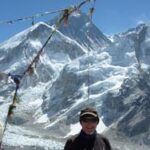
The main attractions of Sagarmatha National Park are dominated by its towering peaks and dramatic scenery. Mount Everest naturally stands as the central highlight, yet many other mountains add equal beauty and character. Ama Dablam is admired for its elegant shape, while Lhotse and Nuptse rise sharply above the Khumbu Glacier. Additionally, the Gokyo Lakes, with their turquoise waters, have been regarded as sacred and visually striking. Icefalls, hanging glaciers, and high passes such as Cho La and Renjo La further enrich the experience. As a result, the park is continuously celebrated for its unmatched alpine grandeur.
What Is Seen During the Trek
During a trek inside Sagarmatha National Park, a wide range of natural and cultural scenes is gradually revealed. Stone-built villages, prayer walls, and colorful prayer flags are seen along ancient trails. Suspension bridges decorated with Buddhist symbols are crossed over roaring rivers. As elevation increases, forests give way to alpine meadows and rocky terrain. Glaciers, icefalls, and snow-covered ridges then dominate the view. At the same time, monasteries such as Tengboche Monastery provide moments of spiritual calm. Therefore, what is seen is not limited to mountains alone but includes a complete Himalayan experience.
Difficulty Level of Trekking
Trekking in Sagarmatha National Park is considered moderately difficult to challenging, depending on the chosen route. While technical climbing skills are not required for standard treks, the high altitude presents a significant challenge. Long walking days, cold temperatures, and thin air must be managed carefully. Proper acclimatization is essential and is usually built into trekking itineraries. Because trails are well established, trekking is made easier, yet physical fitness is still required. Thus, the difficulty is mainly shaped by altitude rather than trail conditions.
People of the Everest Region
The park is home primarily to the Sherpa people, who have lived in the region for generations. Their presence has shaped the identity of Sagarmatha National Park in a deep and meaningful way. Traditionally, Sherpas were involved in farming, herding, and trade across Himalayan passes. Over time, mountaineering and trekking have become important sources of livelihood. Despite increasing tourism, their strong sense of community and hospitality has been maintained. Therefore, the people are considered one of the park’s greatest treasures.
Culture, Lifestyle, and Religion
Sherpa culture within Sagarmatha National Park is strongly influenced by Tibetan Buddhism. Monasteries, mani walls, and chortens are found throughout the region, and daily life is closely tied to religious practice. Festivals such as Mani Rimdu are celebrated with masked dances and prayers. The lifestyle is simple and adapted to the harsh mountain environment. Stone houses, yak herding, and seasonal farming are still practiced. Although modern influences have arrived, traditional values continue to be respected. Consequently, culture and religion remain deeply woven into everyday life.
Crowding and Tourism Pressure
Sagarmatha National Park is one of Nepal’s most visited trekking areas, especially during peak seasons. Routes leading to Everest Base Camp can become busy, particularly in spring and autumn. However, quieter trails still exist, such as those leading to Gokyo Valley or the Three Passes. Management measures have been introduced to reduce environmental impact and regulate visitor flow. Therefore, while some areas are crowded, peaceful experiences can still be found with proper planning.
Flora and Fauna
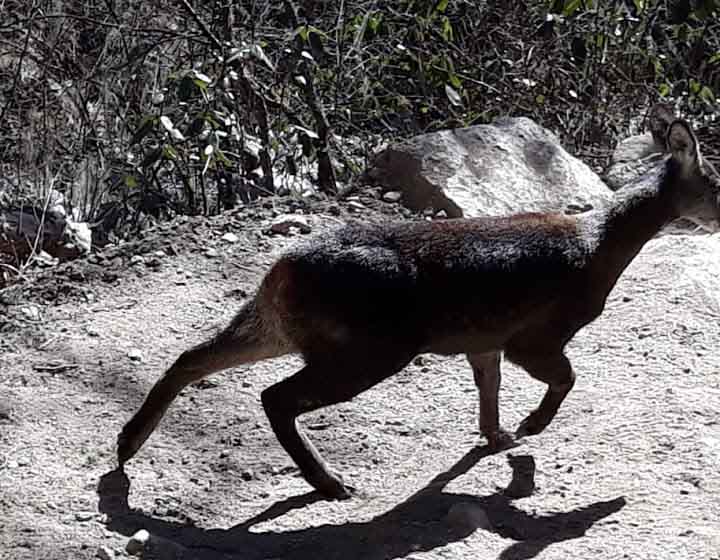
Despite its high altitude, Sagarmatha National Park supports a surprising variety of wildlife. Rare animals such as the snow leopard, red panda, Himalayan tahr, and musk deer inhabit the region, although they are rarely seen. Birdlife includes the Himalayan monal, snow pigeons, and various eagles. These species have adapted to extreme conditions and fragile ecosystems. As a result, the park has been recognized as an important conservation area for alpine wildlife.
Vegetation Zones
Vegetation in Sagarmatha National Park changes dramatically with altitude. Lower areas are covered with forests of pine, fir, birch, and rhododendron. As elevation increases, trees become sparse and are replaced by shrubs and alpine grasses. Above the tree line, vegetation is limited to mosses and hardy plants. This gradual transition creates diverse landscapes and colors throughout the trek. Therefore, the park offers a clear lesson in Himalayan ecological zones.
Overall Atmosphere
The atmosphere of Sagarmatha National Park is often described as powerful yet peaceful. Vast open skies, sharp peaks, and quiet valleys create a sense of humility and reflection. At the same time, the presence of prayer flags and monasteries adds spiritual depth. Cold winds, thin air, and long views remind trekkers of nature’s scale. Consequently, the atmosphere is felt as both inspiring and grounding.
Best Time to Trek in Sagarmatha National Park
The best time to trek in Sagarmatha National Park is during spring (March to May) and autumn (September to November). In spring, rhododendrons bloom and the weather is stable. In autumn, skies are clear and mountain views are sharp. Winter trekking is possible but cold, while summer brings monsoon rains and clouds. Therefore, timing is important for safety and enjoyment.
Why Join Himalayan Realms Treks for the Everest Region
Choosing The Himalayan Realms Treks and Expedition Nepal Pvt. Ltd. for trekking in Sagarmatha National Park ensures a well-managed and meaningful journey. With decades of combined experience in the Himalayan trekking industry, routes are carefully planned and safety is prioritized. Knowledgeable local guides, responsible trekking practices, and personalized service are consistently provided. Moreover, cultural respect and environmental awareness are emphasized throughout each journey. As a result, treks are not only completed but also deeply experienced.
Trekking Routes Connected to Sagarmatha National Park
Several famous trekking routes are connected within Sagarmatha National Park. These include the Everest Base Camp Trek, Gokyo Lakes Trek, Three High Passes Trek, and routes to Everest Viewpoints such as Gokyo Ri and Kala Patthar. Additional connections extend toward Jiri, Salleri, and even high passes leading toward the Makalu-Barun region. Therefore, the park serves as a central hub for multiple Himalayan adventures.
Conclusion
Sagarmatha National Park stands as a symbol of Himalayan beauty, resilience, and tradition. From towering peaks to quiet monasteries, from ancient trails to modern trekking routes, everything within the park tells a story of balance between nature and people. While challenges are present, rewards are greater. Through careful planning and responsible travel with The Himalayan Realms Treks and Expedition Nepal Pvt. Ltd., the Everest region can be explored safely and meaningfully. In the end, Sagarmatha National Park is not only visited—it is felt, remembered, and respected.