The Ama Yangri Trek is a quiet and lesser-known route in Nepal’s mid-hills. It offers a true Himalayan experience without the crowds found on popular trails. This easy five-day trek passes through calm valleys, small villages, green forests, and terraced fields. Along the way, trekkers can enjoy the natural beauty and daily life of rural Nepal.
The trek is ideal for those seeking a short and meaningful journey. It blends nature, local culture, and spiritual sites. Unlike the busy Annapurna or Everest routes, Ama Yangri feels peaceful and open. The trail offers scenic views and a close connection with local Himalayan communities.
Interdiction
The Ama Yangri Trek is not widely advertised, which preserves its pristine nature and cultural authenticity. It is ideal for travelers who prefer an off-the-beaten-path experience, away from crowded lodges and tourist hotspots. because it is lesser known, trekkers can interact closely with local communities. They can witness traditional lifestyles and daily village life. The landscapes remain largely untouched by tourism. The trek requires a fair level of fitness. Moderate ascents and descents are part of the route. However, it is suitable for most healthy travelers. Those seeking a short trek with strong cultural value will find Ama Yangri rewarding. It blends natural beauty with local traditions in a balanced way.
Location
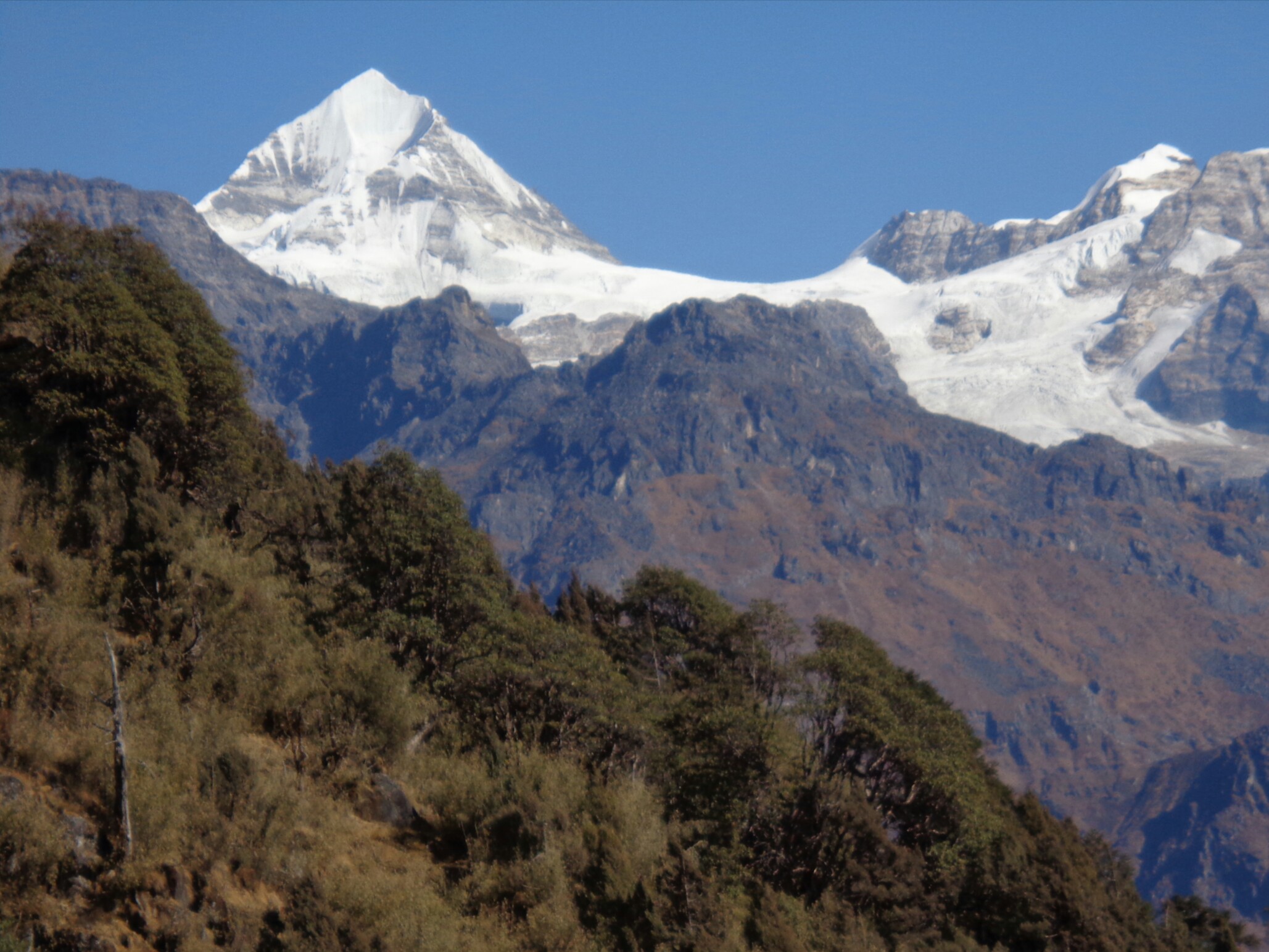
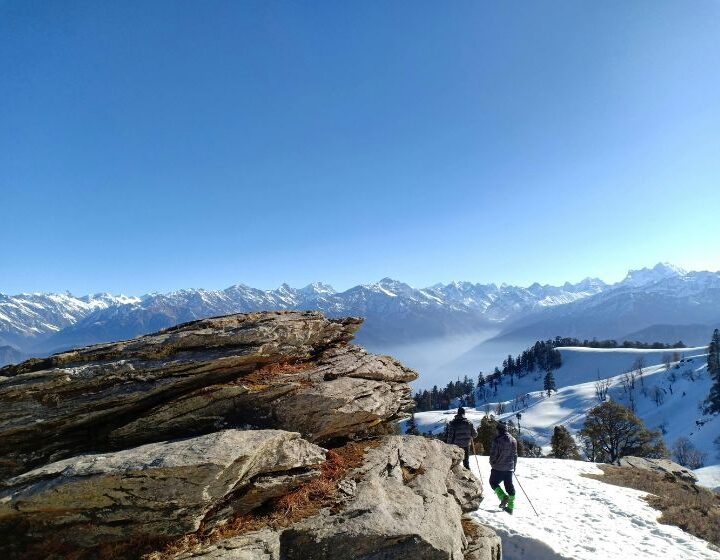
Ama Yangri is situated in the mid-hills of central Nepal, often accessed through the Sindhupalchok or Kavrepalanchok districts, depending on the chosen route. The region is characterized by terraced fields, rolling hills, and small hamlets, offering panoramic views of the Langtang and Ganesh Himal ranges on clear days. Its proximity to Kathmandu makes it an attractive option for trekkers seeking a quick Himalayan escape. The trail passes through verdant forests of rhododendron, oak, and pine, gradually climbing to viewpoints that reveal spectacular landscapes, including distant snow-capped peaks and lush valleys below.
How to Reach – Transportation
Reaching the trailhead of Ama Yangri is straightforward from Kathmandu. Most trekkers begin their journey with a scenic drive from Kathmandu, which can take 4–6 hours depending on road conditions. Private vehicles or organized tour jeeps are the most convenient mode of transport, offering comfort and flexibility. Although public buses and shared jeeps are available, they can be less comfortable and more time-consuming. Typically, the trek begins from a small village or road-accessible settlement where guides and porters can be arranged. Because Ama Yangri is relatively remote, therefore, traveling early in the morning is advisable to avoid delays on rural roads.
Main Attraction – Ama Yangri trek
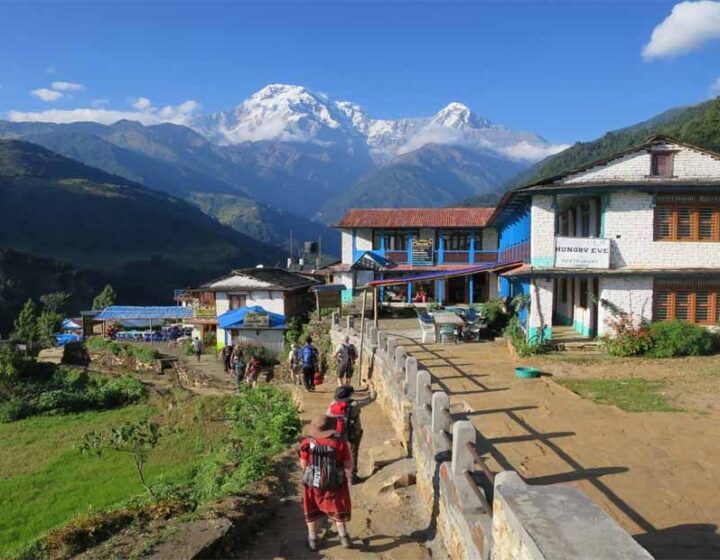
Ama Yangri is rich in natural and cultural attractions. The trek takes you through traditional Nepali villages where time-honored customs still thrive. You will witness terraced rice fields, grazing livestock, and farmhouses built with stone and timber.
The region’s forests are rich in Himalayan flora and fauna. Trekkers may spot exotic birds, monkeys, and small mammals along the trail. Scenic viewpoints provide wide views of rolling hills and distant Himalayan peaks. These views are especially beautiful at sunrise and sunset. Cultural highlights include ancient temples, monasteries, and sacred local shrines. If timed well, trekkers can observe traditional rituals and seasonal festivals.
Difficulty and Rewarding Experience – Ama Yangri Trek
The Ama Yangri Trek is a moderate five-day journey suitable for most trekkers. The trails are manageable and well defined. The route passes through forests, terraced farmland, and gentle ridges. Some short sections are steep and require steady stamina. The highest point reaches 3,771 meters (12,372 feet). Despite this elevation, the risk of altitude sickness is relatively low due to gradual ascent. The trek rewards travelers with quiet landscapes and lush rhododendron forests. Wide Himalayan panoramas appear along the ridgelines. Small villages along the trail add cultural depth. Local people share warm hospitality and traditional lifestyles. The trek remains peaceful and far less crowded than major trekking regions.
People, Culture, and Lifestyle
The Ama Yangri region is home to welcoming hill communities deeply connected to Tibetan Buddhist traditions. Daily life revolves around farming, herding, and local trade. Stone houses, prayer flags, and mani walls define the villages. Monasteries play an important role in spiritual and social life. Visitors gain close insight into authentic Himalayan culture. The slow pace of life adds to the trek’s charm and meaning.
The local inhabitants of the Ama Yangri region are predominantly of Tamang and Newar ethnicities, with their distinct languages, customs, and social practices. These communities are known for their warm hospitality, intricate handicrafts, and agricultural lifestyle. Daily life revolves around farming, animal husbandry, and trade within nearby villages. Trekkers can observe traditional ceremonies, local festivals, and spiritual practices that have been preserved over generations. Villagers are deeply connected to the land and mountains, regarding them as sacred entities that sustain life.
Religion
Religion plays a central role in the lives of the Ama Yangri people. The region is predominantly Buddhist, with influences of Hinduism in local rituals and temples. Monasteries and chortens are scattered along the trail, and prayer flags flutter along ridges and hilltops, symbolizing blessings and harmony with nature. Trekkers can witness local monks performing daily prayers, religious festivals, and offerings that provide insight into the spiritual fabric of rural Nepal. This integration of spirituality with daily life makes Ama Yangri unique among short treks in Nepal.
How Crowded– Ama Yangri Trek
The Ama Yangri Trek is far less crowded than Nepal’s most popular trekking destinations. These include Annapurna Base Camp, Annapurna Circuit, Everest Base Camp, Gokyo Lake, Renjo La Pass, Cho La Pass, Langtang, and Gosainkunda. The Annapurna and Everest routes attract thousands of trekkers each year. This is especially noticeable during peak trekking seasons. In contrast, Ama Yangri remains quiet and off the beaten path. During the trekking season, you may encounter a few fellow trekkers. However, the trail never feels congested. Large sections can be enjoyed in peaceful solitude.
Peaceful Trails and Authentic Experience
The low number of trekkers creates a more authentic and immersive trekking experience. Unlike the busy Annapurna Circuit or Everest Base Camp routes, Ama Yangri feels calm and natural. Lodges and trails remain uncrowded throughout the journey. This allows trekkers to connect more deeply with the landscape and surroundings. The peaceful environment enhances the overall trekking experience.
Accommodation and Local Hospitality
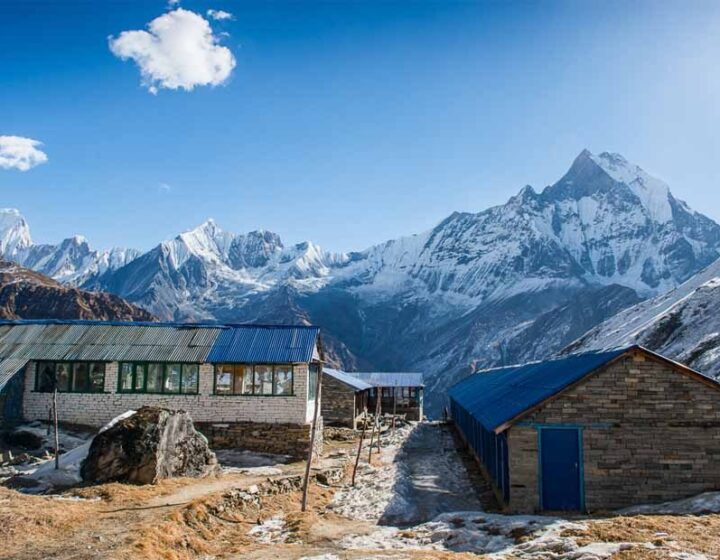
Accommodation along the Ama Yangri Trek is simple and locally managed. Most stays are in traditional teahouses and homestays. These offer a warm and personal atmosphere. Facilities are basic but comfortable. They are far less commercialized than those on major trekking routes. Local villagers welcome trekkers with genuine hospitality. This provides meaningful interaction and insight into traditional Himalayan life.
Why Ama Yangri Is an Ideal Choice
Overall, Ama Yangri is ideal for trekkers seeking peace and quiet. It does not compromise on scenery, culture, or adventure. The trek highlights the beauty of Nepal’s mid-hill Himalayas. At the same time, it avoids the heavy crowds common on the Annapurna and Everest trails. This balance makes Ama Yangri a rewarding and refreshing trekking destination.
Flora and Fauna
Ama Yangri is blessed with diverse flora and fauna. Forests of rhododendron, oak, pine, and maple dominate the landscape, creating vibrant colors in spring and autumn. Birdwatchers will delight in spotting Himalayan monals, pheasants, and other endemic species. Monkeys and Himalayan squirrels are common, while more elusive wildlife, such as leopards and wild boars, may inhabit deeper forest areas. Seasonal flowers add bursts of color along the trail, enhancing the trek’s scenic beauty.
Vegetation
The trek passes through a range of vegetation zones. Lower elevations feature terraced farmland interspersed with subtropical trees and shrubs. As the trail climbs, temperate forests of oak, rhododendron, and pine dominate, offering shade and fresh mountain air. Higher altitudes provide scrub vegetation and hardy shrubs adapted to cooler temperatures. This transition in vegetation zones adds to the trek’s ecological diversity and makes it an excellent destination for nature enthusiasts and photographers.
Atmosphere
The Ama Yangri Trek is characterized by tranquility, authenticity, and an immersive connection with nature. Morning mists, chirping birds, and the distant ringing of temple bells create a serene atmosphere that rejuvenates the spirit. Villages along the trail exude warmth and simplicity, with children playing in fields and farmers tending their crops. The air is crisp and clean, providing a refreshing contrast to urban environments. The combination of natural beauty, cultural immersion, and spiritual presence makes Ama Yangri a deeply satisfying trekking experience.
Why Choose the Ama Yangri Trek
Ama Yangri is ideal for trekkers seeking a short, culturally rich, and scenic Himalayan experience. Overall, it strikes a fine balance between adventure, relaxation, and cultural discovery. In contrast to longer and more commercial treks, it offers a genuine glimpse into rural Nepal. Additionally, the moderate difficulty level makes the trail accessible to a wide range of trekkers. Along the route, forests, open hillsides, and scenic viewpoints steadily create lasting visual impressions. Meanwhile, the trek appeals to travelers who value both natural beauty and cultural depth. Ultimately, Ama Yangri delivers meaningful insight into traditional Himalayan life without demanding a long time commitment.
Why Join Himalayan Realms Treks for Ama Yangri Trek
Choosing The Himalayan Realms Treks and Expedition Nepal Pvt. Ltd. ensures a seamless and enriching trekking experience. Our experienced guides know the Ama Yangri region well and share deep cultural, historical, and ecological insights. We manage all logistics, including transport, permits, accommodation, and meals. This allows trekkers to focus fully on the journey. Safety remains a top priority, with trained guides, clear emergency plans, and dedicated support staff at every stage. Our small group sizes and personalized service ensure attentive care and a customized experience for every trekker.
Connected Trekking Routes
Ama Yangri can be combined with several other trekking routes for travelers seeking extended adventures. The trail connects with nearby ridges leading toward the Helambu Trek, renowned for its scenic villages and panoramic Himalayan views. Trekkers can additionally extend their journey to reach the Langtang Valley, exploring snow-capped peaks, glaciers, and high-altitude lakes. As a result, these connections make Ama Yangri a flexible trekking choice. Consequently, it suits both short escapes and longer, more demanding Himalayan routes.
Conclusion
The Ama Yangri Trek is a hidden gem in Nepal’s trekking scene. It offers a good mix of natural beauty, local culture, and spiritual experiences. Over five days, trekkers walk through green forests, traditional villages, and wide scenic viewpoints. Along the way, they meet friendly local people.
The trek is moderately easy and sees few visitors.Its changing scenery makes it suitable for both new and experienced trekkers. Moreover, the Himalayan Realms Treks and Expedition Nepal Pvt. Ltd. ensures a safe and well-planned journey. With expert guides, cultural insights, and personal support, the trip becomes even more enjoyable. Furthermore, Ama Yangri works well as a short trek on its own or alternatively as a starting point for longer routes such as Helambu or Langtang.
Itinerary
Your day begins with a 7:00 AM drive from Kathmandu toward Timbu, passing through scenic hills, rivers, and small settlements. The trek starts around 11:00 AM, gradually climbing toward Tarke Ghyang through forests of pine and rhododendron. You walk 4–5 hours, crossing small bridges, terraced fields, and traditional Sherpa hamlets. Throughout the day, you see waterfalls, farmhouses, and beautiful hill landscapes. By afternoon, you reach the peaceful village of Tarke Ghyang, known for its ancient monastery, wide stone-paved lanes, and warm Sherpa hospitality. Overnight here offers a calm introduction to the cultural richness of Helambu.
The day begins at 7:30 AM, climbing gradually through dense rhododendron, pine, and oak forests. The trek takes 4–5 hours and offers peaceful surroundings with birdsong, fresh mountain air, and occasional views of Dorje Lakpa and Gangchempo. You pass small yak pastures, prayer flags, wooden rest areas, and moss-covered trails. As altitude increases, the landscape shifts from farmland to alpine forest. By midday, you reach Yangri danda.
Starting early at 5:00 AM, you hike 3–4 hours to the Ama Yangri viewpoint, the highest point of the trek. The ascent is steep but rewarding, with dawn light revealing layers of hills and glowing Himalayan peaks. From the summit, you see magnificent views of Langtang Lirung, Shishapangma, Dorje Lakpa, and even distant Everest on clear days. The day offers fluttering prayer flags, chortens, and deep valleys stretching endlessly. After enjoying the panorama, you descend 3 hours back to Tarke Ghyang through the same peaceful forest. The afternoon is spent exploring the village and relaxing.
Your trek begins at 7:30 AM, following a gentle trail across forests, open ridges, and traditional settlements. Walking 4–5 hours, you pass chortens, mani walls, farmlands, and apple orchards. Throughout the day, you enjoy sweeping views of rolling hills and glimpses of the Helambu region’s cultural lifestyle. Local people working in fields, grazing animals, and prayer flags add charm to the journey. By midday, you reach the beautiful village of Sermathang, known for its monasteries and peaceful Tibetan-Buddhist heritage. The day ends with a relaxed exploration of the village and surrounding viewpoints.
You start at 7:30 AM for a 3–4 hour descent toward Melamchi Bazaar. The trail passes through small villages, terraced fields, and subtropical forests with bamboo, pine, and seasonal crops. The day offers scenic hillside views, village life, and warm local interactions. As you descend, the climate becomes warmer and greener. By late morning, you reach Melamchi Bazaar (870m / 2,854 ft). After lunch, you drive 3–4 hours back to Kathmandu, enjoying river valleys, small bridges, and mountain road scenery. The trek concludes with a final view of Nepal’s mid-hill landscapes.
Your final departure begins with a smooth transfer from your hotel to the airport. Our representative meets you in the lobby 3 hours before your flight, assists with luggage, and ensures all travel arrangements are in order. You then board a comfortable private vehicle for the drive through Kathmandu’s busy yet colorful streets. During the short journey, you can enjoy your last glimpses of the city’s culture and scenery. Upon reaching the airport, our staff helps you with baggage and guides you to the departure gate. With warm farewells, we wish you a safe flight and hope to welcome you back to Nepal again.
Included
2 Night accommodation in Kathmandu with a B/B basis plan
Kathmandu to Timbu by bus.
All airport and hotel transfers
National permit & TIMS permit ( Trekking Information Management System)
Accommodation, food and tea/coffee during the trek
Guide:- including salary, insurance, equipment, flight, food, and lodging
Porter:- including salary, insurance, equipment, food, and lodging
Equipment such, , Good sleeping bag and down jacket. (down jacket and sleeping bag are to be returned after trip completion)
All government and local taxes
Sermathang of Kakani to Kathmandu transportation by private vehicle • All government and local taxes
Not Included
Food in Kathmandu Lunch & Dinner
Bakery food during the trek. When you eat in the bakery that you need to pay by yourself
Nepal Visa fee
International airfare from your country to Kathmandu and from Kathmandu
Extra night accommodation in Kathmandu.
Travel and rescue insurance if the guest gets mountain sickness and needs to res helicopter.
Personal expenses example (phone calls, laundry service, bar bills, battery recharge, extra porters, bottle or boiled water, shower etc)
Tips for guide and porters ( if you are happy with them from theirs serves)
Useful Info
Ama Yangri Trek – Helambu | Useful Information
The Ama Yangri Trek lies in the Helambu region, north of Kathmandu. It is one of the best short treks near the capital. The trek combines Himalayan views, cultural villages, and quiet forest trails. Because of its moderate height and easy access, it suits both beginners and experienced trekkers.
Ama Yangri is considered a sacred peak by the local Hyolmo Buddhist community. The area remains peaceful and less commercial.
Trek Duration: The trek normally takes 3 to 5 days, depending on the starting point and walking pace. It can also be extended to link with Helambu or Langtang routes.
Maximum Elevation: Ama Yangri Peak:3,771 meters / 12,372 feet
This altitude is safe for most trekkers and does not require extra acclimatization days.
Starting Point & Access
The trek usually starts from Tarkegyang or Sermathang.
Drive time from Kathmandu: 5–7 hours
Road access is available, but conditions vary by season.
Trek Difficulty
The trek is easy to moderate.
Daily walking: 4–6 hours
Trails include forest paths, stone steps, and village tracks
Suitable for families, beginners, and short holiday trekkers
Best Seasons
Spring (March–May): Rhododendron forests in bloom, clear views
Autumn (September–November): Best weather, stable conditions
Monsoon (June–August): Lush greenery but cloudy and slippery trails
Accommodation
Accommodation is in local tea houses and homestays.
Clean rooms with basic facilities
Warm hospitality from Hyolmo families
Limited electricity and Wi-Fi in some villages
Food & Drinking Water
Nepali meals (dal bhat, rice, vegetables)
Simple Western items (noodles, soup, pancakes)
Boiled and filtered water available
Bottled water is limited; purification tablets are recommended
Culture & Religion
The Helambu region is home to the Hyolmo people.
Strong Tibetan Buddhist traditions
Ancient monasteries and prayer walls
Mani stones, chortens, and prayer flags along the trail
Respect local customs and monasteries, and dress modestly in villages.
Scenery & Highlights
Panoramic views of Langtang, Ganesh Himal, Dorje Lakpa, and Jugal Himal
Forests of pine, oak, and rhododendron
Quiet villages with traditional stone houses
Sunrise and sunset from Ama Yangri summit
Permits Required
Langtang National Park Entry Permit and TIMS Card (trekking information management system)
These are easily arranged in Kathmandu.
Equipment & Clothing
Good trekking shoes -Warm layers for early mornings -Rain jacket (especially in monsoon) -Walking poles recommended -Sun protection and personal medicine
Mobile Network & Internet
Mobile signal is available in some villages. Internet is limited and slow. Best to inform family before the trek
Why Choose Ama Yangri Trek
Close to Kathmandu, less crowded than popular treks. Strong cultural experience, Ideal for short holidays and Safe altitude and flexible itinerary
FAQs
What is the Ama Yangri Trek?
The Ama Yangri Trek is a short, scenic trekking route in the Helambu region of Nepal. It leads to the sacred Ama Yangri Peak (3,800m), offering stunning views of Langtang Lirung, Dorje Lakpa, Ganesh Himal, and even Everest on a clear day. It is known for its peaceful trails, Sherpa culture, and easy accessibility from Kathmandu.
How long is the Ama Yangri Trek?
The standard trek is 5 days, starting and ending in Kathmandu. Some trekkers complete it in 3–4 days, but 5 days provides a comfortable pace for acclimatization and cultural experience.
What is the difficulty level?
The highest point is Ama Yangri Peak at 3,800 meters. It is a non-technical climb and does not require climbing equipment.
Do I need permits?
Yes. Trekkers need the Shivapuri–Nagarjun National Park permit or Melamchi area permit depending on the entry point. The TIMS card is not always required for this region, but requirements may change seasonally.
Is Ama Yangri crowded?
Compared to Everest and Annapurna regions, Ama Yangri is very peaceful and uncrowded. Even during peak season, you may meet only a handful of trekkers. It is ideal for those seeking solitude.
What type of accommodation is available?
Accommodation is simple teahouses and homestays. Rooms are basic with shared toilets. Local Sherpa families provide warm hospitality and home-cooked meals.
What makes the Ama Yangri Trek special?
Close-up Himalayan views without extreme altitude Sherpa Buddhist villages Cultural monasteries and chortens Peaceful forests and wildlife The sacred Ama Yangri viewpoint Only 5 days from Kathmandu
Can I customize the 5-Day Ama Yangri Trek?
Yes. The trek can be shortened to 3–4 days or extended to visit Helambu villages like Tarke Ghyang and Sermathang. You can also combine it with the Langtang or Gosaikunda region.