

Trip overview
Overviews: Langtang Valley 7-Day Trek
The Langtang Valley Trek is one of Nepal’s most popular trekking routes, drawing adventurers, nature lovers, and cultural explorers from around the world. Located in northern Nepal, the trek combines pristine Himalayan landscapes, traditional Tamang villages, and rich biodiversity. This unique blend makes it a must-experience journey for travelers exploring the region. The Everest, Annapurna, or Langtang trek spans 7 days and offers a perfect blend of natural beauty, cultural depth, and spiritual charm. It suits moderately experienced trekkers who want a shorter yet deeply fulfilling Himalayan journey. The route is easily accessible but still preserves the sense of remoteness that makes Nepal’s high mountains so special.
Introduction
The Langtang Valley
The expedition is a journey into one of Nepal’s most popular trekking areas, known for its wide mountain views, snowy peaks, and rich local culture. The trail goes through thick forests, clear rivers, and high meadows, giving trekkers a full Himalayan experience. The trek’s altitude starts at 1,500 meters (4,921 feet) in Syabrubesi and rises to 4,984 meters (16,348 feet) at Tserko Ri, making it a challenging but doable adventure.
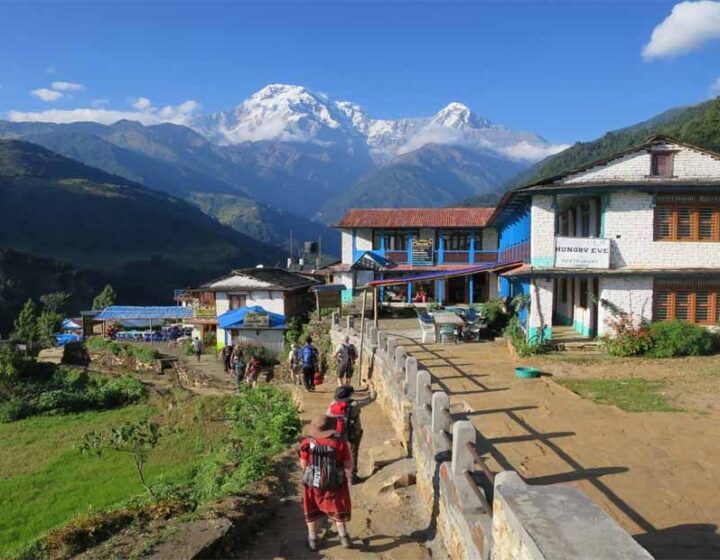
As the path climbs, travelers can enjoy the quiet beauty of Langtang Lirung, Gangchenpo, and other peaks while meeting local people who keep their traditions alive. Along the way, cultural encounters give a rare look into a life closely connected to the mountains. This trek is also a quieter choice compared to the busy routes in the Everest and Annapurna regions, offering a more personal and genuine Himalayan experience.
In the end, the mix of stunning scenery and rich cultural experiences makes the Langtang trek both rewarding and unforgettable.
Location and How to Go
The Langtang Valley is situated in the northern Himalayan belt of Nepal, within the Langtang National Park. Its proximity to Kathmandu makes it highly accessible. Trekkers typically start from Syabrubesi, which lies at approximately 1,503 meters (4,931 feet) above sea level. The journey from Kathmandu takes about 6–7 hours by bus or private vehicle, following the winding roads along the Trishuli River. The route passes through small towns, terraced farmlands, and pine forests, offering glimpses of rural Nepali life. For those flying into Kathmandu, Tribhuvan International Airport provides easy access to vehicles heading toward the trailhead. Once in Syabrubesi, trekkers can begin their ascent into the Langtang territory, fully immersed in the Himalayan landscape.
People and Culture of Langtang Valley
The Langtang Valley is primarily inhabited by the Tamang ethnic group, renowned for their warm hospitality, rich traditions, and Buddhist faith. Villages along the trail are marked by prayer flags, mani walls, and monasteries, reflecting the spiritual life of the inhabitants.
Livelihood and Daily Life
Farming and animal husbandry, particularly yak and goat rearing, form the backbone of local livelihoods. Festivals, rituals, and traditional dances bring vibrancy to the otherwise tranquil mountain environment. The locals’ lifestyle is simple, rooted in the Himalayan environment, and emphasizes community, spirituality, and harmony with nature.
Cultural Interaction with Trekkers
Travelers frequently engage with residents, learning about their customs, beliefs, and daily practices, which adds a cultural depth rarely experienced on busier trails in the Everest or Annapurna regions.
Accommodation
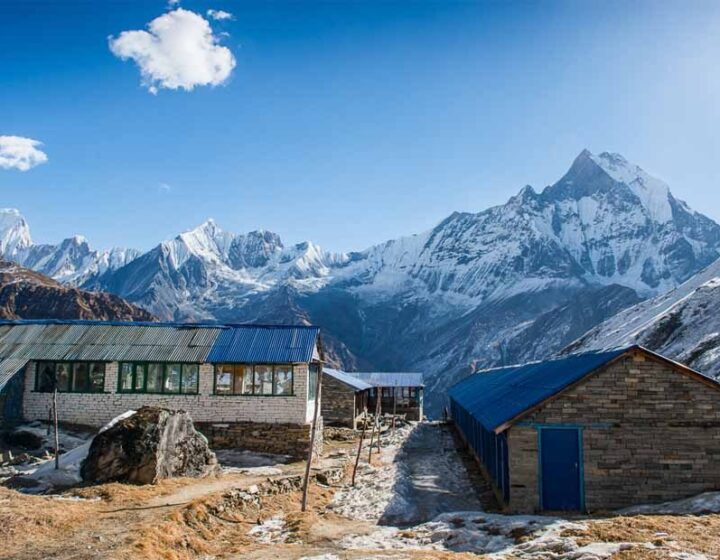
Trekking in Langtang mainly involves staying in teahouses and lodges that range from simple accommodations with basic facilities to slightly more comfortable guesthouses in larger villages like Kyanjin Gompa. The rooms are modest, often with shared bathrooms, yet they offer warmth, good food, and stunning views of the surrounding peaks. Meals usually feature traditional Nepali dishes such as dal bhat, noodles, and vegetable soups, giving trekkers both comfort and energy for the journey ahead. The warm hospitality in these teahouses lets visitors experience local life while providing a welcome place to rest and recharge for the next day. This mix of simplicity and comfort defines trekking in Nepal, offering authenticity without sacrificing essential needs.
Religious and Spiritual Significance
Buddhism is central to the Langtang Valley’s culture, with monasteries, stupas, prayer wheels, and mani stones present in almost every village. Kyanjin Gompa is the spiritual nucleus, attracting both pilgrims and travelers eager to experience meditation, rituals, and Buddhist teachings. The valley’s serene atmosphere, framed by towering peaks, encourages reflection and spiritual connection. Trekkers often find the combination of high-altitude adventure and cultural immersion profoundly enriching. Spiritual landmarks along the trail enhance the overall trekking experience, making Langtang a destination for both exploration and introspection, much like regions in Everest and Annapurna that integrate natural beauty with religious heritage.
Flora, Fauna, and Vegetation
The Langtang National Park exhibits a remarkable variety of vegetation and wildlife. At the lower elevations, subtropical forests of oak, bamboo, and pine dominate the landscape. Meanwhile, the higher areas are covered with alpine meadows filled with wildflowers, rhododendron shrubs, and medicinal herbs. Wildlife is abundant and includes red pandas, Himalayan black bears, musk deer, snow leopards, and Himalayan monal pheasants. Birdwatchers will enjoy observing species such as the kaleej pheasant, choughs, and snowcocks. This rich ecological diversity makes the Langtang trail one of Nepal’s most biologically significant trekking circuits, offering a dynamic interplay between flora, fauna, and human settlements.
Atmosphere
The Langtang Valley exudes a sense of tranquility and majesty. Villages are quiet yet vibrant, mountain streams murmur through dense forests, and the peaks above glisten in sunlight or shimmer under snow. Furthermore, the air is crisp and clean, providing a sense of rejuvenation for both body and mind. In addition, trekking in this serene region allows travelers to truly disconnect from urban chaos and reconnect with nature, culture, and spirituality. Unlike the busier trekking routes in the Everest or Annapurna zones, the Langtang region instead offers solitude, opportunities for personal reflection, and an immersive engagement with the pristine Himalayan environment. As a result, every step taken here feels both peaceful and profoundly meaningful. The combination of scenic beauty, cultural richness, and peaceful ambiance makes it one of Nepal’s most treasured trekking areas.
Why Choose the Langtang Valley Trek?
The Langtang Valley Trek is ideal for those seeking a shorter yet highly rewarding adventure in Nepal. Its close proximity to Kathmandu, moderate difficulty, and breathtaking scenery make the Langtang Valley Trek ideal for both first-time trekkers and experienced adventurers seeking less crowded Himalayan routes. Moreover, the trek offers a rich variety of experiences, including majestic mountain peaks, spiritual visits to monasteries, personal interactions with the Tamang community, and encounters with diverse alpine flora and fauna. In addition, climbing Tserko Ri (4,984 meters / 16,348 feet) presents an exciting challenge while rewarding trekkers with unmatched panoramic views. Along the way, travelers not only gain insight into traditional Himalayan lifestyles but also gradually come to appreciate the unique natural and cultural beauty that distinguishes Langtang from other popular trekking circuits, such as Everest and Annapurna. Therefore, this combination makes the journey both educational and deeply inspiring
Role of The Himalayan Realms Treks
The Himalayan Realms Treks and Expedition Nepal Pvt. Ltd. offers unparalleled support for those undertaking the Langtang journey. With extensive experience in the Everest, Annapurna, and Langtang regions, the company offers customized itineraries, expert guides, and complete logistical support. Their services emphasize ethical tourism, cultural respect, and environmental stewardship, ensuring trekkers experience the Himalayas safely, responsibly, and comfortably. Furthermore, selecting this company not only offers valuable local insights but also secures excellent lodging and smooth organization. Ultimately, this makes the experience of one of Nepal’s most renowned trekking routes more satisfying and unforgettable
Conclusion
In summary, the 7-day Langtang Valley Trek delivers a true Himalayan adventure, blending stunning natural beauty, rich cultural experiences, and deep spiritual calm. The trail rises from 1,503 meters (4,931 feet) at Syabrubesi to 4,984 meters (16,348 feet) at Tserko Ri. This gradual elevation makes it a balanced and rewarding challenge for trekkers of varying experience levels.
Along the way, villages like Lama Hotel, Langtang Village, and Kyanjin Gompa highlight the Tamang community’s rich heritage and warm hospitality. The surrounding landscapes open up to the breathtaking Langtang Valley, a region that mirrors the natural charm of Nepal’s most popular trekking areas.
With its majestic mountain views, rich wildlife, serene environment, and sacred landmarks, Langtang offers an experience equal to the renowned Everest and Annapurna routes. Traveling with The Himalayan Realms Treks and Expedition ensures expert guidance, cultural sensitivity, and a truly memorable journey.
The Langtang Valley Trek remains one of the best choices for those seeking adventure, tranquility, and an authentic Himalayan experience.
Short Itinerary
Day 1: Drive from Kathmandu to Syabrubesi (1,460 m, 7-8 hrs).
Day 2: Trek to Lama Hotel (2,470 m)—6 hrs
Day 3: Trek to Langtang Village (3,430 m)—6 hrs
Day 4: Trek to Kyanjin Gompa (3,870 m)—4 hrs
Day 5: Hike to Tserko Ri (4,984m) and back to Kyanjin Gompa—6 hrs
Day 6: Trek back to Lama Hotel—6-7 hrs
Day 7: Trek to Syabrubesi and drive to Kathmandu
Itinerary
The trek officially begins in Syabrubesi, which lies at an elevation of approximately 1,503 meters (4,931 feet). Located in the northern region of Nepal, this village is the gateway to the Langtang wilderness and provides the first glimpse of the Annapurna, Everest, and Langtang ranges. Travelers typically reach Syabrubesi by private vehicle or tourist bus from Kathmandu, covering a scenic journey of around 6–7 hours. The route meanders along the Trishuli River, offering views of terraced fields, dense forests, and traditional Nepali hamlets along the way. Syabrubesi is inhabited predominantly by the Tamang people, whose rich customs, warm hospitality, and Buddhist practices are evident in the local monasteries, prayer flags, and lifestyle. Accommodation in Syabrubesi ranges from basic lodges to teahouses, offering cozy stays with simple amenities. The village atmosphere is serene, surrounded by dense rhododendron, pine, and oak forests. Visitors are greeted by the sounds of mountain streams and occasional chants from the local gompas, setting the tone for a spiritual yet adventurous trek in one of Nepal's most popular trekking zones.
On the second day, trekkers ascend to Lama Hotel, situated at an altitude of 2,350 meters (7,710 feet). The trail follows the Langtang River, winding through lush forests and terraced farmlands. Along the way, trekkers may observe Himalayan monal, red pandas, and barking deer, reflecting the diverse wildlife of the Langtang National Park. Lama Hotel is a charming settlement with teahouses and small lodges, providing hearty local meals and warm hospitality. The local inhabitants, mostly of Tamang ethnicity, maintain a lifestyle centered around agriculture, animal husbandry, and traditional crafts. Spirituality is an integral part of daily life here, with small Buddhist shrines and prayer wheels dotting the landscape. The atmosphere is tranquil, with towering peaks in the backdrop, offering trekkers a sense of isolation from the bustling lowlands while remaining connected to Nepal’s most sought-after trekking circuits. Lama Hotel acts as a preparatory stop for the more strenuous portions ahead, allowing trekkers to acclimatize gradually.
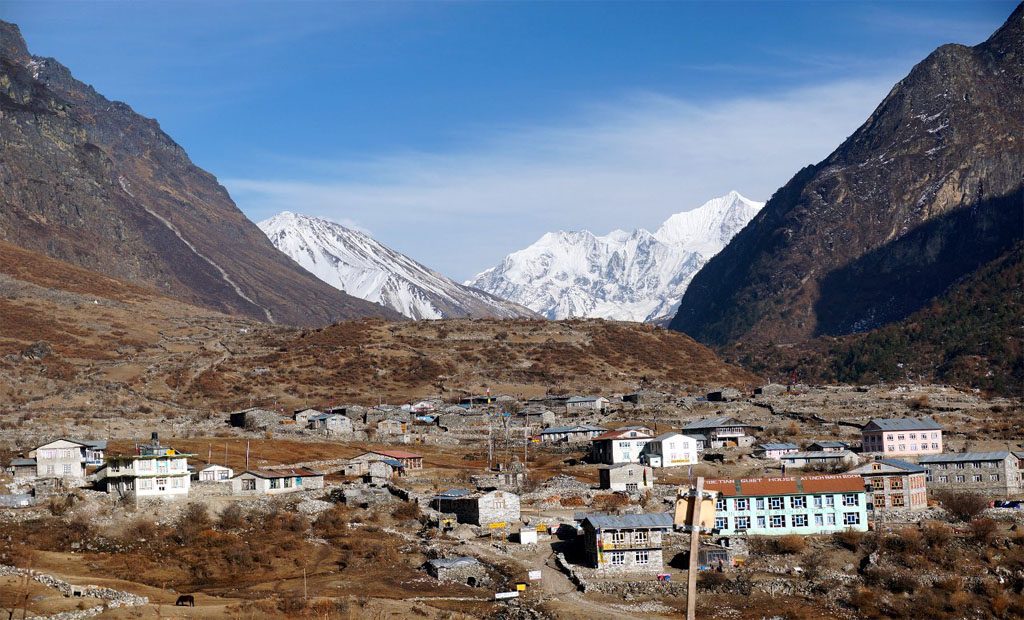
Ascending further, the third day leads to Langtang Village, which rests at an elevation of 3,430 meters (11,253 feet). This picturesque settlement was partially reconstructed after the 2015 earthquake and continues to reflect the authentic Himalayan lifestyle. The trek passes through mixed forests of rhododendron, fir, and birch trees, with chances to spot Himalayan black bear, musk deer, and colorful pheasants. The village is home to Tamang families, who practice Tibetan Buddhism, and visitors can witness rituals, traditional dances, and handcrafted artifacts. Accommodation is primarily tea houses, offering rooms with stunning valley views and traditional meals. The serene environment, combined with the majestic vistas of Langtang Lirung (7,227 meters / 23,711 feet), offers a perfect blend of adventure and cultural immersion. Langtang Village represents a living museum of Nepalese heritage, emphasizing why the valley remains one of the most visited trekking routes in the Himalayan region.
The fourth day’s journey takes trekkers to Kyanjin Gompa, located at 3,870 meters (12,696 feet). The trail becomes steeper, with rocky paths and panoramic views of surrounding peaks. Kyanjin Gompa is not only a village but also a renowned Buddhist monastery, serving as a spiritual hub for locals and visitors. Trekkers can explore ancient mani walls, prayer flags, and meditation centers, gaining insight into the local spiritual practices. The surrounding alpine meadows are dotted with wildflowers in spring and provide grazing areas for yaks, contributing to the traditional pastoral lifestyle. Flora includes medicinal herbs and alpine shrubs, while fauna encompasses snow leopards, Himalayan tahr, and several bird species. Accommodation is available in modest lodges and guesthouses, with simple facilities but mesmerizing views of Langtang Himal, Gangchenpo, and other nearby summits. The atmosphere here is calm yet invigorating, offering a perfect balance of trekking challenge and spiritual reflection, making it a favorite among travelers exploring the Everest, Annapurna, and Langtang trekking regions.
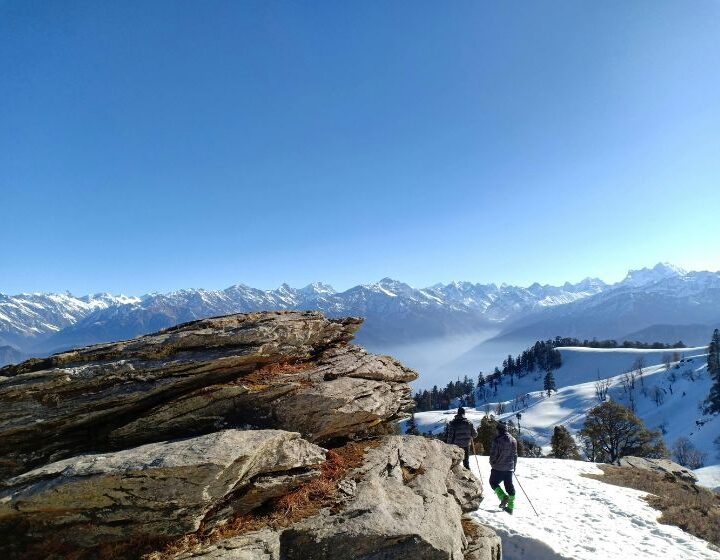
On day five, trekkers undertake the Tserko Ri hike, a side expedition to 4,984 meters (16,348 feet). This ascent rewards adventurers with one of the most breathtaking panoramas in the Langtang territory, including views of Langtang Lirung, Ganesh Himal, and Shishapangma in Tibet. The trail passes through rugged terrain, glacial moraines, and scattered boulders, with alpine vegetation gradually giving way to rocky slopes. Observant trekkers may notice snowcocks and Himalayan vultures soaring above. The summit of Tserko Ri offers a sense of accomplishment and unparalleled views of surrounding mountains, valleys, and glaciers. Descending back to Kyanjin Gompa, trekkers enjoy the peaceful, reflective atmosphere and reconnect with the spiritual energy of the monastery. The village remains a central hub for tea house stays, local cuisine, and cultural interaction, highlighting why this region is celebrated as one of Nepal’s most frequented trekking trails.
The return journey to Lama Hotel retraces part of the original route, descending through verdant forests and cascading streams. Along the way, trekkers pass smaller settlements, offering glimpses into the rural Himalayan lifestyle, where farming, herding, and craftsmanship remain central to the community. The altitude reduces to 2,350 meters (7,710 feet), allowing trekkers to recover from the higher elevations. Birds, wildflowers, and occasional sightings of monkeys and deer enrich the journey, reflecting the rich biodiversity of the Langtang National Park. Accommodation remains in traditional tea houses, and the atmosphere becomes more lively as local villagers engage in daily routines and trade. This segment reinforces the enduring appeal of the Langtang region as one of Nepal’s premier trekking destinations, blending natural beauty, cultural exposure, and adventure.
Included
- 2 Night accommodation in Kathmandu with a B/B basis plan.
- Kathmandu to Syabrubeshi transfer by bus.
- All airport and hotel transfers
- National permit & TIMS permit ( Trekking Information Management System)
- Accommodation, food and tea/coffee during the trek
- Guide:- including salary, insurance, equipment, flight, food, and lodging
- Porter:- including salary, insurance, equipment, food, and lodging.
- Transfer from Syabrubeshi to Kathmandu by bus or private Jeep.
- For guest:-Down jacket, Good sleeping bag (down jacket and sleeping bag are to be returned after trip completion)
- All government and local taxes
Not Included
- Food in Kathmandu Lunch & Dinner)
- Bakery food during the trek. When you eat in the bakery that you need to pay by yourself
- Nepal Visa fee
- International airfare from your country to Kathmandu and from Kathmandu
- Extra night accommodation in Kathmandu
- Travel and rescue insurance if the guest gets mountain sickness and needs to rescue helicopter.
- Personal expenses example (phone calls, laundry service, bar bills, battery recharge, extra porters, bottle or boiled water, shower etc)
- Tips for guide and porters
Useful Info
Overview
The Langtang Valley Trek (7 days) takes you through the stunning Langtang National Park, located north of Kathmandu near the Tibetan border. Known as the “Valley of Glaciers,” Langtang offers breathtaking views of Langtang Lirung (7,227 m), lush forests, yak pastures, and traditional Tamang villages. It’s less crowded than Everest or Annapurna, making it a perfect short trek for those wanting a peaceful Himalayan experience.
Typical 7-Day Itinerary
Day 1: Drive from Kathmandu to Syabrubesi (1,460 m) – 7 hrs by jeep or bus.
Day 2: Trek from Syabrubesi to Lama Hotel (2,470 m)—6 hrs walk.
Day 3: Trek from Lama Hotel to Langtang Village (3,430 m) – 6 hrs walk.
Day 4: Trek from Langtang Village to Kyanjin Gompa (3,870 m) – 3–4 hrs walk.
Day 5: Explore Kyanjin Gompa / Hike to Tserko Ri (4,984 m) for sunrise views.
Day 6: Trek back to Lama Hotel – 6 hrs walk.
Day 7: Trek to Syabrubesi and drive back to Kathmandu.
Highlights
Panoramic Mountain Views: Langtang Lirung, Dorje Lakpa, Yala Peak, and Gangchempo.
Rich Biodiversity: Rhododendron forests, bamboo groves, and Himalayan wildlife like red pandas and langurs.
Cultural Encounters: Tamang and Tibetan-influenced villages offering homestays and local cuisine.
Spiritual Landmarks: Visit the centuries-old Kyanjin Gompa Monastery.
Adventure Add-ons: Optional climb to Tserko Ri for 360° Himalayan vistas.
Best Time to Go
Spring (March–May): Clear skies, blooming rhododendrons, and mild temperatures. Autumn (September–November): Stable weather, crisp air, and great visibility. Winter (Dec–Feb): Quieter trails but colder nights. Monsoon (Jun–Aug): Lush scenery, but trails can be muddy and leech-prone.
Difficulty Level
Moderate.
Daily walking: 5–7 hours with gradual ascent. Suitable for trekkers with average fitness and some hiking experience.
Accommodation
Teahouses and lodges are available along the route, offering simple but comfortable rooms, Nepali meals (dal bhat, noodles, soups), and occasional Wi-Fi or hot showers (for a small fee).
Permit Requirements
You’ll need:
Langtang National Park Entry Permit – approx. NPR 3,000. TIMS Card (Trekkers’ Information Management System) – approx. NPR 2,000
Permits are available in Kathmandu or through your trekking agency (e.g. The Himalayan Realms Treks and Expedition Nepal Pvt. Ltd.).
Packing Essentials
Warm clothing (layers, fleece, down jacket)
Trekking boots and socks
Rain jacket (especially for spring/monsoon)
Sleeping bag (rated to -10°C)
Water purification tablets or filter
Sunscreen, sunglasses, hat, gloves
Trekking poles, personal first aid kit
Travel Tips
Acclimatize well — though the trek isn’t extremely high, take time at Kyanjin Gompa.
Carry cash—there are no ATMs in the region after Syabrubesi.
Support locals—buy food and crafts from village shops and lodges.
Respect culture—dress modestly, especially around monasteries.
Go with a guide for safety and cultural insight (recommended through The Himalayan Realms).
Getting There
From Kathmandu, it’s a 6–7-hour drive (122 km) to Syabrubesi, the trek starting point. Private jeeps are faster and more comfortable than local buses.
Why Choose The Himalayan Realms Treks
Experienced local and international guides
Tailored itineraries for private or group treks
Reliable safety and logistics management
Deep cultural and community connections in the Langtang region
FAQs
-
Where is Langtang Valley located?
Langtang Valley is located in the Langtang National Park, north of Kathmandu in central Nepal. The region lies near the Tibet border and is accessible from Kathmandu via a 4–6 hour drive to Syabrubesi, the main trailhead of the trek.
-
3. How long is the Langtang Valley Trek?
The typical trek lasts 7 to 10 days, depending on the itinerary. A standard route covers Syabrubesi – Lama Hotel – Langtang Village – Kyanjin Gompa – Tserko-Ri – Langshisa – and back to Syabrubesi. Some trekkers also combine it with Helambu or Gosaikunda for extended treks.
-
What is the difficulty level of the trek?
The Langtang Valley Trek is considered moderate. It involves: Trekking 4–6 hours daily on average. Altitudes ranging from 1,500m (Syabrubesi) to 4,984m (Tserko-Ri). Gradual ascents with some steep sections, especially when climbing Tserko-Ri. Suitable for beginners with basic fitness and seasoned trekkers who want a less crowded Himalayan experience.
-
What type of accommodation is available?
Accommodation is mostly in teahouses and lodges. Facilities include: Shared or private rooms with basic bedding. Simple bathrooms (some with hot showers at higher altitudes). Nepali meals such as dal bhat, noodles, and soups. The warmth of local hospitality adds to the trekking experience.
-
Yes, trekking in Langtang Valley requires:
Langtang National Park Entry Permit (NPR 3,000 / ~$25) Trekkers’ Information Management System (TIMS) Card
-
What kind of food is available?
Teahouses provide: Traditional Nepali dishes: dal bhat, momo, vegetable curry Continental food: pasta, noodles, sandwiches Hot beverages: tea, coffee, hot chocolate Meals are hearty and nutritious, providing energy for trekking.
-
Can I do Langtang Trek with family or children?
Yes, families with children above 10 years can do the trek if they are reasonably fit. Some parts are steep, so extra care is needed for young trekkers.