

Trip overview
Overview: Kongma La Pass 14-Day Trek
Introduction
The Kongma La Pass Trek 14 Days is one of the grand adventures in the Himalayas. Many travelers call it an alternative gateway to the Everest region. While Everest Base Camp is Nepal’s most famous trek, the Kongma La trail offers an even bolder experience. This high mountain journey crosses one of the three great passes in the Khumbu region, adding both challenge and discovery. It is more than a hike across rugged landscapes—it is a journey through snowbound wilderness, Sherpa culture, and glacial grandeur. For those seeking an adventure beyond the classic Everest Base Camp trek, Kongma La stands as a true jewel of the Himalayas.
The Kongma La Pass Trek
The Kongma La Pass journey, spanning around two weeks, is designed for explorers who want to feel the true thrill of Himalayan crossings. At 5,535 meters, Kongma La itself is the highest among the three passes—Renjo La, Cho La, and Kongma La—making it both the most challenging and the most rewarding. Adventurers traverse valleys, rivers, glaciers, and ridges where every turn provides a panorama of Everest, Lhotse, Makalu, and Ama Dablam. Unlike the conventional EBC trail, which is often crowded due to being the most popular trekking route in Nepal, the Kongma La path, in contrast, offers solitude, remoteness, and a deeper connection with untouched mountain wilderness. As a result, it embodies both serenity and adventure, qualities that, therefore, make it stand out in the world of Himalayan walking trails.
Location of the Trek
Kongma La is located within the heart of the Khumbu region, part of the Sagarmatha National Park, which is a UNESCO World Heritage Site. The trailhead begins in Lukla after a thrilling flight from Kathmandu. From there, the journey weaves through Phakding, Namche Bazaar, Tengboche, Dingboche, Chhukung, and onward to the majestic pass. The position of Kongma La creates a natural link between the Imja Valley and the Khumbu Glacier, offering trekkers stunning vantage points. This geographic placement makes it a jewel of the Khumbu, where landscapes merge into high passes and glaciers. While Everest Base Camp and the Three Passes Circuit together form the most popular trekking route in Nepal, the Kongma La crossing by itself provides an equally legendary journey.
How to Reach the Kongma La Pass Trek
The adventure begins with a short but scenic flight from Kathmandu to Lukla, the gateway to Everest. From Lukla, trekkers follow the path to Phakding, gradually ascending to Namche Bazaar, the vibrant Sherpa town. The trek then winds towards Tengboche, famous for its monastery, before heading to Dingboche and Chhukung. From Chhukung, trekkers prepare for the climb over Kongma La Pass, which is the highlight of the journey. The descent takes explorers to Lobuche, and many combine the experience with Everest Base Camp before returning via Pheriche and Namche. This classic route combines the thrill of high-altitude adventure with the charm of Sherpa settlements, perfectly complementing the fame of the most popular trekking route in Nepal.
The People of the Region
The inhabitants of the Khumbu region are the Sherpas, world-renowned for their mountaineering skills, resilience, and warm hospitality. They live in stone houses scattered across valleys and ridges, and their traditions remain deeply rooted in Tibetan Buddhism. Sherpa communities provide not just lodges but also a cultural immersion for travelers. Their kindness, storytelling, and guidance bring warmth to even the coldest days on the trek. Meeting these people is a privilege, as their lives embody simplicity, devotion, and harmony with nature. It is this human connection, paired with the grandeur of the Himalayas, that strengthens the reputation of Everest as the most popular trekking route in Nepal.
Accommodation on the Kongma La Pass Trek
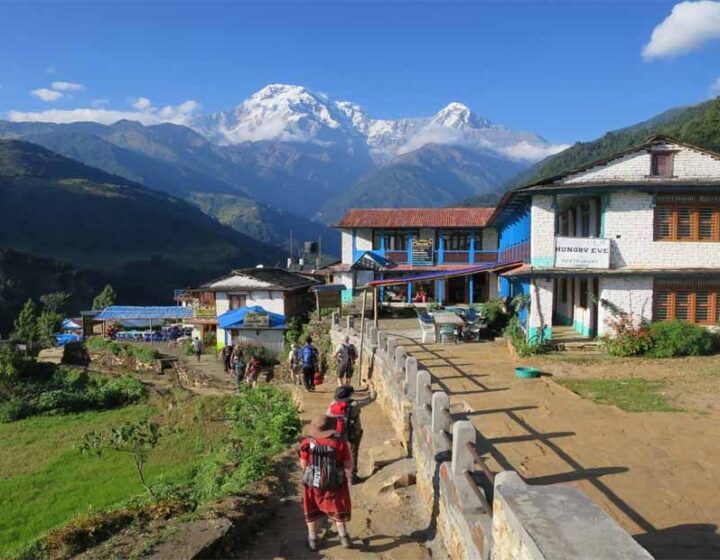
Accommodation during the trek ranges from basic teahouses to well-equipped lodges, depending on the village. In lower settlements like Namche Bazaar, trekkers find comfortable lodges with attached bathrooms, hot showers, and sometimes heated rooms. As the trail climbs higher, facilities become simpler, often offering shared rooms with wooden beds, basic blankets, and communal dining halls. Even with modest amenities, the warmth of Sherpa hospitality makes every stay memorable. This mix of rustic simplicity and genuine welcome captures the true charm of Himalayan travel, much like the comfort found along Nepal’s most popular trekking route.
Religious Significance of the Region
Religion is central to life in the Khumbu. The Buddhist monasteries, prayer flags, mani walls, and stupas encountered along the way reveal the spiritual depth of the Sherpa people. Tengboche Monastery, the most sacred in the region, resonates with chants, incense, and the sound of horns. The spirituality here is not just ceremonial; it permeates daily life, guiding values of compassion, respect, and harmony. Trekkers walking to Kongma La witness this living faith firsthand, which enriches the experience beyond physical adventure. It is one reason why Everest trails continue to shine as the most popular trekking route in Nepal, blending spiritual and natural magnificence.
Lifestyle of the Local People
The lifestyle in the Khumbu is simple, resilient, and deeply tied to the mountains. Agriculture, yak herding, and tourism form the basis of livelihood. Families wake early, attend to their fields or animals, and welcome trekkers into teahouses. The rhythm of life follows the seasons, with long winters bringing silence and summers filled with activity. Sherpa culture values community, cooperation, and storytelling, traits that captivate visitors. This traditional lifestyle, preserved amidst dramatic landscapes, adds human depth to the trekking adventure. Together with the landscapes, it strengthens the claim of Everest as the most popular trekking route in Nepal.
Flora and Fauna along the Trail
The trek to Kongma La showcases remarkable biodiversity. At lower elevations, rhododendron forests bloom with vibrant spring colors. Pine and fir trees dominate the mid-altitude trail. As the path climbs higher, juniper shrubs and alpine meadows appear. These gradually give way to barren rock and snowfields near the pass.
Wildlife also adds interest to the journey. Himalayan thar and musk deer are often seen, and the elusive snow leopard may appear in rare moments. Birdwatchers may spot the Himalayan monal, Nepal’s national bird, moving through the forests.
All of this creates a living world that enriches the trek. Every step becomes more than a climb—it becomes a walk through one of Earth’s unique ecosystems. This biodiversity is another treasure of the most popular trekking route in Nepal.
Vegetation on the Trek
The vegetation changes dramatically with altitude. The lower sections offer lush greenery, farmlands, and dense woodlands. As trekkers climb, forests thin into alpine scrub and high-altitude pastures where yaks graze. Beyond 4,500 meters, the landscape turns stark, with only hardy mosses, lichens, and small alpine flowers surviving the extreme conditions. This gradual change in vegetation shows the resilience of Himalayan ecology. It creates a visual story of nature adapting to altitude and enhances the sense of journey, similar to what travelers experience on Nepal’s most popular trekking route.
Atmosphere of the Region
The atmosphere on the Kongma La Pass trek is both serene and dramatic. At lower levels, rivers rush, forests whisper, and villages hum with life. As the altitude rises, silence settles over the trail, broken only by the crunch of boots on snow or the flutter of prayer flags. The air becomes thinner and colder, adding both challenge and purity to the journey. At the top of Kongma La, the atmosphere feels almost sacred, as if the mountains breathe life into the wind. This mix of calm valleys and towering summits captures the true magic of the Himalayas and mirrors the grandeur of Nepal’s most popular trekking routes.
The Most Popular Trekking Region in Nepal
The Khumbu region, home to Everest, Lhotse, and countless legendary peaks, is undoubtedly the most popular trekking region in Nepal. Thousands of trekkers from around the world arrive each season to experience its trails, whether for Everest Base Camp, the Three Passes, or the Gokyo lake trek. The region’s mix of soaring mountains, spiritual monasteries, cultural richness, and biodiversity ensures that it remains the ultimate trekking destination. The Kongma La Pass, though less crowded, belongs to this celebrated network, giving adventurers both solitude and recognition within the greatest trekking arena on Earth.
The Himalayan Realms Treks and Expedition Nepal Pvt. Ltd.
For those seeking a reliable partner to guide them through Kongma La and beyond, The Himalayan Realms Treks and Expedition Nepal Pvt. Ltd. stands as a trusted companion. With skilled guides, personalized service, and deep local knowledge, the company ensures every trekker feels safe, supported, and inspired. decades With deep expertise and a passion for Himalayan exploration, this company crafts journeys that fit every traveler’s dream. Their guides are skilled in mountaineering and knowledgeable about Sherpa culture, religion, flora, and fauna. Safety, comfort, and personal care remain at the center of their service. By choosing this company, trekkers experience the grandeur of Nepal’s top routes while also enjoying authenticity and personal attention. In addition, expert guides and tailored services make every step safe, comfortable, and memorable.
Conclusion
The Kongma La Pass Trek 14 Days is more than an adventure; it is a journey into the soul of the Himalayas. Located in the Khumbu region, the trek winds across glaciers and rugged trails. Along the way, trekkers experience the lifestyle of Sherpa communities and the spiritual atmosphere of remote monasteries. The shifting vegetation and resilient wildlife add to the region’s unique charm. While Everest Base Camp is Nepal’s most famous trek, the Kongma La route stands as a strong and worthy alternative. It is challenging, rewarding, and hard to forget. Trekkers who cross its high passes with The Himalayan Realms Treks return with lifelong memories.
Itinerary
Your journey begins as you land in Kathmandu, the vibrant capital of Nepal. The city greets you with a mix of history, culture, and modern energy. Upon arrival at Tribhuvan International Airport, you will be transferred to your hotel. The afternoon is reserved for rest, allowing you to recover from your flight. In the evening, you can explore the bustling streets of Thamel, a lively hub for trekkers, filled with shops selling trekking gear, restaurants, and handicrafts. Later, there will be a briefing about the trek, covering essential information, safety guidelines, and a final gear check to ensure you are prepared for the high-altitude adventure ahead. This is also the time to interact with your trekking team, guides, and fellow trekkers. Overnight in Kathmandu, preparing mentally and physically for the exciting Himalayan journey that awaits.
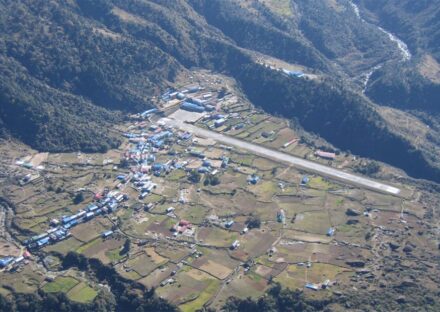
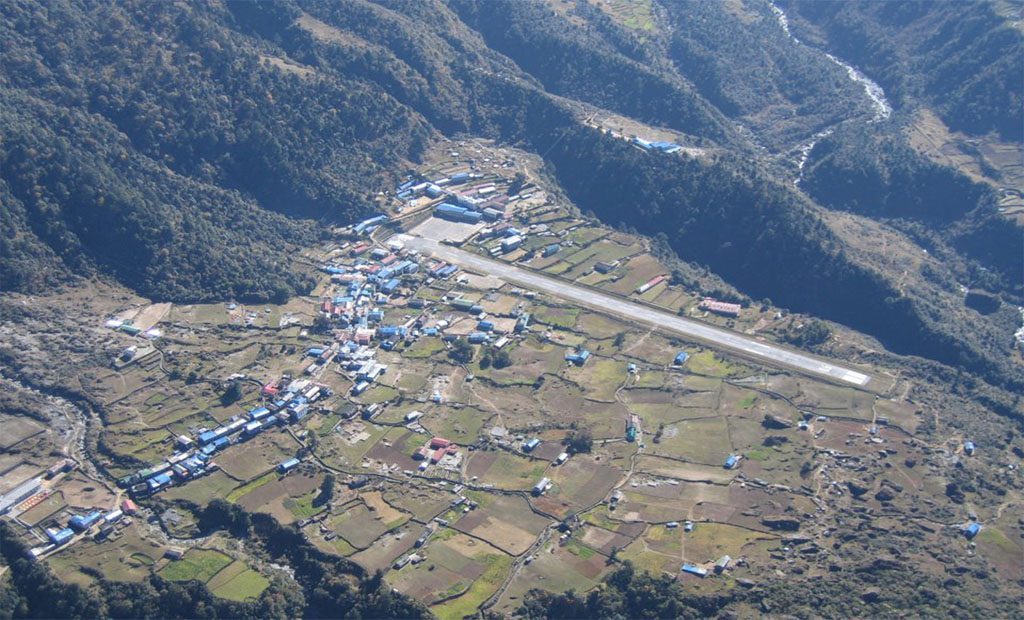
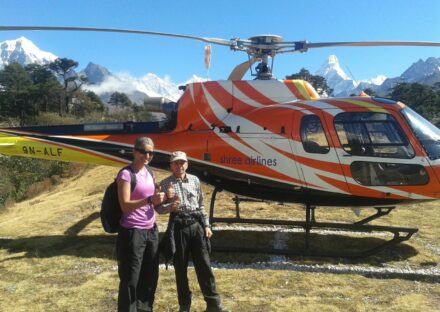
An early morning flight takes you to Lukla, the gateway to Everest, with thrilling views of snowcapped peaks during the short journey. Lukla’s small airstrip is perched dramatically on a hillside, offering an exhilarating start. After meeting your porter team, you begin the trek through beautiful Sherpa villages, Mani walls, and prayer wheels spinning in the wind. The trail descends gradually, passing through forests of pine and rhododendron, with the Dudh Koshi River flowing below. The walk is easy compared to the days ahead, giving your body time to adjust. Along the way, you’ll enjoy the Sherpa culture and hospitality in small tea houses. Phakding, located beside the river, offers comfortable lodges where you will spend your first night on the trail. The gentle sound of the river and crisp mountain air set a peaceful tone for your Himalayan journey.
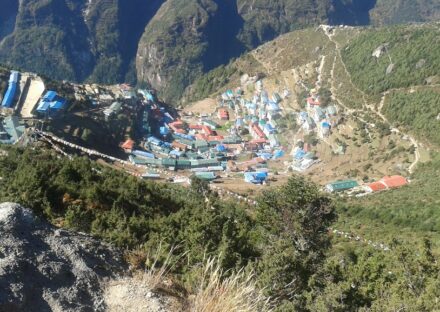
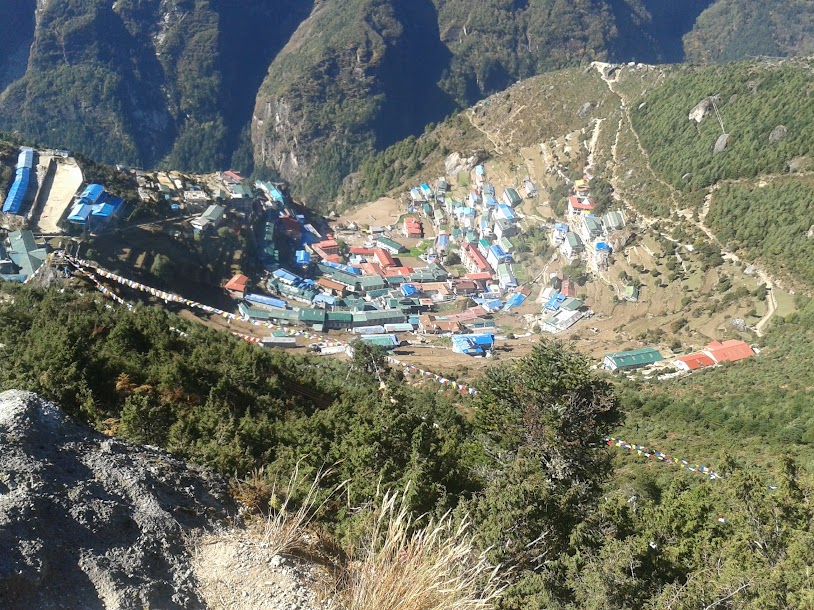
Today is a challenging but rewarding day as you trek towards Namche Bazaar, the bustling Sherpa capital. The trail takes you through pine forests and suspension bridges that hang high above the roaring Dudh Koshi River. As you pass villages like Monjo, you officially enter Sagarmatha National Park, home to diverse flora and fauna. After crossing the famous Hillary Suspension Bridge, the climb becomes steeper, testing your endurance. However, the rewards are equally great—your first views of Mount Everest appear on the horizon. Namche Bazaar, built in a natural amphitheater, is a vibrant town filled with bakeries, shops, cafés, and lodges. It serves as the commercial and cultural hub of the Khumbu region. The energy of Namche, combined with the surrounding Himalayan scenery, makes this a memorable stop. Overnight at a lodge, enjoying a warm meal and Sherpa hospitality.
Acclimatization is vital at high altitudes, and Namche offers the perfect place to rest and adapt. You won’t just sit still; instead, you’ll take a short hike to higher elevations before returning to sleep lower. Popular options include visiting the Everest View Hotel, offering stunning panoramas of Everest, Lhotse, Ama Dablam, and other peaks. Another excursion is to Khumjung village, where you can visit the Hillary School and a monastery said to house a “Yeti scalp.” Exploring Namche itself is equally fascinating, with its colorful market where traders from Tibet and the Khumbu region exchange goods. The day also allows time to enjoy bakeries, internet cafés, and shops selling warm clothing and souvenirs. This rest day prepares your body for higher altitudes, ensuring you’re better adjusted for the challenging trails ahead. Overnight in Namche, savoring the blend of culture and natural beauty.
Leaving Namche, the trail contours around ridges with breathtaking views of Everest, Ama Dablam, and Thamserku. The path gradually descends to the riverside at Phunki Tenga, where you stop for lunch beside the Dudh Koshi River. From here, a steep climb leads you through forests of pine and rhododendron. In spring, the rhododendron blooms in shades of red and pink, painting the hillsides with color. After several hours, you reach Tengboche, home to the famous Tengboche Monastery, the spiritual center of the Khumbu region. The monastery is beautifully set against the backdrop of Ama Dablam and Everest, creating a serene and inspiring atmosphere. If timing allows, you may witness evening prayers, adding a spiritual touch to your trek. The area is known for its tranquility, fresh mountain air, and panoramic views. Overnight at a local tea house in Tengboche.
The day begins with a descent through lush forests, passing Debuche and crossing the Imja Khola on a suspension bridge. From here, the trail climbs steadily past Pangboche, a traditional Sherpa village with old monasteries and stone houses. You continue through open alpine terrain, with Ama Dablam’s soaring beauty accompanying you throughout the journey. The landscape becomes more rugged and barren as you gain altitude, with fewer trees and more windswept plains. Finally, you arrive in Dingboche, a picturesque settlement surrounded by stone walls built to protect crops from the harsh mountain winds. Dingboche provides breathtaking views of Lhotse, Island Peak, and Ama Dablam. The village also has several tea houses offering hearty meals and warm rooms, making it a comfortable spot for acclimatization and rest. Overnight stay in Dingboche.
Dingboche is the perfect location for another acclimatization day, helping you prepare for the higher and more demanding passes ahead. To keep your body active, you can hike up Nagarjun Hill, a steep climb that rewards you with panoramic views of Makalu, Lhotse, Ama Dablam, and the surrounding Himalayan range. The hike not only provides a sense of achievement but also enhances altitude adaptation. Back in Dingboche, you can explore the village, noticing how locals cultivate barley and potatoes in the harsh environment. The stone-built houses and fields enclosed by stone walls reflect the resilience of Sherpa life at high altitude. Evenings here are peaceful, with clear skies often filled with countless stars. Spending this day in Dingboche strengthens both body and spirit for the challenges ahead, particularly the high Kongma La Pass. Overnight in Dingboche.
Today’s journey is relatively short but significant as you head to Chhukung, a small settlement nestled in the Imja Valley. The trail ascends gradually, passing through alpine landscapes with scattered stone huts and grazing yaks. The views along the way are awe-inspiring, with Ama Dablam, Island Peak, and Lhotse rising dramatically above the valley. Chhukung serves as the last settlement before crossing Kongma La, making it an important staging point. In the afternoon, you can explore nearby ridges or even hike partway up Chhukung Ri, which provides sweeping views of glaciers and towering peaks. The higher altitude is noticeable here, so it’s important to walk slowly, drink plenty of fluids, and conserve energy for the pass. Chhukung’s lodges are simple yet welcoming, offering warm meals and shelter in a rugged environment. Overnight in Chhukung.
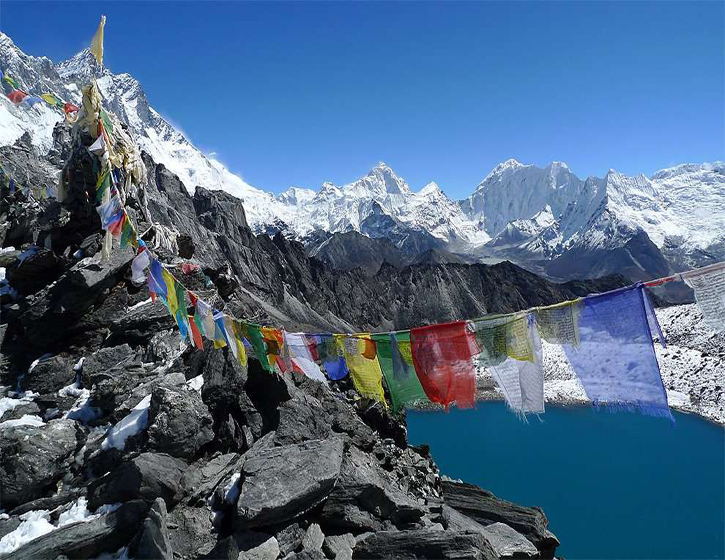
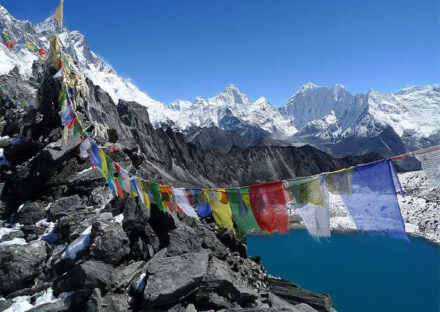
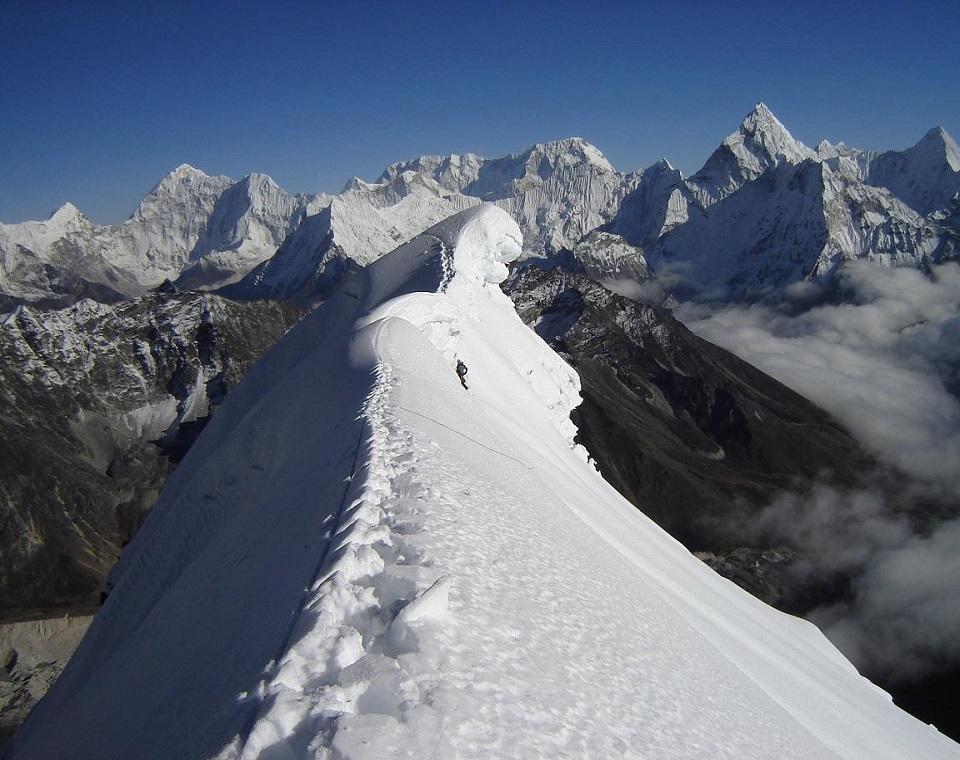
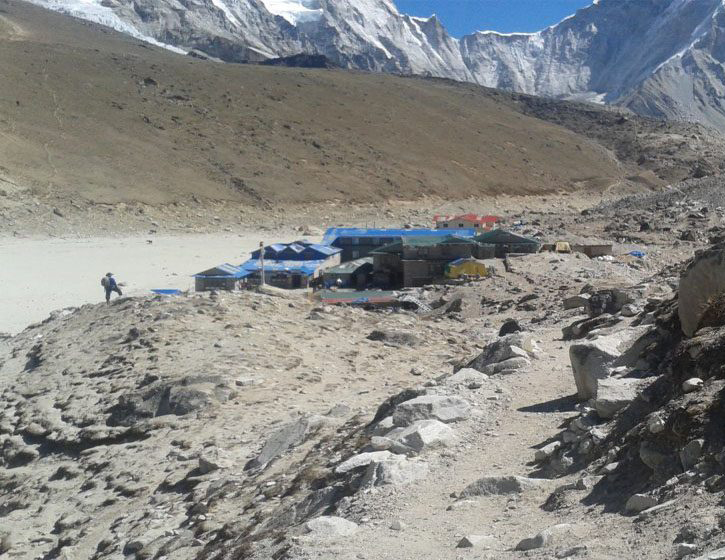
This is one of the toughest and most rewarding days of the trek. You start early in the morning, as crossing Kongma La requires stamina, determination, and favorable weather. The climb begins gradually but becomes steep as you ascend rocky terrain and glacial paths. At the top of Kongma La (5,535m), you are rewarded with breathtaking panoramas of Makalu, Lhotse, Ama Dablam, and countless other peaks. Prayer flags flutter in the wind, marking the high point of the trek. After soaking in the views, the descent is equally challenging, involving rocky trails and sometimes icy sections. Eventually, you reach Lobuche, situated near the Khumbu Glacier. This small settlement is an important stop before Everest Base Camp, with lodges providing basic but essential facilities. Exhausted yet exhilarated, you settle in for the night, reflecting on the incredible achievement of crossing Kongma La.
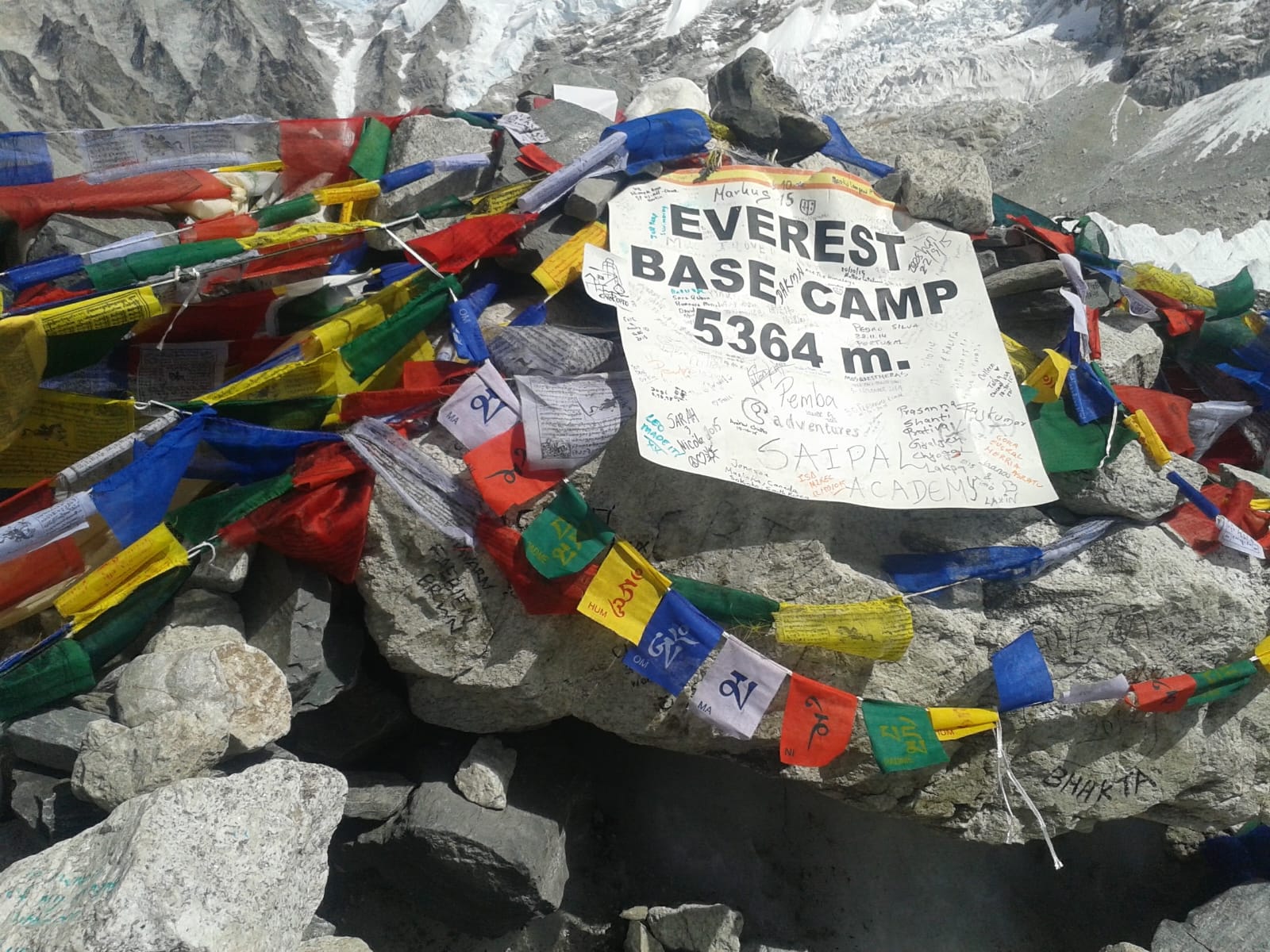
Today marks another highlight of the trek. You follow the trail along the Khumbu Glacier, navigating rocky moraines and high-altitude terrain to reach Gorak Shep, the last settlement on the route. After a short rest and lunch, you embark on the trek to Everest Base Camp, the dream destination of trekkers worldwide. The path is rugged but awe-inspiring, passing close to the Khumbu Icefall. Standing at Base Camp, surrounded by towering peaks, is a moment of pure triumph and inspiration. During spring, the area is alive with colorful tents of climbers preparing for Everest expeditions. After taking photos and savoring the achievement, you return to Gorak Shep for the night. Lodges here are basic, but the experience of staying so close to Everest is unforgettable. Overnight in Gorak Shep, with the satisfaction of reaching the base of the world’s highest mountain.
An early morning climb to Kala Patthar provides one of the best vantage points of Mount Everest. The climb is steep and challenging in the cold pre-dawn hours, but the sunrise view is worth every step. As the first rays of sunlight touch Everest, Nuptse, Pumori, and surrounding peaks, the scenery is beyond words. After enjoying the panoramic views and capturing photographs, you descend back to Gorak Shep for breakfast. From here, you trek down to Pheriche, retracing the path with a sense of relief as the air becomes thicker. Pheriche is a larger village known for its health post, where trekkers receive medical advice on altitude sickness. The lodges here are more comfortable, and the atmosphere is relaxed. Overnight in Pheriche, enjoying the lower altitude and reflecting on your Himalayan experiences.
The trail today is mostly downhill, though there are some short climbs along the way. You pass through familiar villages like Pangboche and Tengboche, enjoying the changing scenery as you descend into greener valleys. The walk is easier compared to previous days, with more oxygen in the air and warmer temperatures. Arriving back in Namche Bazaar feels like returning to civilization after days in the high mountains. You can enjoy freshly baked pastries, hot showers, and perhaps even Wi-Fi. The bustling town offers a chance to celebrate your achievements with fellow trekkers. The vibrant atmosphere of Namche, combined with its incredible views, makes this an enjoyable stop before the final leg of the trek. Overnight in Namche.
Your final trekking day retraces the route along the Dudh Koshi River. Suspension bridges, prayer flags, Mani stones, and small Sherpa villages once again line the trail. The walk is long but pleasant, as you reflect on the journey you’ve completed. Passing through Phakding, you eventually arrive in Lukla, where the trek officially concludes. Here, you can celebrate with your trekking team, sharing stories and laughter over a hearty meal. This evening is often filled with gratitude, as you thank the porters and guides who made the trek possible. Lodges in Lukla are comfortable, and the excitement of completing the Kongma La adventure adds to the atmosphere. Overnight in Lukla, preparing for the flight back to Kathmandu.
An early morning flight takes you from Lukla back to Kathmandu, once again offering dramatic aerial views of the Himalayas. Returning to the city feels surreal after days in the remote mountains. Back in Kathmandu, you can relax at your hotel, enjoying the comforts of the city—hot showers, comfortable beds, and diverse cuisine. The rest of the day is free for exploring cultural landmarks, such as Durbar Square, Swayambhunath (Monkey Temple), or Boudhanath Stupa. You may also wish to shop for souvenirs, from traditional handicrafts to trekking memorabilia. In the evening, a farewell dinner celebrates your successful completion of the Kongma La Pass trek. Overnight in Kathmandu, with memories of the mountains fresh in your heart.
After completing your unforgettable Himalayan adventure, today marks your final departure. Depending on your flight schedule, our representative will meet you at your hotel and assist with any last-minute needs. You will have time to enjoy a relaxed breakfast and perhaps take a short stroll around the streets of Thamel or nearby markets if time permits. Our team ensures that your transfer to Tribhuvan International Airport is smooth and timely, allowing you to check in without stress. As you drive through the busy streets of Kathmandu, memories of snowcapped peaks, Sherpa hospitality, and the spiritual atmosphere of the mountains accompany you. At the airport, our representative will bid you a warm farewell, wishing you a safe journey home. Though the trek ends here, the experiences, friendships, and inspiration from Nepal’s Himalayas will remain with you forever, encouraging you to return for new adventures.
Included
- All airport, hotel airport transfers.
- 2-night hotel in Kathmandu.
- National Park permit & Pasang Lhambu village entry permit.
- Flight fare from Kathmandu-Lukla-Kathmandu.
- Accommodation in the tea house,
- Food, Tea/coffee during trek.
- Guide: – including salary, insurance, equipment, flight, food and lodging.
- Porter: – including salary, insurance, equipment, food and lodging.
- For guest: -Down jacket, Good sleeping bag (down jacket and sleeping bag are to be returned after trip completion).
- Transfer from airport to hotel in Kathmandu
- All government and local taxes.
- Final departure from hotel to international airport transfer.
Not Included
- Food in Kathmandu ( Lunch & Dinner).
- Extra night accommodation in Kathmandu.
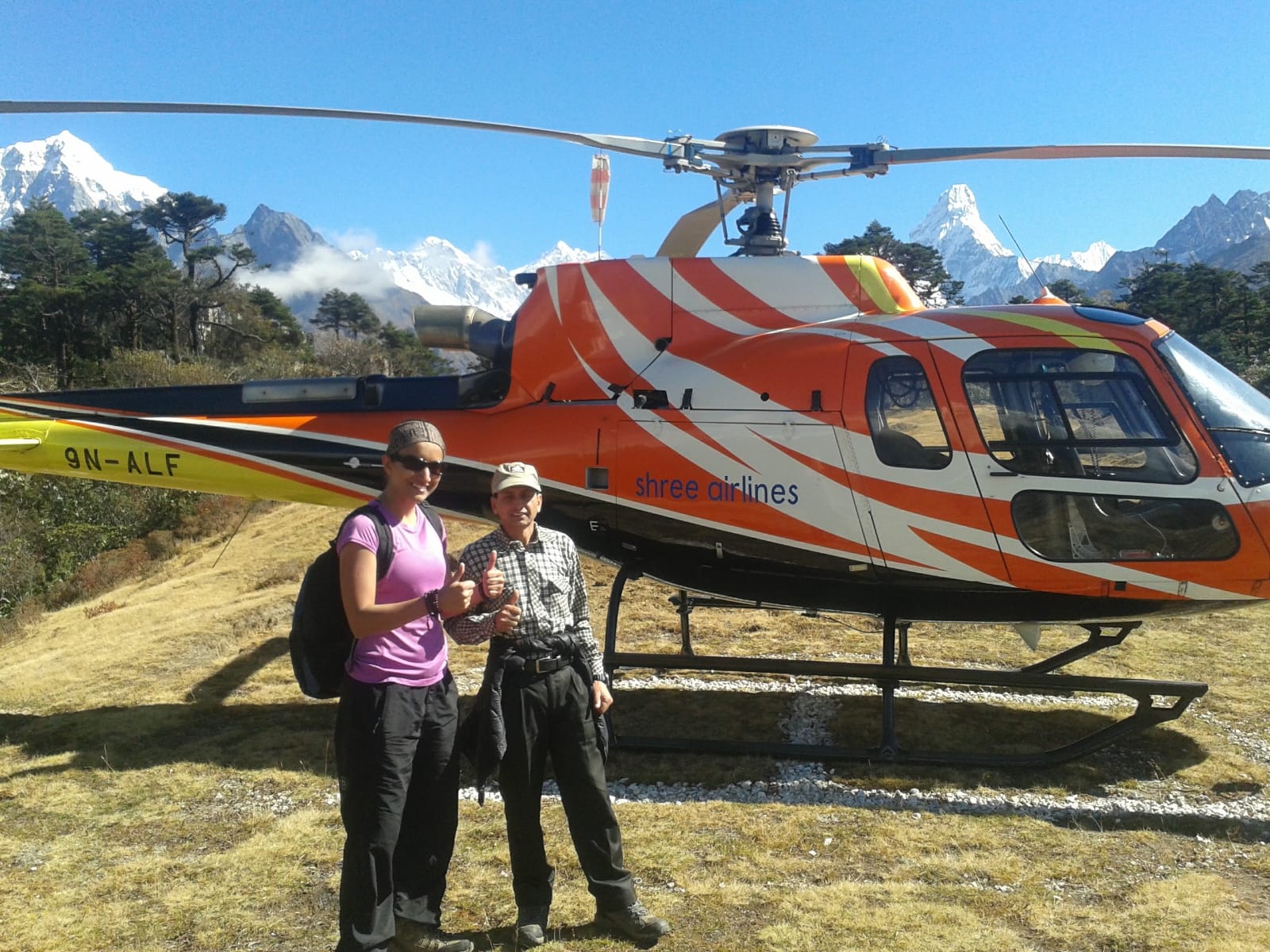
- Travel and rescue insurance if guest get mountain sickness and need to rescue helicopter.
- Personal expenses example (phone calls, laundry service , bar bills, battery recharge, WIFI charge, extra porters, bottle water or boiled water, shower etc.)
- Tips for guide and porters
- Sightseeing sport fees. tours guide cost and vechicle cost
Join Us Upcoming Trips
Book this trip with us. Here are the upcoming dates. Feel free to share this trip with your friends and family. For custom trips or general inquiries contact us.
| Departure Date | Trip Duration | Price | Status | |
|---|---|---|---|---|
| 05 March, 2026 | 14 days | USD $2420 | Fixed departure | |
| 15 March, 2026 | 14 days | USD $2420 | Fixed departure | |
| 30 March, 2026 | 14 days | USD $1420 | Fixed departure | |
| 15 April, 2026 | 14 days | USD $1420 | Fixed departure | |
| 30 April, 2026 | 14 days | USD $1420 | Fixed departure | |
| 15 May, 2026 | 14 days | USD $1420 | Fixed departure | |
| 30 May, 2026 | 14 days | USD $1420 | Fixed departure |
Useful Info
Maximum High Point
Kongma La Pass: 5,535 meters (18,159 feet)—the highest point of the trek.
Essential Equipment for 14 Days
Clothing: Down jacket, fleece layers, thermal base layers, trekking pants, waterproof jacket & pants, warm gloves, wool hat, trekking socks (5–6 pairs). Strong trekking boots (waterproof, broken in), camp shoes/sandals. > Sleeping bag (-15°C comfort), trekking poles, backpack (50–60 L), daypack (25–30 L), headlamp, and water bottles/camel bag. <strong>Personal Sunglasses (UV protection), sunscreen (SPF 40+), lip balm, toiletries, and a quick-dry towel. Other: Power bank, camera, first aid kit, and water purification tablets/filters.
Accommodation, Toilet, and Food (Day by Day)
Day 01: Lukla–Phakding (2,610m)
Room: Wooden tea house, twin sharing.Mostly common; few with attached bathrooms. f&amp;amp;amp;amp;amp;amp;amp;amp;amp;amp;amp;amp;amp;amp;amp;lt;em>ood: Dal Bhat, fried rice, noodles, pasta, and Tibetan bread.
Day 02: Phakding – Namche Bazaar (3,440m)</p>
<p><span class="yoast-text-mark">class="yoast-text-mark">e="color: #000000;">Room: Lodges with attached bathrooms in premium hotels.
<span style="color: #000000;"><em>Toilet:</em> Western-s
tyle availabl
e.</p>
><em>Food:</em> Nepali, Tibetan, Continental, bakeries, coffee shops.</span>
Da
<p>y 03: Acclima
tization at Namche
"color: #000000;"><em>Room: Good hotels with h
eaters (extra charg
e). </span>F<sp
an style="color: #000000;">ood:</span><span class="yoast-text-mark">style="color: #000000;"> Pizza, bakery items, yak steak, soups, tea & coffee.
e="color: #000000;">Day 04: Namche–Tengboche (3,860m)</strong>
Room: Tea houses, simple wooden rooms.
lass="yoast-text-mark">le="color: #000000;">><em>Toilet: Shared.</span></span>
le="color: #000000;"><em>Food: Dal Bhat, noodles, soup, and potato dishes.</span>
e="color: #000000;">Day 05: Tengboche – Dingboche (4,410m)</strong></strong>
<p>tyle="color: #000000;"><em>Room: Basic teahouses, wooden rooms.</p>
<p>="yoast-text-mark">e="color: #000000;">Toilet: Mostly outside/shared.
Food: Fried rice, momo, chapati, tea,
soup.</span>
Day 06: Dingboche (Acclimatization)
Room: Same as previous night.
Food: Warm soups, pasta, pancakes, and porridge.
Day 07: Dingboche–Chhukung (4,730m)
Room: Small lodges, basic rooms.</span>
<p><span class="yoast-text-mark">tyle="color: #000000;">Toilet:</em> Simple, shared.</em>
<span style="color: #000000;">Food: Dal Bhat, noodles, tea, and boiled potatoes.
<p><span style="color: #000000;"><strong>Day 08: Chhukung – Kongma La Pass (5,535m) – Lobuche (4,
940m)</p>
<s</p>
pan style="color: #000000;">Room:</</p>
em> Basic lodge in Lobuche, small wooden rooms.</p>
">Toilet: Shared pit toi
lets.
="
color:
#000000;">Food: Soup, rice, noodles, and a l
imited menu due to altitude.
Day 09: Lobuche – Gorak She</span>
p (5,170m) – Everest Base Camp (5,364m) – Gorak Shep
Room: Very basic, thin walls, cold rooms.
="color: #000000;">Toilet: Shared, simple toilets.</span>
yle="color: #000000;"><em>Food: Dal Bhat, noodle soup, tea, biscuits.</span>
<strong>Day 10: Gorak Shep – Kala Patthar (5,545m) – Pheriche (4,371m)
e="color: #000000;">Room: Pheriche has better teahouses.
="color: #000000;"><em>Toilet: Shared but cleaner than Gorak Shep.</p>
Food:&amp;lt;/em> Soups, Dal Bhat, noodles, and garlic soup.</span></span></p>
<strong</span>
<p>>Day 11: Pheriche – Namche Bazaar</p>
<p>"color: #000000;">Room:</em> Comfortable tea houses. </span>Toilet: Attached optio</em>ns available. e="color: #000000;">Fo</em>od:<</span>/em> Wide variety, bakery items.</em></em></p>
s="yoast-text-mark">="color: #000000;"><strong>Day 12: Namche – Lukla</strong>
<span style="color: #000000;">Room: Comfortable lodge.</p>
<span style="color: #000000;">Toilet: A
ttached and shared, both available.
<p>lass="yoast-text-mark">le="color: #000000;">Food: Nepali, Indian, Western, and Tibetan cuisine.
<span style="color: #000000;">Day 13: Buffer day (weather/acclimatization)</strong></p>
<p><span style="color: #000000;">Stay at Lukla or Namche.</span&gt;
<p>le="color: #000000;"><strong>Day 14: Fl
y Lukla–Kathmandu</p>
yle="color: #000000;">Mountain Sickness Information</span>
<p><strong>Common Symptoms (AMS):</span>
="yoast-text-mark">s="yoast-text-mark">s
tyl
e="color: #000000;">Headache, nausea, loss of appetite, dizziness, shortness of breath, difficulty sleeping.</span>
="color: #000000;">Medicines to Carry:</p>
Diamox (Acetazolamide):</strong> For prevention/treatment of AMS (consult doctor before use). Paracetamol / Ibuprofen: For headache and body pain. <strong>Ondansetron: For nausea. <strong>Dexamethasone: Emergency use for severe AMS (only under supervision).
Oral Rehydration Salts (ORS): For dehydration.</span>
<p>What to Do If You Get Sick:
Mild AMS: Rest, drink fluids, avoid alcohol, and take Diamox if advised. Worsening symptoms: Descend at least 500–1,000 m immediately. Severe AMS (HAPE/HACE): Oxygen support, portable altitude chamber if available, emergency evacuation by helicopter.
Gallery
FAQs
-
What is Kongma La Pass?
Kongma La Pass (5,535 m / 18,159 ft) is one of the three high passes in the Everest region. It connects Chhukung Valley with Lobuche and is part of the famous Three Passes Trek
-
Where is it located?
It lies in the Khumbu region of Nepal within Sagarmatha National Park, between Chhukung and Lobuche, offering panoramic views of the Everest range.
-
3. How difficult is the trek?
Kongma La is considered a strenuous and challenging trek due to its high altitude, steep ascents, rocky trails, and possible snow/ice on the pass. It requires good fitness and acclimatization.
-
What is the maximum altitude of Kongma La Pass?
The highest point is 5,535 meters (18,159 feet) above sea level.
-
What permits are required?
Sagarmatha National Park Permit Khumbu Pasang Lhamu Rural Municipality Entry Permit
-
What type of accommodation is available?
Teahouses and lodges are available in villages along the route (Phakding, Namche, Dingboche, Lobuche). On the pass itself, no accommodation exists—only remote wilderness.
-
9. What kind of food is available?
Teahouses serve typical Nepali meals (dal bhat, noodles, soups, momos, fried rice) along with some Western options like pasta, pancakes, and omelets.
-
What equipment do I need?
Essential gear includes: warm layers, down jacket, good trekking boots, sleeping bag (-20°C recommended), gloves, trekking poles, and possibly crampons/microspikes if crossing in snowy conditions.
-
What mountains can be seen from Kongma La Pass?
From the pass, trekkers enjoy stunning views of Mount Everest, Lhotse, Makalu, Ama Dablam, Nuptse, Baruntse, Pumori, and many Himalayan peaks.
-
What is the difference between Kongma La and other passes (Cho La, Renjo La)?
Kongma La (5,535 m) – Highest, most challenging, remote. Cho La (5,420 m) – Ice and glacier crossing. Renjo La (5,360 m) – Easiest of the three, best panoramic views.