

- Details
Itinerary
Itinerary- Tour Includes/Excludes
- Useful Info
- FAQ
Trip overview
Overview: Fikuri 7-days Trek
Introduction
The Fikuri Trek is an emerging journey that carries the essence of untouched beauty, cultural diversity, and authentic Himalayan charm. Unlike many crowded destinations, the Fikuri trail remains peaceful. Trekkers can enjoy serene surroundings while witnessing the grandeur that makes Nepal famous. Though still less known, the trail is steadily gaining recognition as one of the most popular trekking routes in Nepal. It is admired for panoramic views, welcoming locals, and rich cultural connections. Fikuri is more than a trek—it is a spiritual and natural journey. Every step reveals a new story of tradition, nature, and Himalayan majesty.
About the Fikuri Trek
The Fikuri Trek combines spectacular scenery with timeless traditions. The route unfolds through remote villages, terraced farmlands, rhododendron forests, and pristine ridges that reward visitors with sweeping mountain vistas. Many trekkers describe the Fikuri region as a sanctuary of authenticity, where heritage and nature blend seamlessly. While the Everest and Annapurna regions dominate discussions as the most popular trekking routes in Nepal, Fikuri represents a refreshing alternative. It is gradually emerging as a destination for those who seek quieter trails yet do not wish to compromise on natural beauty, cultural depth, or spiritual encounters.
Location of Fikuri
Fikuri lies in Nepal’s central Himalayan belt, within the Nuwakot and Rasuwa districts. It borders the well-known Langtang region. Its location is close to Kathmandu, yet remote enough to keep its unspoiled charm. The trek winds along ridges with views of the Ganesh Himal range, the Langtang peaks, and even distant Manaslu on clear days. This area is home to diverse ethnic communities, each preserving unique cultural traditions. Its position makes the trek scenic and culturally rich, placing it among the most popular trekking routes in Nepal.
How to Reach Fikuri
Getting to Fikuri is relatively straightforward compared to other treks. Trekkers usually begin their journey from Kathmandu, taking a drive to Bidur, the district headquarters of Nuwakot, or further to Kaule or Samari, depending on the chosen route. The road journey provides glimpses of rural life, terraced hills, and river valleys before transitioning into trekking paths that ascend towards the Fikuri ridge. The accessibility makes this journey attractive for those with limited time, enhancing its reputation as one of the most popular trekking routes in Nepal for short yet meaningful adventures. Unlike remote areas that demand flights or lengthy travel, Fikuri offers a balance of convenience and exploration.
People of the Fikuri Region
The charm of Fikuri lies not only in its mountains but also in its people. The communities living along the Fikuri trail are warm, welcoming, and deeply connected to their cultural roots. Ethnic groups such as Tamangs, Gurungs, and Brahmins coexist in harmony, each contributing to the social fabric with unique languages, rituals, and celebrations. Hospitality is a cornerstone of their lifestyle, where guests are considered blessings. Trekkers often find themselves welcomed with traditional meals, local brews, and stories that reflect centuries of wisdom. This human connection makes the journey more meaningful, elevating it into the circle of the Most Popular Trekking Routes in Nepal, where interaction is as memorable as the scenery.
Accommodation on the Trek
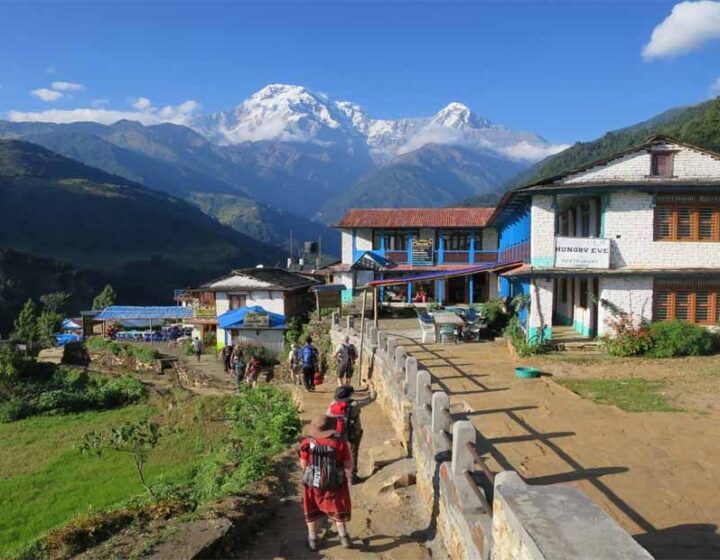
Accommodation along the Fikuri Trek is simple yet sufficient, reflecting the rustic character of the region. Teahouses and homestays form the backbone of lodging, offering basic rooms with wooden beds, blankets, and shared facilities. Meals typically include Nepali staples such as dal bhat, vegetables, noodles, and occasionally locally prepared specialties. While facilities may not match luxury lodges found in the Everest or Annapurna regions, the authenticity and homely warmth provide a different kind of comfort. Many trekkers even prefer these arrangements, as they allow immersion into local living. Thus, the accommodation style adds to the uniqueness of the trek, further securing Fikuri’s identity among the most popular trekking routes in Nepal for those seeking authenticity.
Religious Importance
Fikuri is not only a natural paradise but also a place of spiritual resonance. The Fikuri hilltop itself is regarded as a sacred site for both Hindus and Buddhists. Pilgrims journey here to perform rituals, light butter lamps, and seek blessings. The area resonates with myths and legends, where deities are believed to reside in the peaks and forests. During festivals, the hilltop transforms into a vibrant spiritual gathering, where prayers, chants, and offerings fill the air. This blend of faith and nature is a unique aspect that makes Fikuri stand apart, ensuring its place as one of the most popular trekking routes in Nepal, not just for adventurers but also for spiritual seekers.
Lifestyle of the Local Inhabitants
The lifestyle in the Fikuri region is deeply rooted in tradition and sustainability. Agriculture remains the primary source of livelihood, with families cultivating maize, millet, potatoes, and seasonal vegetables. Livestock such as goats and cows are equally important, providing dairy products and income. Villages are often self-sufficient, with barter systems still in practice in some places. Traditional attire, folk songs, and dance rituals remain integral to their daily rhythm. Modern facilities are gradually entering the region, but people continue to maintain a balanced coexistence with nature. This cultural lifestyle contributes to the trek’s authenticity, drawing travelers who crave experiences beyond the ordinary and positioning Fikuri among the most popular trekking routes in Nepal.
Flora and Fauna
The biodiversity along the Fikuri Trek is remarkable. Dense forests of rhododendron, oak, and pine dominate the lower sections, bursting into vibrant colors during spring. As trekkers ascend, alpine shrubs and meadows take over, home to delicate wildflowers that paint the landscape. Wildlife is equally diverse, with chances of spotting Himalayan monals, pheasants, langurs, and occasionally deer. The ecological richness of this region makes every step a discovery, contributing to its growing recognition as one of the most popular trekking routes in Nepal for nature lovers and photographers.
Vegetation of the Region
Vegetation in the Fikuri area shifts dramatically with altitude. Lower slopes are lush with terraced farms, interspersed with forests of sal and chestnut. Mid-elevations present rhododendron belts, often called natural gardens of the Himalayas. Higher ridges are decorated with juniper shrubs and alpine herbs that thrive in harsher climates. This layered vegetation creates a fascinating trekking environment, where landscapes constantly evolve, keeping trekkers engaged. Such richness in greenery cements Fikuri’s name among the most popular trekking routes in Nepal, particularly for those who admire botany and natural transitions.
Atmosphere of Fikuri
The atmosphere in Fikuri is tranquil and refreshing. The crisp mountain air, the quiet forests, and the rhythmic sound of bells from grazing animals create a soothing environment. The ridge offers unobstructed views of Ganesh Himal, Langtang Lirung, and other Himalayan giants, often glowing golden during sunrise and sunset. Villages exude a peaceful rhythm of life, far removed from the rush of modernity. For trekkers seeking mental peace, Fikuri provides an ideal escape, combining calmness with adventure. This unique ambiance makes it an increasingly sought-after destination within the most popular trekking routes in Nepal.
Fikuri Danda is the Most Popular Trekking Region in Nepal
Nepal is globally celebrated as the ultimate trekking paradise, with Everest Base Camp, Annapurna Circuit, and Langtang Valley often topping lists of the most popular trekking routes in Nepal. Yet, Fikuri presents itself as a hidden competitor. Its accessibility, cultural depth, scenic rewards, and spiritual significance make it highly appealing to those searching for less crowded yet equally rewarding journeys. Unlike busier trails, Fikuri maintains authenticity while still offering everything that defines the best trekking regions in Nepal. This balance of seclusion and richness ensures its rising reputation as part of Nepal’s most treasured trekking landscapes.
The Himalayan Realms Treks and Expedition Nepal Pvt. Ltd.
For those wishing to explore Fikuri, The Himalayan Realms Treks and Expedition Nepal Pvt. Ltd. offers specialized itineraries. These routes highlight the region’s natural and cultural beauty. With years of experience, the company ensures safe, memorable, and insightful trekking experiences. Their guides navigate the trails and share local stories. They introduce cultural practices and connect travelers with village life. The company’s focus on responsible tourism preserves the region’s authenticity while ensuring comfort and support. Choosing this company turns the Fikuri Trek into more than a journey. It becomes an immersive experience on one of Nepal’s most popular trekking routes.
Conclusion
The Fikuri Trek is more than a walk through mountains; it is a celebration of culture, spirituality, and pristine nature. Fikuri offers convenient access, friendly locals, sacred hilltops, diverse vegetation, and panoramic Himalayan views. It truly captures the spirit of trekking in Nepal. Though still less crowded, it is quickly gaining fame as one of the most popular trekking routes in Nepal. With expert guidance from The Himalayan Realms Treks and Expedition Nepal Pvt. Ltd., travelers can confidently discover this hidden gem Fikuri may soon become one of Nepal’s most celebrated trekking regions.
Itinerary
Drive to Bhalche
Overnight: Bhalche – 2,000 m / 6,562 ft
Morning start: 6:00 am
Driving hours: 8–9 hours
The journey begins with an early morning drive from Kathmandu toward the northern hills of Nuwakot. The road follows river valleys, terraced farmland, and traditional villages, offering a gradual transition from urban life to rural Nepal. As the drive continues, scenery becomes greener and quieter, with views of forested ridges and scattered settlements. Occasional stops allow time to stretch and enjoy local tea shops along the way. The final section is slower but scenic, passing through farming communities where daily village life unfolds naturally. Upon arrival in Bhalche, trekkers settle into a peaceful mountain village surrounded by cultivated fields and forested slopes. The cool evening air and calm surroundings make this an ideal place to rest before the trekking days begin.
Trek from Bhalche to Thulo Chaur
Overnight: Thulo Chaur – 2,300 m / 7,546 ft
Morning start: 7:30 am
Walking hours: 6–7 hours
After breakfast, the trek starts with a gradual ascent through terraced fields and mixed forest. The trail passes small settlements where locals are often seen tending crops and livestock. As elevation increases, the path enters denser forest dominated by oak, pine, and rhododendron trees. The walk is steady and moderately demanding, with a few steeper sections that require a relaxed pace. Open clearings along the trail provide short rest stops and views of surrounding hills. Birdlife is active in the forest, adding natural sounds to the journey. Thulo Chaur is a wide grassy meadow used seasonally by herders. The campsite offers open views, fresh mountain air, and a strong sense of remoteness, making the first full trekking day rewarding and scenic.
rek from Thulo Chaur to Gonga Bhanchyang
Overnight: Gonga Bhanchyang – 3,000 m / 9,843 ft
Morning start: 7:00 am
Walking hours: 6–7 hours
Today’s trail climbs steadily toward higher elevations. The forest begins to thin, and the landscape opens into alpine terrain. The route follows ridgelines and gentle slopes, offering wider views of rolling hills and distant mountain ranges on clear days. Walking becomes slower as altitude increases, encouraging a steady rhythm and regular breaks. The vegetation changes noticeably, with low shrubs and grasses replacing tall trees. Occasional prayer flags mark high points along the trail, reflecting local spiritual beliefs tied to the mountains. Gonga Bhanchyang sits on an exposed ridge, providing panoramic views and dramatic skies, especially in the late afternoon. The campsite feels wild and quiet, with strong mountain winds and cool temperatures, signaling entry into true high-altitude trekking terrain.
Gonga Bhanchyang – Hike to Sing La Pass – Return
Highest point: Sing La Pass – 4,200 m / 13,780 ft
Overnight: Gonga Bhanchyang – 3,000 m / 9,843 ft
Morning start: 5:30 am
Walking hours: 6–7 hours
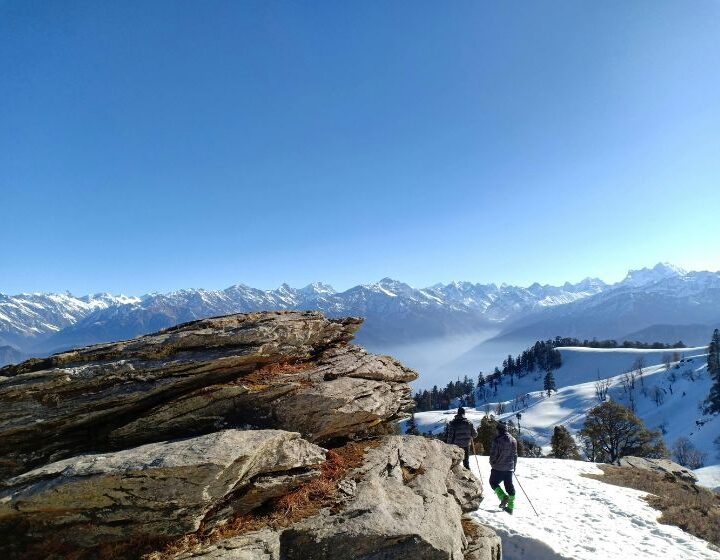
An early start is essential for today’s highlight. The trail climbs along a high ridge toward Sing La Pass, gradually gaining altitude. As the sun rises, Himalayan peaks begin to appear, and the landscape becomes vast and dramatic. From the pass, trekkers are rewarded with breathtaking panoramic views of the central Himalayan ranges, rolling highlands, and deep valleys below. Prayer flags flutter in the strong alpine wind, adding color to the rugged scenery. After spending time at the pass, the route descends carefully back to Gonga Bhanchyang. The descent allows trekkers to enjoy the scenery from a different angle while easing altitude exposure. This challenging yet unforgettable day stands as the spiritual and scenic peak of the Fikuri Trek.
Trek from Gonga Bhanchyang to Mandala
Overnight: Mandala – 1,965 m / 6,447 ft
Morning start: 7:00 am
Walking hours: 5–6 hours
The trek descends steadily from high alpine terrain into warmer forest zones. The trail passes through rhododendron, pine, and bamboo forests, offering shade and a refreshing walking environment. As altitude drops, oxygen levels increase, making the walk more comfortable. The sounds of birds and flowing streams return, adding life to the trail. Occasional viewpoints provide glimpses back toward the high ridges crossed earlier. Mandala is a peaceful forest settlement with spiritual significance, known for its calm atmosphere and well-maintained surroundings. The campsite is surrounded by greenery and offers a relaxing environment after the demanding high-pass day. Evening temperatures are milder, allowing trekkers to rest comfortably and reflect on the dramatic landscapes experienced so far.
Trek from Mandala to Mane Gaun
Overnight: Mane Gaun – 1,400 m / 4,593 ft
Morning start: 7:30 am
Walking hours: 5–6 hours
Today’s walk continues downhill through lush forests and traditional villages. The trail follows stone paths and gentle slopes, passing terraced fields cultivated with seasonal crops. Local houses, prayer wheels, and small temples highlight the cultural richness of the region. Trekkers often encounter villagers going about their daily routines, offering insight into rural mountain life. The warmer climate supports diverse vegetation, including banana plants and subtropical trees. Mane Gaun is a charming village set among farmland and forest, providing a welcoming place to spend the night. The relaxed pace of the day allows trekkers to enjoy cultural interactions and scenic countryside, marking a smooth transition from high mountains back to low hills.
Mane Gaun – Betrawati – Kathmandu
End point: Kathmandu – 1,350 m / 4,429 ft
Morning start: 7:00 am
Walking hours: 3–4 hours trek, 6–7 hours drive
The final day begins with a short downhill trek from Mane Gaun to Betrawati, following village trails and river valleys. The path passes cultivated land, suspension bridges, and small roadside settlements. Upon reaching Betrawati, the trek officially concludes, and the drive back to Kathmandu begins. The road follows the Trishuli River, offering scenic views of hills, rivers, and rural towns along the way. Gradually, the Kathmandu Valley comes into view, signaling a return to city life. Arrival in Kathmandu marks the successful completion of the Fikuri Trek, leaving trekkers with lasting memories of remote ridges, high passes, cultural villages, and unspoiled landscapes.
After breakfast, you will be transferred from your hotel to Tribhuvan International Airport for your final international departure. The transfer time will be arranged according to your flight schedule to ensure a smooth and stress-free journey. Our representative will assist with luggage handling and provide support until you reach the airport entrance. During the drive, you can enjoy a last glimpse of Kathmandu’s streets and surrounding hills. Upon arrival, you will be helped with drop-off procedures before bidding farewell. This service ensures a comfortable and well-organized conclusion to your time in Nepal, marking the successful end of your memorable journey with us.
Included
- 2 Night accommodation in Kathmandu with a B/B basis plan.
- Kathmandu to Bhalche by public bus.
- All airport and hotel transfere
- National permit & TIMS permit ( Trekking Information Management System)
- Accommodation, food and tea/coffee during the trek
- Accommodation- Teahouse and tentend camp
- Guide:- including salary, insurance, equipment, flight, food, and lodging
- Porter:- including salary, insurance, equipment, food, and lodging.
- Transfer from Syabrubeshi to Kathmandu by bus or private Jeep.
- For guest:-Down jacket, Good sleeping bag (down jacket and sleeping bag are to be returned after trip completion)
- All government and local taxes
Not Included
- Food in Kathmandu Lunch & Dinner)
- Bakery food during the trek. When you eat in the bakery that you need to pay by yourself
- Nepal Visa fee
- International airfare from your country to Kathmandu and from Kathmandu
- Extra night accommodation in Kathmandu
- Travel and rescue insurance if the guest gets mountain sickness and needs to rescue helicopter.
- Personal expenses example (phone calls, laundry service, bar bills, battery recharge, extra porters, bottle or boiled water, shower etc)
- Tips for guide and porters
Useful Info
Fikuri Trek—A Hidden Gem of Nepal
The Fikuri Trek is a short yet rewarding journey into Nepal’s central Himalayas, offering a perfect balance of natural beauty, cultural richness, and spiritual significance. Located in the Rasuwa and Nuwakot districts, close to the Langtang region, this trek leads to Fikuri Peak (3,730 m), a sacred hilltop cherished by both Hindus and Buddhists.
Trekkers are welcomed with panoramic views of Ganesh Himal, Langtang Lirung, Manaslu, and distant Annapurna peaks, creating unforgettable sunrise and sunset moments. Along the way, you pass through traditional Tamang and Gurung villages, where warm hospitality, prayer flags, and timeless traditions bring an authentic Himalayan experience.
The trail winds through enchanting rhododendron, oak, and pine forests, home to Himalayan wildlife such as musk deer, monkeys, and diverse bird species. Local pilgrims often visit Fikuri during special festivals, making the journey not only scenic but also spiritually meaningful.
Unlike crowded routes, Fikuri remains a peaceful and less-traveled trek, ideal for those seeking tranquility and genuine cultural encounters. Accommodation is simple, with homestays and teahouses, but the warmth of local hosts makes every stay memorable.
Best trekked in spring and autumn, Fikuri is a 5–7 day adventure that combines accessibility from Kathmandu with the charm of an off-the-beaten-path journey. For trekkers who wish to discover a hidden jewel of Nepal, the Fikuri Trek offers breathtaking views, sacred landscapes, and heartfelt cultural connections.
FAQs
-
Where is the Fikuri Trek located?
The Fikuri Trek lies in the Nuwakot and Rasuwa districts of central Nepal. It is close to the Langtang region and offers views of Ganesh Himal, Langtang Lirung, and even Manaslu on clear days.
-
How high is Fikuri Peak?
Fikuri Peak stands at about 4,200 meters (13,780 feet) above sea level.
-
How difficult is the Fikuri Trek?
The trek is considered moderate. It involves gradual ascents, forest trails, and ridge walks, but it does not require technical climbing skills. Good fitness and some trekking experience are recommended.
-
How many days does the trek take?
The trek usually takes 7 to 10 days, depending on the starting and ending points, acclimatization, and side trips.
-
What type of accommodation is available?
Accommodation is mainly basic teahouses or homestays in villages. Camping may be required in some parts as the area is still developing for trekking tourism.
-
Do I need a special permit for the Fikuri Trek?
Currently, no special restricted-area permits are required, but you will need the TIMS card and possibly a Langtang National Park entry permit, depending on your route
-
What are the highlights of the trek?
Summit of Fikuri Peak (4,200m) Wide Himalayan views (Ganesh Himal, Langtang, Manaslu) Peaceful off-beat trails Local culture and traditions Untouched natural beauty
-
Can I combine Fikuri Trek with other treks?
Yes, it can be combined with parts of the Langtang Valley Trek or routes toward the Ganesh Himal region, depending on your time and interest.
-
Do mobile networks and electricity work on the trek?
Some villages have limited mobile network coverage and electricity, but it is advisable to carry a power bank and be prepared for areas with no connectivity.