

Dudhkunda: A Comprehensive Overview
Introduction
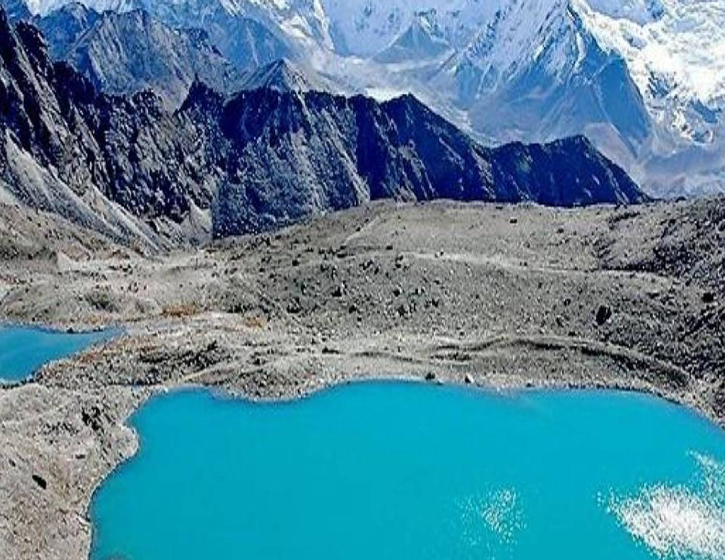
Dudhkunda, often called the “Milk Lake” (Dudh meaning “milk” and Kunda meaning “lake” in Nepali), is a remote alpine lake in Nepal’s Solu-Khumbu region. Sitting at an altitude of about 4,560 meters, it provides a peaceful alternative to busy routes like the Everest Base Camp and Annapurna Circuit. The area is known for its raw beauty, quiet landscapes, and strong cultural and religious significance. For trekkers, it offers both spiritual depth and adventure away from the usual trails.
The Dudhkunda trek remains largely unknown to mass tourism. As a result, visitors can enjoy the pristine surroundings without the typical crowds. Moreover…
, it offers a unique opportunity to witness both the rugged natural beauty of the Himalayas and the rich Sherpa and Rai culture. In fact, the combination of serene landscapes and cultural immersion makes it stand out among less-traveled routes. Consequently, this trek is ideal for those seeking a blend of nature, culture, and peaceful isolation. Ultimately, it provides a rewarding experience for travelers who value authenticity over commercialized trails.
Location and Access
Dudhkunda is located in the Solu region, which lies to the south of the higher Khumbu region (home to the famous Everest). The trek to Dudhkunda begins from the town of Phaplu, which is accessible by a short flight from Kathmandu or by a 10-12 hour drive to the Solu-Khumbu region. Once in Phaplu, trekkers will head towards Salleri, the district capital of Solu, and then continue to Dudhkunda Lake. From there, the trek generally follows a route through dense forests, steep hills, and small Sherpa villages before finally reaching the lake. The trek usually takes 5 to 7 days, depending on the pace and acclimatization. Along the way, trekkers can enjoy the serenity of the surrounding landscapes, which include lush forests, terraced fields, and glacial rivers.
The route from Phaplu to Dudhkunda is less maintained and less popular than other trekking paths. However, the journey through these remote landscapes is rewarding for trekkers who are physically prepared and seeking a challenge. With relatively few visitors, Dudhkunda remains a pristine and hidden jewel of the region.
Accommodation and Food
Accommodation on the Dudhkunda trek is fairly basic but sufficient to provide comfort for trekkers. The majority of the lodges and teahouses along the route are simple, locally run establishments that cater primarily to trekkers. In the lower regions of the trek, you will find more guesthouses that provide hot meals, basic western facilities, and local hospitality. As you move higher up, the availability of more basic accommodations becomes the norm.
The food on the trek, though simple, is hearty and suitable for the demanding conditions of high-altitude trekking. The majority of meals served are traditional Nepali food like dal bhat (lentil soup served with rice), momo (dumplings), and vegetable curries. In addition, trekkers can expect hot tea, coffee, and snacks along the way. For breakfast, trekkers often have the typical Nepali fare of puri (fried bread) or roti (flatbread) with vegetable curry or eggs.
As the trek ascends into higher altitudes, the food options become simpler, focusing on energy-dense meals like porridge, noodle soup, and rice with vegetables or lentils. Local ingredients are used; in addition, seasonal fruits such as apples and oranges are sometimes available. Furthermore, the Sherpa people who run these guesthouses are incredibly welcoming, and they always do their best to cater to any dietary requirements. However, options become increasingly limited in the higher regions.
People of Dudhkunda:
The Sherpa people are the primary inhabitants of the Solu region, though Rai and other ethnic groups also reside in the lower regions. The Sherpas are world-renowned for their mountaineering skills, having guided countless expeditions to the top of Mount Everest and other major Himalayan peaks. Their culture, deeply influenced by Tibetan Buddhism, is centered around their strong connection to the land, the mountains, and the spiritual life.
The people of Dudhkunda are warm and welcoming, with hospitality that reflects their mountain lifestyle. Trekking in the region provides trekkers with an intimate view of the daily lives of these mountain people, who have lived in harmony with the surrounding natural environment for generations.
Sherpa Villages: A Glimpse into Traditional Life
Sherpa villages like Ringmo and Junbesi, located en route to Dudhkunda, offer a glimpse into traditional life in the region. The local people live by subsistence farming. They grow crops such as barley, millet, and potatoes, and tend livestock like yaks and goats. These remote villages are often perched high on ridges, offering stunning views of the surrounding mountains.
Village layouts usually include stone houses, community centers, and Buddhist stupas. Life here follows the rhythm of the seasons and the needs of crops and animals. Visitors often notice the timeless pace of rural life and are warmly welcomed by the local residents.
Religious Influence:
Religion plays a significant role in the lives of the local people in the Dudhkunda region. The majority of the population practices Tibetan Buddhism, a faith that permeates every aspect of their daily lives. This is reflected in the numerous stupas, monasteries, and prayer flags that are scattered throughout the region. Along the trek, trekkers will encounter ancient monasteries where Buddhist prayers and rituals are performed daily. Local communities gather at spiritual sites to seek blessings from monks, offer prayers, and perform sacred rituals. Visitors can observe prayer wheels, mantras, and butter lamps, which hold great significance for the locals. The Sherpas’ spiritual connection to the landscape is central to their identity, with many believing the mountains are sacred and home to powerful deities.
The Rai People: Customs and Spiritual Practices
The Rai people, who live in the lower regions of Solu, follow a blend of animism and Hinduism. Many Rai villagers practice their own indigenous spiritual practices, which often include honoring local spirits and deities, alongside Hindu rituals.
While trekking through the Rai villages, trekkers may be invited to partake in local festivals, ceremonies, or simply observe religious customs that have been passed down through generations. The Rai people’s spiritual beliefs are deeply connected to nature, with rituals often tied to the agricultural cycle and the natural environment surrounding them.
In some villages, you may witness the Rai people celebrating seasonal festivals with traditional dance, music, and prayers. These cultural events offer trekkers a chance to experience the rich heritage of the region in a deeply personal and participatory way.
Religious Significance
Dudhkunda Lake holds immense religious importance for both Buddhists and Hindus. In Buddhist tradition, it is believed to be a sacred site associated with the powerful deities and mountain spirits.
Pilgrims from across Nepal, and even from Tibet, travel long distances to reach the lake. They come to seek blessings and perform sacred rituals. Local legend says the lake was created from the milk of a mythical cow, which gives it its sacred status.
During the full moon festival, locals and pilgrims gather at Dudhkunda for religious ceremonies. They offer butter lamps, prayer flags, and incense while Buddhist chants echo across the valley. The sanctity of the lake is deeply woven into local culture. Trekkers are encouraged to respect these customs and share in the reverence for the sacred waters. For Hindus, the lake carries equal importance. They believe it is a place to purify the soul and offer prayers to the gods.
Moreover, Hindu worshippers frequently gather at the lake during specific religious festivals. In these moments, they seek blessings for health, prosperity, and peace, thereby strengthening their spiritual connection to the sacred site.
Lifestyle of the People
The lifestyle of the people in the Dudhkunda region is simple and rooted in agriculture, animal husbandry, and spirituality. Daily life follows the rhythm of the seasons and the needs of crops and livestock.
Farming remains the primary source of income; however, tourism has grown in recent years, giving families new ways to support themselves. Despite the rugged terrain, the community is largely self-sufficient through careful use of natural resources.
Local people build their homes from stone and timber sourced nearby, ensuring durability in harsh climates while honoring tradition. These practices also show a sustainable approach that reduces reliance on outside materials. They continue traditional farming on terraced fields along steep slopes. Families rotate crops seasonally and raise livestock to support their needs while minimizing environmental impact.
In this way, people preserve their heritage while protecting the fragile ecosystem. The community demonstrates resilience by blending tradition with new opportunities, thriving despite geographical challenges.
Vegetation and Natural Beauty
The lower altitudes of Dudhkunda are cloaked in forests of rhododendron, oak, and pine. In spring, the blooming rhododendrons create a brilliant display of pink and red across the hillsides.
As the trail climbs higher, vegetation changes to alpine shrubs and juniper. Near the lake, the terrain turns rocky, giving way to meadows and moss-covered landscapes.
Flora and Fauna
The Dudhkunda route is rich in Himalayan biodiversity. Trekkers may encounter Himalayan tahr, musk deer, and a variety of birdlife, including pheasants and the majestic Himalayan griffon vulture. Together, the plants and wildlife add depth and wonder to the trekking experience.
Conclusion
The Dudhkunda trek offers an immersive experience in the heart of Nepal’s lesser-known landscapes. It is ideal for trekkers seeking a remote and unspoiled destination.. It offers a chance to experience the rich cultural and spiritual life of the Sherpa and Rai communities. With stunning natural beauty, welcoming people, and sacred significance, this trek promises both adventure and enlightenment.
Dudhkunda is a rare and rewarding opportunity to explore one of Nepal’s hidden treasures. The serene environment, along with the cultural and spiritual depth of the region, makes it an unforgettable experience. Whether you are a seasoned trekker or a first-time visitor, the Dudhkunda trek offers unforgettable memories.