

Overview: Gokyo Lake
Tucked away in the majestic Nepalese Himalayas, the Gokyo Lakes create one of the most breathtaking landscapes in the Everest region. They lie at an altitude of about 4,700 to 5,000 meters above sea level. These stunning glacial lakes are surrounded by towering snow-clad peaks, dramatic valleys, and ancient glaciers. Gokyo is more than just a trekking destination. It is a sacred sanctuary, a photographer’s dream, and an unforgettable journey through the soul of the Himalayas.
Introduction to Gokyo Lake
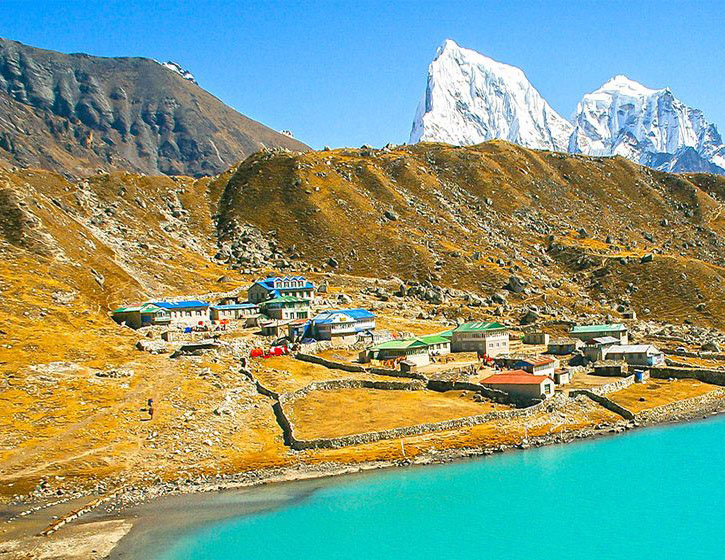
Gokyo Lake, often referred to as the jewel of the Khumbu region, is a group of six glacial-fed lakes located in the Sagarmatha National Park, a UNESCO World Heritage Site. These high-altitude turquoise lakes are the highest freshwater lake system in the world. The largest among them—Dudh Pokhari—is often mistaken for Gokyo Lake itself, due to its prominent location beside the charming village of Gokyo, a popular overnight stop for trekkers.
Trekkers heading to Everest Base Camp often consider the Gokyo Valley route as an alternate or extended trail, offering quieter paths, higher vantage points, and deeper cultural experiences. The route to Gokyo provides a less crowded but equally—if not more—rewarding Himalayan adventure.
Mythology, Spirituality, and Cultural Significance
The Gokyo Lakes are not merely scenic marvels; both Hindus and Buddhists revere them as spiritually significant. Local Sherpas regard these lakes as sacred and connect them with various legends and deities. The most sacred among them—Thonak Cho and Dudh Pokhari—attract hundreds of pilgrims during the Janai Purnima festival in August. Devotees gather here to perform ritual bathing, which they believe cleanses sins and brings blessings from the gods.
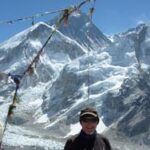
Many locals also believe that the lakes are protected by Nag Devata, or the serpent god, and consider the waters to be pure and divine. Despite the frigid temperatures, spiritual believers immerse themselves in the icy waters as an act of devotion and penance. The area is also rich in Buddhist heritage, with prayer flags, mani stones, and chortens scattered along the trail, symbolizing peace and spiritual connection to nature.
Geography and Natural Beauty
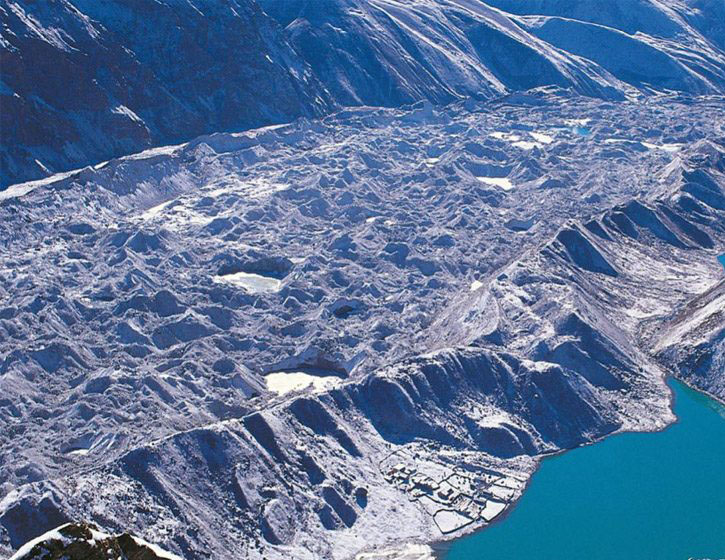
The Gokyo Lakes lie at the base of Gokyo Ri (5,357 meters), a renowned viewpoint that offers panoramic vistas of some of the world’s highest peaks, including Everest (8,848 m), Lhotse (8,516 m), Makalu (8,485 m), and the majestic Cho Oyu (8,188 m). The shimmering lakes, fed by the Ngozumpa Glacier—the longest glacier in the Himalayas—shine in varying shades of turquoise and emerald, changing color throughout the day depending on the angle of sunlight and wind.
The six major lakes in the system include
- Dudh Pokhari (Gokyo Lake I)
- Thonak Cho (Gokyo Lake II)—the largest
- Gyazumpa Cho (Lake III)
- Tanjung Cho (Lake IV)
- Ngozumpa Cho (Lake V)
- Bajung Cho (Lake VI)—the most remote
Each lake holds its own unique charm. While Dudh Pokhari lies beside the village, others like Lake V and VI are accessible through further hiking and offer solitude and raw Himalayan wilderness.
The Gokyo Valley Trek: A Unique Himalayan Experience
The journey to Gokyo Lakes typically starts with a scenic flight from Kathmandu to Lukla (2,860 m)—the gateway to the Everest region. From there, trekkers pass through vibrant Sherpa villages such as Phakding, Namche Bazaar, Dole, and Machhermo before arriving at Gokyo. The trail is steep and challenging, yet incredibly rewarding.
Unlike the classic Everest Base Camp trail, the Gokyo route is more serene, allowing trekkers to immerse themselves in the sounds of nature, observe yak herds grazing across alpine meadows, and connect with local Sherpa culture without the crowds.
The ascent of Gokyo Ri is the highlight of the trek. It demands a steep early-morning climb but rewards trekkers with a 360-degree Himalayan panorama that few other vantage points can rival. Watching the sun rise over Everest, casting golden hues across the frozen world, is an experience that stays with you forever.
Flora and Fauna of the Region
Gokyo lies within the Sagarmatha National Park, home to a diverse range of Himalayan flora and fauna. As you ascend, the landscape transitions from dense pine and rhododendron forests to alpine tundra and glacial terrain.
Wildlife commonly seen in the region includes
The Gokyo Lake region, nestled within Sagarmatha National Park, is home to a rich variety of Himalayan wildlife. Among the most commonly sighted is the Himalayan tahr, a wild goat with curved horns that grazes on alpine slopes. Musk deer, shy and elusive, inhabit the subalpine forests and are often spotted during early mornings or late evenings. Though snow leopards are extremely rare and rarely seen, they roam the higher elevations, symbolizing the wild mystique of the Himalayas. The area also boasts incredible birdlife, including the vibrant Himalayan monal—known locally as the Danphe and celebrated as Nepal’s national bird for its iridescent plumage. Blood pheasants add a splash of red and white to the alpine scrub, while Lammergeiers, or bearded vultures, soar above the ridges, searching for bones to feed on. Together, these species reflect the unique biodiversity and ecological richness of the high Himalayas.
Flora includes various medicinal herbs, alpine mosses, lichens, and vibrant rhododendrons that bloom in spring. The upper valley, though barren, carries a stark, otherworldly beauty.
Sherpa Culture and Local Hospitality
The trek to Gokyo provides an opportunity to deeply engage with Sherpa culture—renowned worldwide for its mountaineering legacy and Buddhist traditions. The Gokyo Valley is inhabited by Sherpa families who have lived in harmony with the harsh mountain environment for generations. They practice sustainable yak herding, farming, and trekking-based hospitality.
The village of Gokyo sits beside the lake, with cozy teahouses run by local families. Staying here offers more than warmth and shelter. It invites you to experience Sherpa customs, taste traditional dishes like tsampa, Sherpa stew, and yak butter tea, and hear stories about yaks, monks, and legendary Everest expeditions.
Best Time to Visit
The best seasons to visit Gokyo are the following: Spring (March to May): Clear skies, blooming rhododendrons, and moderate temperatures. Autumn (September to November): Crisp mountain air, crystal-clear views, and vibrant festivals. During winter (December to February), the region is extremely cold, and the lakes often freeze. Though fewer trekkers are around, those who do venture in winter are rewarded with quiet trails and surreal snowy landscapes. The monsoon season (June to August) brings clouds and slippery trails, making trekking more challenging.
Trek Difficulty and Acclimatization
The Gokyo trek is moderately to strenuously difficult, primarily due to its high altitude. Proper acclimatization is essential to avoid acute mountain sickness (AMS). Many itineraries build in extra rest days at Namche Bazaar (3,440 m) and Machhermo (4,470 m) to help with altitude adjustment.
The ascent of Gokyo Ri (5,357 m) and crossing of Renjo La Pass (5,360 m)—if trekkers take the extended route—can be physically demanding. However, with the right preparation, experienced guides, and a slow, steady pace, the trek is achievable by anyone with good fitness.
Extensions and Side Trails
For those looking to extend their adventure, several spectacular options branch from the Gokyo route: Cho La Pass to Everest Base Camp: A challenging but rewarding high-pass crossing that connects Gokyo to the classic EBC trail via Dzongla and Lobuche. Renjo La Pass to Thame: This scenic route offers an off-the-beaten-path experience through high mountain passes and remote Sherpa villages. Fifth and Sixth Lakes Exploration: Beyond Gokyo Village, trekkers can hike to Lakes V and VI for solitude and incredible views of Cho Oyu and Everest’s north face.
Environmental Importance and Conservation
Gokyo is not only a trekking gem but also an ecologically sensitive area. The lakes are designated as a Ramsar Wetland Site, highlighting their importance as a high-altitude freshwater ecosystem. The fragile alpine environment is under increasing pressure from climate change, glacier retreat, and tourism-related waste.
Local communities, supported by national park authorities and international NGOs, have made significant efforts to promote eco-friendly tourism. Lodges use solar power and bio-toilets and encourage trekkers to carry their waste back to collection points. Trekkers are urged to respect nature, follow Leave No Trace principles, and avoid polluting the sacred lakes.
Why Choose the Gokyo Lake Trek?
The Gokyo Lake trek offers a harmonious blend of natural beauty, spiritual depth, cultural immersion, and high-altitude adventure. This trek is ideal for those seeking Everest’s beauty without the crowds while still enjoying views of iconic peaks. It blends serenity with grandeur and tradition with untamed wilderness.
Whether you’re a photographer chasing reflections, a trekker seeking challenge, or a pilgrim drawn to sacred waters, Gokyo welcomes you.. Open skies and timeless silence await.
With expert guidance from The Himalayan Realms Treks and Expedition Nepal Pvt. Ltd., your journey is carefully planned. Safe acclimatization, warm Sherpa hospitality, and responsible travel make your Gokyo adventure unforgettable.
Final Reflection
Standing beside the tranquil waters of Gokyo Lake, you see the sun glinting off distant glaciers. Prayer flags flutter in the wind. In that moment, you feel a rare connection to the Earth’s raw beauty and spiritual core. The lake mirrors the towering mountains and captures the boundless wonder that stirs within the human spirit. Gokyo is not just a destination—it is a revelation.