

Overview: Everest Region
Introduction: The Realm of the World’s Roof
The Everest Region, also known as the Khumbu Region, stands as one of the most inspiring places in the Himalayas. It is famous for both adventure and deep spiritual beauty. Located in the northeastern part of Nepal, this high mountain area is home to Mount Everest—called Sagarmatha in Nepali and Chomolungma in Tibetan—the highest peak on Earth.
Many people travel here for challenge, peace, and a sense of discovery. Trekkers come not only to see the tall snowy mountains but also to experience local culture, rich nature, and the warm welcome of the highland people.
About: A Tapestry of Majesty and Culture
The Everest vicinity encompasses more than soaring peaks and glacial marvels—it’s an intricate mosaic of heritage, conservation, and coexistence. The Sagarmatha National Park, a UNESCO World Heritage Site, preserves this domain’s ecological and anthropological wealth. From historic stone trails leading to ancient monasteries to prayer-flag-laced passes, the region exhibits a captivating blend of human endurance and natural grandeur. Those who traverse this landscape discover a profound harmony between the raw Himalayan wilderness and the resilient spirit of its inhabitants.
Location: Where Earth Touches the Sky
Situated in northeastern Nepal within Solukhumbu District, the Everest Region is part of Province No. 1. It The region stretches from lower areas such as Lukla and Phakding to higher settlements like Namche Bazaar, Tengboche, Dingboche, and Lobuche. It finally reaches Everest Base Camp and Kala Patthar. Travelers usually enter the area by taking a short domestic flight to Tenzing–Hillary Airport in Lukla. Many consider this one of the most scenic and exciting air routes in the world. The region shares its border with Tibet (China) and sits close to major Himalayan peaks such as Lhotse, Nuptse, Ama Dablam, and Thamserku. This dramatic topography creates a natural amphitheater of ice and stone, attracting mountaineers and trekkers from around the globe.
People: Guardians of the Himalayas
The Sherpa people are the principal ethnic group residing in the Everest area. Known globally for their mountaineering expertise and high-altitude adaptability, they are descendants of Tibetan migrants who settled centuries ago. Other communities such as Rai, Tamang, and Jirel also live in the lower elevations. They coexist peacefully and add to the region’s cultural texture. The Sherpas are often misunderstood as merely porters or guides, yet they are much more than that. They are cultural custodians with rich oral traditions, strong family bonds, and deep spiritual connections to the landscape they call home.
Buddhism in the Everest Region
The Everest zone is deeply rooted in Vajrayana Buddhism, which the Sherpa people primarily follow. Their faith influences every part of life, from daily routines to major life events and community celebrations.
Monasteries as Spiritual Centers
Monasteries—locally known as gompas—play a central role in spiritual practice. Among the most well-known is Tengboche Monastery, which stands as a peaceful hub for prayer, learning, and traditional festivals in the Khumbu Valley.
Sacred Symbols Along the Trail
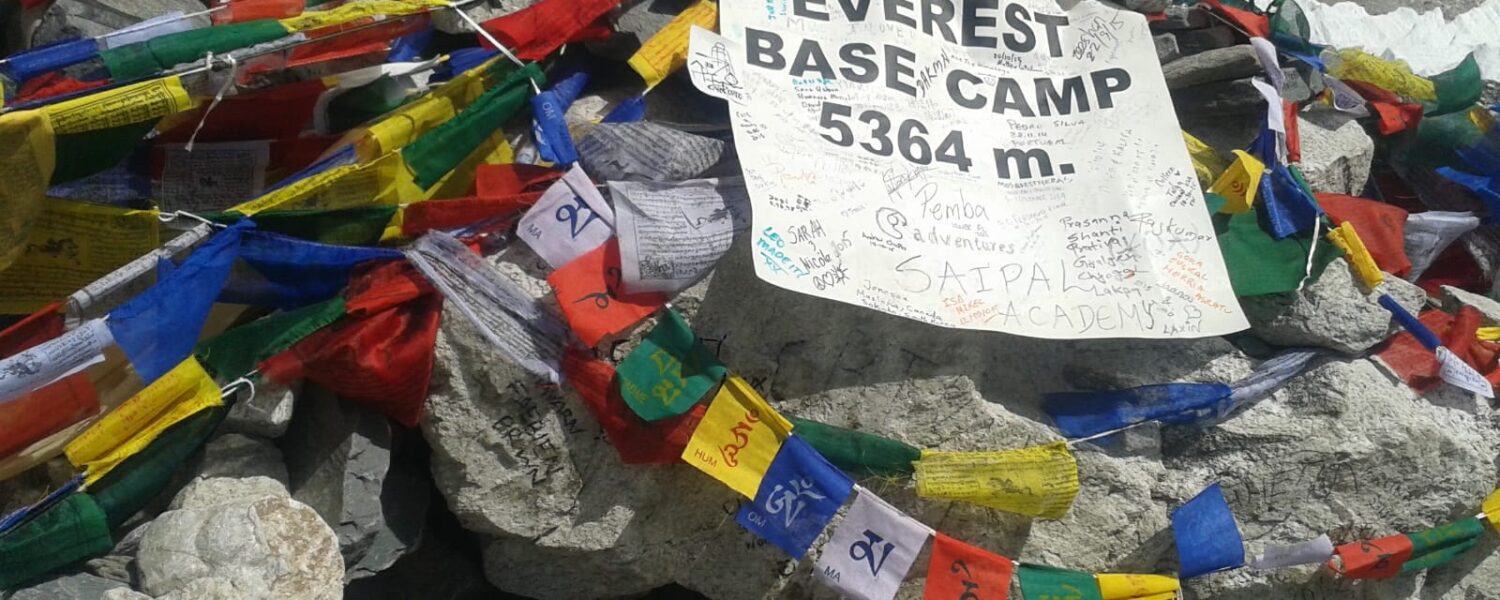
Trekkers often encounter mani walls carved with holy mantras, prayer wheels that spin prayers into the wind, and stupas painted with Buddha’s all-seeing eyes. These symbols offer constant reminders of the spiritual energy flowing through the landscape.
Rituals and Blessings
Before setting out on high mountain climbs, locals and climbers alike participate in Puja Ceremonies to ask for protection and success. These rituals are led by monks and often take place at the base of sacred peaks.
Nature as Living Spirit
People in the Everest region believe that every mountain, rock, tree, and stream holds spiritual power. This view encourages respect for nature, blending faith with daily life in a way that keeps both culture and environment in balance.
Lifestyle: A Resilient and Harmonious Way of Living
Daily life in the Everest territory revolves around subsistence agriculture, yak herding, and tourism. Locals cultivate potatoes, barley, and buckwheat on terraced slopes, while yaks are bred for dairy, wool, and load-bearing. Families live in sturdy stone houses, often multi-generational, where solar power and wood stoves are primary sources of energy. Hospitality is second nature, with guesthouses run by villagers providing shelter and nourishment to trekkers. Community values emphasize cooperation, reverence for nature, and spiritual observance. Seasonal migrations, communal festivals, and strong social bonds characterize this upland existence, rooted in centuries-old tradition yet open to modern influence through ecotourism.
Flora and Fauna: Biodiversity at High Elevation
Despite its extreme altitude and rugged terrain, the Everest Region is a botanical and zoological wonderland. The lower forest zones boast rhododendrons, birch, juniper, and pine, creating vibrant color palettes during spring. As the elevation ascends, alpine shrubs and mosses dominate. Rare and endangered animals such as the snow leopard, Himalayan tahr, musk deer, and red panda find sanctuary in the higher reaches. Pheasants like the Himalayan monal (Nepal’s national bird) and blood pheasants add color and melody to the forests. Butterflies, mountain goats, and various migratory birds also find seasonal refuge in this climate-sensitive zone. This balance of flora and fauna supports the region’s delicate interdependence.
Vegetation: From Subtropical Forest to Alpine Meadow
Vegetation shifts dramatically with altitude. The lower trails from Lukla to Namche are lush with oak, fir, and rhododendron, supporting temperate ecosystems. As the trek progresses above 3,500 meters, these give way to dwarf juniper, alpine grasses, and heaths. Near the Khumbu Glacier, where conditions are stark, only lichens, mosses, and hardy shrubs survive. These high-altitude plant communities play a critical role in stabilizing the soil and providing forage for native fauna. Medicinal plants like Yarsagumba and Himalayan herbs are traditionally used in local healing practices, further emphasizing the biological and cultural value of the region’s botanical life.
Atmosphere: A Realm of Silence, Majesty, and Reflection
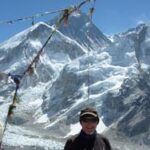
The environment of the Everest Region is simultaneously serene and awe-inspiring. The air is thin, crisp, and tinged with the scent of pine and juniper. The sky often appears impossibly blue during clear days, contrasting starkly with snow-draped ridges. Weather patterns vary—mornings can be sunny and radiant, while afternoons may bring sudden cloud cover or snowfall. The overall ambiance fosters mindfulness, humility, and a sense of timelessness. Trekkers frequently describe an intangible spiritual clarity while walking through the valleys and mountain passes. Whether gazing at Everest at sunrise from Kala Patthar or standing beside fluttering prayer flags on a windy ridge, the atmosphere invites introspection and reverence.
Most popular trekking region in Nepal
Nepal is globally admired for its iconic trekking regions, each presenting unique scenery and cultural richness. The Everest Region inspires with breathtaking views of the world’s tallest peak. The Annapurna Region offers diverse terrain and well-established routes. The Langtang Valley enchants with alpine landscapes and Tibetan-influenced traditions. For those seeking solitude, Manaslu, Kanchenjunga, and Makalu provide remote, less-traveled paths. The Upper Mustang unveils a mystical, high-altitude desert infused with ancient Himalayan culture. From dense woodlands to towering glaciers, Nepal’s trekking zones reflect its geographical variety, spiritual essence, and welcoming communities—making it one of the world’s top trekking destinations
The Himalayan Realms Treks and Nepal Freelance Guide Services
For those who wish to explore this majestic region with expertise and care, The Himalayan Realms Treks and Expedition Nepal Pvt. Ltd. offers carefully curated journeys tailored to various interests and capabilities. Our team consists of seasoned professionals, licensed mountaineering guides, and multilingual support staff who always focus on safety, sustainability, and meaningful cultural experiences. We don’t just offer trekking—our journeys are designed to be transformative, handled with care, understanding, and precise planning.
We also proudly support Nepal freelance guide services, perfect for trekkers who want more freedom or personal attention. These independent guides—many from Sherpa and Rai communities—share deep local knowledge and personal stories. They offer flexible leadership that large commercial groups may not provide. Choosing a freelance guide also supports local families directly. It brings trekkers closer to the real life of the region. Whether you choose a full-service expedition or a simple, personalized trek with a freelance expert, you will enjoy a rich, genuine, and memorable experience.
minimalist trek with a solo guide, travelers benefit from authentic insights and deep-rooted hospitality.
Conclusion: More Than Mountains
The Everest Region is more than a group of high mountains. It is a living world filled with culture, spirit, and nature. Its plants, animals, ancient villages, and holy places all carry deep meaning. The Sherpa people add even more richness with their strong spiritual beliefs and their close relationship with the land. Their warm hospitality makes every visitor feel welcome. Because of them, even a difficult trek becomes meaningful and uplifting.
Whether you travel with a team like The Himalayan Realms Treks or walk with a skilled local freelance guide, one thing is clear. Your journey through the Everest Region will stay in your heart long after you return from its trails.