


Overviews: Patan Durbar Square
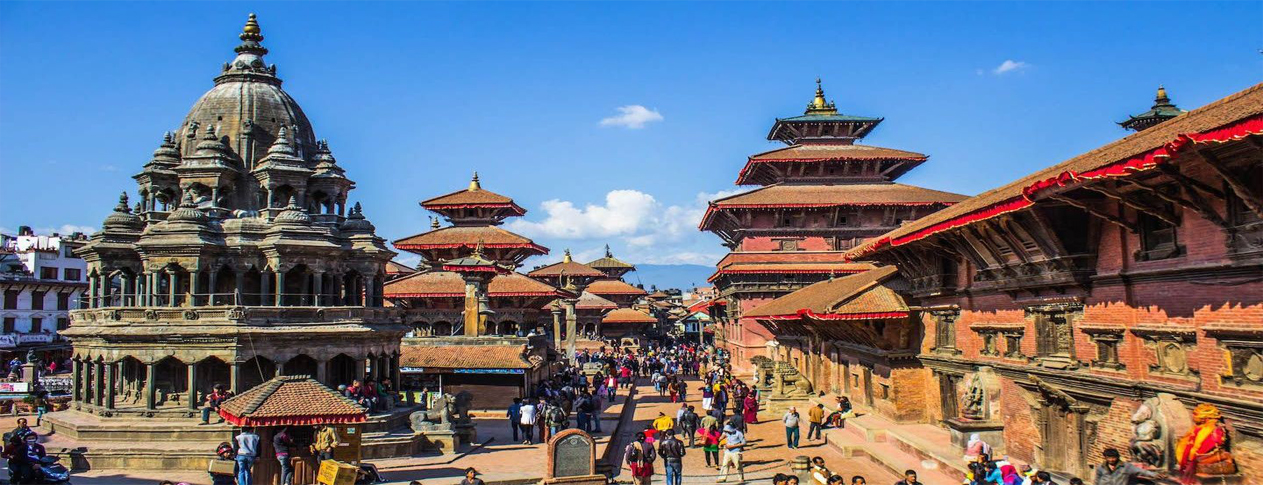
Patan Durbar Square, also known as Lalitpur Durbar Square or the medieval palace complex in Patan, is a UNESCO World Heritage Site located in the heart of Lalitpur, one of the three ancient royal cities of the Kathmandu Valley. Moreover, this timeless square serves as a living museum, vividly showcasing the rich art, culture, and architecture of the Newar civilization. In particular, it reflects the grandeur that flourished during the Malla era, a time renowned for artistic and cultural prosperity. Consequently, visitors are not only immersed in historical significance but also inspired by the intricate craftsmanship that defines the square. With its magnificent temples, royal courtyards, shrines, and intricate wood carvings, Patan Durbar Square stands as one of Nepal’s most treasured architectural jewels.
Historical Background of Patan Durbar Square
The Malla Period Legacy
The history of Patan Durbar Square is deeply rooted in the Malla dynasty (12th to 18th century), a period during which a cultural renaissance was experienced in Nepal. Under Malla kings such as Siddhi Narsingh Malla, Srinivasa Malla, and Yoga Narendra Malla, Patan transformed into a thriving hub of art and culture. The Patan Royal Palace Complex was not only a seat of power but also a center of religious and artistic expression.
Ancient Origins
Though the square flourished during the Malla period, some structures date back to the Licchavi era (3rd to 9th century). Over centuries, kings and artisans continuously added, modified, and restored structures, making Patan an evolving canvas of history and creativity.
Architectural Highlights of Patan Durbar Square
1. Royal Palace and Courtyards
Sundari Chowk
Sundari Chowk is one of the most artistically rich courtyards within the Patan palace complex. At its center lies the magnificent Tusha Hiti, a sunken stone bath intricately carved with images of deities, serpents, and mythical creatures. This sacred water spout was likely used for ritual bathing by the Malla kings.
Mul Chowk
The main courtyard, Mul Chowk, is a spiritual nucleus of the palace complex, dominated by shrines dedicated to Taleju Bhawani, the royal goddess. Only Hindus can enter the sanctum, which reflects the continuing religious significance of the site.
Mani Keshav Narayan Chowk
This part of the royal complex houses the Patan Museum, which preserves ancient artifacts and showcases the history of Hinduism and Buddhism through art.
2. Krishna Mandir
One of the most iconic temples in the Patan heritage site, Krishna Mandir was built in the 17th century by King Siddhi Narsingh Malla. It is constructed entirely of stone, which is considered a rarity in Nepalese temple architecture. The temple’s three tiers are said to represent the three worlds—earth, heaven, and thed—and feature intricate carvings from the Mahabharata and Ramayana epics.
3. Bhimsen Temple
Dedicated to Bhimsen, the god of commerce and trade, this three-story temple features striking golden windows and a richly decorated façade. The structure reflects the merchant roots of the city and the prosperity brought by trade.
4. Vishwanath Temple
Guarded by two large stone elephants, this temple is dedicated to Lord Shiva. The erotic carvings and Tantric symbolism reflect the fusion of spiritual devotion and creative expression unique to Newar architecture.
5. Taleju Bhawani Temple
As the royal deity of the Malla kings, Taleju Bhawani holds a revered place in the Patan old city. Though closed to the general public, the temple’s towering spire and ornamental detailing are visible from outside.
The Patan Museum: A Cultural Treasure
Located within the royal complex, the Patan Museum is one of Asia’s finest institutions dedicated to traditional arts. Housed in the beautifully restored Patan palace buildings, the museum exhibits bronze and copper statuary, wood carvings, religious artifacts, and detailed information on iconography, rituals, and symbolism. It provides context to the architectural and spiritual masterpieces of the square.
Cultural and Religious Significance:
Center of Newar Buddhism and Hinduism: Patan, or Lalitpur—the “City of Beauty”—is” renowned for its harmonious blend of Hindu and Buddhist traditions. Temples to Buddha and Hindu gods stand side-by-side in this sacred square. The town is known for its devotion to Avalokiteshvara and is home to many viharas (Buddhist monasteries).
Annual Festivals and Jatras
The square comes alive during vibrant festivals such as
Rato Machhindranath Jatra—A chariot procession dedicated to the rain god.
Krishna Janmashtami—Celebrated at Krishna Mandir with great fervor.
Indra Jatra and other Newar festivals that blend sacred rituals with communal celebration.
These festivals help preserve the living traditions of the Patan heritage site.
Artistic Legacy of Patan:
The Newar Artisans
The Newar people of Patan are famed for their mastery in metalwork, wood carving, and stone sculpture. Many structures in Lalitpur Durbar Square are testament to their skills. Traditional artisans still work in nearby neighborhoods, continuing centuries-old techniques in crafting statues, ritual objects, and architectural elements.
Iconography and Symbolism
Each carving, statue, and element within the square is steeped in meaning. The stylized eyes of Buddha, the guardian lions, the multi-tiered pagodas, and the tantric motifs all narrate spiritual stories.
Urban Layout and Preservation:
Medieval Town Planning
Patan Durbar Square, also known as Lalitpur Durbar Square, is more than just an architectural marvel; in fact, it stands as a living testament to Nepal’s rich cultural, spiritual, and artistic heritage. Moreover, every element—each brick, temple, and courtyard—vividly recounts stories of kings and craftsmen, gods and devotees, rituals and resilience. Whether you are drawn by history, inspired by art, or in search of spiritual depth, a visit to this medieval palace complex in Patan ultimately offers a profound journey into the soul of Himalayan civilization. Thus, the square is not only a site to admire but also a place to deeply connect with Nepal’s enduring legacy. Furthermore, it reflects the harmony between human creativity and religious devotion that has shaped the Kathmandu Valley for centuries.
UNESCO World Heritage Designation
Patan was listed as part of the Kathmandu Valley UNESCO World Heritage Site in 1979. The site continues to receive international support for preservation and post-earthquake reconstruction, especially after the 2015 earthquake, which damaged several structures.
Visitor Experience and Travel Information:
How to Reach Patan Durbar Square
Location: Located about 5 km southeast of Kathmandu’s Thamel area.
Transport: Accessible by taxi, bus, or foot from central Kathmandu.
Entry Fees and Hours
Foreign visitors: Entry fee applies (about NPR 1,000 as of 2025).
The opening hours are generally maintained from 9:00 AM to 5:00 PM, though earlier access to many temples and courtyards is often permitted.”
Guided Tours
Local guides and cultural experts offer tours explaining the history of Patan, mythology, and art. Joining a heritage walk is highly recommended to appreciate the depth of this cultural treasure.
Conservation and Challenges
Earthquake Damage and Restoration
The 2015 Gorkha earthquake caused significant damage to several temples and structures. However, international and local efforts have led to remarkable restoration using traditional techniques and materials.
Sustainable Tourism and Preservation
As visitor numbers rise, maintaining the authenticity and sacredness of Patan Durbar Square is a challenge. Responsible tourism, community involvement, and heritage education are key to protecting this priceless gem.
Patan Beyond the Durbar Square
Nearby Attractions
Golden Temple (Hiranya Varna Mahavihar)—A hidden Buddhist monastery with golden detailing.
Kumbeshwar Temple is one of the oldest and most revered temples in Patan. It stands as a majestic symbol of Nepal’s ancient spiritual traditions. Dedicated to Lord Shiva, this five-tiered pagoda-style temple dates back to the 14th century. It showcases exquisite woodwork and fine stone craftsmanship. Unique among Patan’s temples, it features a natural spring believed to originate from the sacred lake Gosainkunda. During Janai Purnima, thousands of devotees gather here for ritual bathing and blessings. The temple is surrounded by smaller shrines and a peaceful courtyard. Kumbeshwar Temple offers a sacred and tranquil escape in the heart of the bustling city.
Mahabodhi Temple—A unique terracotta temple known as the “Temple of a Thousand Buddhas.”
Local Handicrafts and Workshops
Visitors can explore the surrounding neighborhoods to witness live demonstrations of traditional metal casting, thangka painting, and wood carving. Buying local crafts supports the artisan community.
Conclusion: Patan Durbar Square—A Jewel of Nepalese Heritage
Patan Durbar Square, also known as Lalitpur Durbar Square, is more than an architectural marvel. It stands as a living testament to Nepal’s cultural, spiritual, and artistic legacy. Each brick, temple, and courtyard tells a unique story. These elements reflect centuries of devotion and craftsmanship. Whether you’re a history enthusiast, art lover, or spiritual seeker, this medieval palace complex in Patan promises a transformative journey. It offers a rare opportunity to step into the heart of Himalayan heritage. Here, the past seamlessly merges with the present. The square captivates the eyes with intricate carvings. It also stirs the soul with its timeless aura. Patan Durbar Square invites every visitor to experience the richness of Nepali civilization—through both its physical structures and intangible spirit.