Trip overview
Overview Gokyo Lake with Renjo-La pass 13-days trek
Introduction
The Gokyo Renjo La Pass Trek is one of the most rewarding high-altitude journeys in the Everest region. It features dramatic mountain scenery, sacred turquoise lakes, and a challenging Himalayan pass. This trek provides a quieter alternative to the classic Everest Base Camp route while still offering spectacular views of Everest, Lhotse, Makalu, and Cho Oyu. Renjo La Pass, at 5,360 meters, connects the serene Gokyo Valley with the remote Bhote Koshi Valley. This creates a circuit-style route for trekkers seeking both beauty and adventure. With fewer crowds, authentic Sherpa culture, and ever-changing landscapes, the trek offers a complete Himalayan experience beyond the usual trails.
Location and Regional Setting
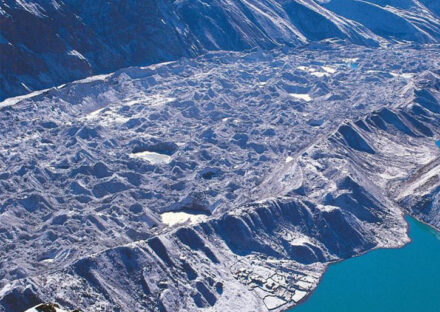
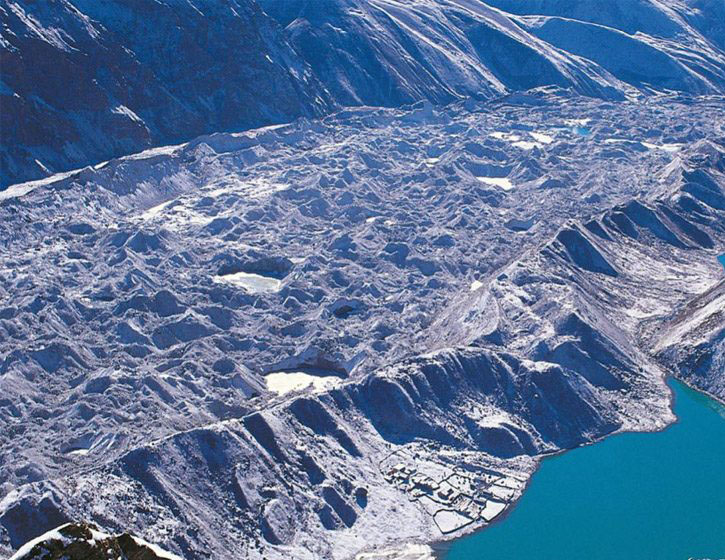
The trek lies within Sagarmatha National Park in northeastern Nepal, a UNESCO World Heritage Site known for its rugged terrain and rich biodiversity. The Gokyo Valley stretches west of the main Everest trail, following the Ngozumpa Glacier, the longest glacier in Nepal. Renjo La Pass forms a natural gateway between Gokyo and the upper Bhote Koshi valley near Thame. The region sits close to the Tibetan border, and this proximity has shaped local culture, trade routes, and architectural styles. High alpine valleys, glacial moraines, and snow-covered passes dominate the landscape, while lower elevations are marked by pine forests and terraced hillsides.
How to Reach the Trek and Transportation
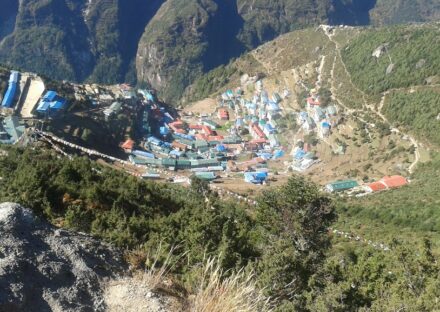
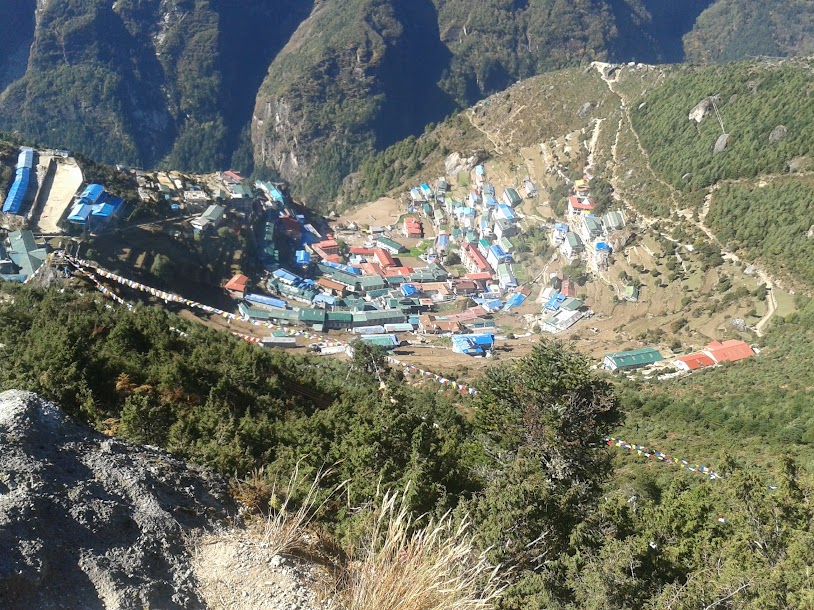
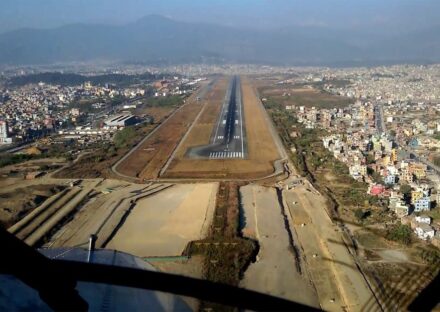
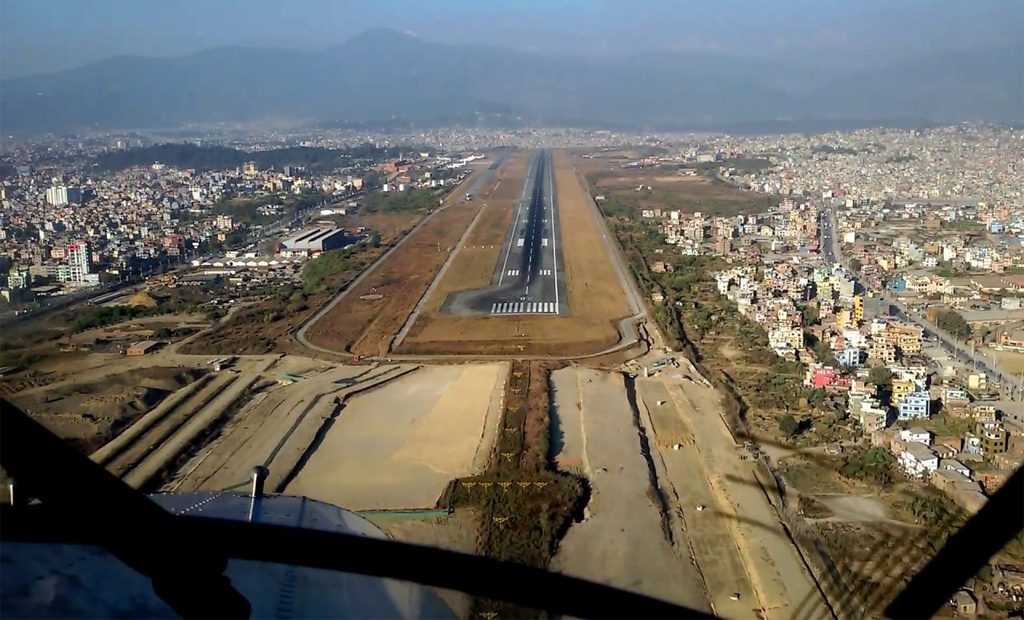
The journey begins in Kathmandu with a short but scenic flight to Lukla, the main gateway to the Everest region. From Lukla, the trail initially follows the Dudh Koshi River through well-known Sherpa villages such as Phakding and Namche Bazaar. After acclimatizing in Namche, the route diverges from the Everest Base Camp trail and heads toward the quieter Gokyo Valley via Dole and Machhermo. Trekkers reach Gokyo village beside the shimmering Gokyo Lakes before crossing Renjo La Pass and descending toward Thame. The trek usually ends with a return walk to Namche and Lukla, followed by a flight back to Kathmandu. Ground transfers within Kathmandu are arranged by private vehicle, ensuring smooth logistics from arrival to departure.
Main Attractions and What Trekkers See
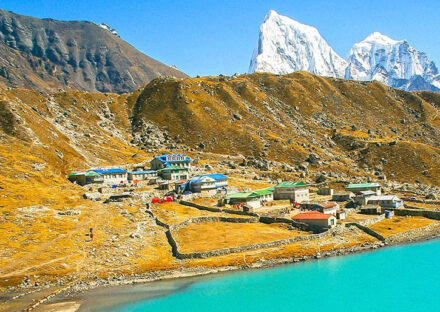
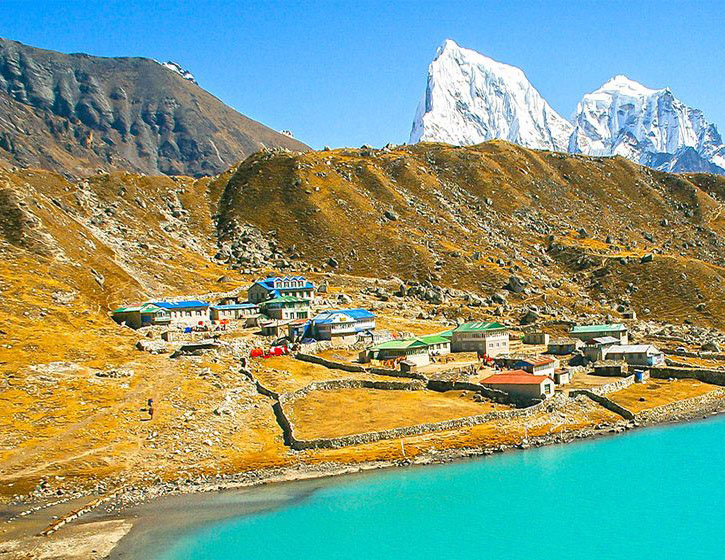
One of the trek’s highlights is the series of six sacred Gokyo Lakes, whose deep turquoise waters contrast beautifully with the surrounding snow peaks and rocky terrain. The ascent of Gokyo Ri offers one of the finest panoramic viewpoints in the Himalayas, with Everest, Lhotse, Makalu, and Cho Oyu visible in a single sweeping vista. Crossing Renjo La Pass is another unforgettable experience, providing dramatic views of the Gokyo Valley on one side and the remote Bhote Koshi Valley on the other. Along the route, trekkers encounter ancient monasteries, fluttering prayer flags, stone-walled fields, and long stretches of glacial landscape shaped by ice and time.
Difficulty Level and Physical Demands
The Gokyo Renjo La Pass Trek is considered moderately challenging to demanding due to the high altitude, long walking days, and the steep ascent and descent of Renjo La. Although no technical climbing skills are required, trekkers must be physically fit and mentally prepared for thin air above 4,000 meters. Proper acclimatization is essential, and the itinerary is designed to allow the body time to adjust. Experienced guides carefully monitor health conditions, making this trek suitable for trekkers with previous high-altitude experience or strong fitness levels who are ready for a rewarding challenge.
People, Culture, and Lifestyle
The region is home to the Sherpa community, renowned for their resilience, hospitality, and deep connection to the mountains. Life in these high valleys revolves around seasonal tourism, yak herding, and traditional trade. Stone houses with carved wooden windows, mani walls, and prayer wheels reflect a culture shaped by both Tibetan and Nepali influences. Daily life follows the rhythm of nature, with farming and livestock care adapted to the short growing season. Trekkers often experience warm welcomes in teahouses, where stories of mountains and traditions are shared over simple meals.
Religion and Spiritual Heritage
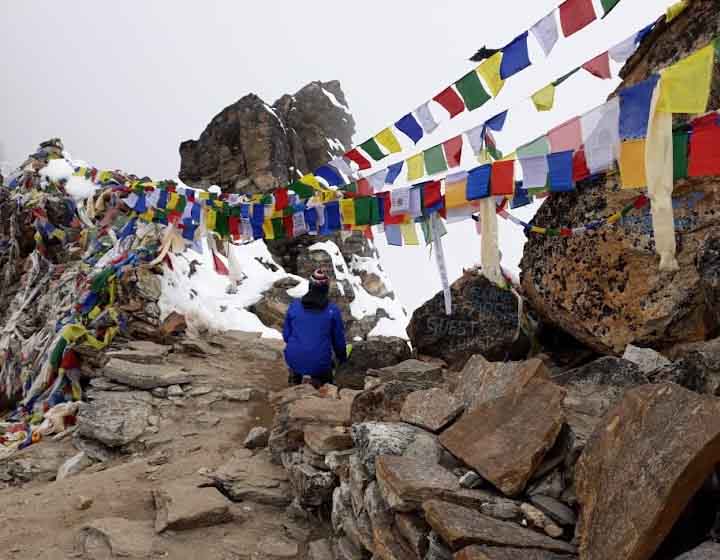
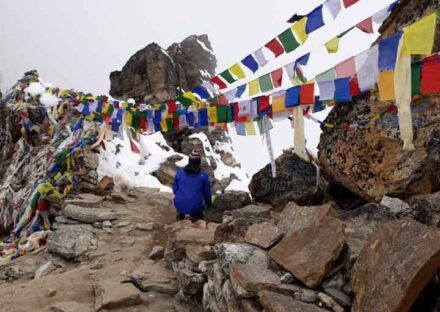
Buddhism plays a central role in Sherpa life, and its influence is visible throughout the trek. Colorful prayer flags line the trails, chortens mark mountain passes, and monasteries act as spiritual centers for local communities. Many peaks and lakes are considered sacred, including the Gokyo Lakes, which hold special significance during certain festivals. This spiritual atmosphere adds depth to the journey, creating a sense of respect and reflection as trekkers move through the landscape.
Crowd Levels and Trail Atmosphere
Compared to the Everest Base Camp route, the Gokyo Renjo La Pass Trek is noticeably less crowded. While Namche Bazaar and Lukla remain busy hubs, the trails beyond Dole and Machhermo feel quieter and more intimate. Crossing Renjo La Pass further reduces encounters with large groups, offering a sense of solitude that many trekkers seek. This calmer atmosphere allows for deeper engagement with nature and local culture, making the trek feel more personal and immersive.
Flora, Fauna, and Vegetation
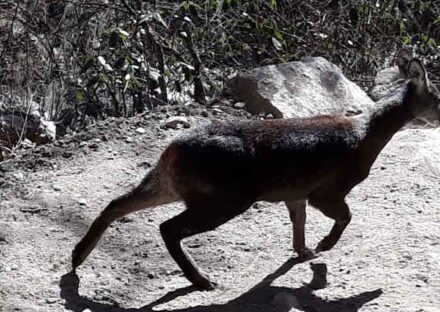
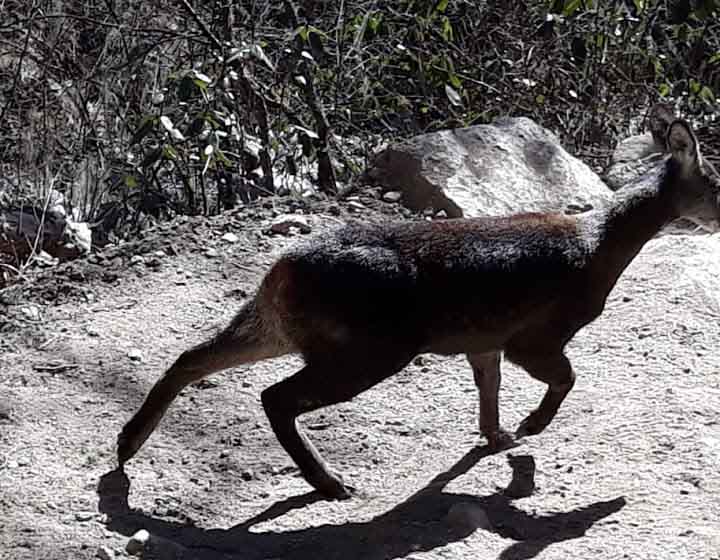
The trek passes through diverse ecological zones, beginning with forests of pine, rhododendron, and juniper at lower elevations. As the altitude increases, vegetation thins, giving way to alpine shrubs and hardy grasses. Wildlife sightings may include Himalayan tahr, musk deer, and colorful pheasants. High above, Himalayan griffons and snow pigeons glide along the ridgelines. The protected status of Sagarmatha National Park preserves this fragile environment, allowing trekkers to witness biodiversity uniquely adapted to extreme conditions.
Overall Atmosphere of the Trek
The atmosphere of the Gokyo Renjo La Pass Trek is defined by contrast and balance. For instance, quiet valleys alternate with bustling Sherpa villages, while peaceful lakes give way to dramatic mountain passes. Additionally, the sense of achievement after crossing Renjo La blends with moments of stillness beside the Gokyo Lakes. Moreover, clear mountain air, vast open skies, and the ever-present peaks create an environment that feels both humbling and inspiring.
Best Time to Do the Trek
The best seasons for the Gokyo Renjo La Pass Trek are spring (March to May) and autumn (September to November). In spring, rhododendrons bloom at lower elevations, and the weather is stable with clear mountain views. Autumn brings crisp air, excellent visibility, and comfortable walking conditions after the monsoon. Winter trekking is possible for experienced adventurers but involves colder temperatures and potential snow on the pass. Summer is less ideal, as monsoon clouds reduce visibility and make trails slippery.
Why Join The Himalayan Realms Treks for This Journey
Choosing The Himalayan Realms Treks and Expedition Nepal Pvt. Ltd. ensures a professionally guided and carefully planned adventure. With deep roots in Nepal’s trekking industry and strong local knowledge, the company prioritizes safety, acclimatization, and personalized service. Experienced guides, fair porter support, and flexible itineraries allow trekkers to enjoy their journey with confidence. The team’s commitment to responsible tourism supports local communities and helps protect the fragile Himalayan environment, adding meaningful value to the experience.
Trek Connections and Route Extensions
The Gokyo Renjo La Pass Trek is one of the most rewarding high-altitude journeys in the Everest region. Moreover, it features dramatic mountain scenery, sacred turquoise lakes, and a challenging Himalayan pass. In addition, this trek provides a quieter alternative to the classic Everest Base Camp route while still offering spectacular views of Everest, Lhotse, Makalu, and Cho Oyu.
Notably, Renjo La Pass, at 5,360 meters, connects the serene Gokyo Valley with the remote Bhote Koshi Valley, thereby creating a circuit-style experience for trekkers seeking both beauty and adventure.
Furthermore, the trek links naturally with other routes in the region. Trekkers can combine it with the Everest Base Camp trail, Cho La Pass, or the Three Passes Trek for a longer journey. Similarly, it also connects to the Thame Valley, offering glimpses of traditional Sherpa settlements away from the main tourist flow.
As a result, these connections make the trek flexible and ideal for customized itineraries, thus providing a complete Himalayan experience beyond standard trails.
Conclusion
The Gokyo Renjo La Pass Trek offers a complete Himalayan experience. It blends scenic beauty, cultural richness, and an adventurous challenge. From the sacred Gokyo Lakes to the dramatic Renjo La Pass crossing, each stage reveals a new view of the Everest region. With fewer crowds and authentic encounters, the trek rewards those seeking depth and variety in their mountain adventure. Guided by The Himalayan Realms Treks, trekkers can explore this remarkable route with confidence, comfort, and a deeper connection to the Himalayas.
Useful Info
Overview of the Trek
The Gokyo Renjo La Pass Trek is one of the most iconic treks in the Everest region of Nepal, offering a unique blend of high-altitude adventure, pristine alpine lakes, and panoramic Himalayan views. This trek combines two highlights of the region: the serene Gokyo Lakes and the thrilling Renjo La Pass, providing trekkers with a challenging yet highly rewarding experience. Unlike the more crowded Everest Base Camp trail, this trek offers solitude and a sense of remoteness, allowing trekkers to immerse themselves fully in the natural beauty and cultural richness of the Khumbu region. The trek typically ranges from 12 to 15 days, depending on acclimatization and pace, and is considered moderate to strenuous, mainly due to the high-altitude pass crossing.
Location and Access
The trek is located in the Sagarmatha National Park, a UNESCO World Heritage Site in northeastern Nepal. The journey usually begins with a scenic flight from Kathmandu to Lukla, followed by trekking through Sherpa villages, terraced fields, and rhododendron forests. The trail passes through well-known settlements like Namche Bazaar, Dole, Machhermo, and finally Gokyo Village. From Gokyo, trekkers climb Gokyo Ri, a prominent viewpoint, before ascending Renjo La Pass at 5,360 meters, which connects the Gokyo Valley to the Everest Base Camp trail near Dzongla.
Difficulty Level
The Gokyo Renjo La Trek is moderately strenuous, with challenges coming from long daily hikes, significant altitude gain, and cold weather conditions at higher elevations. Trekkers should be comfortable walking 5–7 hours daily, sometimes longer on the pass crossing day. Proper acclimatization is essential to avoid altitude sickness, and it’s recommended to schedule rest days in Namche Bazaar or Gokyo to adjust to increasing altitude gradually. Physical preparation, including cardio training, hiking practice, and leg strengthening exercises, is highly recommended before attempting this trek.
Highlights and Attractions
One of the main highlights is the series of six sacred Gokyo Lakes, known for their striking turquoise color and spiritual significance for the local Sherpa and Tibetan Buddhist communities. Gokyo Ri offers one of the most breathtaking panoramic viewpoints in the Himalayas, where trekkers can see Everest, Lhotse, Makalu, and Cho Oyu in a single sweeping vista. The Renjo La Pass provides dramatic views of the surrounding valleys and glaciers, creating a true sense of achievement upon crossing. Additionally, trekkers witness glacial landscapes, suspension bridges, and high-altitude moraine fields, adding variety and excitement to the journey.
Culture and Lifestyle
The trek passes through small Sherpa villages where traditional Tibetan Buddhist culture thrives. Trekkers often see monasteries, prayer wheels, mani stones, and people engaged in daily activities such as yak herding and farming. Homestays and tea houses along the route provide opportunities to experience local hospitality and traditional Sherpa cuisine. The villages are peaceful and not overly crowded, allowing trekkers to engage with locals and observe cultural rituals, including Buddhist prayers and festivals, when visiting at the right time of year.
Flora and Fauna
The trail showcases diverse vegetation. Lower altitudes feature rhododendron and pine forests, while higher regions have alpine shrubs and hardy grasses adapted to cold climates. Wildlife sightings can include Himalayan thar, musk deer, snow leopard (rare), Himalayan monal (national bird of Nepal), and various bird species. The lakes themselves attract migratory birds, and the clear waters reflect the surrounding peaks, creating ideal spots for photography and nature observation.
Best Time to Trek
The best time to undertake the Gokyo Renjo La Pass Trek is during the spring (March to May) and autumn (late September to November) seasons. Spring offers blooming rhododendrons and pleasant weather, while autumn provides clear skies and the best visibility for mountain panoramas. Winter treks are possible but can be extremely cold with heavy snow, making the pass crossing riskier. Monsoon season (June to August) is generally avoided due to slippery trails and frequent rain.
Accommodation and Facilities
Accommodation along the trek is mostly in tea houses or lodges, offering basic but comfortable amenities such as beds, shared bathrooms, and hot showers (where available). Food includes dal bhat (lentil rice), noodles, soups, and local dishes, and tea houses also provide snacks and beverages. Electricity is limited, often available for charging devices at a small fee, and Wi-Fi is sporadic at higher altitudes. It is important to carry cash, as ATMs are only available in Namche Bazaar and Lukla.
Packing Essentials
Trekkers should pack for high-altitude, cold-weather trekking, including layered clothing, insulated jackets, trekking boots, gloves, hats, sunglasses, trekking poles, and sleeping bags suitable for sub-zero temperatures. A daypack for essentials and water bottles or hydration systems is crucial. A first-aid kit, altitude sickness medication, sunscreen, and personal toiletries should not be overlooked. Light packing is preferred since most trekking lodges provide basic meals, and porters can be hired if needed.
Trekking Tips
Acclimatize properly by taking rest days and ascending gradually. Stay hydrated and avoid alcohol at high altitudes. Respect local culture, dress modestly, and follow temple etiquette. Hire a licensed guide to navigate the trails safely, especially for Renjo La Pass. Carry cash, as electronic payments are rarely accepted in remote villages. Check weather forecasts before the trek to avoid sudden snow or storms.
The Gokyo Renjo La Pass Trek offers a perfect combination of adventure, natural beauty, and cultural immersion. Its remote valleys, sacred lakes, panoramic peaks, and the thrill of crossing a high Himalayan pass make it an unforgettable experience for trekkers seeking more than just the traditional Everest Base Camp trail.



dammaru@2026
My name is Ian Thwaites from Australia.I had the pleasure of experiencing the Everest Base Camp with Dammaru a few years back. I came back to Nepal a couple of years later with some Australian friends to deliver an aid project for a village on the Everest route Dammaru was instrumental in assisting us on the ground in setting up this project and he can honestly claim his efforts as a big part of the projects success. I would highly recommend his skills as a trekking guide and will add another dimension to your experience.