

Overview: Teej festival
Teej Festival: The Celebration of Womanhood, Devotion, and Empowerment in Nepal
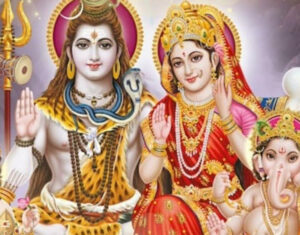
Among Nepal’s many colorful festivals, Teej stands out as one of the most cherished celebrations, radiating with devotion, dance, song, and the power of womanhood. Observed primarily by Hindu women across Nepal, Teej honors Goddess Parvati and her eternal union with Lord Shiva. The festival symbolizes marital devotion, feminine strength, and the pursuit of spiritual and emotional purification. Beyond its religious essence, Teej has evolved into a grand social event, bringing together women from different generations and communities to express joy, solidarity, and prayer.
Origins and Mythological Significance
The roots of Teej trace back to ancient Hindu mythology. According to legend, Goddess Parvati, in her previous birth as Sati, immolated herself when her father insulted Lord Shiva. Reborn as Parvati, she performed intense penance and fasting for many years to win Shiva as her husband once again. Her perseverance, love, and devotion moved Shiva’s heart, and he accepted her as his consort. Their divine reunion became a symbol of true marital fidelity and the power of spiritual commitment. To commemorate this sacred union, women began observing Teej, praying for marital harmony, the well-being of their husbands, and, for unmarried women, a devoted life partner.
The word “Teej” literally means “the third day” in Nepali, representing the third day after the new moon in the month of Bhadra (August–September). The timing coincides with Nepal’s monsoon season, when nature itself seems to dance and sing — the rain, green fields, and blooming flowers mirror the festival’s lively atmosphere.
Cultural and Social Essence
While Teej is deeply spiritual, it also embodies the vibrant cultural heart of Nepalese society. It is a festival where women become the central figures of celebration, reflecting beauty, faith, and togetherness. Clad in crimson red saris, adorned with gold jewelry, and wearing bright green bangles and red tika, women gather in temples, homes, and community spaces. Red is symbolic of love, prosperity, and marital bliss, while green represents fertility and life.
The festival becomes a platform for women to share emotions, stories, and songs — many of which express joy, longing, and even struggles within traditional family life. Through dance and music, women celebrate not only their devotion to Shiva and Parvati but also their sisterhood and inner strength. Teej offers them a rare opportunity for freedom of expression, laughter, and joy within a communal setting.
The Three Days of Teej Festival
The Teej Festival unfolds over three main days, each carrying distinct rituals and emotional significance.
Day 1: Dar Khane Din (The Feast Day)
The festival begins with Dar Khane Din, a joyful evening of lavish feasting shared among women. On this day, married and unmarried women gather at homes, community halls, or temples to eat, sing, and dance. Before beginning their fast the next day, they enjoy a grand meal — the “dar” — consisting of rice pudding, fruits, sweets, yogurt, meat, and various delicacies. It is believed that eating heartily on this day provides strength for the fasting to come.
The atmosphere is filled with laughter, music, and dance as women express their happiness and anticipation for the upcoming rituals. Traditional Teej songs are sung in groups, accompanied by rhythmic clapping and footwork. Many of these songs carry deep social messages — from devotion to Goddess Parvati to reflections on love, longing, and women’s everyday lives. Dar Khane Din reinforces unity, allowing women from all walks of life to share a common emotional and cultural space.
Day 2: Nirjala Brata (The Fasting Day)
The second day, Nirjala Brata, is the core of the Teej celebration — a day of strict fasting and prayer. The word nirjala means “without water,” and many women observe a complete fast, abstaining from both food and drink for 24 hours. Moreover, some even refrain from speaking, dedicating the day entirely to meditation and worship. Nevertheless, despite the austerity, the day is marked by joy rather than suffering because participants believe the fast brings divine blessings for marital longevity and family prosperity.
Preparations and Temple Visits
Early in the morning, women dress in their finest red saris and ornaments, while applying vermilion powder (sindoor) as a symbol of marital status. They then visit nearby temples, particularly the Pashupatinath Temple in Kathmandu, one of the most sacred shrines of Lord Shiva. As a result, the temple transforms into a sea of red as thousands of women gather to offer prayers, flowers, fruits, and oil lamps to Shiva, chanting mantras and singing devotional songs. In this sacred ritual, married women pray for the well-being and long life of their husbands, whereas unmarried women seek blessings for a loving and virtuous life partner.
Devotion Through Song and Dance
Throughout the day, dancing and singing continue, filling temple courtyards and streets with enthusiasm. Even in the heat or rain, women’s faces shine with devotion, determination, and faith. It is a profound spiritual and physical experience — one that purifies the mind and body, strengthening inner resilience and willpower.
Day 3: Rishi Panchami (Purification and Conclusion)
The final day of Teej, known as Rishi Panchami, holds special significance in Hindu tradition. It is dedicated to honoring the Sapta Rishis (Seven Sages) — ancient spiritual teachers believed to have guided humanity toward virtue and purity. On this day, women perform ritual baths and purification ceremonies, seeking forgiveness for any sins or impurities, especially those related to menstruation as per traditional beliefs.
Women wake up early, bathe in holy rivers or sacred ponds, and use mud, leaves, or herbs for symbolic cleansing. They then worship the seven sages, offering prayers and food. This act of purification marks the spiritual conclusion of Teej, emphasizing renewal, humility, and divine grace. After the rituals, women gradually end their fasting, share food with family members, and celebrate their inner strength and blessings received during the festival.
Symbolism and Deeper Meaning
Beyond the rituals and celebrations, Teej carries profound symbolic layers. It is a festival of love, sacrifice, and spiritual endurance. Fasting without water is not merely a physical act; it represents the power of will and the purity of devotion. It also highlights the unbreakable bond between husband and wife, inspired by Parvati’s unwavering love for Shiva.
For unmarried women, the fast becomes a prayer for finding a partner as devoted and kind as Lord Shiva. For married women, it signifies gratitude, faith, and renewal of marital bonds. But on a broader scale, Teej transcends its religious frame — it is also a celebration of womanhood and empowerment, acknowledging the emotional depth, resilience, and unity of women in Nepalese society.
Songs, Dance, and Expression
Music and dance are the soul of Teej. Traditional songs, known as Teej Geet, echo through courtyards, temples, and neighborhoods. These songs are often passed down through generations, blending ancient devotion with modern emotion. Some are purely spiritual, praising Lord Shiva and Parvati, while others voice the joys and sorrows of married life, women’s hopes, and even subtle critiques of social inequalities.
The dances are graceful yet full of energy, symbolizing freedom and joy. Women hold hands, move in circles, and let rhythm take over — expressing feelings words cannot. The blend of laughter, melody, and devotion creates a deeply emotional atmosphere that draws even onlookers into the spirit of the festival.
Modern Context and Evolving Meaning
Over time, Teej has evolved to reflect modern values while preserving its sacred roots. Today, it stands not only as a religious observance but also as a social movement for gender expression and solidarity. In cities like Kathmandu, Pokhara, and Dharan, large gatherings are organized where women from various communities, professions, and backgrounds participate. Media coverage, social organizations, and local governments often support these events, promoting themes of women’s empowerment, health, and equality.
Many women now see Teej as an occasion to celebrate independence and individuality, not just marital devotion. It has become a day to reflect on women’s roles in society and to promote dialogue about respect, equality, and love. The songs, once limited to household themes, now also speak of education, self-reliance, and dignity — transforming Teej into both a spiritual and social awakening.
Teej’s Place in Nepal’s Cultural Calendar
Teej occupies a special place among Nepal’s numerous festivals. It arrives during the monsoon season, a time of fertility and renewal, when the land is lush and life thrives. Furthermore, for travelers, witnessing Teej offers a unique glimpse into Nepal’s vibrant traditions and emotional depth. With the red saris, dancing crowds, temple bells, and devotional chants, the festival creates a spectacle that is both spiritual and cultural. In essence, it represents the core of Nepalese identity — a place where faith, art, and humanity intertwine seamlessly.
Visitors in Kathmandu during Teej often head to Pashupatinath Temple, where the celebration reaches its peak. Watching thousands of women sing and dance in devotion, their faces glowing with joy, leaves a lasting impression of Nepal’s cultural richness and spiritual intensity. For those seeking to understand the soul of the country, Teej is not just a festival — it is a living experience of Nepalese womanhood and spirituality.
Conclusion: The Eternal Spirit of Teej
The Teej Festival, with its blend of mythology, devotion, and feminine grace, continues to thrive as one of Nepal’s most meaningful traditions. It honors Goddess Parvati’s eternal love and perseverance, while also reflecting the strength, endurance, and faith of Nepali women. Each song, each dance, and each prayer during Teej speaks of hope, renewal, and empowerment.
For the women who celebrate it, Teej is not merely a ritual — it is a reaffirmation of identity and devotion. For onlookers and travelers, it is a captivating expression of Nepal’s spiritual beauty and cultural vitality. In every drop of rain that falls during this season, as well as in every song that echoes through the streets, and moreover, in every heart that beats with faith, the spirit of Teej lives on — eternally, radiant, and divine.