

Trip overview
Overview: Langtang Valley 8-Day Trek
Introduction
The Langtang Valley 8-day trek in Nepal is one of the most scenic and meaningful short Himalayan journeys in the country. Located close to Kathmandu, this trek still feels remote, peaceful, and untouched. Because of its ideal duration, the Langtang Valley 8-day trek in Nepal suits travelers who seek mountain scenery, cultural depth, and natural beauty within a limited time frame. The trail moves through dense forests, traditional Tamang villages, flowing rivers, and wide alpine valleys. Along the way, trekkers enjoy clear views of snow-covered Himalayan peaks that rise above the valley.
Moreover, the Langtang Valley 8-day trek in Nepal offers a calm atmosphere and warm local hospitality throughout the journey. The route remains less crowded than the Everest and Annapurna regions. Therefore, it attracts trekkers who prefer quiet trails and a slower pace. In addition, the trek highlights Tibetan-influenced culture, Buddhist monasteries, prayer flags, and traditional mountain lifestyles. As a result, each day feels both visually rewarding and culturally meaningful.
Location of Langtang Valley
Langtang Valley lies in the northern part of Nepal. It is located inside Langtang National Park, which borders Tibet. The region sits north of Kathmandu Valley. Because of its location, people often call Langtang the “Valley of Glaciers.” High peaks such as Langtang Lirung, Dorje Lakpa, and Ganesh Himal surround the area.
Furthermore, the valley stretches along the Langtang Khola river. The landscape gradually changes from green hills to high alpine terrain. Consequently, trekkers experience diverse scenery within a short distance. The location is perfect for an 8-day trek because the altitude increases steadily and safely.
How to Reach Langtang Valley—Transportation
First, travelers drive from Kathmandu to Syabrubesi. The drive usually takes 7 to 8 hours. The road follows rivers and hills. Although the journey is long, the scenery is beautiful. Public buses and private jeeps are available. However, a private jeep is more comfortable and faster.
After reaching Syabrubesi, the trek begins on foot. From there, no flights are needed. Therefore, the Langtang Valley trek is reliable even when flights in other regions are delayed. This makes the trek practical and stress-free. In addition, road access keeps costs lower than remote trekking areas.
Main Attractions of the Langtang Valley Trek
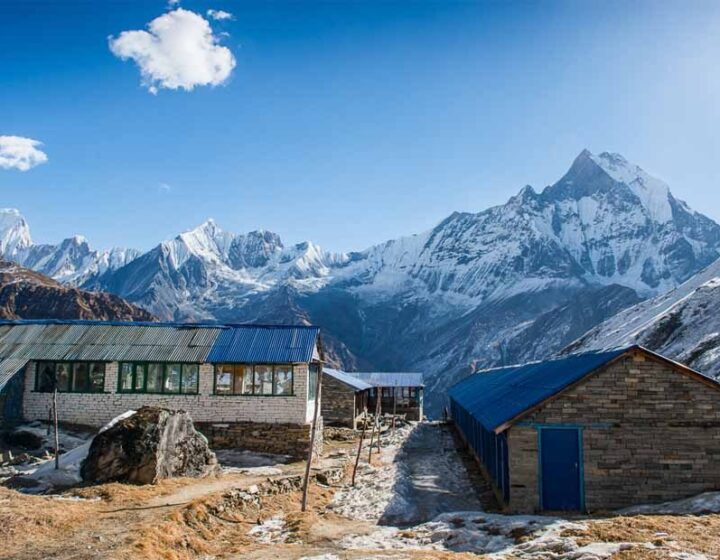
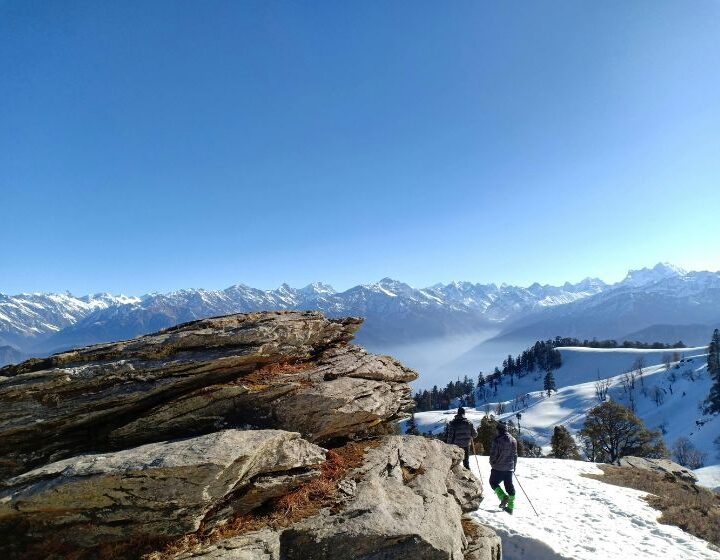
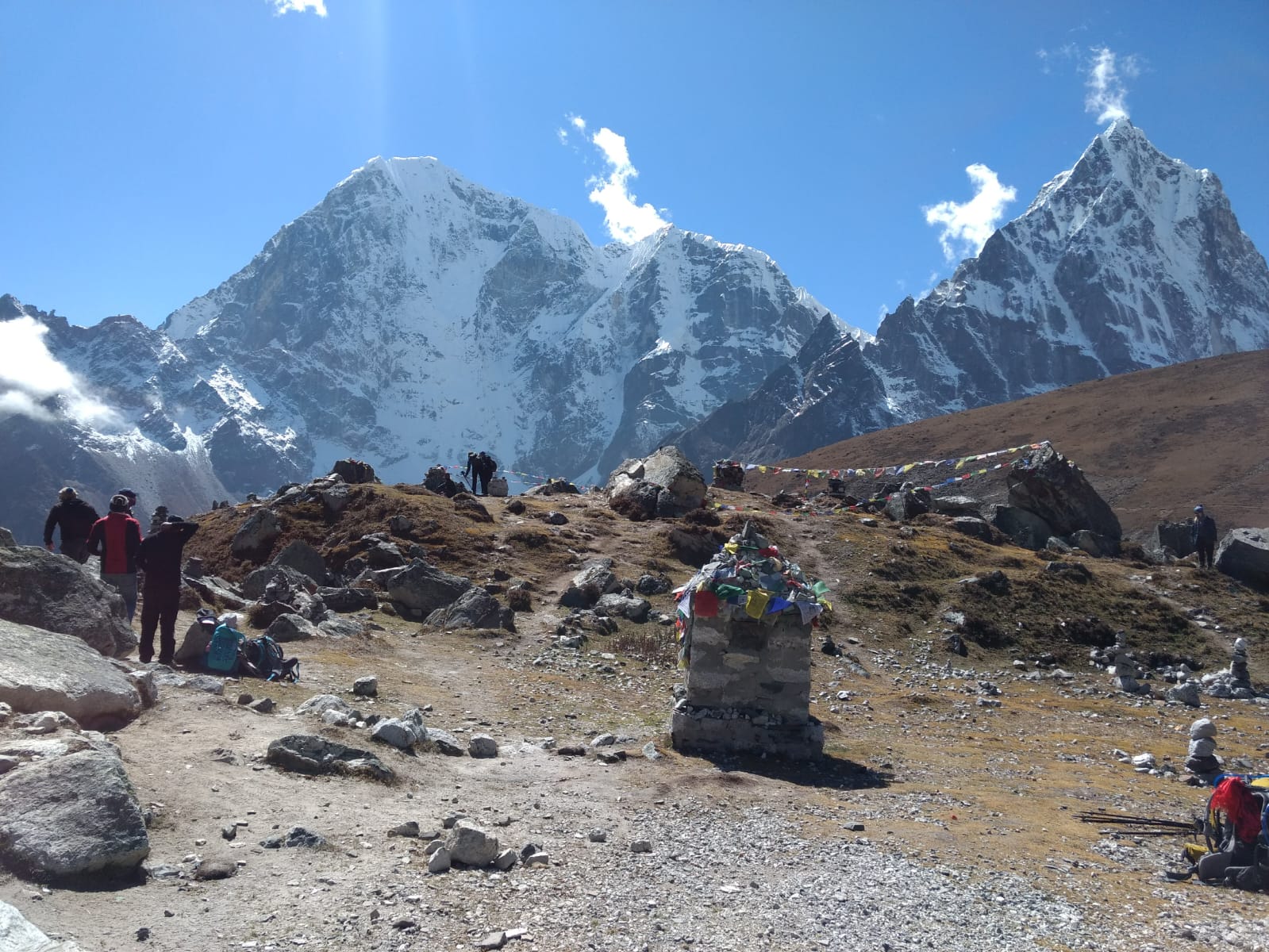
The main attraction of the Langtang Valley trek is its natural beauty. Snowy mountains rise above green forests. Rivers flow beside the trail. Waterfalls fall from high cliffs. Meanwhile, glaciers shine in the upper valley. Each day brings a new view.
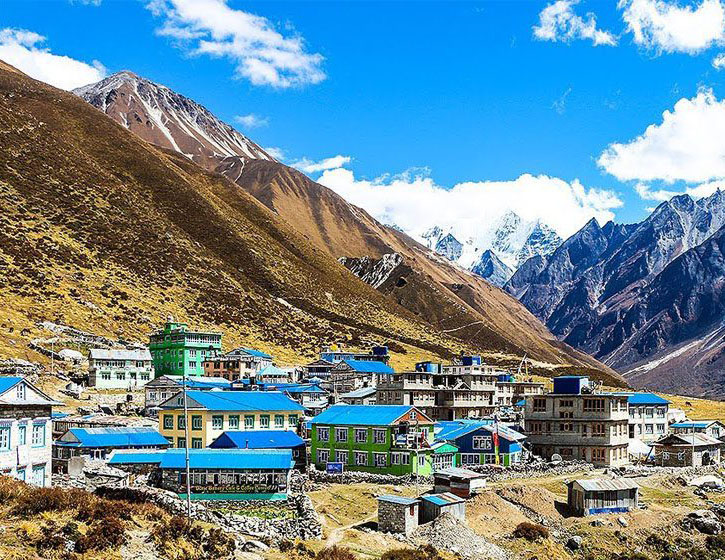
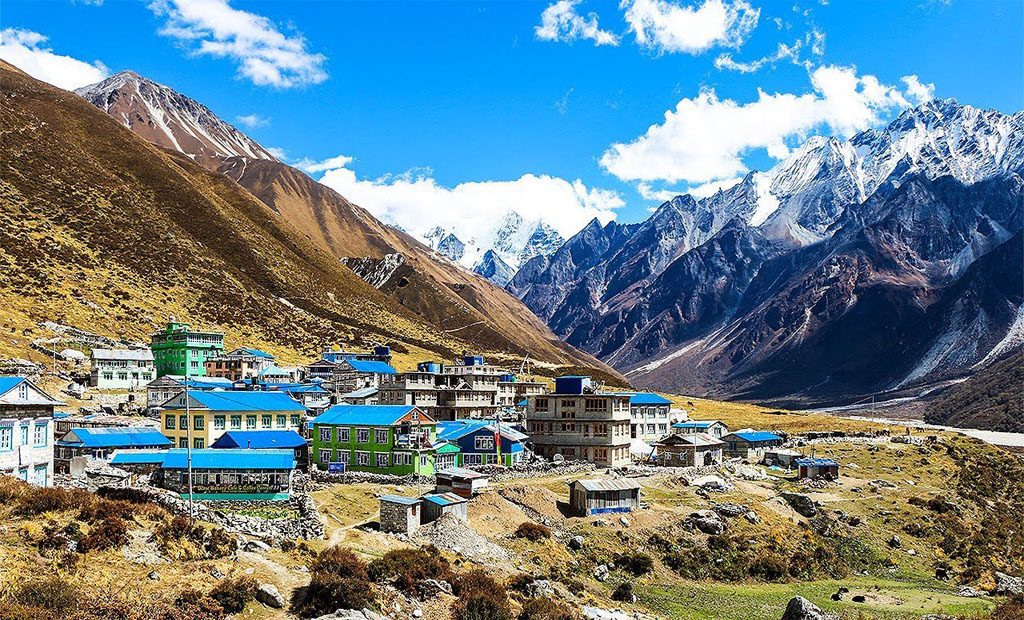
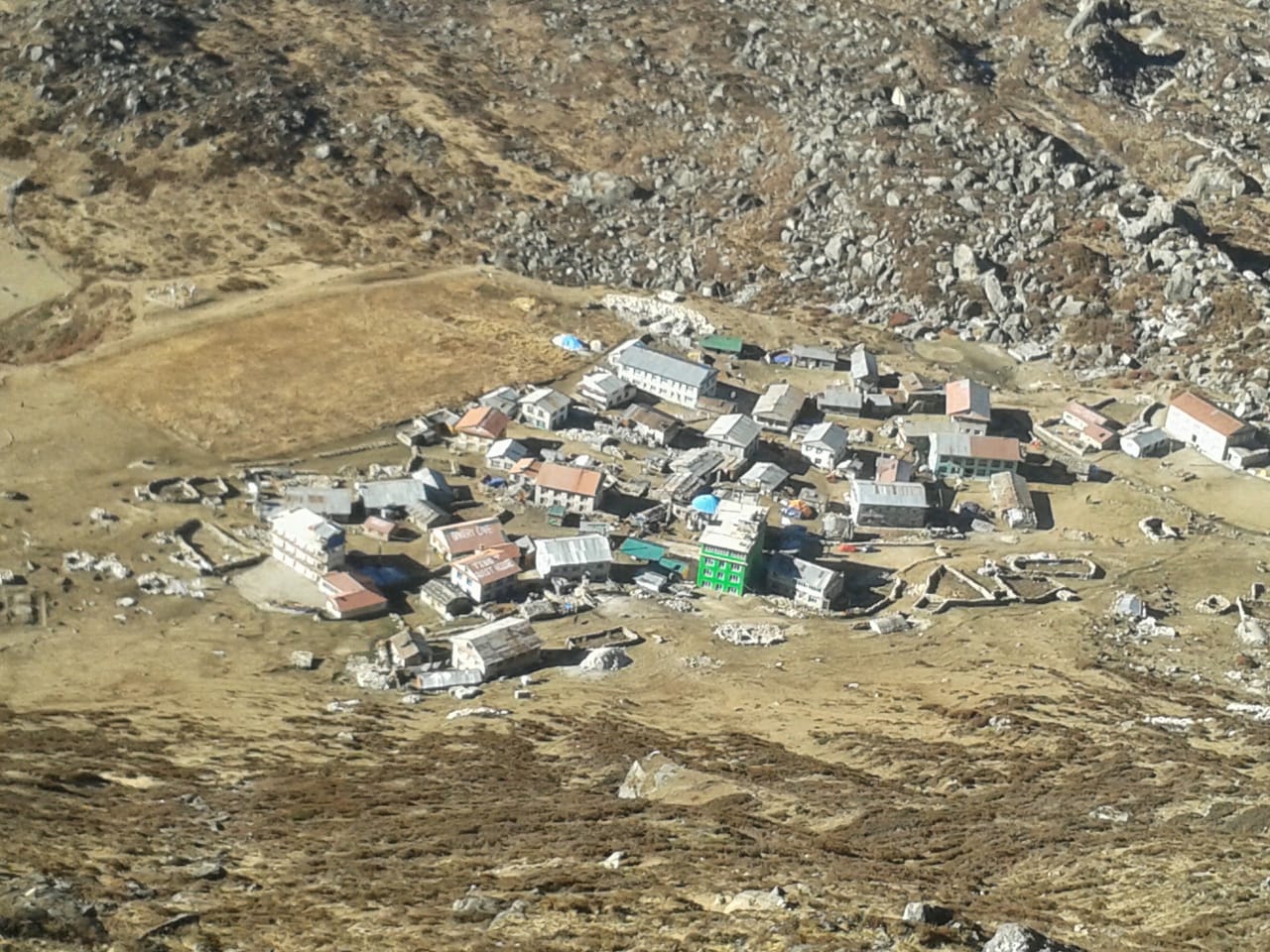
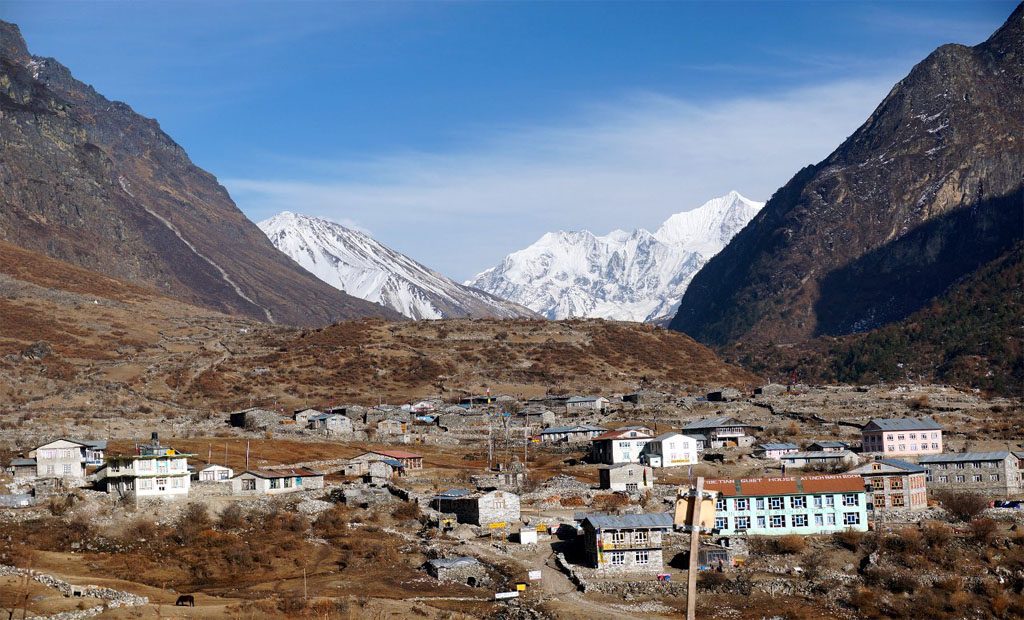
Another major highlight is Kyanjin Gompa, the last settlement in the valley. This village sits beneath towering peaks and glaciers. Nearby viewpoints like Kyanjin Ri and Tserko Ri offer breathtaking panoramas. Moreover, ancient monasteries, prayer wheels, and mani walls add spiritual charm to the journey.
What We See During the Trek
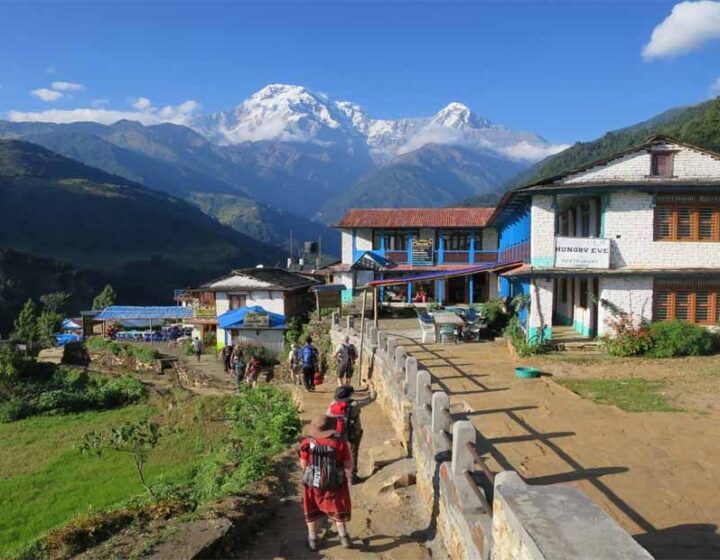
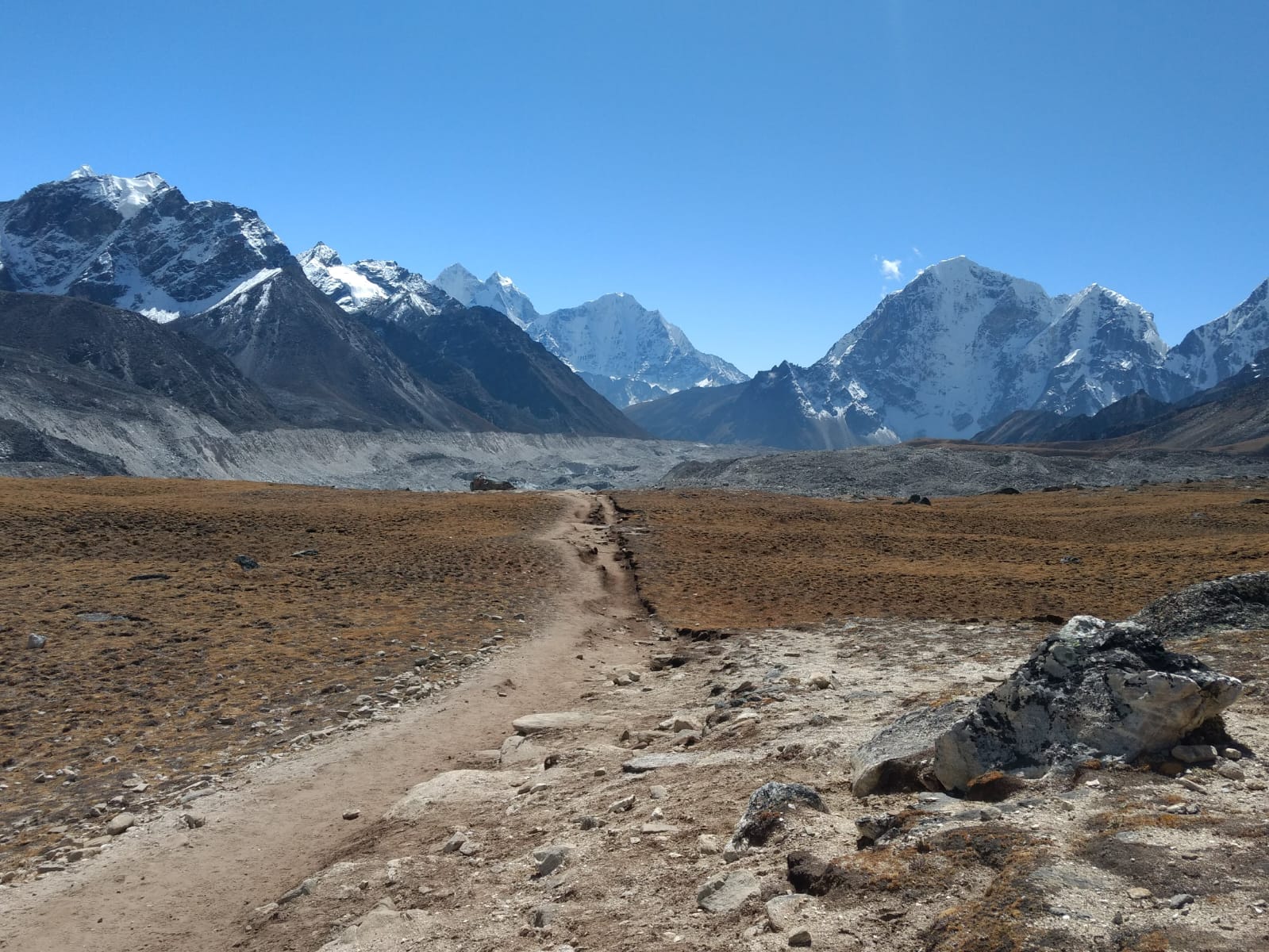
During the trek, trekkers see many landscapes. First, they walk through subtropical forests. Later, pine and rhododendron forests appear. After that, the trail opens into wide yak pastures and alpine meadows. Finally, icy peaks dominate the skyline.
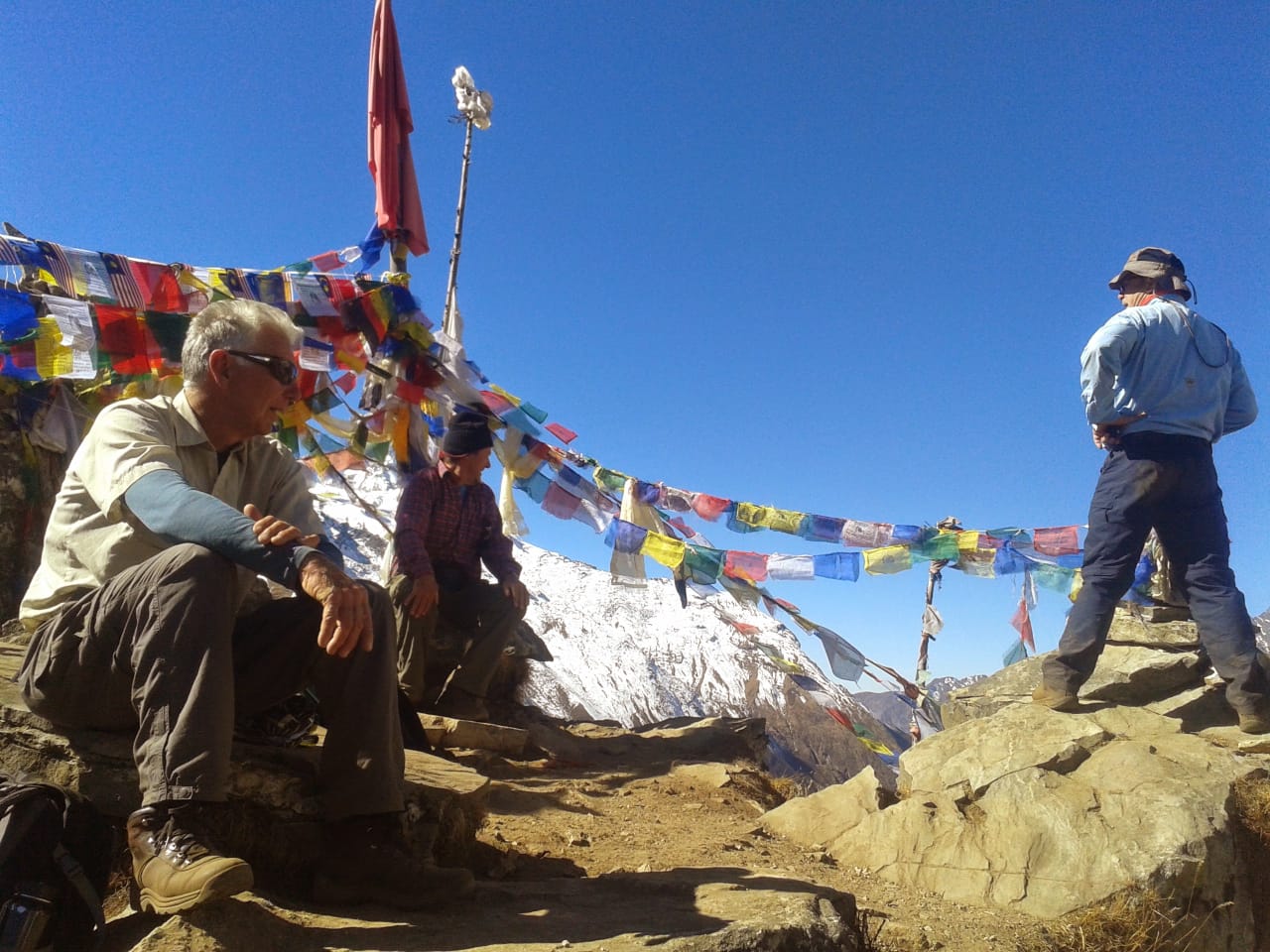
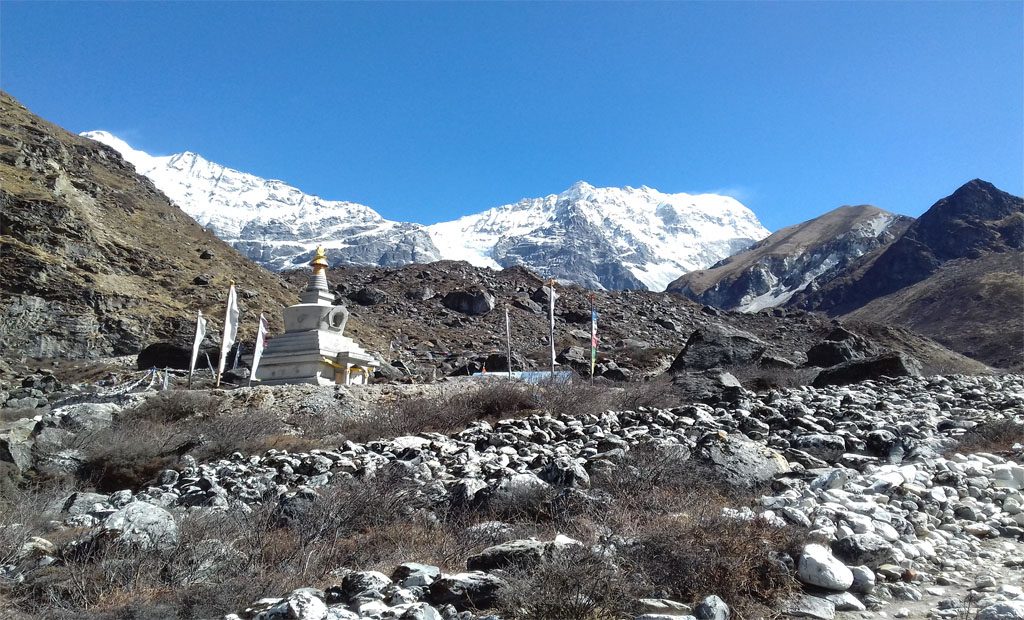
At the same time, wildlife can be spotted. Red pandas, langur monkeys, deer, and Himalayan birds live in this area. Although animals are shy, signs of wildlife are often seen. Additionally, prayer flags, stone chortens, and traditional houses line the trail. Therefore, nature and culture blend smoothly throughout the trek.
How Difficult Is the Langtang Valley Trek?
The Langtang Valley 8-day trek is considered moderate. It is not too hard. It is not too easy. The daily walking time is usually 5 to 6 hours. The trails are well-defined and safe. However, there are some uphill and downhill sections.
The maximum altitude is around 3,870 meters at Kyanjin Gompa. Optional hikes go higher. Because of gradual ascent, altitude sickness is less common. Still, proper acclimatization is important. With a guide, the trek becomes safer and more enjoyable. Therefore, the trek suits beginners with good fitness and experienced trekkers alike.
People of the Langtang Valley
The Langtang Valley is mainly inhabited by Tamang people. They have lived in this region for centuries. Their language, dress, and customs are unique. The Tamang people are warm, kind, and welcoming. They greet trekkers with smiles and respect.
Many families depend on trekking and farming. After the 2015 earthquake, the local community rebuilt their villages with strength and unity. Today, trekking helps support their livelihoods. Therefore, visiting Langtang directly benefits local people and their future.
Culture, Lifestyle, and Religion
The culture of Langtang Valley is deeply influenced by Tibetan Buddhism. Monasteries, prayer wheels, and mani stones are everywhere. People spin prayer wheels daily. Monks chant in gompas. As a result, the valley feels spiritual and peaceful.
The lifestyle is simple and traditional. People farm potatoes and barley and raise yaks. Life follows seasons and nature. Even today, modern influence is limited. Therefore, trekkers experience authentic mountain life.
Regarding crowd levels, Langtang is not crowded. Even during peak seasons, the trail remains calm. Compared to Everest and Annapurna, fewer trekkers walk here. This makes the experience more personal and relaxing.
Flora and Fauna of Langtang Valley
Langtang National Park is rich in biodiversity. Lower areas have bamboo, oak, and pine forests. Higher areas feature juniper and alpine shrubs. In spring, rhododendrons bloom in red, pink, and white colors. Thus, the valley becomes colorful and lively.
Wildlife includes red panda, Himalayan black bear, snow leopard, and musk deer. Many bird species also live here. Although sightings are rare, the ecosystem is healthy and protected. Therefore, Langtang is ideal for nature lovers and photographers.
Vegetation and Natural Environment
Vegetation changes with altitude. At lower elevations, green forests dominate. As altitude increases, trees become shorter. Eventually, the land opens into grasslands and rocky terrain. This gradual change makes the trek visually engaging.
Moreover, the valley feels fresh and clean. Air quality is excellent. Rivers provide constant sound and energy. Because of limited traffic and industry, nature remains pure. As a result, trekkers feel refreshed both physically and mentally.
Atmosphere of the Langtang Valley Trek
The atmosphere of Langtang Valley is calm and healing. Silence is broken only by wind, water, and bells of yaks. The valley feels open and wide. Mountains stand close, yet welcoming.
Unlike busy trekking routes, Langtang offers solitude. Trekkers can walk at their own pace. They can think, relax, and connect with nature. Therefore, the trek is ideal for peace seekers and mindful travelers.
Best Time to Do the Langtang Valley Trek
The best seasons for the Langtang Valley trek are spring and autumn. Spring lasts from March to May. During this time, flowers bloom and the weather is mild. Rhododendrons make the trail colorful.
Autumn runs from September to November. Skies are clear. Mountain views are sharp. Temperatures are comfortable. This season is perfect for photography and walking.
Winter is cold but possible for experienced trekkers. Summer brings rain, but greenery increases. Therefore, Langtang can be trekked most of the year with proper planning.
Why Join “The Himalayan Realms Treks for Langtang Valley Trek ”?
Choosing The Himalayan Realms Treks and Expedition Nepal Pvt. Ltd. ensures a safe and meaningful journey. The company is led by experienced professionals with deep knowledge of Himalayan trekking. Local guides are trained, friendly, and responsible. Moreover, the company focuses on personalized service. Group sizes are small.
The team gives full attention to safety, comfort, and cultural respect. They follow eco-friendly practices and actively support local communities.
In addition, trekking with Himalayan Realms offers flexibility and personal care. The guides adjust routes when needed and manage the walking pace carefully. They respect every traveler. Therefore, the trek becomes more than a holiday. It becomes a lasting memory.
Which trekking routes is the Langtang Valley trek connected to?
The Langtang Valley trek is connected to several well-known trekking routes, making it a flexible and extendable Himalayan journey. Most importantly, it links with the Gosaikunda Lake-Helambu trek through the high Laurebina Pass. This route adds sacred alpine lakes, dramatic ridgelines, and strong spiritual significance to the trek. In addition, the Langtang Valley route connects with the Helambu trek, which descends toward Sermathang and Melamchi Gaon. This extension offers lower elevations, green hills, and rich Sherpa–Tamang culture.
Moreover, Langtang can be combined with the Tamang Heritage Trail, which focuses on traditional villages, local lifestyles, and cultural immersion. Because of these connections, trekkers can turn a short Langtang Valley trek into a longer and more diverse adventure. Therefore, Langtang Valley acts as a gateway to central Himalayan trekking, blending high mountains, sacred sites, and living culture in one connected network of trails.
Conclusion: Langtang Valley trek
In conclusion, the Langtang Valley 8-day trek is short, scenic, and soulful. It offers mountains, culture, and nature in perfect balance. The trek is accessible, moderate, and less crowded. It suits many travelers.
With rich biodiversity, strong culture, and a peaceful atmosphere, Langtang leaves a lasting impression. When guided by The Himalayan Realms Treks, the experience becomes safe, authentic, and rewarding. Therefore, Langtang Valley is not just a trek. It is a journey into the heart of the Himalayas.
Short Itinerary
Day 1: Drive from Kathmandu to Syabrubesi (1,460 7-8 hrs
Day 2: Trek to Lama Hotel (2,470 m)—6 hrs
Day 3: Trek to Langtang Village (3,430 m)—6 hrs
Day 4: Trek to Kyanjin Gompa (3,870 m)—4 hrs
Day 5: Hike to Tserko Ri (4,984m) and back to Kyanjin Gompa—6 hrs
Day 6: Trek back to Lama Hotel—6-7 hrs
Day 7: Trek to Syabrubesi and drive to Kathmandu
Itinerary
Arrival in Kathmandu Tribhuban international airport (1,300m/4,264ft): then pick you up and take a short drive from the airport to the hotel check-in the hotel and rest for few hrs then we meet again with guide and barging about the trek what we need the equipment for then trek and what time we live from Kathmandu details.
Arrival in Kathmandu Tribhuban international airport (1,300m/4,264ft): then pick you up and take a short drive from the airport to the hotel check-in the hotel and rest for few hrs then we meet again with guide and barging about the trek what we need the equipment for then trek and what time we live from Kathmandu details.
After breakfast, we begin our trek to Syabrubesi along the Langtang Khola. We ascend and descend all together through oak and rhododendron forests. After crossing a bridge over the Langtang Khola (small river), we ascend on a steep trail which will lead us to the Lama Hotel. Stay overnight in Lama Hotel at tea house Lodge.
After breakfast, we continue ascending from Lama Hotel and enjoy the mountain landscape with plentiful waterfalls. As we reach the green meadows of Ghoda Tabela, we begin to see the white peaks of the Langtang range. Our trail continues to climb up the widening valley, passing a few temporary settlements used by herders. We pass a Buddhist monastery before reaching the Langtang village which was affected by the April 2015 earthquake. We continue on our trail to Mundu. Stay overnight in Mundu at tea house Lodge.
After breakfast, we will start our journey to Kyangjin Gompa, a most important monastery of the region. We pass by water mills, prayer wheels, chortens, with sacred mounds of rocks with inscriptions carved on them. We also pass by the largest mani wall in Nepal, made from stone with prayers written on them. After the short trek, we spend the rest of the afternoon exploring the Buddhist shrine in Kyangjin Gompa and surrounding areas with the remarkable views of the mountains. Stay overnight in Kyanjin Gumpa at tea house Lodge.
We spend the whole day exploring Tserko Ri which will also help us acclimatize to the high altitude. We begin early in the morning. The trail passes through yak pastures before ascending to Tserko Ri. The sunrise view from the top of Tserko Ri is amazing. We get back to Kyangjin Gompa by late afternoon and explore the beautiful monastery while enjoying views of the Himalayas. Stay overnight in Kyanjin Gumpa at same tea house Lodge.
After breakfast, we begin our trek and go back over our steps to Lama Hotel. Most of the trekking today will be downhill as we pass through forests and beautiful Tamang villages. We also get to enjoy a different view of the Himalayas that we had missed climbing up. Stay overnight in Lama Hotel at tea house Lodge.
We basically retrace our steps back to Syabrubesi. The trek will be easier as it will mostly involve descending. Stay overnight in Syabrubesi at tea house Lodge.
After breakfast, we drive back to Kathmandu from Syabrubeshi it will take 7-8 hrs. We spend the rest of the day packing and maybe catching up on some last-minute souvenir shopping. Stay overnight in Kathmandu at the Hotel.
From hotel to Tribhuvan international airport: – today is free or last minute you have few hour special shopping for your relatives. If you have more time you can do some shopping or sightseeing then We will drop you to the International airport to catch your flight back to your home and wish for your Safe journey.
Included
- 2 Night accommodation in Kathmandu with a B/B basis plan.
- Kathmandu to Syabrubeshi transfer by bus.
- All airport and hotel transfers
- National permit & TIMS permit ( Trekking Information Management System)
- Accommodation, food and tea/coffee during the trek
- Guide:- including salary, insurance, equipment, flight, food, and lodging
- Porter:- including salary, insurance, equipment, food, and lodging.
- Transfer from Syabrubeshi to Kathmandu by bus or private Jeep.
- For guest:-Down jacket, Good sleeping bag (down jacket and sleeping bag are to be returned after trip completion)
- All government and local taxes
Not Included
- Food in Kathmandu Lunch & Dinner)
- Bakery food during the trek. When you eat in the bakery that you need to pay by yourself
- Nepal Visa fee
- International airfare from your country to Kathmandu and from Kathmandu
- Extra night accommodation in Kathmandu
- Travel and rescue insurance if the guest gets mountain sickness and needs to rescue helicopter.
- Personal expenses example (phone calls, laundry service, bar bills, battery recharge, extra porters, bottle or boiled water, shower etc)
- Tips for guide and porters
- Sightseeing sport fees. tours guide cost and vechicle cost
- Sightseeing guide and vehicle
Join Us Upcoming Trips
Book this trip with us. Here are the upcoming dates. Feel free to share this trip with your friends and family. For custom trips or general inquiries contact us.
| Departure Date | Trip Duration | Price | Status | |
|---|---|---|---|---|
| 12 October, 0025 | 7 Days | USD $1250 | Fixed departure | |
| 12 October, 0025 | 7 Days | USD $1250 | Fixed departure | |
| 21 October, 2025 | 7 Days | USD $1250 | Fixed departure | |
| 05 December, 2025 | 7 Days | USD $1250 | Fixed departure |
Useful Info
Physical Fitness & Training: - Start cardio exercises (hiking, running, cycling) 4–6 weeks before the trek Strength training (leg workouts, core exercises) Practice long walks with a loaded backpack
Packing List: -Base layers (moisture-wicking shirts)
Fleece or down jacket for warmth
Waterproof & windproof jacket
Trekking pants & thermal innerwear
Gloves, hat, and sunglasses
Good-quality trekking boots
Gear & Equipment: -Trekking poles (helpful for steep sections)
Sleeping bag (comfort up to -10°C) Daypack (20-30 )
Headlamp with extra batteries
Documents & Essentials: - Passport & permits
Insurance covering high-altitude trekking Cash (ATMs unavailable in trekking areas)
Health & Safety:
First-aid kit (medicines for altitude sickness, diarrhea, headache, etc.)
Hydration (carry a water purification system or tablets)
Travel insurance with emergency evacuation coverage
FAQs
-
How difficult is the Langtang Valley Trek?
The trek is considered moderate. It’s suitable for trekkers with a reasonable level of fitness. The trails involve some steep ascents, but no technical climbing is required.
-
What is the maximum altitude of the trek?
The highest point of the trek is Kyanjin Ri (4,773 meters / 15,655 feet). Trekkers also spend a night in Kyanjin Gompa (3,870 meters / 12,697 feet).
-
What is the best time to do the Langtang Valley Trek?
Spring (March to May) – Rhododendrons in full bloom and Autumn (September to November) – Clear skies and stunning mountain views
-
What kind of accommodation is available during the trek?
You’ll stay in teahouses/lodges, which offer basic but comfortable accommodation with meals. Rooms are typically twin-sharing with shared bathrooms.
-
What kind of food is available on the trek?
You’ll get a mix of Nepali, Tibetan, and continental dishes, including: Dal Bhat (lentils and rice) Noodles, pasta, soups Pancakes, eggs, porridge for breakfast
-
How do I get to the starting point of the trek?
The trek usually begins from Syabrubesi, which is about a 6–7 hour drive from Kathmandu by private jeep or public bus.
-
Is Wi-Fi available during the trek?
Some lodges offer Wi-Fi for a fee, but the connection can be slow or unreliable. Enjoy the natural escape!